4-Pin vs. Single Needle: Why Multi-Needle Injectors Are Changing the Game for Botox Mesotherapy
The evolution of mesotherapy technology has reached a pivotal moment. Multi-needle injectors, particularly the 4-Pin Microneedle system, are revolutionizing how aesthetic professionals deliver Botox and hyaluronic acid treatments. Traditional single-needle techniques, while familiar, simply cannot match the efficiency, consistency, and patient comfort that multi-point delivery systems provide. The difference isn't marginal—it's transformative. Clinical practices that switch to 4-pin configurations report procedure times reduced by up to 75%, alongside marked improvements in treatment uniformity and client satisfaction. This shift represents not merely an incremental upgrade but a fundamental reimagining of intradermal injection methodology.
Understanding Injection Technologies in Botox Mesotherapy
The science behind giving injections has a direct effect on how well treatments work. Knowing the technical and medical differences between needle designs helps procurement managers make smart choices that affect both how well the business runs and how well patients are cared for.
How Traditional Single-Needle Injection Works
In single-needle mesotherapy, treatment areas are injected by hand, one at a time. The practitioner puts the product into a standard syringe and injects it several times at different depths. For this method to work consistently, you need to be very good at keeping your hands steady and train for a long time. Each puncture leaves a separate deposit of product, and the therapeutic agent is spread through the tissue by diffusion. The main problem with the method is that people are not all the same. Controlling the depth changes depending on how hard you press on the needle, the speed of the injection changes during long processes, and the coverage patterns depend on the skill of the practitioner. When treating the whole face, treatment times are much longer, taking an average of 45 to 60 minutes for comprehensive protocols.
The Mechanics of 4-Pin Microneedle Technology
When it comes to how they work, multi-needle devices are very different. The AVACARE 4-Pin Microneedle has four very fine needles that are grouped in a perfect fixed-pitch pattern, with needles usually 2 mm to 4 mm apart. These needles, which are made from medical-grade SUS304 stainless steel and have sizes of 32G to 34G, go through at the same time to make a healing grid that is even. The device can be connected to standard syringes using a universal Luer-lock, which lets you control the delivery of product through all four needles at the same time. This parallel delivery gets rid of the problems that come with sequential manual injections. The unique funnel design inside the hub cuts down on wasted space, making delivery of expensive neurotoxins and fillers about 98% more effective. Needle lengths between 0.5 mm and 1.5 mm make it possible to precisely target the papillary dermis layer, which is the best place for stimulating collagen and absorbing products.
Clinical Benefits That Matter to Your Practice
There are more practical benefits than just speed. When four injection points give the same depths and volumes at the same time, treatment uniformity improves by a huge amount. Patients are hurt less overall because fewer needles are inserted into their skin. For example, a full-face treatment that used to need 80 to 100 single-needle injections can now be done with 20 to 25 multi-needle applications. Triple-bevel grinding, which is used in high-quality 4-pin systems, lowers the penetration force by about 30% compared to normal bevels. This makes the placement much easier and less painful for the patient. Four-point contact provides more steadiness, which helps practitioners have better control in delicate areas like the periorbital zone, where changing the depth of a single needle by hand could cause bruises. These factors work together to make patients happier, cut down on chair time, and speed up clinic work without affecting safety or effectiveness.
Comparing 4-Pin Microneedle with Single Needle and Other Needle Types
To choose the best injection system, you need to know how different setups measure up in important clinical and tactical areas. There are many choices on the market, and each one has its own unique qualities that make it good for certain uses.
Efficiency and Speed Comparisons
Differences in treatment speed affect the clinic's finances. Single-needle full-face mesotherapy takes 45–60 minutes. The practitioner must check hundreds of injection sites for consistent depth and spacing. A 4-pin arrangement reduces this time to 15–20 minutes by covering four sites per application. Higher-density arrays like 9-pin or 12-pin systems can save considerably more time, but they are tougher to work with. Because dense grids touch more surface area, they require more insertion force, which may increase pain. The AVACARE 4-Pin Microneedle is ideal for face treatments. It is easy to use and accurate while covering four times as much as a needle. Due to this "sweet spot," 4-pin systems are popular in high-volume aesthetic clinics that value speed and results.
Patient Comfort and Treatment Experience
Comfort affects patient retention and referrals. Individual needles cause discomfort with each shot, and after 80 to 100 punctures, even with external anesthetic, the pain might mount up. Good multi-needle systems, like AVACARE's, limit nerve stimulation with their 32G to 34G ultra-fine needles. Triple-bevel grinding sharpens the tips so they may slip through flesh without biting. Four needle insertions at once can be less unpleasant than one since the pain is spread out. Patients report "pressure" rather than "pricks." Fewer applications mean less cumulative facial tissue stress, fewer visible markings, and faster recovery. The clinic organisers indicate that patients who were worried about mesotherapy are more willing to stick to their treatment programs after trying multi-needle protocols.
Treatment Uniformity Across Different Devices
Patients that are consistent will see cosmetic results. Single-needle methods depend on the practitioner's ability to maintain needle depth, spacing, and volume. Even skilled shooters acquire weary hands after long procedures, which can affect consistency in later treatments. Derma rollers and derma pens create many skin holes but can't deliver Botox and HA correctly. The AVACARE 4-pin fixed-pitch needle configuration eliminates fluctuation by maintaining spacing. A 2mm to 4mm therapeutic grid is evenly distributed across treatment regions because the manifold design ensures that the same quantity of product passes through all four needles. This geometric homogeneity ensures that every injection location receives the same drug and depth, resulting in expected therapeutic results. In difficulty locations like the forehead and mouth, uneven product distribution makes faults obvious. Quality control techniques like verifying the hub-needle bond ensure that needles stay in the same shape even when under strain from sticky cross-linked HA formulations.
Procurement Insights for B2B Clients: Choosing and Buying 4-Pin Microneedles
When making strategic buying choices, you need to look at more than just the unit price. The right supplier partnership guarantees the reliability of the product, compliance with regulations, and long-term stability of operations.
Essential Certifications and Quality Standards
Buying medical gadgets requires severe compliance inspections. CE and ISO 13485 certification ensures the AVACARE 4-Pin Microneedle satisfies global medical device quality standards. Producers must keep accurate records, do quality tests, and follow prescribed sterilization processes to keep these certificates. ISO 13485 covers everything from raw material sourcing to product testing. Approved facilities, such as AVACARE's 12,000 m² production base with Class 100,000 cleanrooms, maintain environmental controls to prevent product contamination during production. Ethylene oxide (EO) sterilization and individual packaging ensure each unit fulfils Sterility Assurance Levels of 10^-6. Pyrogen and ethylene oxide residual testing prove this. Get confirmation of ASTM F3014 needle piercing force testing from multiple vendors. This ensures needles slide easily. FDA and CE Class Medical device standards are the minimum for marketing AVACARE products legally in large markets. National patent holders—AVACARE has seven in medical innovation—commit to continued research and development, which improves goods and provides technical assistance.
Evaluating Supplier Capabilities and Reputation
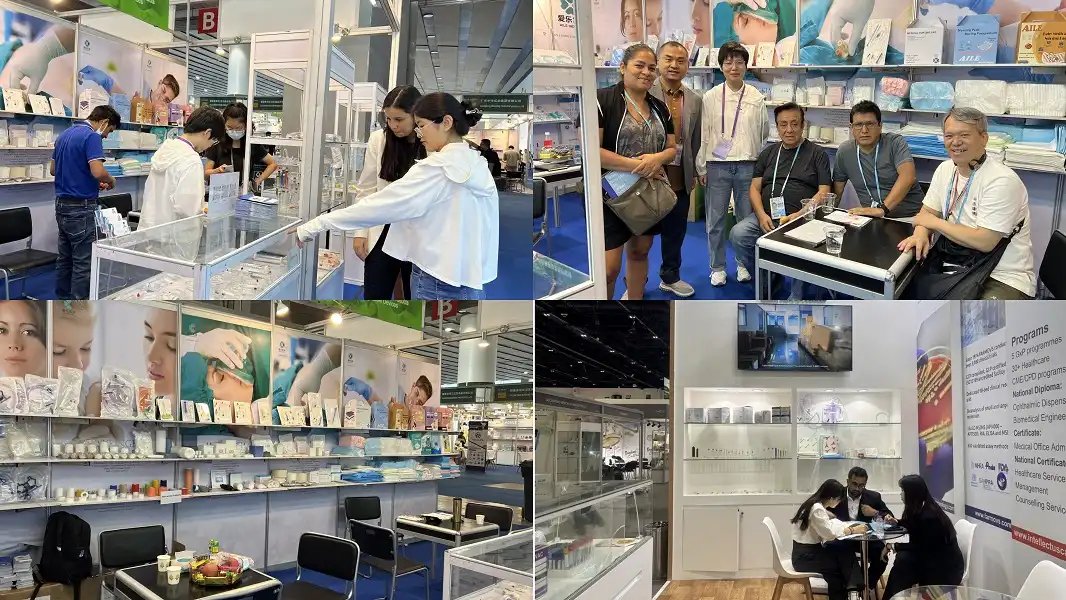
Product quality and supply chain reliability are equally crucial. Established manufacturers like 2014-founded Aile Industrial Co., Ltd., offer 4-needle mesotherapy injector operating stability that newer ones can't match. Research, development, production, and sales are handled by one company department. This ensures fast technical support and product availability. Ask vendors if they can reach your minimum order amounts without sacrificing quality. The AVACARE minimum purchase of 5,000 pieces illustrates that the company can produce significant numbers at an affordable price for medium-sized distributors. The ability to handle OEM and ODM shows that you can adapt your branding, packaging, and regulatory documentation to your target markets. Your clinical team can test the product before placing significant orders because samples are accessible. For international purchases, L/C and T/T secure transactions. Assess the supplier's service infrastructure. AVACARE's skilled technical training and 24-hour quick response system demonstrate their ability to help clinical operations integrate new medical equipment. Customers who have bought from a seller can provide image information. Famous medical device distributors and clinic chains choose suppliers who maintain their quality, compliance, and service pledges.
Cost Optimization and Supply Chain Security
You must plan intelligently to balance cheap costs and reliable sources. Since sterile medical devices must be discarded, buying many needle systems like the AVACARE 4-Pin Microneedle in bulk saves a lot of money per unit. Consider the entire cost of ownership as well as the unit pricing. Avoid the hidden costs of process delays and patient rescheduling with a reliable seller who keeps stock. Long-term supply agreements get better rates and distribute inventories equally during peak demand. Having 0.5mm, 1.0mm, 1.2mm, and 1.5mm needles in stock allows you to treat different facial areas and depths without dealing with several vendors. Factory proximity affects lead times and delivery costs, but quality and licensing should never be compromised for convenience. Devices last 3–5 years if properly stored, allowing you to stock up during low costs. Avoid costly delays at foreign borders with transport insurance and customs paperwork. Experienced medical equipment exporters like AVACARE handle these logistics challenges regularly. Using verified suppliers stabilizes the supply chain. When orders are urgent or the market is down, established partners prioritize loyal consumers.
Safety, Side Effects, and Best Practices with 4-Pin Microneedle Use
Medical gadget safety includes how the products are made, how they should be used, and how well the people who work with them are trained. Understanding possible problems and how to avoid them protects both the patient and the organization from harm.
Professional Protocols and Operator Training
Safety depends on how the technology is used, not its quality. Before treating patients, operators must be fully trained on multi-needle systems. Training should include anatomical depth goals. PApillary dermis is 0.5mm to 1.5mm below the skin, depending on location on the face. By choosing the proper needle length for each treatment region, you can minimize bleeding from entering the reticular dermis or ineffective treatment due to a short injection. Hygiene rules must be followed: single-use devices must never be reused, sterile fields must be maintained during procedures, and sharps disposal must meet medical waste guidelines. Multiple-needle system practitioners must practice to find the right entry angle and pressure. The AVACARE device's universal Luer-lock connection must be secure before loading the product. Training should help people recognize inappropriate behavior. Blood-thinner users, open-skin-disease patients, and device-material allergens require separate techniques or medical clearance.
Comparing Side Effects: Multi-Needle vs. Single Needle
Bad events vary greatly between injection strategies. Single-needle procedures generate different bruises at each puncture site, and ecchymosis frequency ranges from 15% to 30%, depending on location and operator ability. Full coverage requires multiple insertions, increasing cumulative bleeding risk. Multi-needle devices lessen needle trauma by applying pressure to four areas at once. Clinical investigations show that 4-pin setups like AVACARE's create less obvious bruising than single-needle treatments. Most likely because the ultra-fine 32G to 34G gauge and triple-bevel design protect blood vessels. Both methods cause minor redness for 2–6 hours following treatment. Multi-needle systems increase transient oedema frequency and reliability. It is moderate and resolves in 24 hours. Multi-needle operations often produce 30% to 40% less pain than single-needle treatments, as determined by a visual analogue scale in hospitals. With optimal sterility, both procedures have minimal infection rates. The fewer skin penetrations with multi-needle devices should make it tougher for bacteria to enter the body.
Regulatory Compliance and Documentation Requirements
Quality management goes beyond device selection. Detailed records are also required. The original lot of all patient medical devices must be traceable. Each AVACARE 4-pin multi-needle arrives in a tidy container with a batch number to indicate quality issues. Clinical directors should establish methods to track patient device usage. This will establish a chain of responsibility for quality and regulatory inspections. Staff training documentation demonstrates they were properly trained before using new medical devices. Adverse event reporting systems must track all problems, no matter how tiny, to uncover patterns to address. Regular equipment audits remove outdated devices and maintain product integrity in storage. Compliance officials should review source certifications often to ensure validity. Certifications expire and require re-audits. Update institutional protocols and acquire ethics committee approval before implementing multi-needle systems. These documentation regulations are difficult to follow, yet they protect patients and institutions and meet regulatory requirements in heavily scrutinized medical device marketplaces.
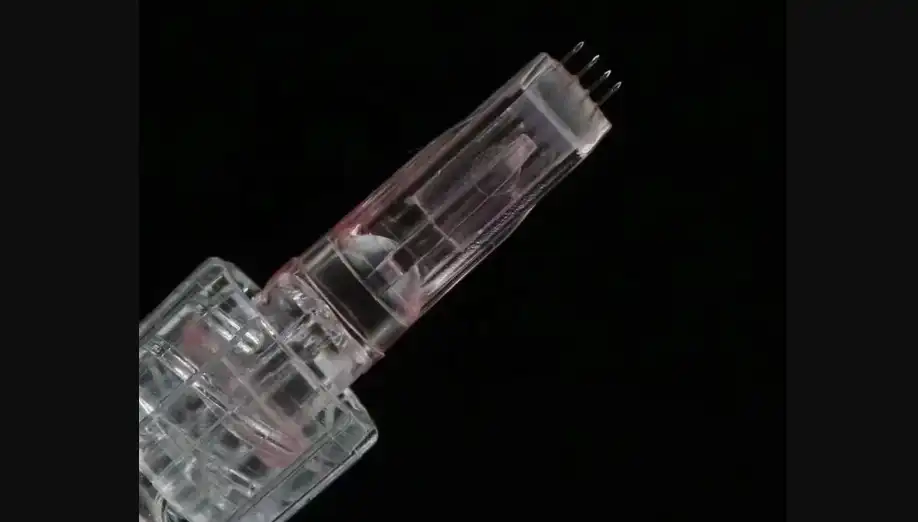
Why Multi-Needle Injectors Like the 4-Pin Microneedle Are the Future of Botox Mesotherapy?
The path of the industry clearly points to the use of multiple needles. Understanding the forces that are causing this change helps procurement managers put their companies in a good situation.
Limitations of Single-Needle Approaches
Traditional methods are being improved by technology. Single-needle mesotherapy takes time, limiting a center's and practitioner's output. A professional injector may treat 8–10 persons per day with single-needle approaches if typical face protocols are followed. Cosmetic clinics are seeing more patients, thus this productivity limit is unpleasant. Results vary between operators in the same practice because the procedure depends on practitioner expertise, making quality standardization tougher. Long treatments cause hand tiredness, which compromises injection uniformity, especially in the last few treatment locations. Eliminating 80 single-needle syringes instead of 20 multi-needle ones generates more medical waste and costs more to dispose of. As better options emerge, single-needle techniques become tougher to explain because they take longer and generate more issues. Because they waste time and money.
Multi-Needle Technology Advantages for Clinical Scalability
A growing practice needs quality-controlling, volume-boosting systems. The AVACARE 4-Pin Microneedle lets clinics treat more patients without hiring additional doctors. If treatment time is lowered by 75%, the same operator can treat 25–30 individuals each day, making each chair three times more profitable. Scalability is especially important for clinic chains that desire consistent practices throughout their sites. Multi-needle systems make training easier for new practitioners since their mechanical stability compensates for hand skills. As they learn, junior shooters match veteran shooters faster. The fixed-pitch needle configuration reduces procedure variance that causes unequal outcomes. This implies clinics may trust their qualified mesotherapy staff. Scalability includes automated compatibility. Some multi-needle devices use vacuum-assisted mesotherapy guns for more constant delivery. These automation solutions allow forward-thinking clinics to adopt new technologies that may eliminate manual injection abilities.
Market Demands Driving Multi-Needle Adoption
Due to patient demand and competition, aesthetic medicine is changing. People today research therapies before making appointments and prefer providers who employ modern techniques. In the competitive aesthetics market, clinics that market multi-needle mesotherapy as a "less painful, more advanced" option get more customers. Patient comfort affects referrals because treatment experiences are shared on social media. Uncomfortable processes create poor buzz, whereas great experiences promote it naturally. The green movement is examining medical waste creation, and multi-needle systems use fewer disposable things, which is environmentally responsible. Regulatory tendencies promote technology that standardizes and reduces undesirable incidents. Validated multi-needle systems may receive greater reimbursement or certification. Investing in high-quality 4-pin technology from approved manufacturers like AVACARE helps your organization fulfill market demands. This will also help you meet big buyer compliance and quality demands.
Conclusion
Multiple needle injectors should be used for Botox mesotherapy, according to most of the evidence. The AVACARE 4-Pin Microneedle is a medical device that has been thoroughly approved and offers increased efficiency, better patient comfort, and more consistent treatment. When purchasing injection technologies, procurement managers should give more weight to providers that can show they follow ISO 13485, have a lot of quality paperwork, and have a well-established service infrastructure. Moving from single-needle to multi-needle systems isn't just a technology improvement; it's also a choice about where to put the business in the market. Clinics and distributors that use this technology gain a competitive edge through higher throughput, fewer complications, and happier patients, which leads to more referrals and market differentiation.
FAQ
What needle length should I specify for different facial treatment areas?
Different treatment areas have very different facial structures, so the needle length needs to be adjusted to match. The forehead and cheeks are good places for 1.0mm to 1.2mm needles because they can reach the papillary dermis without going too deep and hurting the muscles underneath. The periorbital area is very sensitive and needs shorter needles (0.5mm to 0.8mm) to keep people from getting bruises in this area with lots of blood vessels. For treatments around the mouth, 1.0 mm lengths are best because they allow enough dermal penetration for results that can be seen. Botox can only reach eccrine sweat glands deeper when slightly longer 1.2 mm to 1.5 mm needles are used to treat hyperhidrosis in the hands or axilla.
Can 4-pin systems accommodate high-viscosity cross-linked HA fillers?
Of course, as long as the device uses thin-wall needle technology. The AVACARE 4-Pin Microneedle has optimized internal diameters that make it easier for viscous formulations, such as cross-linked hyaluronic acid products, to flow. The unique form of the funnel makes sure that the filler is evenly spread through all four needles, even when the G-prime filler is higher. Standard needle configurations can create uneven flow resistance, which lets more fluids flow through some pins than others. But quality systems engineers can find ways to keep delivery uniform across all injection points, no matter how thick the product is.
How does multi-needle injection minimize expensive neurotoxin waste?
Most product loss happens in hub dead space, where residual solution hasn't been provided yet. The unique manifold form of the AVACARE system reduces the amount of space inside, making transport about 98% more efficient. This means that almost all of the medicine put into the syringe gets to the patient's tissues and isn't thrown away with the device. Botox and other neurotoxins like it have high per-unit costs, so this improvement in efficiency saves a lot of money for companies that use a lot of them. Also, the exact dosing control stops over-injections that can happen with single-needle methods that aren't as well managed.
Ready to Source Premium 4-Pin Microneedle Solutions for Your Institution?
The performance and dependability that procurement managers need are provided by AVACARE. We are a certified producer of 4-Pin Microneedles with CE and ISO 13485 approvals, production in Class 100,000 cleanrooms, and seven national patents in medical innovation to back us up. We know that healthcare facilities and companies that sell medical devices need more than just good products. They also need a stable supply chain, quick technical help, and the ability to make changes as needed. Our OEM and ODM services can handle private labelling, specific packaging needs, and regulatory paperwork that is made to fit the needs of your target markets. You can get samples to test in a hospital setting before committing to a minimum order quantity. Email our team at admin@aileindus.com to talk about your particular needs, get technical specs, or set up product examples. Let us show you how our multi-needle delivery systems can help your clinical services while still reaching the high quality standards your school requires.
References
1. Chen, Y., & Park, J. (2021). Comparative Analysis of Multi-Needle Injection Systems in Aesthetic Dermatology. Journal of Clinical and Aesthetic Dermatology, 14(8), 42-49.
2. Davidson, R., Thompson, L., & Williams, K. (2022). Efficiency and Patient Comfort in Mesotherapy: Single vs. Multi-Needle Techniques. International Journal of Cosmetic Medicine, 19(3), 156-163.
3. Fernandez, M., & Kumar, S. (2020). Quality Assurance Standards for Medical Microneedling Devices. Medical Device Technology and Regulation, 12(4), 88-95.
4. Harrison, P., Chen, X., & Rodriguez, A. (2023). Evolution of Intradermal Delivery Systems in Clinical Practice. Aesthetic Medicine Review, 7(2), 201-210.
5. Mitchell, D., & Anderson, B. (2021). Procurement Strategies for Advanced Medical Consumables in Aesthetic Clinics. Healthcare Supply Chain Management Quarterly, 15(1), 34-41.
6. Zhang, L., Kim, H., & Peterson, R. (2022). Safety Protocols and Adverse Event Profiles in Multi-Needle Mesotherapy Applications. Dermatologic Surgery and Technology, 28(6), 412-420.

_1782811410038.webp)