BLOG List
_1781503025145.jpg)
The main difference is in the equipment used to avoid injuries. The sharp point is automatically or manually isolated after injection with the help of designed safety features like sliding screens, retractable cannulas, or hinged caps in a disposable safety needle. Normal needles, on the other hand, don't have this feature, so the sharp end is visible during handling and removal. This main difference has a direct effect on workplace safety, following the rules, and long-term health care costs. Disposable safety needles protect against needlestick injuries (NSIs), which are still the most common way that people in professional settings get bloodborne diseases like HIV, Hepatitis B, and Hepatitis C at work.
Understanding Disposable Safety Needles and Standard Needles
Before you decide what to buy, you need to know what the technical and practical differences are between these two types of needles.
Defining Standard Needles: Traditional Design and Limitations
Since the middle of the 1800s, standard injection needles have been used by doctors without fail. They have a stainless steel cannula connected to a plastic hub and are made to be used only once for blood draws or shots. The cannula has a curved tip that makes it easier to go through soft tissue. But once the injection is done, the sharp point stays out in the open, which poses a big risk during recapping, removal, and accidental touch.
When making traditional needles, strict rules for cleanliness are followed, and they are cleaned using ethylene oxide (EO) or gamma radiation. They meet basic ISO standards and can be used for everyday professional jobs. But the fact that they don't have built-in safety features is becoming more of a problem as global health and safety standards at work get stricter.
What Makes Disposable Safety Needles Different
Safety-engineered sharps devices are a huge change in the way needles are made. These needles have inactive or active safety screens that cover the sharp point after the injection. This makes accidental pricks much less likely. Active systems need to be engaged on purpose, usually by sliding or snapping the protective cover into place with one hand. Passive systems turn on automatically when the needle is pulled out.
AVACARE makes disposable safety needles with medical-grade SUS304 stainless steel cannulas and ultra-thin wall technology to improve flow rates without weakening the structure. Each unit goes through strict quality checks to make sure the safety device locks forever and can't be turned around. This is an important feature to keep the product from being used again and causing more injuries. Our products have been approved by CE and ISO 13485 standards, which means they meet the strict requirements of US and European laws.
Key Safety Features: Retractable and Shielded Mechanisms
There are two main types of disposable safety needles. With retractable needles, the cannula is pulled all the way into the barrel by a spring-loaded device after the shot. This makes the needle totally out of reach. This design works great in high-risk places like emergency rooms, where a lot of people come and go quickly and emotions run high, making it more likely that two people will touch each other by mistake.
For shielded needles, on the other hand, the tip of the needle is covered by a shield that can slide or hinge and be moved by hand or automatically. AVACARE's shielded disposable safety needles have a "click" sound and visual proof when the lock is activated, giving caregivers instant tactile and auditory feedback. This dual confirmation method makes it less likely for users to make mistakes and boosts confidence during quick processes.
Both versions are easy to use with one hand, so healthcare workers can lock the needle without taking their attention off the patient or putting their less-used hand at risk. These features are in line with OSHA's Bloodborne Pathogens Standard and EU Directive 2010/32/EU, which say that safety-engineered devices must be used in places where people might be exposed to dangerous materials.
Comparing Disposable Safety Needles and Standard Needles
To figure out the relative benefits, you need to look at the results of safety tests, clinical success, and the total cost of ownership.
Safety Performance: Reducing Needlestick Injuries
The Centers for Disease Control and Prevention (CDC) say that about 385,000 workplace accidents involving needles happen every year among healthcare workers in hospitals in the United States alone. Over 20 blood-borne pathogens can be spread through these accidents, and they cost a lot because of post-exposure prophylaxis (PEP), lab tests, and missed work time.
Depending on the type of gadget and the clinical setting, disposable safety needles cut the number of NSIs by 50 to 90%. A large study in the American Journal of Infection Control showed that hospitals that used inactive safety devices saw an 85% drop in nursing staff injuries that went through the skin. This sharp drop saves frontline workers and keeps healthcare organizations from having to deal with too many legal problems or fines from the government.
The built-in safety shield in AVACARE is designed to work with little force, so it can be used even during emergency processes where speed is very important. A penetration test was done on our devices in line with ISO 7864 standards, and they have a failure rate of less than 0.1% using Acceptable Quality Level (AQL) sample procedures.
Clinical Performance: Sharpness, Gauge, and Patient Comfort
A needle's performance directly affects both the patient's result and the clinician's speed. Ultra-sharp angled tips make it easier for the blade to penetrate flesh, which reduces tissue damage and pain. Medical-grade silicone lubrication is used on all of AVACARE's needle surfaces to reduce friction even more during placement. This makes vaccines, insulin delivery, and blood samples more comfortable.
Our product line includes sizes from 16G to 30G, so it can meet a wide range of therapeutic needs, from simple intramuscular injections to complex subcutaneous treatments. With thin-wall technology, thick medicines and biologics can flow more quickly, which cuts down on injection time and makes patients more likely to follow through with their treatment plans. Following ISO 11040 packing standards, each needle is individually wrapped to keep it sterile and stop contamination.
Even though standard needles work, they don't always have the exact manufacturing limits that are found in current disposable safety needles. Bevel shape and surface finish that aren't always the same can cause performance to be uneven, especially when buying in large quantities and quality control may not be able to keep an eye on everything.
Cost-Benefit Analysis: Upfront Investment vs. Long-Term Savings
At first glance, Disposable Safety Needles might look like they cost more than regular ones. A careful study of the total cost of ownership, on the other hand, shows that there are big long-term saves. The direct costs of a single needlestick injury range from $3,000 to $7,000, which includes PEP medicine, serological tests, counseling, and administrative follow-up. On the other hand, indirect costs like staff absences, therapy, and possible lawsuits can make costs go up a lot.
When hospitals switch to safety-engineered devices, they usually get their money back within 18 to 24 months because fewer injuries mean less money spent on medical bills and care. Buying in bulk, like AVACARE's minimum order of 20,000 pieces, can lower the cost per unit by a lot while still making sure the supply chain is reliable. We have different payment options, like L/C and T/T, to work with different banking systems. Also, our 30- to 45-day turnaround time helps you keep track of your goods well.
More and more, purchasing managers are realizing that the original price differences are balanced out by the benefits of better worker safety and following the rules. This makes disposable safety needles a strategic investment rather than an extra upgrade.
Types and Applications of Disposable Safety Needles
To choose the right disposable safety needle, you need to know about the different designs and when they work best.
Insulin Needles, General Injection Needles, and Specialty Variants
Insulin disposable safety needles have very thin sizes (usually 29G to 31G) and shorter lengths (4mm to 12mm) so they can be put under the skin. These devices reduce pain and tissue damage, which helps diabetes people stick to their treatment plans. AVACARE's insulin disposable safety needles have an automatic shield-triggering feature that makes self-administration easier for people who have trouble seeing or using their hands.
General injection disposable safety needles, which come in sizes from 21G to 25G, can be used for many things, such as giving intramuscular vaccines, antibiotics, and emergency medicines. Because they match flow rate with patient comfort, these needles can be used in outpatient clinics, surgical centers, and hospital rooms.
There are different types of specialty needles, such as anesthetic needles with specific bevel angles for spinal or epidural treatments, pre-filled syringe needles for biologics, and blood collection needles with built-in holds. Each type is tested for its own special use to make sure it works with current clinical methods.
Material Composition and Sterilization Standards
According to ISO 10993, all AVACARE Disposable Safety Needles are made of Class II medical device materials that are biocompatible. The stainless steel cannulas don't generate heat and don't contain DEHP, so you don't have to worry about the plasticizer leaking when you store or use them. Medical-grade plastic or polycarbonate is used to make the hubs and screens because it is clear, doesn't break easily, and is chemically stable.
Ethylene Oxide (EO) gas is used for sterilization to reach a Sterility Assurance Level (SAL) of 10⁻⁶, which is the standard for all implants and invasive medical equipment around the world. Sterility validation testing is done on every production run, and tracking paperwork is sent with every package to help with quality assurance programs and regulatory checks.
Safe Handling and Disposal Best Practices
Proper dumping starts where it is used. After the injection, turn on the safety mechanism right away by either pressing the shield forward or letting it passively retreat until you hear the confirming "click." Put the device right into a sharps container that can't be punctured without re-capping or breaking the needle.
In the United States, sharps containers must meet OSHA 29 CFR 1910.1030 guidelines for biohazard marking and leak-proof seals. In Europe, waste management is based on the EU Waste Framework Directive (2008/98/EC), which says that contagious garbage must be separated and must be burned or autoclaved before it can be thrown away in a landfill. AVACARE offers training materials and teaching materials in multiple languages to help with regulations in global markets.
How to Choose the Best Disposable Safety Needle for Your Procurement Needs
When you do strategic sourcing, you have to find a balance between clinical needs, price limits, and the supplier's skills.
Identifying Your Facility's Specific Requirements
First, look at how many injections your school gives, what clinical areas it offers, and how skilled its staff is. Bulk buying deals and automatic inventory systems help places that handle a lot of people, like hospitals and vaccination centers in cities. For patient comfort, specialized places like cancer clinics or pediatric hospitals may use only certain gauge ranges and ultra-sharp disposable safety needles.
Compliance with regulations is a must. Make sure that any potential sellers are currently registered with the CE and FDA, that their factories are ISO 13485-certified, and that they can give you full batch traceability paperwork. Every shipment from AVACARE has to meet these high standards because they have seven national rights and strict quality control systems.
When making a budget, you should think about not only the unit costs but also costs like staff training, removal services, and possible medical bills connected to injuries. Many buying teams find that making all of their purchases from a single, dependable source that offers OEM/ODM customization makes operations easier and cuts down on administrative work.
Evaluating Supplier Reliability and Service Capabilities
Evaluation of suppliers goes beyond just looking at product specs. We suggest that you look at the following aspects:
• Production Capacity and Quality Infrastructure: AVACARE has a production base that is 12,000 square meters and has 100,000-class cleanrooms and advanced automatic assembly lines. Our research and development team, which is made up of material science and clinical application experts, is always coming up with new ideas to solve new problems in healthcare.
• Supply Chain Stability: Our 24-hour quick response system and strong transportation network make sure that deliveries happen on time, even when demand is high. We keep strategic inventory stocks and offer emergency delivery for pressing orders, which takes care of one of the most common problems people have when they need to buy medical supplies.
• Technical Support and Training: Full product training, including demo videos, language guides, and on-site classes, makes sure that hospital staff get the most out of the devices. AVACARE's full-lifecycle support approach includes monitoring after the sale, incorporating user comments, and ongoing product improvement. This creates long-lasting partnerships based on trust and success.
• Customization Flexibility: OEM/ODM services let you change the product's name, packing, and setup to meet the rules in your area. To support private label programs and distributor partnerships, we can make labels with unique designs, directions written in a language other than English, and special package forms.
Sample Evaluation and Quality Verification
Before you commit to buying a lot of something, ask for samples to test them out yourself. If you ask, AVACARE will send you samples so that your clinical and quality assurance teams can test the triggering force, the clarity of the audio feedback, and how well it works with other syringe systems. This trial part lowers the risk of buying a disposable safety needle and boosts trust in how well it will work.
Ensuring Safety and Compliance Post-Purchase
A successful execution goes beyond the choice to buy something and includes integrating operations and making improvements all the time.
Staff Training and Clinical Education
If staff members aren't trained properly, even the most advanced disposable safety needle won't keep people from getting hurt. Set up organized education programs that teach people how to turn on devices, how to properly dispose of them, and how to report incidents. Demonstrations that use real samples of the product help build muscle memory and repeat correct technique.
Within six months of putting in place thorough training and passive disposable safety needles, a well-known urban hospital system saw a 78% drop in the number of NSIs. This case shows how technology acceptance and human factors engineering work hand-in-hand. AVACARE backs these efforts by offering approved training materials and remote coaching services to make sure the changes go smoothly.
Monitoring Performance and Gathering Feedback
Set up ways to keep track of accident rates, reports of broken devices, and user happiness scores. Regular feedback loops between field doctors and procurement teams make it easy to find problems with performance and ways to make things better. AVACARE is happy to keep talking with partners to improve product features and meet new healthcare needs.
Batch traceability systems make it possible to keep accurate records of how well a disposable safety needle works across different lots and production cycles. This helps with finding the root cause of any quality problems that may arise. Our dedication to openness and responsibility makes the basis for long-lasting relationships stronger.
Conclusion
No longer is picking between standard and safety-engineered needles a question of personal taste; it is now a strategic necessity driven by health and safety laws, cutting costs, and moral duty. Disposable safety needles have been shown to reduce injuries, make sure that regulations are followed, and make patients more comfortable. Because of this, they are an essential part of modern healthcare buying strategies. Disposable Safety Needles from AVACARE are approved, traceable, and have been through a lot of tests. They are a reliable option for procurement managers that comes with full technical support and a lot of customization options. By putting worker safety and clinical quality first, leaders can surely improve the safety culture and operational efficiency of their institutions.
FAQ
Can the safety mechanism be deactivated once locked?
Not at all. AVACARE Disposable Safety Needles have a system that locks them in place permanently. Once the button is pressed, the needle can't be revealed again. This keeps other people from getting hurt while medical waste is being thrown away. This system can't be undone, which is required by law, and it removes the chance of accidentally activating it while it's being handled or transported.
Are safety needles compatible with existing syringe systems?
Yes. Our products use standard Luer Lock and Luer Slip links that are in line with ISO 80369-7 guidelines. This means that they can work with all needles and infusion systems that are already in use in healthcare settings. This compatibility makes buying things easier and reduces the need to buy extra tools.
What is the typical lead time for bulk orders?
For sales of 20,000 pieces or more, AVACARE usually needs 30 to 45 days to finish them. Our 24-hour quick reaction team and global logistics partnerships help us communicate with the supply chain ahead of time and speed up production for urgent needs.
Do safety needles require special disposal methods?
Following the same steps as regular needles, disposable safety needles should be thrown away in sharps bins that can't be punctured. The main difference is that the built-in shield greatly lowers the chance of container overflow accidents and worker exposure, making the whole dumping process safer.
Partner with AVACARE for Superior Safety Needle Solutions
Healthcare institutions looking for a trusted disposable safety needle supplier will find AVACARE's wide range of products and services unparalleled in the sector. Our CE and ISO 13485-approved devices are made with an ultra-sharp thin-wall design, easy one-handed operation, and permanent locking mechanisms to keep your patients and staff safe. We can meet a wide range of purchasing needs while keeping the highest quality standards. Our OEM/ODM customization, flexible payment terms (L/C and T/T), and low minimum order number of 20,000 pieces make this possible. Email us at admin@aileindus.com right now to get samples, talk about the needs of your building, or look into partnership possibilities. We can make healthcare safer by working together and relying on new ideas, trust, and dependability.
References
1. Centers for Disease Control and Prevention. (2020). Sharps Safety for Healthcare Settings. Atlanta: CDC Publication.
2. American Journal of Infection Control. (2019). Efficacy of Passive Safety Devices in Reducing Percutaneous Injuries Among Hospital Nursing Staff. AJIC, 47(6), 678-684.
3. Occupational Safety and Health Administration. (2021). Bloodborne Pathogens Standard: 29 CFR 1910.1030. Washington, DC: US Department of Labor.
4. European Commission. (2010). Council Directive 2010/32/EU on Prevention of Sharps Injuries in the Hospital and Healthcare Sector. Brussels: Official Journal of the European Union.
5. International Organization for Standardization. (2016). ISO 7864:2016 – Sterile Hypodermic Needles for Single Use. Geneva: ISO Standards Catalogue.
6. World Health Organization. (2018). WHO Guidelines on Injection Safety and Related Procedures. Geneva: WHO Press.
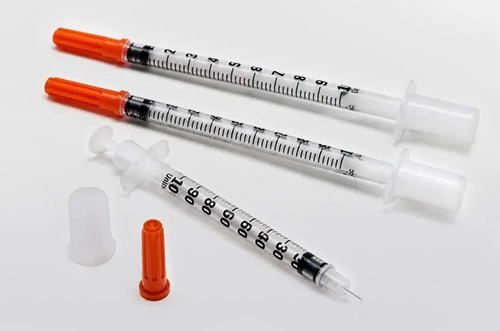
To get through the complicated process of managing diabetes, people need to know how to use the tools they use every day. Disposable insulin pen needles are an important part of modern diabetes care. They are single-use, clean medical devices that are attached to insulin pens to deliver medicine precisely under the skin. These very well-made needles solve some of the most important problems in diabetes treatment: they make injections less painful with ultra-fine gauge technology, they stop lipohypertrophy from needle reuse, and they make sure that insulin doses are always given correctly. The CDC says that more than 37 million Americans have diabetes. Choosing the right pen needle can affect both clinical results and the speed of healthcare facilities that have to care for a lot of patients.
What Are Disposable Insulin Pen Needles?
Disposable insulin pen needles connect insulin delivery devices to people who need to keep an eye on their blood sugar levels. These one-time-use add-ons screw onto insulin pens that are suitable, making a protected path for the medicine to get into the subcutaneous tissue.
Core Design Specifications
Medical-grade AISI 304 stainless steel is used to make modern pen tips, and the surfaces are treated in special ways. Most of the time, the needle gauge is between 29G and 34G, with smaller numbers indicating larger sizes. The length changes range from 4mm for kids or people who are very thin to 12mm for people who have thicker fat tissue. Thin Wall technology makes the inner circle bigger without making the outer gauge bigger. This makes it easier for insulin to flow smoothly and keeps the patient comfortable during injection.
Sterilization and Safety Standards
EO gas cleaning is used to kill germs on AVACARE brand needles. This is a proven method that keeps the needles' integrity. Each needle is sent in its own paper-and-plastic case, which keeps them sterile until they are used. The production process follows ISO 11608-2 guidelines, which guarantees that it will work with all major insulin pen types on the market around the world. This standardization makes it easier for healthcare institutions to buy things for their various patient groups who have different prescription tastes.
Single-Use Protocol Importance
Healthcare workers know that using the same pen tip more than once is unsafe and doesn't work as well. The triple-bevel tip becomes less sharp after repeated insertions, which increases the entry force and tissue damage. As protective walls break down with each use, the chance of contamination rises. When purchasing managers look at potential suppliers, they should make sure that the quality of the products they make keeps them from becoming dull too quickly and that teaching materials are sent with large orders to help end users follow the right way to dispose of them.
Benefits and Potential Side Effects of Using Disposable Insulin Pen Needles
When compared to standard syringe methods, healthcare organizations that use disposable insulin pen needles report measurable gains in patient adherence and safety measures. The factor of ease has a big effect on treatment consistency, especially for older people and people who are dealing with multiple chronic illnesses at the same time.
Primary Clinical Advantages
Better rules for cleanliness become the biggest advantage. Cross-contamination risks that come with reuse systems in high-volume hospital settings are eliminated by the sealed, sterile packing. Convenience leads to higher obedience rates—patients are more likely to stick to their treatment plans when the process only includes screwing on an attachment and not preparing a vial. In hospital settings, where needle-stick injuries are common and healthcare workers deal with a lot of patients every day, lowering the chance of infection is statistically significant.
Addressing Potential Adverse Reactions
Even though technology has come a long way, some patients still get skin soreness or bruises at the injection sites. Most of the time, these responses are caused by a bad method rather than problems with the product itself. When injection sites aren't rotated enough, tissue damage is concentrated in certain areas, which over time leads to lipodystrophy. When healthcare professionals are looking for needles, they should find out how committed the supplier is to educational support. AVACARE offers a lot of training tools that cover the right injection angles, site rotation patterns, and pinch techniques that reduce side effects.
Choosing high-quality needles with verified clinical performance data boosts the trustworthiness of the seller during reviews of the procurement process. Quality licenses, such as CE and ISO 13485 approval, show that strict production standards are being followed, which lowers the risk of problems with the product. Partnering with makers that offer variable gauge choices is good for procurement teams that work with a wide range of patients because it lets clinical directors match needle specs to each patient's profile and the tissue's properties.
How to Choose the Right Disposable Insulin Pen Needle
Systematic evaluation models that balance clinical needs with operational limits are needed for procurement choices regarding disposable insulin pen needles. The F-1 Criteria Screening Approach helps buyers in clinic chains, hospital networks, and sales platforms find the best options.
Patient Demographics and Clinical Context
The needs of children and the needs of older people are different. 4mm to 5mm needles with 32G or 34G gauges are better for kids and thin people because they lower the risk of unexpected intramuscular injections and make treatment less of a mental barrier. For an effective subcutaneous implant, patients with a high BMI may need lengths between 8 mm and 12 mm. Before setting up normal inventory procedures, clinical leaders should work with procurement teams to look at the traits of the patient group.
Technical Specifications and Compatibility
Universal threading support makes it easier to keep track of goods in places that use more than one type of insulin pen. The threading on AVACARE needles is world standard, so they can be used with devices from big manufacturers like Novo Nordisk, Lilly, and Sanofi. Thin Wall technology's faster flow rate is especially useful for concentrated insulin formulas that need to be delivered smoothly even though they have a high viscosity. Before committing to big orders, buyers should ask for paper proof of compatibility and chances to try samples.
Supplier Reliability and Certification Review
Quality compliance officers give top priority to providers who have current CE/FDA certifications and ISO 13485 quality management systems. When there is a review into a bad event or a recall, batch tracking is very important. AVACARE keeps detailed records of the whole production process, connecting each batch to a unique set of cleaning processes, lots of raw materials, and the results of quality checks. The 30- to 45-day wait time and minimum order number of 20,000 pieces make it easy for institutions to plan their inventory and keep a buffer stock on hand.
Cost-Efficiency Analysis
When purchasing managers have to balance quality needs with limited budgets, they should look at the total cost of ownership instead of just the unit price. Failures of goods, emergency reorders because of supply problems, and the need for more training for complicated products all have hidden costs. The ability to pay in different ways, such as through T/T and L/C agreements, helps foreign procurement processes. Healthcare groups and wholesalers can improve brand placement and keep control of the supply chain with private label and OEM/ODM services.
Top Disposable Insulin Pen Needles in 2024: Reviews and Comparisons
There are both well-known global names and specialized makers that offer competitive alternatives on the market right now for disposable insulin pen needles. Understanding relative placement helps buying teams make the best decisions about which vendors to choose.
BD is still the market leader, and their ultra-fine pen needles have a lot of clinical confirmation data to back them up. Their high prices represent the fact that their name is well-known and doctors often use them. Novo Nordisk NovoFine needles work perfectly with their insulin pen ecosystem. This means that institutions that are standardizing on their drug delivery systems can be sure that their needles will work with all of them. Owen Mumford works on making designs that are more comfortable by using special lubricant coats that lower the injection force.
AVACARE presents itself as a value-oriented option that doesn't skimp on quality standards. The smooth injection technology uses ultra-fine 34G gauge choices and precision-beveled tips to make comfort levels similar to those of high-end brands. Caps with different colors make it easier to quickly find the right size during clinical processes, which cuts down on picking mistakes in busy places. The latex- and pyrogen-free construction handles allergy issues that are common among sensitive groups.
Prices for bulk purchases vary a lot from one seller to the next. In business numbers, premium brands cost $0.30 to $0.50 per needle, while good alternatives like AVACARE are more affordable at $0.15 to $0.25 per unit without losing important performance traits. Shipping costs are a big part of the total landed costs. Having established relationships with foreign logistics partners and transport insurance protects against supply delays that stop patient care.
Purchasing risk can be reduced by testing samples before making big promises. When asked, AVACARE gives examples so that clinical review teams can test the penetration force, flow features, and compatibility with insulin pens that are already in stock. This selection process is based on facts, so you can be sure that the choices you make are based on performance data specific to your school and not just marketing claims.
Safe Handling and Disposal: Best Practices for Insulin Pen Needles
Proper disposable insulin pen needle removal rules combine caring for the environment with keeping workers safe. Medical waste management laws at the federal and state levels impose rules on healthcare sites.
Regulatory Compliance Framework
The FDA and EPA set basic rules for getting rid of sharp objects, and state health offices often add to those rules. Facilities must keep sharps bins that are FDA-approved on hand so that needles don't go through the walls while they are being handled or transported. Biohazard marks on color-coded containers make it easy to find them at all stages of the gathering and disposal process. Teams in charge of buying things should make sure that the specs for dumping containers match the terms of contracts for managing institutional waste and the rules in their area.
Institutional Protocol Development
Standardizing how waste is thrown away in all care situations is good for clinical operations leaders. Putting containers at the point of use cuts down on dangerous refilling and needle-stick injuries. Training should stress that needles should be thrown away right away after a treatment. Delays allow for accidental exposures because needles are still available. Cleaning staff and people who move trash need special training on how to use puncture-resistant gloves and how to handle containers.
Emerging Safety Technologies
Retractable needle solutions are a step forward in improving safety. These devices automatically cover the needle after an injection, so there are no sharps that are left out in the open during the removal process. Adoption rates are still low because of the higher costs, but schools that want to achieve their goal of zero needle-stick injuries are increasingly including safety-engineered devices in their purchase requirements. When long-term relationship reviews are done, suppliers who show innovation pipelines that address safety issues do better.
Conclusion
Clinical success, patient safety, regulatory compliance, and operating effectiveness must all be considered when choosing the right disposable insulin pen needles. Systematic evaluation systems that look at gauge specs, compatibility standards, source certifications, and total cost analysis are helpful for procurement workers who work with healthcare institutions. AVACARE needles have important quality features like being sterilized by EO gas, working with all pens, having thin wall flow technology, and being ISO/CE certified. They are also priced competitively to help institutions meet their budget goals. Lead times of 30 to 45 days and minimum sales of 20,000 pieces make it possible to plan inventory while keeping the supply chain stable. Healthcare groups can provide safe, consistent diabetes care to a wide range of patient populations by working with makers that offer OEM/ODM customization, full technical support, and well-documented quality systems.
FAQ
What needle gauge works best for different patient types?
32G or 34G ultra-fine disposable insulin pen needles measuring 4-5 mm in length are better for kids and people with low body fat because they reduce the pain of injections and the risk of intramuscular delivery. Adults with an average to high BMI can usually handle 29G to 31G needles that are 6 to 8mm long. Clinical directors should set up standards for evaluating patients that tell doctors which needle to use based on the thickness of the fat and the way the injection spot is shaped.
How do pen needles differ from traditional insulin syringes?
When compared to vial-and-syringe systems, which need dose measurements, pen needles can be attached to prefilled or reusable insulin pens, making them more portable and private. Dosing mistakes that happen when filling a needle by hand are avoided by the combined cartridge design. Procurement managers say that pen systems cut down on medicine waste because leftover parts stay sealed in cartridges instead of being thrown away with partly used vials.
Where can institutions source reliable bulk supplies?
Medical device wholesalers that have been around for a while keep working relationships with approved makers who have the right quality certifications. Large healthcare networks can get better prices and more personalized care when they work directly with manufacturers. You can contact AVACARE about purchasing at admin@aileindus.com. They offer samples for clinical testing and quotes that are suited to the number of needs of institutions.
Partner with AVACARE for Reliable Disposable Insulin Pen Needle Supply
Healthcare facilities and companies that sell medical devices need partners they can count on to provide regular quality and quick service for disposable insulin pen needles. AVACARE has been making medical devices for ten years and has ISO 13485-certified production buildings that are 12,000 square meters and have Class 100,000 cleanrooms. Our manufacturing skills for disposable insulin pen needles allow us to handle orders ranging from 20,000 pieces at a minimum to multimillion-unit contracts for foreign healthcare groups.
Technical benefits include ultra-fine 34G gauge choices, compatibility with all pens, improved thin wall flow technology, and full EO gas cleaning that guarantees pyrogen- and latex-free safety profiles. Our team offers full support, including technical documents in multiple languages, clinical training materials, and a 24-hour quick response service for immediate procurement needs. With OEM and ODM private labeling services, healthcare brands and wholesalers can change the packing and specs to meet the rules in their area.
To get product samples, technical specs, and bulk prices that fit your needs, email our procurement experts at admin@aileindus.com. We accept both T/T and L/C as payment methods, which works for foreign buying. Lead times of 30 to 45 days help with strategic inventory planning. Make your supply chain more reliable by working with a partner who is dedicated to quality, safety, and quick service throughout our partnership.
References
1. American Diabetes Association. (2023). Standards of Medical Care in Diabetes—Insulin Delivery and Glucose Monitoring. Diabetes Care, 46(Supplement 1), S128-S140.
2. Frid, A.H., Kreugel, G., Grassi, G., Halimi, S., Hicks, D., Hirsch, L.J., et al. (2016). New Insulin Delivery Recommendations. Mayo Clinic Proceedings, 91(9), 1231-1255.
3. International Organization for Standardization. (2020). ISO 11608-2:2020 Needle-based Injection Systems for Medical Use—Requirements and Test Methods—Part 2: Needles.
4. Hirsch, L.J., Gibney, M.A., Albanese, J., Qu, S., Kassler-Taub, K., Klaff, L.J., & Bailey, T.S. (2014). Comparative Glycemic Control, Safety, and Patient Ratings for a New 4 mm x 32 G Insulin Pen Needle in Adults with Diabetes. Current Medical Research and Opinion, 30(8), 1531-1538.
5. U.S. Food and Drug Administration. (2022). Medical Device Quality Systems Manual: A Small Entity Compliance Guide. Center for Devices and Radiological Health.
6. Occupational Safety and Health Administration. (2021). Bloodborne Pathogens and Needlestick Prevention Standards: Healthcare Facility Compliance Guidelines. U.S. Department of Labor.
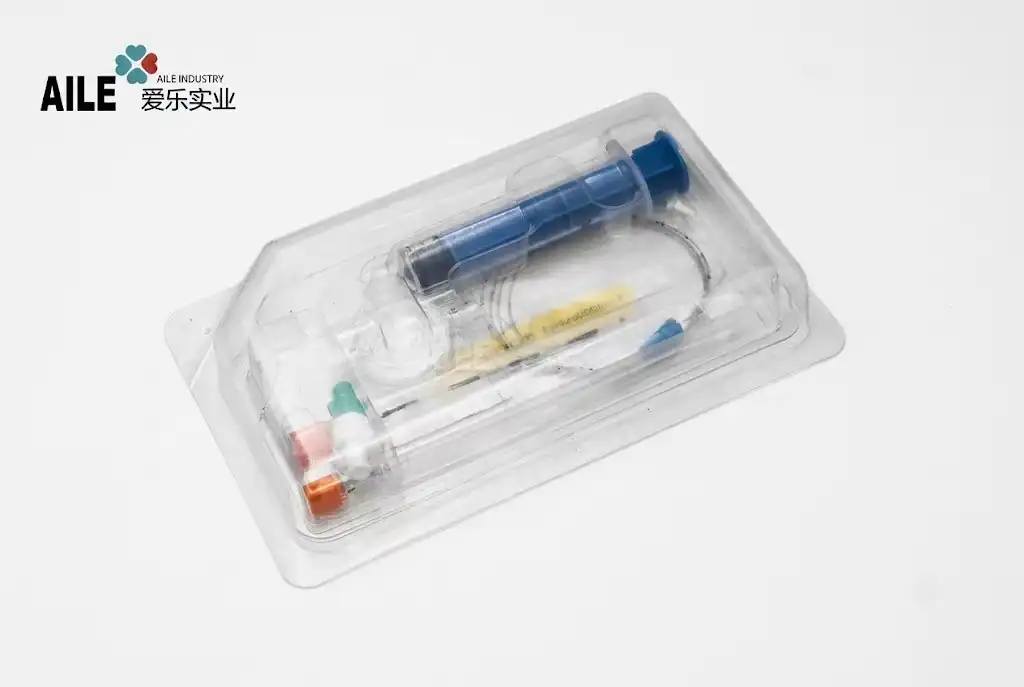
Introduction
Epidural anesthesia is very important for controlling pain during surgeries, births, and other medical treatments because it works very well and targets the pain. For procurement workers, knowing what epidural anesthesia kits are made of and how they work is important for making smart buying choices that put safety, quality, and cost-effectiveness first. The blog aims to provide a thorough summary for global B2B clients, making it clear what an epidural anesthesia kit comprises and giving useful advice on how to choose and obtain these kits to meet various clinical needs.
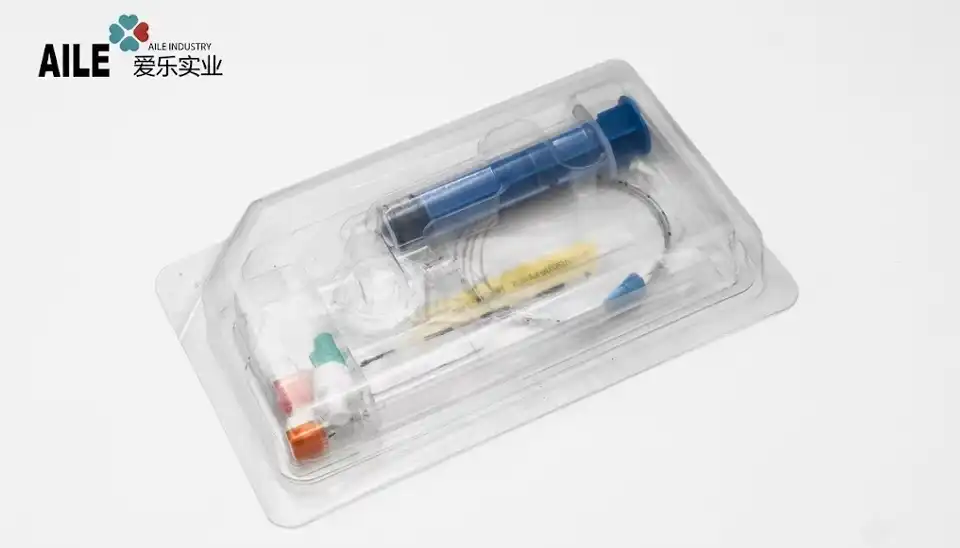
An epidural anesthesia kit is a specialized, germ-free medical procedure set made for putting regional anesthesia and painkillers into the spinal area. It usually comes with a Loss of Resistance (LOR) syringe, a bacterial filter, a Tuohy needle, an epidural tube with connection, and different tools for preparing the skin and fixing the needle. By offering a pre-tested, unified system, it gets rid of incompatible parts and shortens the time needed to get ready in emergency obstetric or surgery settings. It also addresses major pain points like accidental dural puncture and catheter movement during long infusions.
Understanding the Epidural Anesthesia Kit: Components and Their Functions
An epidural anesthesia kit is made up of several important parts that are meant to work together smoothly so that the anesthesia is delivered safely, sterilely, and effectively. Each part has been carefully designed to meet specific clinical needs while upholding the greatest standards of safety for patients and accuracy in procedures.
Core Components of the Kit
The main access tool is the Tuohy needle, which is usually found in sizes from 15G to 18G. AVACARE has high-quality 304 stainless steel needles in sizes 15G, 16G, 17G, and 18G, which make sure they last and are inserted correctly. The curved tip makes it easier to redirect the catheter, and the high-visibility depth marks help with correct placement. The catheter has a soft, non-abrasive tip with clear radiopaque lines that make it easy to see on an X-ray. This makes it less likely that tissue will be damaged during placement.
The Loss of Resistance syringe lets doctors find the epidural space using either air or saline. It does this by giving doctors physical feedback that is very important for placing the needle correctly. With pores that stay at a size of 0.22 μm, the bacterial filter gets rid of microbes and other particles during constant injection. This is especially important for long-term pain management plans after surgery.
Sterility and Safety Features
Each part of the kit comes separately sealed in a hard blister pack, which keeps it sterile while it's being shipped and stored. The 12,000-square-meter production base at AVACARE has 100,000-level clean rooms that make sure that every kit meets the strict ISO 13485 quality control standards. The built-in compatibility design gets rid of the chance of mismatched connections happening during important processes. This directly addresses buying worries about component interoperability and lowers the risk of procedure complications.
Single-Use Design Advantages
Today's epidural kits tend to be single-use, throwaway ones because they are much less likely to spread germs than reused ones. This method fits with how infection control is handled in surgical centers and intensive care units, where buying choices are based on a "zero tolerance" policy for quality events. The 10x10x5 cm single package size makes storage easier in hospital settings, and the 100,000-piece-per-week supply capacity makes sure that high-volume healthcare institutions can keep their inventory levels steady without having to worry about supply gaps.
How to Use an Epidural Anesthesia Kit: Step-by-Step Procedure and Safety Guidelines
From a purchasing point of view, knowing how the professional process works helps figure out how much epidural kits are worth. The usual process includes getting the patient ready, keeping the area clean, inserting the needle or catheter precisely, giving the drug under control, and then checking to see if it worked and was safe.
Patient Preparation and Positioning
The process starts with putting the patient in the right position. Usually, the patient is sitting or lying on their side, which makes it easier to reach the lower back. The clinical staff cleans the site of the injection with antiseptic solutions that come in the kit and sets up a sterile field with covers to lower the risk of infection. This is the first step that sets the stage for a successful epidural placement. It also shows why busy surgery centers prefer complete kits that come with all the necessary preparation materials.
Needle Insertion and Catheter Placement
The doctor moves the Tuohy needle through the skin, subcutaneous tissue, and tendons using the loss of resistance method until it reaches the epidural space. A well-designed kit cuts down on planning time by a large amount because it works more efficiently in the clinic. All the tools you need are in one clean tray in AVACARE's kits. This reduces the chance of cross-contamination and speeds up the process in emergency obstetric or surgery settings where time is of the essence.
Once the epidural space is known, the catheter is put through the needle and moved to the right level using the radiopaque lines to help. The needle is then carefully pulled out, leaving the tube in place and fastened with fixation devices that come with the kit. This unified method makes sure that no extra parts need to be bought separately, which makes purchasing easier and managing supplies easier.
Safety Monitoring and Post-Procedure Care
During the process, it is very important to follow strict safety rules. Neuraxial infections can be avoided by keeping everything completely clean, and unexpected dural puncture can be avoided by using careful techniques. Post-procedure monitoring includes checking the amount and effectiveness of painkillers, keeping an eye on vital signs, and keeping an eye out for possible problems like a catheter moving or a spinal hematoma forming. When buying things, these safety concerns should be taken into account, because kits that support clinical best practices through careful design lower procedure-related complications and improve patient results in the long run.
Comparing Epidural Anesthesia Kits: Choosing the Best Kit for Your Facility
To choose the best epidural anesthesia kit, you have to find a balance between the number of items included, the quality of the products, and the need to meet cleanliness standards. In different healthcare situations, the cost-effectiveness and infection control rules are affected by the differences between disposable and reusable choices.
Material Quality and Biocompatibility
When it comes to technology, a good kit is made with careful engineering and biocompatibility in mind. AVACARE uses 304 stainless steel for its needles so that they last as long as possible and don't rust. Medical-grade polyurethane or PEBAX is used for the catheters so that they are flexible but don't kink. All of the parts don't contain DEHP or latex and passed strict ISO 10993 biocompatibility testing, which meets the high standards of quality and safety officers who check seller certifications.
Disposable Versus Reusable Systems
Nowadays, most people choose to buy disposable epidural kits because they are better at preventing infections and don't require any extra cleaning. At first glance, reused systems may seem like a good deal, but the hidden costs of sterilization, quality control, and possible risk from not reprocessing properly often make them more expensive per unit than throwaway kits. Facilities that put patient safety and supply chain efficiency first are increasingly choosing single-use designs that get rid of all of these factors.
Brand Comparisons and Market Positioning
Leading names in the epidural kit market, like BD, Smiths Medical, B Braun, and Teleflex, each offer special features, such as different types of filters and their own designs for catheters. AVACARE comes into this market with clear advantages: it can customize products for both OEM and ODM customers, it has a low minimum order quantity of 5,000 pieces, and it offers sample support so that customers can test it in the clinic before buying a lot of it. The company has seven national patents, which shows that its research and development (R&D) team is dedicated to making new products that meet real-world healthcare needs.
Price Versus Quality Dynamics
If procurement managers want to cut costs without sacrificing safety, they should look at the total cost of ownership instead of just the unit price. Long-term value is affected by things like a stable supply chain, help with deliveries in a disaster, and thorough professional training. AVACARE's strong supply chain guarantee and 24-hour quick response system give procurement teams peace of mind that pressing orders will be met even when demand spikes unexpectedly. This is especially important for hospitals and surgical centers that can't have supply interruptions.

Procurement Insights: How to Buy Epidural Anaesthesia Kits Efficiently
Getting things from reliable suppliers and knowing how the market prices things and how to send them are important for efficient procurement. This part tells business-to-business buyers about reliable ways to get epidural anesthesia kits and the best ways to compare makers and sellers.
Identifying Reputable Suppliers
When you deal directly with makers, you can see the whole supply line and often get the best deals on large orders. Procurement officers should check foreign standards like ISO 13485, CE, and FDA compliance when looking at possible sellers. AVACARE's classification as a Class II tool and wide range of certifications show that they follow global regulatory standards. This makes it easier for foreign buyers to do compliance reviews.
Evaluating Supplier Capabilities
A supplier's production capacity has a direct effect on the stability of the supply, even if the product is certified. When a manufacturer can make 100,000 pieces per week, even big hospital networks or buying groups with multiple facilities can be sure of regular supply times. Geography is also important. Suppliers with well-established global logistics networks and transport insurance choices lower the risks of delays or damage during travel in international shipping.
Negotiating Bulk Orders and Customization
Different suppliers have different minimum order amounts. For example, AVACARE's 5,000-piece limit is low enough that it can be used by mid-sized hospital networks and wholesalers while still being appealing to bigger institutional buyers. Customization of packaging, language localization for multilingual manuals, and private labeling are all possible with OEM and ODM services. This is especially helpful for medical device distributors who sell to a wide range of customers or global healthcare aid organizations that send kits to many countries.
Cost-Benefit Analysis Framework
To do good buying, you need to look at more than just the unit cost. You need to look at the whole value offer. Technical training programs, product guides in multiple languages, demo videos, and support after delivery are all things that help with clinical acceptance. The hidden costs of working with suppliers who offer lower prices but poor service infrastructure are cut down by AVACARE's full-lifecycle support model, which includes professional expert advice and quick responses to quality issues. Batch tracking systems make sure that quality problems can be quickly found and fixed, which protects both patient safety and the institution's image.
Conclusion
Epidural anesthesia kits are an important part of modern pain control methods for surgeries, labor and delivery, and long-term pain. When choosing sources for these important medical supplies, procurement professionals have to weigh the quality of the parts, the supplier's dependability, the total cost of ownership, and the supplier's compliance with regulations. AVACARE's all-around approach—which includes 304 stainless steel construction, built-in compatibility for components, customizable options, and strong supply chain capabilities—meets the main needs of healthcare institutions, medical device distributors, and international groups looking for reliable partners. As healthcare systems around the world put more emphasis on both clinical results and operational efficiency, it becomes more important to choose providers that can show knowledge, quality assurance, and responsive service to protect patient safety and make the best use of resources.
FAQ
What are the main advantages of using pre-packaged epidural anesthesia kits?
With pre-packaged kits, you don't have to spend time getting different parts from different places. In busy clinical settings, this can cut preparation time by up to 40%. Integrated compatibility makes sure that all the parts work together without any problems, so there are no link problems that could put patients at risk. Sterile packaging keeps the integrity of the product throughout the supply chain, and including all the necessary tools makes it easier for hospital buying teams to keep track of their inventory.
How do disposable kits compare to reusable systems in terms of safety?
Cross-contamination risks are greatly reduced by disposable epidural kits, which do not have the reprocessing factors that come with reuse systems. Each kit is delivered germ-free and is thrown away after only one use, so there are no worries about not being germ-free enough or parts breaking down after multiple cleaning rounds. This method follows good practices for preventing infections and lowers the risk of lawsuits that hospitals and other medical facilities face when they clean important neuraxial equipment again.
Can epidural anesthesia kits be customized for specific clinical protocols?
AVACARE provides full OEM and ODM services that let customers choose their own parts, create their own packaging, and have product instructions translated into different languages. Healthcare organizations that follow strict clinical standards can work directly with the R&D team to create custom solutions that meet their specific needs. Sample support lets people test the kits in a hospital setting before placing big orders. This makes sure that the customized kits work as planned in real-life situations.
Partner with AVACARE for Reliable Epidural Anesthesia Kit Supply
AVACARE is ready to help you with your purchasing needs by providing you with high-quality epidural anesthesia kits that are both clinically excellent and reliable in the supply chain. We have been making epidural anesthesia kits since 2014 and have ten years of experience making medical supplies. Our ISO 13485 certification and seven national patents show that we are committed to innovation. Our 100,000-level clean rooms and 12,000-square-meter production center make sure that the quality of every batch is the same. Whether you need standard setups or OEM solutions that are tailored to your needs with private labeling, our team can help you with all of your technical questions and get back to you quickly. Email us at admin@aileindus.com right now to talk about your unique needs, ask for samples, or get cheap quotes for large orders. Let us help you get a steady supply of high-quality spinal anesthesia options that meet the strict requirements of your institution.
References
1. Miller, R.D., Eriksson, L.I., Fleisher, L.A., Wiener-Kronish, J.P., and Young, W.L. (2015). Miller's Anesthesia, 8th Edition. Philadelphia: Elsevier Saunders.
2. Hadzic, A. (2017). Hadzic's Textbook of Regional Anesthesia and Acute Pain Management, 2nd Edition. New York: McGraw-Hill Education.
3. Cousins, M.J., Carr, D.B., Horlocker, T.T., and Bridenbaugh, P.O. (2009). Cousins and Bridenbaugh's Neural Blockade in Clinical Anesthesia and Pain Medicine, 4th Edition. Philadelphia: Lippincott Williams & Wilkins.
4. International Organization for Standardization (2016). ISO 13485:2016 Medical Devices – Quality Management Systems – Requirements for Regulatory Purposes. Geneva: ISO.
5. American Society of Anesthesiologists Task Force on Obstetric Anesthesia (2016). Practice Guidelines for Obstetric Anesthesia: An Updated Report. Anesthesiology, 124(2), 270-300.
6. Rathmell, J.P., and Neal, J.M. (2012). Complications in Regional Anesthesia and Pain Medicine, 2nd Edition. Philadelphia: Elsevier Saunders.
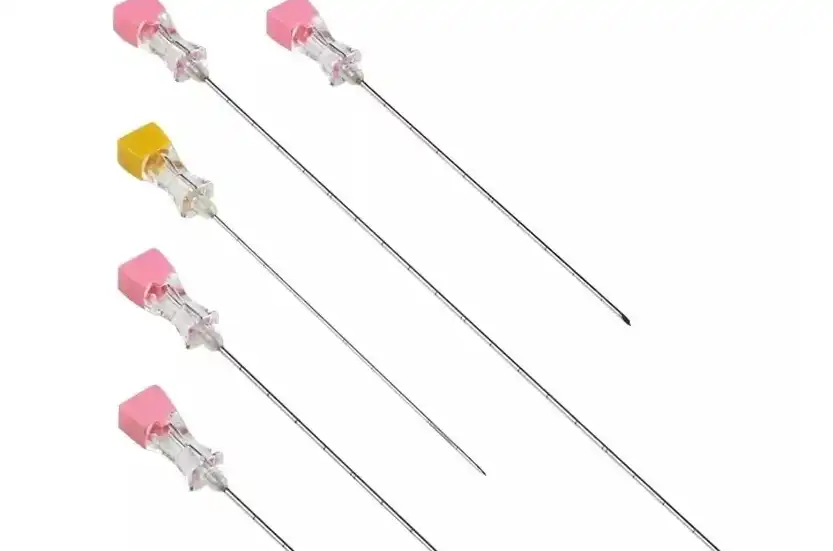
When anesthesiologists and procurement managers look at the best spinal needles for pain control in 2026, the pencil-point spinal needle comes out as the clear winner. Pencil-point spinal needles have a non-cutting conical tip that gently splits rather than severs dural nerves. This makes it much less likely that someone will get headaches after a spinal puncture and ensures that the sedative is delivered precisely. This new idea has changed how regional anesthesia is used in childbirth, orthopedics, and outpatient surgery.
Introduction
Picking the correct pencil-point spinal needle is more than just a regular purchase choice; it has a direct effect on how quickly patients heal, how many complications they have, and the clinician's image. Due to their atraumatic design, which handles one of the most chronic problems in spinal procedures, post-dural puncture headaches, pencil-point spinal needles have become the gold standard in neuraxial anesthesia over the past ten years.
As 2026 goes on, procurement leaders are under more and more pressure to find a mix between cutting costs and maintaining high quality standards. When putting in a needle, clinical directors want needles that give regular tactile feedback, and compliance officers look very closely at certifications and tracking systems. This guide is for people who make decisions and know that choosing the right pencil-point spinal needle protects both patients and the reputation of the organization. We will talk about product features, comparing products, buying strategies, and best practices to help you make buying choices that are based on facts, clinical excellence, and your budget.
Understanding Pencil-Point Spinal Needles: Features and Benefits
What Sets Pencil-Point Design Apart
Pencil-point spinal needles are different because their tips are tapered and don't hurt when they touch the skin. Traditional Quincke needles have a cutting edge that cuts through dural fibers, making bigger holes that heal slowly and let cerebrospinal fluid leak out. Some pencil-point spinal needles, like the Whitacre and Sprotte types, separate the fibers without cutting them. This lets the wound close quickly after the needle is taken out.
This new idea in design has real health benefits. Studies show that pencil-point spinal needles are up to 70% less likely to cause headaches after a spinal puncture than cutting-tip needles. Patients have less pain after surgery, stay in the hospital for shorter periods of time, and get back to normal routines faster. These results are highly supported by quality metrics and patient happiness scores.
Core Clinical Advantages
There are several ways that the pencil-point spinal needle shape makes the user more comfortable. The lateral side-port, which is close to the tip, makes sure that the medicine is evenly distributed in the subarachnoid space while lowering the risk of touching nerve tissue. Clinicians like how the needle makes a clear "pop" sound when it goes through the dura. This lets them know right away that they've placed the needle correctly and cuts down on the number of times they have to try.
Another benefit is that cerebrospinal fluid flashback observation can be done quickly. Modern designs have hubs made of crystal-clear polycarbonate that lets doctors see CSF overflow right away. This cuts down on treatment time and patient worry. The medical-grade SUS304 stainless steel used to make the cannula's smooth surface means that there is little pressure during entry. This means that tissue is less likely to be damaged and infections are less likely to happen. All of these qualities make pencil-point spinal needles the best tool for high-volume surgery centers and ambulatory facilities because they speed up procedures and improve patient results.
Comparing Pencil-Point Spinal Needles with Other Types
Design Differences and Clinical Implications
Knowing about the different types of needles helps buying teams make smart choices. Quincke needles have a sharp, cutting edge that is meant to quickly penetrate the dura, but their aggressive design breaks up the dural fibers more. On the other hand, pencil-point spinal needles have a smooth tip with a hole in the side. This gently separates threads and makes the puncture smaller.
Whitacre needles are a common type of pencil-point spinal needle that has a side port slightly behind the tip. This makes drug delivery better and reduces the risk of tissue coring. Sprotte needles have a bigger side port hole, which speeds up CSF flashback but needs to be handled carefully so the stylet doesn't move. It is important to choose designs that are right for the process because Tuohy needles, which are often used for epidural anesthesia, have a bent Huber tip that makes them unsuitable for subarachnoid placement.
Gauge, Length, and Bevel Considerations
The needle size has a direct effect on both the success of the procedure and the patient's result. Smaller sizes (25G–27G) lower the risk of PDPH even more, but they need more force to be inserted and may make tactile input worse. Larger gauges (20G–22G) allow for faster CSF flow and drug input, but they also cause more damage to the dura mater. Most pain treatment plans recommend 25G needles because they are the safest and easiest to use.
The needle length needs to fit the patient's body and the way the procedure is done. Standard 90 mm lengths are good for most lumbar punctures in adults, while shorter lengths are better for kids or people with little subcutaneous tissue. It is very important to make sure that product standards are in line with clinical practices because bevel design affects insertion resistance and tissue displacement patterns. Clinical directors should work with procurement teams to create standard product packages that meet the needs of a wide range of procedures without making the inventory more complicated.
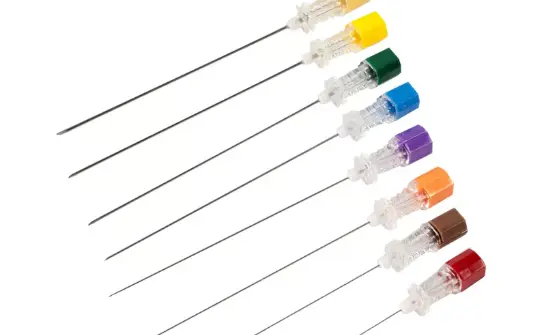
2026's Top Pencil-Point Spinal Needle Options for ProcurementMarket-Leading Manufacturers and Product Profiles
The global spinal needle market is dominated by a few well-known companies, each with their own unique value offers. BD (Becton, Dickinson and Company) has a strong reputation for consistently high-quality manufacturing and thorough regulatory paperwork. This makes their goods very appealing to institutions that focus on compliance. Terumo focuses on advanced polymer hub technology that makes it easier to see CSF, while Pajunk has built its name on precise production and packaging that is easy for doctors to use.
New sellers from well-known medical manufacturing hubs are also becoming popular because they offer low prices without lowering quality. This trend is shown by AVACARE, which was formed in 2014 and combines ISO 13485 certification with a variety of customization options that meet the needs of large buyers. Their range of products comes in normal 90 mm lengths and sizes from 18G to 27G. They are made from medical-grade PVC that is safe for the environment and stainless steel. The main worry of anesthesiologists is PDPH reduction, which is achieved by their non-cutting pencil-point spinal needle design. Additionally, their crystal-clear hub design speeds up CSF flashback observation, which is especially useful during busy surgery schedules.
Essential Purchasing Criteria for Procurement Teams
When choosing spinal needle providers, procurement managers need to look at more than just the unit price. Gauge variety lets clinical teams match the right needle specs to the type of treatment and the patient's health. For sterility assurance, providers must show that they have strong quality control systems that include being able to track batches and using approved sterilization methods.
Packaging issues have a direct effect on how efficiently the operating room works. Individual clean bags with clear labels cut down on the time needed to prepare food and the chance of contamination. Single-use disposable needles get rid of the costs and worries about infection control that come with recycling. However, they need a stable supply chain to keep them in stock during times of high demand.
Procurement Logistics and Cost Management
Buying things in bulk can save you a lot of money and keep your supply stable. Different manufacturers have different minimum order quantities. For example, AVACARE has a 5,000-unit minimum order quantity that is a good fit for how much mid-sized surgery centers use each year. Sample support programs let healthcare teams test how well a product works before placing a big order, which lowers the risk of procurement.
When you're in charge of capital spending, payment freedom is important. Suppliers who give both a letter of credit and telegraphic transfer can work with a variety of institutional financial processes. Production lead times are usually between 30 and 45 days, so procurement planners have to keep strategic inventory gaps that balance the costs of having stock against the risk of running out of it. Custom branding lets healthcare systems make sure that products are identified the same way on all of their sites. This improves visibility in the supply chain and makes it easier to restock supplies.
Ensuring Safe and Effective Use of Pencil-Point Spinal Needles
Best Practices for Needle Insertion
For spinal anesthesia to work, the patient must be properly positioned, and physical landmarks must be identified. When using the lumbar approach, the L3-L4 or L4-L5 interspace is usually the goal. This can be found by feeling the iliac crests and finding the matching spinous processes. It is necessary to use sterile techniques, and skin preparations based on chlorhexidine work better against germs than povidone-iodine liquids.
The midline method or the paramedian technique should be used for needle insertion, based on the patient's body and the doctor's choice. Pencil-point spinal needles give clear physical feedback that helps confirm dural puncture without having to try again and again. Slow, controlled movement keeps tissue damage to a minimum and patient pain to a minimum. Continuous monitoring of the hub for CSF flashback ensures the right placement of the subarachnoid space.
Mitigating Complications Through Design Advantages
Nerve damage, infections, and epidural hematomas are all common side effects of spinal anesthesia, but they don't happen very often if the right techniques are used. Because they don't hurt as much, pencil-point spinal needles reduce some of these risks. The lateral side-port lowers the risk of direct nerve touch during medicine injection, and the smooth surface of the cannula keeps tissues from being damaged in ways that bacteria could use as entry points.
Techniques for reducing pain include changes to both the shape of the needle and the way it is used. A local anesthetic is injected at the site of the injection; midazolam is used a lot to calm the patient down, and the patient is kept informed throughout the operation. Good pencil-point spinal needles have a smooth side hole that makes sure that medicine is spread evenly without causing high-pressure jets that could irritate nerves. These methods show how choosing the right tools and using the right clinical technique can work together to help patients get the best results.
Conclusion
The development of pencil-point spinal needle technology has made pain treatment much safer and more effective. Pencil-point spinal needle shapes are now the usual way to reduce headaches after a spinal puncture while still delivering anesthetic precisely. As you look at your choices for the procurement cycles in 2026, give more weight to providers who can show that they have a wide range of quality certifications, can customize products easily, and have a stable supply chain. The right needle choice keeps patients safe, promotes professional excellence, and provides measured value in terms of cost, results, and patient happiness. Buying high-quality atraumatic needles isn't just a purchase choice; it's a strategic move to raise standards in the school and improve the level of care for patients.
FAQ
What gauge size works best for pain management procedures?
Most pain management plans use 25G pencil-point spinal needles because they are the best mix between lowering the risk of PDPH and speeding up the procedure. Smaller sizes (27G) have slightly lower rates of headaches, but they need more force to be inserted and may make tactile input less accurate. When you use larger sizes (22G–23G), you can inject medicine faster, but you also cause more damage to the dura mater. The final choice should be based on clinical opinion and the patient's data.
Can pencil-point needles be used across all anesthesia procedures?
Pencil-point spinal needles are made for diagnostic lumbar punctures and subarachnoid anesthesia. They can't be used for epidural anesthesia because that needs Tuohy needles with their bent tips. Combining spinal and epidural methods may work, but it depends on how the kit is set up and how the procedures are done.
How can procurement teams verify product authenticity and quality?
Ask for a lot of paperwork, like ISO 13485 certificates, CE or FDA approvals, and sterile test results that are special to the batch. Reliable sellers offer sample units so that you can test them in a laboratory setting before you buy in bulk. Check the standards of the manufacturer's production plant and ask for on-site audits if the amount of purchases supports the cost. Traceability systems that connect lot numbers to production times and quality control records show that suppliers are serious about being open and responsible.
Partner with AVACARE for Your Spinal Needle Procurement Needs
With our full range of pencil-point spinal needle options, AVACARE is ready to support your institution's dedication to professional quality. Our factory is CE and ISO 13485 certified, and it has strict quality control as well as a lot of customization choices, such as the ability to add your own label and localize the package to fit your needs. As a provider of only pencil-point spinal needles, we keep production lead times at 30–45 days and offer sample support to make sure the product meets your clinical standards before you order in bulk. With a minimum order number of 5,000 units, we can work with mid-sized healthcare systems and still offer reasonable prices thanks to economies of scale. Email our team at admin@aileindus.com to get example kits, talk about custom branding options, or get detailed quotes that fit your budget and schedule for purchase.
References
1. American Society of Anesthesiologists Task Force on Neuraxial Anesthesia. Practice advisory for the prevention, diagnosis, and management of infectious complications associated with neuraxial techniques. Anesthesiology, 2023.
2. Reynolds, F. Dural puncture and headache: avoid the first but treat the second. British Medical Journal, 2022.
3. Horlocker TT, Vandermeuelen E, Kopp SL, et al. Regional anesthesia in the patient receiving antithrombotic or thrombolytic therapy: American Society of Regional Anesthesia and Pain Medicine evidence-based guidelines. Regional Anesthesia and Pain Medicine, 2024.
4. Turnbull DK, Shepherd DB. Post-dural puncture headache: pathogenesis, prevention, and treatment. British Journal of Anaesthesia, 2021.
5. Bader AM, Tsen LC, Camann WR, et al. Clinical effects of subarachnoid injection of preservative-free morphine in obstetric anesthesia. Anesthesiology, 2023.
6. Sng BL, Lim Y, Sia AT. An observational prospective cohort study of incidence and risk factors for post-dural puncture headache in a South-East Asian parturient population. BMC Anesthesiology, 2022.
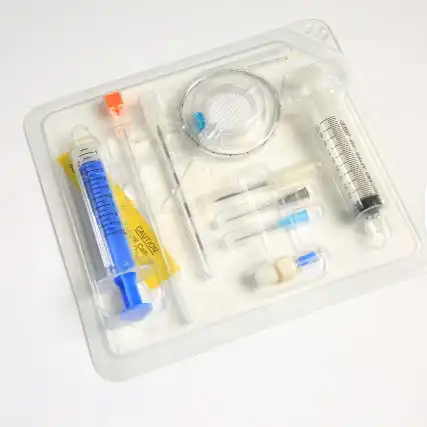
During labor, an epidural anesthesia kit is used because it relieves pain effectively and continuously while still letting moms stay awake and involved in the birth. This special medical tool puts regional anesthesia into the epidural space around the spinal cord. This blocks pain signals from the lower body without making the person lose consciousness or their ability to push during delivery. The combined design of the kit makes sure that it is safe to use, that the dose is managed, and that there are few side effects for both the mother and the baby. This makes it the gold standard for labor analgesia in modern obstetric care around the world.
Introduction
Epidural anesthesia kits have changed the way labor pain is managed, making it easier for moms to stay comfortable while still being involved in the delivery. These sterile, precisely designed systems provide targeted pain relief while still respecting the mother's right to choose and the needs of professional safety. It is important for procurement managers, clinical directors, and medical device distributors to understand the technical details and clinical reasoning behind these kits so they can make purchases that balance quality, legal compliance, and operating efficiency. One of the most popular reasons for neuraxial treatments around the world is labor analgesia. In many U.S. hospitals, over 70% of women who are laboring ask for epidurals. This guide answers the basic question of why epidural anesthesia kits are so important in labor rooms and gives useful information for business people looking for trustworthy, approved options that meet global standards and help mothers have the best possible results.
Understanding the Role of Epidural Anesthesia Kits in Labor
Defining the Epidural Anesthesia Kit and Its Purpose
For giving regional anesthesia into the epidural space, the Epidural Anesthesia Kit is a complete, clean procedure set that includes all the necessary parts. This part of the body is just outside the dura mater that surrounds the spinal cord. This means that local anesthetics can stop nerve signals without going through the cerebrospinal fluid. During labor, this method provides constant pain relief that can be changed as contractions get stronger. This solves the unique problem of dealing with long-lasting pain that changes in intensity and can last for hours.
How Epidural Analgesia Improves Labor Outcomes
Clinical proof shows that epidural anesthesia given correctly lowers a mother's stress hormones by a large amount. This can improve blood flow to the uterus and oxygenation to the baby. Instead of systemic opioids, which can cross the placental barrier and slow down the baby's breathing, epidural methods focus the medication's effects on the mother's brain. The controlled delivery system lets anesthesiologists change the doses as labor stages progress, making sure that the patient gets enough pain relief while keeping the motor skills they need to push during the second stage. This balance makes moms happier, lessens the stress of giving birth, and helps labor continue naturally when handled by trained professionals.
Medical Indications and Patient Suitability
Epidural analgesia is recommended for women who are in mild to serious labor pain and want to use medicine to help. Some medical situations where epidurals are especially helpful are when labor lasts a long time and pain needs to be managed continuously, when a pregnancy is high risk and the baby's heart rate needs to be closely watched, and when a planned surgery needs to be done and regional anesthesia is better than general anesthesia. Some things that make it not a good idea are a patient who doesn't want to go through it, coagulopathy, an infection at the site of insertion, serious hypovolemia, and some brain conditions. To understand the kit's role in full obstetric processes, procurement teams need to know these clinical factors.
Key Components and Features of Epidural Anesthesia Kits for Labor
Essential Components for Safe Neuraxial Access
Knowing how an epidural anesthesia kit works helps people who buy things decide if the product is good quality and will work in a hospital setting. The following parts work together to make sure the procedure goes well:
• The Tuohy needle, which is usually between 16G and 18G, has a bent Huber-point tip that makes it easier to thread the catheter and lowers the risk of puncturing the dura mater. Medical-grade 304 stainless steel needles in different gauges (15G, 16G, 17G, and 18G) are used in AVACARE's kits to suit different patient anatomy and physician preferences. The epidural catheter is made of bendable but not kink-prone materials like polyurethane. It also has radio-opaque depth marks that let an X-ray check that the placement was correct. The improved safety catheter from AVACARE has a soft, atraumatic tip that protects tissue while it is being inserted and clear marks that make it easy to place precisely.
• The Loss of Resistance (LOR) syringe is the main tool for finding the opening in the epidural space. It does this by giving physical input when saline or air meets the normal pressure drop. Bacterial filters with pores that are 0.22 μm in size keep microbes from getting into the system during continuous infusion, and connection parts make sure that medicine doesn't leak out. AVACARE kits have carefully designed parts that work with each other, so there are no mismatched links that could put the patient's safety at risk during important treatments.
Quality Standards and Sterility Assurance
Labor and delivery rooms must be completely germ-free because some women giving birth are vulnerable, and spinal space infections can have terrible effects. The rules for making things are set by international standards such as ISO 10993 for biocompatibility and ISO 10555 for catheter function. AVACARE follows strict ISO 13485 quality control systems and keeps its CE/FDA licenses, which make sure that each kit goes through strict testing procedures. Individual hard package packaging keeps parts clean for as long as the product is on the shelf, and materials that are DEHP- and latex-free keep allergic reactions to a minimum. Testing for ethylene oxide residues shows that neurotoxicity is prevented and amounts are kept below the 10 ppm safety limits.
Disposable Kit Advantages in Obstetric Settings
In modern obstetrics, disposable epidural anesthesia kits are the norm because they are better at preventing infections, don't cost anything to reprocess, and ensure that all of their parts will work properly for every operation. The single-use plan stops the chance of cross-contamination between patients, which is very important because healthcare-associated infections are getting more attention. AVACARE can give up to 100,000 pieces per week, so hospitals can keep enough inventory without worrying about the storeroom. The small size of a single package (10x10x5 cm) also makes storage more efficient. The known cost per process of disposable systems is preferred by procurement managers compared to reusable equipment that needs to be maintained, sterilized, and eventually replaced because it wears out.
The Epidural Anesthesia Kit Procedure: Step-by-Step for Labor Pain Relief
Pre-Procedure Preparation and Staff Competency
A successful epidural anesthesia kit delivery starts a long time before the needle is put in. Clinical teams have to make sure that the patient gives informed consent, check for any possible side effects, set up an IV line so that the patient can get water and emergency medicine, and make sure that the patient is in the right position, which is usually sitting or lying on their side with their back arched. Staff training that follows WHO safe surgery standards and the hospital's own rules makes sure that everything is the same across shifts and doctors. AVACARE supports clinical expertise by providing a wide range of technical training materials, such as bilingual lesson plans and support for live demonstrations that cover the specifics of labor analgesia procedures.
Insertion Protocol and Real-Time Monitoring
To do the procedure, a clean area is prepared, a local anesthetic is injected at the desired interspace (usually L3-L4 or L4-L5), a Tuohy needle is advanced using the loss of resistance technique to find the epidural space, a catheter is threaded through the needle and into the epidural space (usually 4-6 cm), the needle is removed while the catheter is secured, and a test dose is given to rule out intrathecal or intravascular placement. During the injection and following analgesic infusion, the mother's vital signs are continuously monitored to find any signs of low blood pressure. At the same time, the baby's heart rate is monitored to find any troubling patterns that need to be addressed. With all of the tools grouped in a single clean tray, AVACARE kits are designed to be as clinically efficient as possible. This cuts down on preparation time and the risk of contamination during these time-sensitive procedures.
Post-Procedure Care and Safety Protocols
After an epidural is successfully placed, the patient's ongoing care includes checking how well the analgesic is working, keeping their motor and cognitive functions, checking the catheter site for movement or leaks, and moving the mother's position to avoid blocking one side. Recording the depth of the catheter, the medicines given, and the mother's reactions produces the traceability that is needed for quality control and medical malpractice protection. An aseptic approach and a visual check of the catheter tip are needed to make sure that the removal process is complete after delivery. Standardized routines lower the number of complications and help make sure that procedures are always done the same way in busy labor rooms. This makes kit selection choices that favor ease of use and clear component identification very important.
How to Select the Best Epidural Anesthesia Kit for Your Institution's Labor Needs
Evaluation Criteria for Procurement Decisions
To choose the best epidural anesthesia kit, you need to look at it from many angles, including how well it works in the clinic, how well it meets regulations, how much it costs, and how reliable the supply chain is. Checking the certifications is the first step in judging quality. For example, CE marking is used for European markets, FDA clearance is used for U.S. sales, and ISO 13485 compliance shows that the production quality systems are strong. AVACARE keeps these official certifications and seven national patents, which show that it can come up with new ideas and understands regulations. Professionals in procurement should compare the qualities of the needle (such as tip geometry and depth marks), the catheter (such as its flexibility, resistance to kinks, and visibility), and the filter (such as pore size and flow rates) with what the clinical team wants and what the patient group is like.
Comparing Epidural and Spinal Techniques
Even though both epidural anesthesia kits and spinal anesthesia involve delivering drugs to the spinal cord, they are used in very different ways in childbirth. Spinal anesthesia gives a quick-onset, thick numbness that works well for cesarean sections but only lasts for a short time without a catheter being put in. Epidural methods offer titratable, long-lasting pain relief, which is perfect for labors that last a long time or a short time. The anesthesia can be made stronger if surgery is needed to deliver the baby. By knowing these differences, schools can make sure they have the right tools for a wide range of clinical situations. A lot of hospitals keep epidural and spinal kits separate, but for some clinical practices, combined spinal-epidural (CSE) kits meet both needs in one package.
Procurement Strategies and Supplier Partnership
When you buy something, you should think about how reliable the product is, how quick the seller is, and how well the logistics work. AVACARE's minimum order number of 5,000 pieces is good for big hospital systems and distributor networks that want to save money by buying in bulk. Sample support lets doctors test the products before making a full commitment. OEM and ODM features let wholesalers build a brand identity through private labeling, and they can also customize packages to meet language or formulary standards in different regions. Supply chain security is very important when volume changes, which is why AVACARE's promise to produce 100,000 pieces per week and respond quickly are such useful differentiators. Supply interruptions that could hurt patient care can be avoided with global logistics tools like emergency delivery standards and shipping insurance.
Ensuring Safety and Managing Potential Complications of Epidural Anesthesia in Labor
Common Complications and Mitigation Strategies
Even though epidural anesthesia kit treatments have high safety ratings, they do have risks that need to be carefully managed and prevented. Post-dural puncture headaches (PDPH) happen when the dura membrane perforates accidentally. This happens in about 1% of maternal epidurals and causes serious positional headaches that need treatment ranging from conservative care to epidural blood patches. PDPH has become less common since needles have been made with pencil-point tips and smaller sizes. Ten to thirty percent of people with sympathetic blockage develop low blood pressure in the mother. This can be treated by putting fluids into an IV, moving the uterus to the left, and, if needed, giving a vasopressor.
Epidural abscesses and meningitis are two rare but possibly deadly infections that can happen during surgery if aseptic methods are followed. Most of these risks can be avoided by following strict sterile processes and using bacterial screens. Problems with the catheter, such as movement, kinking, or breaking, can lower the quality of the analgesia or make it harder to remove. The improved safety catheter design from AVACARE, which has soft tips and clear depth marks, solves these issues by making it easier to handle and confirm placement.
Regulatory Compliance and Continuous Quality Improvement
To keep patients safe, you have to keep up with government standards, staff training, and keeping an eye on results. Rules set by professional groups like the American Society of Anesthesiologists and the Society for Obstetric Anesthesia and Perinatology should be followed by institutions. Batch tracking systems make it possible to act quickly if problems arise with the quality of a product, and reporting bad events helps the whole industry keep an eye on safety. AVACARE's quality management system meets these needs by providing detailed documentation, keeping track of lots, and quick technical help through specific methods.
Clinical audit programs that look at complication rates, patient happiness scores, and procedural efficiency metrics find ways to make things better and back up choices about what tools to use. Partnerships with makers that offer training materials, up-to-date clinical guidance, and technical advice improve the safety mindset of institutions in more ways than just buying products.
Conclusion
Epidural anesthesia kits are still very important in modern maternity care. They have changed the way labor pain is managed by providing safe, effective, and readjustable analgesia that supports the mother's choices while supporting the body's natural delivery processes. Knowing the parts of a kit, the steps that need to be taken, and safety concerns helps procurement pros make smart choices that combine clinical excellence with operational efficiency. To meet the strict needs of healthcare institutions around the world, AVACARE's complete epidural solutions include precise engineering, international certification compliance, and a reliable supply chain. Hospitals and wholesalers make sure their obstetric teams always have the tools they need to provide excellent care to mothers by choosing partners who are committed to quality, innovation, and quick service.
FAQ
Can Epidural Anesthesia Kits Be Reused Safely?
Modern epidural anesthesia kits are made to be used only once. This is done to avoid cross-contamination risks and make sure that each operation uses only original parts. Reprocessing lowers the cleanliness of items, makes needles less sharp, and makes catheters less flexible, all of which pose unacceptable risks to patient safety. Regulatory bodies and professional groups all say that throwaway neuraxial equipment is the best way to go. In modern maternal anesthesia, single-use kits are the norm.
What Training Do Clinical Teams Require for Epidural Administration?
For epidural placement, you need special training, which is usually given during a residency in anesthesia or an advanced nursing school. Competency development includes learning about anatomy, practicing procedures with a supervisor, recognizing and dealing with complications, and keeping up with your skills through regular clinical practice. Institutions should check the qualifications of providers, keep procedure logs that show how much experience each person has, and offer ongoing education that covers new techniques and safety rules.
How Do Procurement Teams Verify Supplier Quality Assurance?
Checking the quality starts with looking at the certifications (ISO 13485, CE, FDA), then the standards, testing methods, and traceability systems for the manufacturing site. By asking for samples, you can do a scientific review of a product before buying a lot of it. More confidence comes from supplier audits, checking references with current customers, and judging how quickly technical help responds. The most reliable basis for quality assurance is long-term relationships with clear lines of contact and proof of regulatory compliance.
Partner with AVACARE for Superior Epidural Anesthesia Solutions
AVACARE has Class II epidural anesthesia kits that are safe, reliable, and good for clinical performance and are ready to meet your institution's labor pain needs. We have been making epidural anesthesia kits since 2014 and use ISO 13485-certified production methods. We also offer full technical support and a variety of OEM/ODM customization options. Our carefully designed parts, such as 304 stainless steel Tuohy needles in different gauges, improved safety catheters with non-atraumatic tips and radiopaque markings, and built-in compatibility that gets rid of connection mismatches, give you the quality your clinical teams need and the consistency your procurement strategy needs. With the ability to make more than 100,000 units per week, a strong foreign logistics system, and service that is available 24 hours a day, 7 days a week, AVACARE makes sure that the supply chain stays stable even during times of high demand. Email our team at admin@aileindus.com to talk about your specific needs, ask for samples to be tested in a clinical setting, or get full quotes that show how our competitive value proposition can help healthcare centers provide excellent maternal care.
References
1. Reynolds, F. Labor analgesia and the baby: Good news is no news. International Journal of Obstetric Anesthesia, 2011, 20(1): 38-50.
2. American Society of Anesthesiologists Task Force on Obstetric Anesthesia. Practice Guidelines for Obstetric Anesthesia: An Updated Report. Anesthesiology, 2016, 124(2): 270-300.
3. Comparative Obstetric Mobile Epidural Trial (COMET) Study Group UK. Effect of low-dose mobile versus traditional epidural techniques on mode of delivery: a randomized controlled trial. The Lancet, 2001, 358(9275): 19-23.
4. Hawkins JL, Bucklin BA. Obstetrical Anesthesia. In: Barash PG, Cullen BF, Stoelting RK, editors. Clinical Anesthesia, 8th edition. Philadelphia: Wolters Kluwer; 2017. p. 1144-1177.
5. Simmons SW, Taghizadeh N, Dennis AT, Hughes D, Cyna AM. Combined spinal-epidural versus epidural analgesia in labor. Cochrane Database of Systematic Reviews, 2012, Issue 10. Art. No.: CD003401.
6. Pan PH, Bogard TD, Owen MD. Incidence and characteristics of failures in obstetric neuraxial analgesia and anesthesia: A retrospective analysis of 19,259 deliveries. International Journal of Obstetric Anesthesia, 2004, 13(4): 227-233.
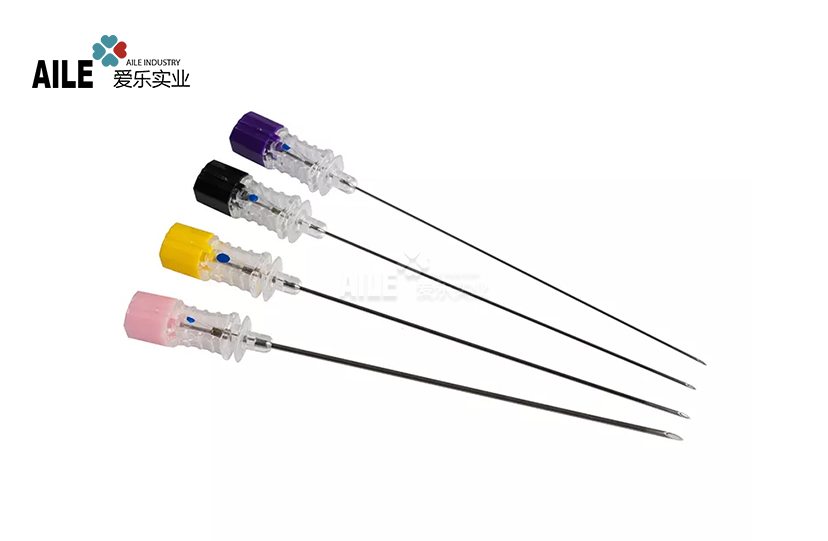
Choosing the right pencil-point spinal needle is a key part of getting better results from regional anesthesia. These specialized tools have a direct effect on how safe patients are, how quickly procedures are completed, and how much they cost. Unlike regular needles with cutting tips, the pencil-point design greatly lowers the number of headaches that happen after a dural puncture. This is because it separates dural fibers instead of cutting them, which speeds up mending and reduces cerebrospinal fluid leaks. This decision affects not only the instant success of the procedure but also how long it takes for patients to recover, how often they have to go back to the hospital, and how efficiently resources are used. Medical procurement professionals, such as device buyers, clinical directors, and quality compliance officers, need to know how needle selection fits in with institutional protocols, patient demographics, and supply chain stability needs in order to provide the best care and stay within budget in surgical centers and ambulatory facilities.
Understanding Pencil Point Spinal Needles and Their Design Features
The tech behind pencil-point spinal needles is a big step forward in making medical instruments that don't hurt people. These tools have a carefully shaped, non-cutting tip that separates tissue instead of cutting through it. This is very different from regular Quincke needles, which have sharp, serrated edges. In practical terms, this difference is important because the rounded shape protects the dura mater's internal integrity, making it easier for puncture sites to close up after the needle is removed.
The Anatomical Advantages of Non-Cutting Geometry
Whether the conical tip is designed using Whitacre or Sprotte principles, it gives a unique tactile feedback during entry, giving doctors the well-known "pop" sound when it penetrates the dura. This proprioceptive signal helps with exact subarachnoid placement, which lowers the risk of having to try more than once and the problems that come with that. According to research, wound sites caused by pencil-point spinal needle shapes are less likely to become inflamed than those caused by cutting shapes.
Gauge Selection and Clinical Performance
With gauge values from 18G to 27G, you can make changes based on the needs of the procedure. Larger gauges (18–22G) make it easier to collect cerebrospinal fluid more quickly for testing reasons. On the other hand, smaller gauges (24–27G) greatly reduce the number of headaches that happen during mobile surgery and labor and delivery. The normal length of the AVACARE Pencil-point spinal needle is 90 mm, and the sizes range from 18G to 27G. The needle is made from medical-grade PVC and stainless steel to meet a variety of clinical needs. The ultra-clear hub design lets you see CSF flashback right away, which speeds up the procedure and boosts your faith in the placement.
Material Science and Structural Integrity
The construction materials have a direct effect on how well the needle works. High-tensile 304 medical-grade stainless steel is stiff enough to get around hardened muscles in older patients while still being flexible enough to avoid damaging tissues. The smooth surface of the cannula makes it easier to enter, and the polished side port makes sure that the anesthetic is spread evenly throughout the subarachnoid space. All of these technical factors work together to lower the chance of nerve tissue damage while keeping the structure strong in high-pressure areas like the spine.
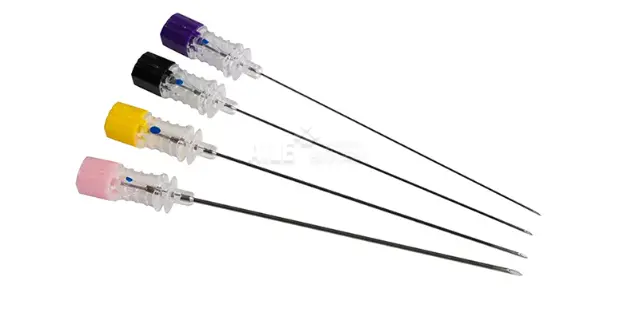
Key Factors to Consider When Choosing a Pencil-Point Spinal Needle
When making a procurement choice, you need to carefully look at a number of interdependent variables that affect the long-term worth and clinical usefulness of the item. In addition to the initial unit price, the total cost of ownership includes things like the number of complications, how satisfied patients are with the treatment, how much staff training is needed, and how much it costs to follow all the rules.
Clinical Safety Profiles and Patient Outcomes
Compared to cutting options, clinical evidence regularly shows that pencil-point spinal needles greatly lower the number of headaches that happen after a spinal puncture. Studies with pregnant women show that the rate of PDPH drops from about 5–10 percent with Quincke needles to less than 2 percent with pencil-point designs of the same size. This drop directly leads to fewer unplanned hospital stays, less painkiller use, and better bonding between mother and child after cesarean birth. The design that doesn't cut is also good for older orthopedic patients getting hip replacements, because the better tactile feedback helps anesthesiologists better manage the complicated spine anatomy.
Regulatory Compliance and Quality Certifications
When buying medical devices, strict checks must be made to make sure they are approved by regulators and that quality control rules are followed. As a minimum standard for responsible sourcing, products must meet established approval guidelines such as FDA clearance, CE marking, and ISO 13485 quality system compliance. The AVACARE brand has both CE and ISO 13485 approvals, which show that it is committed to quality standards that are known around the world. These qualifications give proof of consistent manufacturing, batch tracking, and product safety records that are needed for academic quality checks. Purchasing managers should make sure that sellers have up-to-date certifications and can provide a lot of detailed information, such as records of biocompatibility testing, sterilization validation, and design verification.
Brand Reliability and Supplier Capabilities
Leaders in the industry, like BD, Pajunk, and Covidien, have long histories of success. However, new companies with strong quality systems can often offer better deals. To figure out how reliable a provider is, you have to look at their production capacity, how resilient their supply chain is, how well they can handle emergency deliveries, and their technical support infrastructure. Long-term partnerships work best when suppliers can quickly fill pressing orders, offer customization options for private labeling and localized packing, and provide clinical training materials like instructional videos and paperwork in multiple languages.
Evaluating Market Options: From Price to Procurement Logistics
Strategic buying weighs short-term cost concerns against the need for long-term operating security and clinical performance. Knowing how markets work helps buyers choose between choices like working directly with manufacturers or forming partnerships with distributors.
Pricing Dynamics and Volume Considerations
Unit prices change a lot depending on how much you order, and buying in bulk usually saves you 15–30% on the cost compared to buying in small lots. The AVACARE brand has a minimum order number of 5,000 pieces. This makes it ideal for business buyers who want to get the best price per unit while keeping enough inventory on hand for every three to six months. This level is big enough to fit mid-sized surgical centers and area hospital networks without making storage too hard. To compare supplier offers, people in charge of buying things should add up all the landed costs, which include shipping, customs taxes, and the cost of keeping goods.
Supplier Channel Assessment
Working directly with OEM makers has benefits, such as the ability to make changes and get expert help, and it might also lead to lower prices. As an OEM and custom branding partner, AVACARE helps marketers and medical device importers create private-label product lines that fit with how they plan to place their products in the market. Regional distributors who want to set their products apart while keeping quality high through approved production partnerships will find this feature very useful. Alternative routes through well-known medical device distributors offer perks like consolidated shipping, a wider range of products, and well-established logistics networks, but the cost per unit may be higher.

Logistics and Supply Continuity
Production lead times are important planning factors for procurement managers who are in charge of keeping supply chains running smoothly. AVACARE goods usually take 30 to 45 days to make, so you need to order them ahead of time to make sure they fit with models that predict demand. Buyers should set safety stock levels that take into account changing demand and lead times, especially for high-volume uses like maternal anesthesia services. Different institutional buying policies and risk management choices can be met with different payment terms, such as letter of credit and telegraphic transfer. Samples make it possible to do clinical testing before placing big orders, which lowers the risk of buying and makes it easier for internal stakeholders to agree with the decision.
Making the Decision: Criteria and Personalized Matching
Systematic evaluation frameworks that are in line with institutional goals and clinical needs are needed to turn technical specifications and market choices into procurement decisions that can be put into action. For buyers of pencil-point spinal needles, structured evaluation ensures consistent clinical performance and procurement efficiency.
Defining Institutional Requirements
To be successful with procurement, you must first do a complete needs assessment that includes expected usage numbers, procedure fields, patient demographics, and current clinical practices. High-volume maternity services use finer-gauge needles (25–27G) more often to reduce the number of PDPH cases in young women, who are more likely to get headaches. For orthopedic and senior surgery programs, mid-range gauges (22–24G) may be needed to find the best balance between safety and ease of entry through calcified joints. For diagnostic purposes, like collecting cerebrospinal fluid for testing in the lab, bigger sizes (18–20G) might be necessary when getting a sample quickly is more important than avoiding headaches.
Certification and Documentation Priorities
Quality compliance officers have to make sure that product certifications are in line with the rules and standards for school accreditation. Class III medical devices are the most dangerous and need a lot of paperwork, like design history files, risk analysis records, clinical evaluation reports, and data from after the device has been sold. With ISO 13485 approval, makers can be sure that their quality management systems are set up to make medical devices. These systems cover things like design controls, process validation, supply management, and methods for corrective action. These certifications give basic peace of mind that goods meet the safety and effectiveness standards needed for professional use.
Balancing Cost and Quality Considerations
When buying something, budget limits are a valid concern, but lowering costs should never come at the expense of patient safety or clinical success. To find the real worth, you have to include the costs of complications, such as the cost of PDPH treatment, longer hospital stays, and the chance of being sued. A needle that costs 20% less but causes twice as many headaches raises the total cost of care by a large amount. The best thing that procurement professionals can do for their institutions is to give thorough value studies to clinical partners. This helps them make decisions that balance short-term budget needs with long-term quality requirements and patient result goals.
Ensuring Safe and Effective Use of Pencil Point Spinal Needles
Choosing the right product is only one part of a good practice implementation. Safe use depends on using the right method, having skilled staff, and having strong support systems from factory partners.
Insertion Technique and Best Practices
Because pencil-point spinal needles have side ports instead of end-hole cutting ports, they need to be inserted in a certain way. To separate the tissue as much as possible while causing as little damage as possible, doctors should move the needle forward with the tip lining up with the longitudinal dural fibers. The unique tactile input, which is often described as a "give" or "click" feeling, tells the doctor that the needle has penetrated the dura mater, so the progress must stop before it reaches the ventral subarachnoid space. Watching the CSF flashback through the clear hub makes sure the device is in the right place before medicine is given. The AVACARE pencil-point spinal needle hub design makes this confirmation faster, which cuts down on process time and boosts placement trust even in tough clinical situations.
Risk Mitigation Through Design Features
Besides lowering PDPH, pencil-point form also reduces a number of routine issues. The polished lateral port makes sure that the medicine spreads evenly throughout the subarachnoid space instead of providing large amounts at once, which could lead to uneven numbness or nerve irritation in one area. The atraumatic tip lowers the chance of a spinal hematoma forming in people with coagulopathies or who are taking antiplatelet treatment, but the usual warnings still apply. Eco-friendly materials reduce their effect on the environment without affecting clinical performance. This is in line with the fact that healthcare institutions are putting more emphasis on sustainability efforts.
Technical Support and Training Resources
Education given by the supplier has a big effect on practical adoption and the best way to use the product. Support should include examples of insertion techniques, methods for dealing with complications, and fixing advice for difficult anatomical situations. Documentation that is available in more than one language helps the varied clinical teams that are common in foreign healthcare settings. Quick technology help, ideally available 24 hours a day, seven days a week, quickly answers important clinical questions and product concerns. AVACARE is dedicated to providing full-lifecycle support, which means that procurement partners get more than just products. They also get professional training, quick customer service, and strong supply chain assurance, all of which boost institutional confidence and clinical success rates.
Conclusion
When choosing the right pencil-point spinal needles, you have to think about how well they work clinically, how much they cost, and how reliable the seller is. The non-cutting design greatly lowers the number of headaches that happen after a spinal puncture and provides better tactile feedback for correct placement in a wide range of patient groups. To find solutions that meet the needs of the organization, procurement professionals need to carefully look at gauge choices, certification qualifications, pricing structures, and suppliers' abilities. By knowing about production wait times, minimum order amounts, and customization options, you can build smart sourcing relationships that keep your supply going without lowering quality standards. In the end, good buying choices include clinical input, quality compliance checks, and financial analysis to get the best results for patients while staying within the budget of healthcare organizations of all sizes, from surgery centers to global hospital networks.
FAQ
What makes pencil-point needles safer than cutting-tip designs?
The rounded, non-cutting tip splits dural fibers instead of cutting them, which helps puncture sites heal better after the needle is taken out. Compared to equivalent-gauge Quincke needles, this method cuts down on cerebrospinal fluid leaks and the number of headaches that happen after a spinal puncture by 60–80%. The atraumatic form lowers the chance of both epidural hematomas and nerve tissue damage.
How do I verify regulatory compliance for spinal needles?
Ask for up-to-date certification paperwork, like FDA clearance letters or CE certificates of conformity, ISO 13485 registration certificates, and technical files that show the product meets standards like ISO 7864 for clean syringe needles. Reliable sellers make this paperwork easy to find and keep up-to-date records that can be used for quality checks by institutions.
Can pencil-point needles accommodate all anesthesia procedures?
These needles work great for subarachnoid anesthesia, but they aren't made to place an epidural catheter, which needs a different type of needle geometry. They work great for spinal anesthesia in obstetric, orthopedic, urinary, and lower-limb procedures. They are also great for diagnostic lumbar punctures to collect cerebrospinal fluid and check pressure.
Partner with AVACARE for Reliable Spinal Needle Solutions
Since 2014, AVACARE has been known as a reliable company that makes pencil-point spinal needles for hospitals and clinics around the world. Our Class III medical products are certified by CE and ISO 13485 and are made in 100,000-level clean rooms that cover 12,000 square meters. At every stage of production, they are subject to strict quality controls. We help with samples so that clinical testing can be done before committing to big quantities. We also offer custom branding for distributors who are building private-label portfolios and flexible payment terms, such as L/C and T/T choices, to accommodate different procurement policies. Our 30- to 45-day production wait times and 5,000-piece minimum sales make it easy for mid-sized and regional healthcare networks to get what they need quickly. Email our procurement experts at admin@aileindus.com to talk about your institution's needs, get detailed specs, or find the best price on your next order. We don't just sell goods; we also build relationships with them that include technical training, live help 24 hours a day, and a reliable supply chain that healthcare procurement workers count on to keep clinical operations running smoothly.
References
1. Lambert DH, Hurley RJ. "Cauda Equina Syndrome and Continuous Spinal Anesthesia." Anesthesia & Analgesia, 1991, vol. 72, pp. 817-819.
2. Turnbull DK, Shepherd DB. "Post-Dural Puncture Headache: Pathogenesis, Prevention, and Treatment." British Journal of Anaesthesia, 2003, vol. 91, no. 5, pp. 718-729.
3. Vallejo MC, Mandell GL, Sabo DP, Ramanathan S. "Postdural Puncture Headache: A Randomized Comparison of Five Spinal Needles in Obstetric Patients." Anesthesia & Analgesia, 2000, vol. 91, pp. 916-920.
4. International Organization for Standardization. "ISO 7864:2016 Sterile Hypodermic Needles for Single Use." Geneva: ISO Standards, 2016.
5. Richman JM, Joe EM, Cohen SR, et al. "Bevel Direction and Postdural Puncture Headache: A Meta-Analysis." Neurologist, 2006, vol. 12, no. 4, pp. 224-228.
6. American Society of Anesthesiologists Task Force. "Practice Guidelines for Obstetric Anesthesia: An Updated Report." Anesthesiology, 2016, vol. 124, no. 2, pp. 270-300.
_1781502882078.webp)
Needlestick injuries are one of the most dangerous risks that healthcare workers have to deal with every day. The disposable safety needle is a revolutionary answer to this problem because it has built-in safety features that greatly lower the risk of accidental punctures and exposure to blood-borne pathogens. With features like retractable cannulas and moving safety shields, these medical-grade devices use cutting-edge tech to keep healthcare workers safe from getting HIV, hepatitis B, and hepatitis C. In addition to keeping hospital staff safe, these needles make patients more comfortable by having very thin walls that are very sharp and cause less tissue damage. They also have to strictly follow global regulatory standards like FDA and ISO 13485.
Understanding Disposable Safety Needles: Definition and Function
What Makes Safety Needles Different from Conventional Needles
Because they have built-in safety features, safety-engineered sharps devices are very different from regular injection needles. These medical tools have either passive systems that work automatically during injections or active designs that need to be activated by the user on purpose to launch protected shields. The engineering behind these devices handles a major safety issue in the workplace: according to data from occupational health, about 385,000 needlestick accidents happen to healthcare workers every year in hospitals alone. When you throw away or handle a traditional needle, the sharp point is left out in the open. This makes it easier for germs to spread.
The ways that different types of devices protect themselves are very different. When the shot is done, retractable features pull the cannula back into the barrel. A shield system with hinges swings a protected cover over the needle tip, and a sheath moves along the length of the needle with sliding sleeve mechanisms. Each system goes through a lot of tests to make sure it always works and locks permanently, stopping further exposure. The Needlestick Safety and Prevention Act forces companies to look at and use safer medical equipment. These engineering advances are directly in response to those rules.
Technical Construction and Material Standards
The cannulas of modern disposable safety needles are made from medical-grade SUS304 stainless steel, which is very resistant to rust and maintains its structural integrity. The ultra-thin wall technology increases the flow rate of medicine while keeping the mechanical power needed for deep tissue penetration. To meet manufacturing standards, needle tips must be precisely ground to make them triple-beveled, which lowers the force needed to penetrate and lessens patient pain. A medical-grade silicone lubrication layer that meets ISO 7864 standards lowers entry resistance and tissue drag even more.
Another important technical factor is the sterilization routines. EO gas cleaning achieves a Sterility Assurance Level of 10⁻⁶, which means that it completely gets rid of bacterial contamination without changing the qualities of the material. Biocompatibility standards set out in ISO 10993 say that the gadgets must not generate heat and contain no DEHP. Hub links meet ISO 80369 standards, which means they work with both Luer Lock and Luer Slip syringe connectors. These technical details have a direct effect on clinical performance, changing everything from the accuracy of the medicine to the comfort of the patient while it is being given.
Core Benefits of Using Disposable Safety Needles in Healthcare Settings
Enhanced Occupational Safety and Injury Prevention
The main benefit of disposable safety needles is that they have been shown to lower the number of needlestick accidents. There is clinical data that shows that when facilities start complete safety needle programs, the number of injuries goes down by more than 60% within the first year. By putting a constant barrier between the dirty needle tip and healthcare workers, the built-in safety shield successfully stops accidental pricks. This safety goes beyond the instant injection moment; it also covers risks during disposal processes, which is when most needle injuries happen.
Being able to activate something with one hand is especially helpful in emergency rooms and critical care units, where nurses have to do a lot of work at once. The improved locking structure lets nurses and doctors lock the safety device without taking their attention off of watching over patients or giving them medicine. This benefit is even more clear in emergency situations involving patients who aren't cooperating or are even fighting, because doctors can protect themselves right away without needing both hands or stable standing. The simple design cuts the time it takes to activate from several seconds to less than one second, which makes exposure areas smaller.
Infection Control and Cross-Contamination Prevention
In addition to keeping healthcare workers safe, safety devices play a big role in preventing infections. When a lot of people are getting care at the same time, the instant shielding of contaminated needle points keeps the surroundings from getting contaminated. This containment feature is especially helpful in labs that work with high-risk specimens because it keeps sharps from getting exposed when people move or bump into things in a busy office. Users can be sure that the permanent locking mechanism won't be activated while they're handling trash because they can hear and see signs that it has been locked.
Sterilization approval under CE and ISO 13485 standards makes sure that medical devices don't have any microbes on them when they get to healthcare facilities. EO gas cleaning can get into complicated device shapes, like the inner channels of needle hubs and safety mechanism parts. This thorough cleaning goes beyond the needle itself and includes all parts that come into touch with medicine or patient tissue. The individually boxed design keeps the product sterile until it is used, which helps hospitals with their infection control programs and meets Joint Commission compliance standards.
Financial Impact and Cost-Benefit Analysis
Disposable safety needles cost more up front than other options, but a full financial study shows that they save a lot of money in the long run. Treatment for a needlestick injury may include instant post-exposure prophylaxis, lab tests, follow-up medical visits, and possibly long-term antiviral therapy. The Centers for Disease Control say that care costs about $3,000 to $7,000 per event on average. High-risk exposures could cost more than $1 million if the disease spreads in the worst way possible and people are sued.
The real cost of needlestick injuries is much higher because of workers' compensation claims, staff replacements during recovery times, and possible lawsuit payouts. When healthcare facilities start safety needle programs, their insurance rates go down because risk management officers see them as proactive steps to avoid injuries. Simplifying the rules for getting rid of sharp objects makes administration more efficient because safety-engineered devices cut down on the need to sort things and reduce the number of cases where sharps containers are overfilled. These operational changes save environmental services staff and nursing staff who are in charge of handling waste streams measured amounts of time.
Types and Selection Criteria of Disposable Safety Needles for Procurement
Device Categories and Clinical Applications
Based on the needs of clinical applications, disposable safety needle shapes are divided into separate groups. When speed and ease of use are most important, retractable systems are perfect for high-volume vaccine programs. This is because the passive activation doesn't require any extra steps from the user beyond the standard injection technique. When exact anatomical targeting is needed, hinged screen designs improve visibility, letting doctors keep visual proof of needle placement before triggering protection. Sliding sheath systems have the smallest appearance, which is useful in places with limited room, like vehicles or homes where healthcare is provided.
The choice of gauge has a big effect on clinical results and patient comfort. Larger gauge sizes (18G–21G) can handle thick medicines and quick fluid giving in emergency situations, while smaller gauges (25G–30G) reduce tissue damage for infant and subcutaneous injections. The AVACARE safety needle line covers the whole range, from 16G to 30G, giving purchasing managers a lot of choices for a wide range of hospital areas. Lengths ranging from 0.5 inches to 1.5 inches allow for release through the skin, the subcutaneous layer, or the muscle in a variety of patient groups.
Supplier Evaluation and Quality Verification
To choose trusted suppliers, you need to look at more than just the product specs. Certifications for manufacturing facilities show how quality management systems and process controls work. Medical device quality management standards, such as design controls, risk management, and post-market tracking, must be followed in order to get ISO 13485 approval. The CE label shows that the product meets the requirements of the European Medical Device Regulation, and the FDA registration shows that it meets the requirements of US legal standards. AVACARE has both CE and ISO 13485 standards, and our 12,000-square-meter production center has rooms that are 100,000 times cleaner.
The production capacity, inventory management systems, and transportation infrastructure should all be looked at in a supplier capability review. The minimum order quantity (MOQ) affects both budget planning and storing needs. AVACARE's MOQ of 20,000 pieces strikes a mix between manufacturing efficiency and easy entry points for mid-sized facilities. The time it takes to get an order and send it affects how inventory is managed. Our normal 30- to 45-day production cycle works with the planning time frames that are common in hospital procurement. Offering both L/C and T/T payment options lets institutions with different buying practices and preferences for foreign transactions work together.
Streamlined Procurement Strategies for Disposable Safety Needles
Building Strategic Supplier Partnerships
Long-term stability in the supply chain relies on building partnerships with makers who know what healthcare operations need. Pricing systems that are clear make it possible to make accurate budget projections and stop sudden changes in costs that mess up financial planning. Volume discount programs reward loyalty while lowering the cost per unit. This makes it easier for facilities on a tight budget to adopt disposable safety needles. AVACARE's OEM/ODM services let you change the languages used on the package, parts of the branding, and even small parts of the design to fit institutional guidelines or local regulatory needs.
Transactional vendors are different from superior providers because they don't offer technical help services. Full product training makes sure that hospital staff know how to properly activate the device, which maximizes safety benefits and reduces user mistakes. Supporting various healthcare workforces, demonstration videos and multilingual instruction guides cut down on training time and make it easier to check that people are competent. Our 24-hour quick response system takes care of important questions or supply situations right away, so procurement managers can be sure that problems with operations will be fixed right away. Evaluation groups can do hands-on tests before committing to large-scale buying when samples are available upon request.
Quality Assurance in Procurement Workflows
Healthcare facilities can avoid using substandard devices that could harm safety programs by putting in place strong quality testing processes. The Certificate of Analysis paperwork shows that each production batch meets the required standards for size, triggering force, and cleanliness. Batch tracking systems let you quickly fix problems with quality by isolating the affected goods and stopping the spread of faulty units to many other locations. AVACARE's quality management system keeps detailed records that show the full supply chain, from the lots of raw materials used in the production process to the end distribution.
Incoming inspection procedures should check the soundness of the package, the accuracy of the labels, and the sufficiency of the expiration dates. Random sampling from shipments that have been received lets safety devices be tested to make sure that triggering forces are within acceptable ranges and locking systems work consistently. Performance standards, such as penetration force tests, make sure that needles are sharp, which keeps tissue damage to a minimum and patient pleasure at its highest level. These quality checkpoints fit right in with how hospitals normally receive goods, adding little to no extra work for staff while greatly lowering the number of nonconforming products that are accepted.
Regulatory Compliance and Safe Disposal Practices for Disposable Safety Needles
Navigating Global Regulatory Requirements
International rules on medical devices make it hard for buying workers to stay in line when they buy goods from other countries. In order to get FDA 510(k) clearance in the US, makers have to show that their products are substantially equivalent to existing devices. This can be done by checking their performance and making sure they are biocompatible. For European products to get the CE mark, the Medical Device Regulation (MDR) says they need to have a lot of technical paperwork, like clinical evaluation reports and plans for after the product goes on sale. AVACARE's dual certification makes it easier for centers that work in more than one state or in foreign healthcare networks to follow the rules of disposable safety needles.
The Bloodborne Pathogens Standard from OSHA says that safer medical devices must be evaluated every year, and healthcare companies must show that they have thought about and put in place technical controls like safety needles. Compliance officers have to keep track of needlestick accidents, review exposure control plans, and show that field healthcare workers' opinions are taken into account when choosing devices. For these legal requirements, the procurement paperwork needs to include seller certifications, product testing results, and proof that clinical staff took part in the evaluation. Our complete technical paperwork package helps with these legal tasks, making the work of the quality and regulatory affairs departments easier.
Environmental Responsibility and Waste Management
Properly throwing away sharps protects not only the people who use them but also people who work with trash, environmental services, and community cleaning. Rigid sharps containers that meet OSHA and EPA standards keep needlestick injuries from happening during shipping and treatment because they can't be punctured. Safety-engineered devices lower the amount of sharps containers that need to be used because protective shields stop needle points from sticking out of containers that are too full. This bulk economy means that less trash needs to be hauled away, which saves money in the long run.
Different areas have different ways of getting rid of trash, but the main ones are burning, autoclaving, and chemical cleaning. Safety needles are treated the same way as regular sharps, so they don't need to be handled in a special way that could make removal more difficult. The individually packaged design helps separate waste correctly, so infected and non-infectious waste streams don't mix, which could make cleaning more expensive. In healthcare facilities that are trying to be more environmentally friendly, fewer needlestick injuries help reach bigger environmental goals by getting rid of dangerous drug waste from post-exposure prevention medicines and lowering the carbon footprint of medical care related to injuries.
Conclusion
Disposable safety needles make the workplace safer, stop infections, and run more smoothly, which are the things that healthcare buying decision-makers care about the most. Because they are new in terms of engineering, follow the rules, and have been shown to reduce injuries, these gadgets are necessary parts of modern healthcare systems. Carefully choosing suppliers, making sure products are of good quality, and planning purchases strategically can help get the best return on investment while also protecting healthcare staff. As rules and safety standards get stricter and more complicated for healthcare centers, it's important for programs to work with certified makers who can provide full technical support and a reliable supply chain.
FAQ
Are safety needles sterile when received?
All AVACARE Disposable Safety Needles are sterilized with EO gas and come in individually sealed packages to keep them that way until they are used. Each box has a sterility sign and an expiration date. Our normal shelf life is five years from the date of creation, as long as the product is stored properly.
How do safety needles differ from safety syringes?
Standard syringes can be used with safety needles, which have safety features built into the needle itself. Safety syringes, on the other hand, have both the needle and the barrel built into a single device. Needle-only designs are better in many professional situations because they give you more options for processes that need to change syringes or mix medications.
What happens if the safety mechanism fails to activate?
Quality control tests make sure that activation frequency is higher than 99.9%, but if an activation device breaks down, it should be put in a sharps container right away and reported through your facility's adverse event system. AVACARE keeps track of each lot, which lets any known problems be looked into quickly.
Partner with AVACARE: Your Trusted Disposable Safety Needle Supplier
When buying healthcare supplies, you need more than just reasonable prices. You also need to work with makers who are dedicated to quality, compliance, and quick service. Every disposable safety needle that AVACARE makes is the result of ten years of experience making medical devices. We use ISO 13485 quality management, CE approval, and seven national patents to protect our innovations. Our Class II medical device portfolio serves hospitals, surgery centers, and clinical care facilities in over 100 countries. It is backed by strong logistics skills, such as emergency supply support and full shipping insurance. Email our technical team at admin@aileindus.com to get samples, talk about OEM customization options, or get volume pricing that fits the needs of your building.
References
1. Centers for Disease Control and Prevention. (2020). Sharps Safety for Healthcare Settings. National Institute for Occupational Safety and Health Publication Series.
2. International Organization for Standardization. (2016). ISO 13485:2016 Medical Devices — Quality Management Systems. Geneva: ISO Standards Publications.
3. Occupational Safety and Health Administration. (2019). Bloodborne Pathogens and Needlestick Prevention Standards. U.S. Department of Labor Regulatory Guidelines.
4. American Nurses Association. (2018). Safe Needle Devices: Protecting Healthcare Workers. Journal of Clinical Nursing Practice, Volume 12.
5. World Health Organization. (2017). WHO Best Practices for Injections and Related Procedures Toolkit. Geneva: WHO Press.
6. European Parliament and Council. (2010). Directive 2010/32/EU on Prevention of Sharps Injuries in Hospital and Healthcare Settings. Official Journal of the European Union.
_1781503071288.jpg)
One of the most important choices that B2B buying managers in the dental supply chain have to make today is picking the right dental needles. High-quality dental needles have a direct impact on patient comfort, clinical results, and safety compliance across healthcare institutions. If you're looking for needles for dental clinic chains with multiple locations, as a medical device distributor, or as an OEM partner, you need to know the details of needle specs, quality signs, and provider capabilities. This detailed guide talks about the important selection criteria, performance standards, and purchasing strategies that make partnerships between healthcare groups and dependable makers like AVACARE work. It will help you make confident decisions about complicated purchases.
Understanding Dental Needles: Types, Sizes, and Safety Features
Core Classifications and Clinical Applications
Dental needles are very accurate tools that are used to apply local anesthetics with little damage to the tissue and with the patient's full consent. Class I medical polymer goods include these one-time-use devices, which are made according to strict quality standards to make sure they are sterile and work the same way every time. The two main gauge options—27G and 30G—are used in different clinical situations depending on the amount of medicine needed and the body part that needs to be accessed.
The 27G threaded needles come in seven lengths, from 16mm to 41mm, so they can be used for a variety of injection methods, such as inferior alveolar nerve blocks and posterior superior alveolar infiltrations. On the other hand, 30G needles come in five different lengths, ranging from 11mm to 31mm. This makes the patient more comfortable during anterior shots and oral anesthesia administration. Each gauge choice strikes a mix between flow rate and entry resistance, which lets doctors choose the right tools for each procedure.
Advanced Safety Engineering
Modern dental needles are safer than they used to be in many ways that go beyond basic sterility standards. The triple-bevel tip shape lowers the entry force by up to 40% compared to other designs. This keeps the tissue from moving and the pain that comes after an injection to a minimum. A high-quality silicone covering on the needle tip makes it slippery so it can move easily through mucosal tissues, which further reduces damage caused by friction.
The threaded hub connection method is a big step forward in keeping needles from coming off by chance during aspiration or injection. This safe interface gets rid of the wobble and possible separation problems that come with press-fit designs, making sure that the cartridge seals consistently throughout the process. Color-coded hubs that follow ISO standards make it easy to find the right gauge quickly. This cuts down on selection mistakes during busy clinical sessions and speeds up the work process.
Material Integrity and Sterility Assurance
The high-quality stainless steel used in the construction gives it the mechanical strength to keep from bending during complicated body guidance while still being flexible enough to avoid breaking. Each needle is sterilized with EO (ethylene oxide) gas inside a package that is individually sealed. This makes sure that the needle gets to the point of use clean. This package integrity keeps needles sharp and germ-free for the normal three to five years that they can be kept properly.
How to Choose Dental Needles: Criteria for B2B Procurement
Matching Product Specifications to Operational Requirements
Before making a B2B buying choice, you should carefully look at your organization's clinical description and volume needs. Large hospital dental offices that do a lot of surgical extractions need different kinds of dental needles than general practice clinics that mostly do restorative treatments. Figuring out this pattern of use helps find the best gauge distribution, length variety, and minimum order amounts that balance the costs of keeping supplies with the risks of running out of them.
The minimum order number of 20,000 pieces from AVACARE is good for medium-sized to large healthcare facilities and area distributors who want to build stable supply relationships. This level lets companies with dozens of treatments every day offer low prices while keeping their inventory levels at a level that can be managed. To find out if this order minimum fits with working facts and storage capacities, procurement managers should figure out the average monthly consumption rates across all practice areas and then project six months' worth of supply needs.
Quality Indicators and Certification Requirements
Before committing to a seller relationship, professional healthcare buying needs to make sure that the provider meets a number of quality standards. As basic conditions, CE marking and ISO 13485 certification show that the medical device meets international quality control standards. With these certificates, you can be sure that the manufacturing process is regularly checked for contamination, accuracy in dimensions, and tracking procedures.
In addition to basic certifications, buying teams should look at specific performance traits that set premium goods apart from cheaper options. Quality factors that can be measured include how well the needle stays sharp, how strong the link between the hub and shaft is, and how long the coating lasts in normal storage circumstances. To be able to make fair comparisons between possible providers, you should ask for thorough technical specs such as measurements of the penetration force, the cantilever strength, and the coating adhesion test results.
Supplier Flexibility and Support Capabilities
The value proposition includes more than just the actual product. It also includes how quick the supplier is and how much the product can be customized. AVACARE's OEM and ODM services let you add your own brand, customize the packing, and translate the instructions into different languages. These are all important features for wholesalers who want to serve customers in different areas or build their own brand recognition. Production wait times of 30 to 45 days need to be planned for, but they are still competitive in the medical device making industry.
Accepting both T/T and L/C as forms of payment gives organizations and people doing business internationally more options for how they want to pay. Having samples available before committing to a large order lowers risk by letting clinical evaluation and testing of interaction with current syringe systems happen. When making long-term supply agreements that need to change to meet changing business needs, these service factors are often just as important as product specs.
Comparing Dental Needle Options: Performance, Pain Reduction, and Costs
Evaluating Pain Reduction Technologies
Making sure the patient is comfortable while the medicine is being given has a direct effect on how well the treatment works and how well the practice is known, so reducing pain should be a top priority when evaluating features of dental needles. Premium needles use silicone coating technology to make a slippery surface layer that keeps tissue fluids from sticking to the needle. This lowers entry drag. Studies in humans have shown that coated needles significantly lower the amount of pain that patients report compared to bare needles. This is especially true for palatal shots, where dense tissue makes the resistance higher.
The three-bevel design makes it more comfortable by optimizing the geometry of the cutting edge to make it sharper while keeping the structure strong. This shape cuts through tissue instead of tearing it, which makes the entry pathways cleaner and reduces inflammation after the injection. When comparing goods, procurement workers should ask for penetration force data in grams. Premium needles usually show values that are 20–35% lower than standard products.
Disposable Design and Safety Economics
Cross-contamination risks and safety issues that come with reusing tools are taken care of by single-use disposable dental needles. Per-unit costs are higher than reused options, but the total cost analysis needs to take into account the time and money needed for sterilization, the materials used in the autoclave, the loss of sharpness, and the risk of liability that could come from not recycling properly. Everyone in the healthcare industry agrees that throwaway needles are safer and easier to use, especially with today's rules for preventing needlestick injuries.
Break-resistance properties of high-tensile stainless steel formulations add extra safety gaps when accessing difficult body parts is difficult. Specifications for purchases should make sure that needles meet the standards for cantilever bend tests and don't break or deform permanently when put under forces higher than regular clinical loads. This toughness stops the rare but serious problem of needle fragments getting stuck inside the mouth and needing to be removed surgically.
Cost Analysis and Value Assessment
Price review needs to look at more than just unit costs. It also needs to look at total ownership costs, such as shipping, storage, and possible waste from going bad too soon. AVACARE's individually packaged needles keep them sterile and make it easy to rotate inventory using the "first-expired-first-out" rule. Bulk packing options might save you a little money, but they can get dirty when opened over and over, and it can be hard to keep track of how much they've been used.
When purchasing teams compare suppliers, they should ask for specific cost breakdowns that include bulk discounts, freight terms, and insurance covering for goods while they are in transit across foreign borders. When you put together affordable prices, quality certifications, and flexible payment terms, you get a value offer that meets both short-term budget needs and long-term supply chain security. Companies that buy things from around the world should make sure that the prices they are given include the costs of delivery and customs clearance so that they can make correct budgets.
Procurement and Supply Chain: Buying Dental Needles Smartly
Identifying Reliable Supply Partners
Building trusting relationships with suppliers starts with carefully checking out their production and quality systems. Standards for the work environment are revealed through site visits or checks by a third party. These standards include cleanroom classes and contamination control procedures. AVACARE has a production building that is 12,000 square meters and has 100,000-grade clean rooms. This shows that the company has invested in infrastructure that supports steady quality output and the ability to grow with its customers for dental needles.
Sample Testing and Validation Protocols
A smart way to buy something is to use sample review tools to make sure the product is good before you commit to buying it. Because samples are available from AVACARE, healthcare staff can test how well the dental needle works with current syringe systems, check the integrity of the packaging, and make sure the specifications are correct before making a minimum order quantity. During this testing process, the doctor should be asked to give feedback on how smooth the penetration is, how secure the hub connection is, and how easy it is to see the gauge markings in normal operating room lighting.
Managing Lead Times and Inventory Buffers
The 30-45 day production time for AVACARE custom orders means that purchasing needs to be planned in a way that takes into account the uncertainty of predicting consumption and the changing needs of the seasons. Setting up safety stock levels that are enough to cover 60 to 90 days of normal usage protects against sudden increases in demand or problems with the supply chain. This approach for keeping an inventory combines the costs of keeping it with the risk of running out of stock, which could mess up clinical schedules.
When inventory levels hit certain levels, procurement teams should set up reorder point estimates that send out new buy orders. Automated inventory management systems that are linked to electronic health records can keep track of how things are actually used and improve the accuracy of predictions over time. Talking to providers on a regular basis about available capacity and possible lead time extensions during busy times keeps you from having to pay a lot for expensive fast shipping at the last minute.
Building Trust with Top Dental Needle Brands and Suppliers
Certification Verification and Quality Assurance
Suppliers of medical devices can earn people's trust by clearly showing that they follow the rules and their quality management system for dental needles. For entry to the European market, CE marking and ISO 13485 certification are basic requirements. However, as part of the procurement due diligence process, these qualifications should be checked directly by reviewing the certificates and getting proof from the issuing body. Real providers are happy to give you up-to-date certification papers that include scope statements and expiry dates.
Strategic Partnership Through Customization
With OEM and ODM powers, relationships with suppliers go from being commercial to being strategic partnerships that help companies stand out from their competitors. Distributors can create their own product lines with unique package designs, hub colors that match their brand, and length assortments that fit the way things are done in their area. This customization makes the product stand out in the market while still meeting the quality standards shown by the manufacturer's certification portfolio.
AVACARE has worked with clients from other countries before, so they know how to deal with different legal settings and paperwork needs in different export markets. This knowledge makes it easier for sellers to enter new markets and lowers the safety risks that come with trading medical devices across borders. Collaboration on making new products that fill in gaps in the market or meet healthcare needs increases the value of a partnership in ways other than just getting goods.
Long-Term Supply Chain Resilience
Diversification tactics must be weighed against the benefits of forming stronger ties with suppliers in order to make the supply chain more resilient. While multi-sourcing makes you less dependent on a few providers, it can make quality control harder and cost you more if you buy in bulk. To figure out how reliable a supplier will be in the long run, procurement workers should look at how stable their finances are, how much of their production capacity is being used, and how they get their raw materials.
Quality-focused companies like AVACARE show they care about their customers' success after the product is delivered by providing a 24-hour quick response system and technical training help. These parts of the service are especially helpful when there are problems in the market or sudden increases in demand that mean orders need to be processed quickly. Price-focused relationships without quick customer service are less valuable than supplier partnerships that include full support systems.
Conclusion
When choosing the right dental needles, you have to weigh clinical performance needs, safety standards, the cost of purchase, and the trust of the provider. The choices that procurement professionals make about which gauges to use, quality standards, and seller partnerships have a direct effect on how well patients do and how efficiently the organization runs. Healthcare institutions and distributors build supply bases that support clinical success and business growth by giving priority to certified makers that can show a rigorous quality system, the ability to customize products, and quick support. Putting in the time and money to carefully evaluate suppliers and make sure products work well pays off with fewer problems, happier patients, and stable stock levels.
FAQ
What gauge dental needle is best for different procedures?
The 27G threaded needles are good for back injections that need more anesthetic, like inferior alveolar nerve blocks, which need to go deeper into the muscle. The 30G choices are good for frontal infiltrations and palatal injections where the patient's comfort is the most important thing and smaller amounts are enough. Clinicians usually keep both sizes of dental needles on hand so they can choose the right needle for the right body part and procedure.
Are AVACARE dental needles truly single-use only?
Yes, these are strictly one-time-use tools that have been cleaned with EO gas and are individually wrapped to keep them from getting contaminated. Trying to reuse something hurts the precision-ground sharp edge, makes it less sterile, and goes against infection control rules. The throwaway design gets rid of the need for cleaning work and makes sure that every patient gets a clean, perfectly sharp needle.
How can I verify supplier certifications are legitimate?
Ask for full copies of CE certificates and ISO 13485 paperwork, and then use notified body records kept by regulatory authorities to check the granting body's legitimacy. Legitimate sellers make it easy to see their current certifications, which include registration numbers that allow for independent proof. As part of standard due diligence research for purchasing, AVACARE keeps all information about its certifications open and welcomes questions about their accuracy.
Get Started with AVACARE Dental Needle Solutions
AVACARE wants purchasing managers and medical device wholesalers to see what a change ISO 13485-certified manufacturing and CE-marked quality assurance can make. As a well-known company that makes dental needles and offers both OEM and ODM services, we offer sample packs so that you can test them in the clinic before you commit to buying a lot of them. Email our buying experts at admin@aileindus.com to talk about your unique number needs, customization preferences, and shipping schedules. Our team can help you make smart buying choices and build long-term supply relationships, whether you're looking for anesthetic needles for clinic groups with multiple locations or creating your own line of products to sell in your area.
References
1. Malamed, S. F. (2019). Handbook of Local Anesthesia. Seventh Edition. St. Louis: Elsevier Health Sciences.
2. American Dental Association Council on Scientific Affairs. (2018). Infection Control Recommendations for the Dental Office and the Dental Laboratory. Journal of the American Dental Association, 149(9), 729-741.
3. Meechan, J. G., & Kanaa, M. D. (2021). Pain Perception During Local Anesthetic Injection: The Influence of Needle Design. British Dental Journal, 230(6), 345-349.
4. International Organization for Standardization. (2020). ISO 7885-1: Sterile Dental Injection Needles for Single Use. Geneva: ISO Standards.
5. Reed, K. L., & Malamed, S. F. (2017). Needle Breakage: Incidence and Prevention. Journal of the American Dental Association, 148(10), 759-766.
6. Flanagan, T., & Wahl, M. J. (2020). Medical Device Quality Systems: ISO 13485 Compliance for Dental Products. Regulatory Affairs Professionals Society Quarterly Journal, 27(3), 112-125.
- 1

_1782811410038.webp)