Bone Marrow Needle Gauge Guide: When to Use 15G, 16G, and 18G Aspiration Needles
Selecting the correct gauge for a bone marrow aspiration needle directly influences diagnostic accuracy, patient comfort, and procedural efficiency. In clinical practice, 15G needles deliver maximum sample volume for complex hematological diagnostics, 16G needles offer balanced performance across diverse patient populations, and 18G needles minimize trauma during pediatric or sensitive procedures. Understanding the clinical context—whether you're diagnosing leukemia in an adult or performing regenerative therapy in a young athlete—guides your gauge choice. This guide provides procurement managers, clinical directors, and OEM partners with evidence-based criteria to match needle specifications to real-world clinical demands, ensuring supply chain decisions align with both safety standards and operational goals.
Understanding Bone Marrow Aspiration Needles and Gauge Sizes
Bone marrow aspiration needles are very fine tools that are designed to go through cortical bone and take out samples of liquid marrow for medical and diagnostic reasons. Aspiration needles focus on getting liquids out of the body through a thin cannula and stylet system, while biopsy needles use trapping devices to get solid core tissue. The gauge of the needle, which is a number that represents its outer diameter, has a direct effect on how the procedure goes. For example, a 15G needle has a wider hole than an 18G needle because the lower the gauge number, the bigger the width.
What Does Gauge Mean in Clinical Terms?
Three important things are controlled by the size of the gauge: the sample amount, the entry force, and the patient's comfort. Larger gauges, like 15G, make it easier to quickly remove large amounts of bone marrow. This is very helpful when diagnosing myelodysplastic syndromes or making bone marrow aspirate concentrate for orthopedic uses. Smaller sizes, like 18G, lower the risk of tissue damage and bleeding, which makes them better for kids or people whose bones aren't very strong. The 16G option is a good compromise between good sample yield and manageable insertion resistance.
Key Components That Define Performance
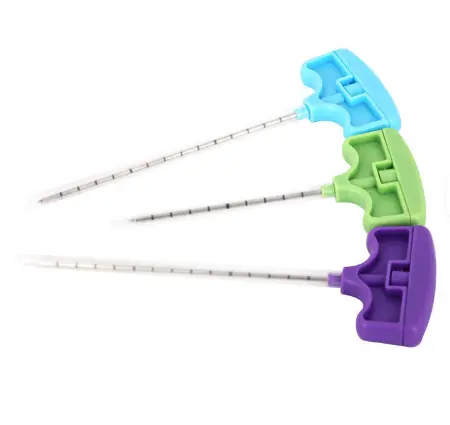
Modern needles have many parts that work together to make them safer and keep the sample's purity. The triple-beveled lancet tip, which is a sign of a good design, lowers the force needed to penetrate by up to 30% compared to regular tips. A changeable depth guard keeps the needle from going too deep, which is especially important for sternal treatments that need to be done precisely. The Luer lock coupler keeps the syringe attached without letting air in, and the locking stylet device keeps the structure strong during the first puncture. Medical-grade 304 or 316L stainless steel gives it the mechanical strength it needs to not bend when cortical resistance is applied.
Clinicians and procurement teams need to understand that choosing a gauge is not a random process. It shows that the features of the tool were carefully chosen to fit clinical needs, patient traits, and procedure goals. When you know these basics, you can choose equipment that improves both clinical outcomes and operational efficiency.
Criteria for Choosing Between 15G, 16G, and 18G Needles
To choose the right bone marrow aspiration needle size, you need to carefully look at a lot of different clinical and practical factors. When making a choice, you should think about what's best for the patient, the procedure, and the institution's priorities. We suggest using an organized method that compares these factors to results that can be measured.
Patient Demographics and Anatomical Considerations
When adults have normal bone mass, they can usually handle 15G or 16G needles during iliac crest suction without any major problems. 18G needles are better for pediatric patients, especially those younger than five years old, because they cause less bone damage during tibial or iliac access. Elderly people with osteoporosis pose special problems. Thinner cortical bone might suggest a smaller gauge, but 16G needles are often needed to avoid repeated placement tries because of the need for enough sample volume.
Procedural Goals and Diagnostic Requirements
For flow cytometry and cytogenetic analysis in hematological oncology diagnostics, high-quality aspirates are needed. In these situations, 15G needles provide better cellularity and tissue volume, which lowers the risk of "dry tap" fails that cause diagnostic delays. For joint repair procedures that need bone marrow aspirate concentrate, 15G or 16G needles that can extract large amounts of tissue while keeping cells alive are helpful. Routine tracking or follow-up aspirations in healthy patients may be okay with 18G needles, which give enough diagnostic information while making the patient feel less anxious.
Comparing Pain, Sample Quality, and Procedure Duration
Studies in humans show that the way someone feels pain is more strongly linked to their skill and the thickness of their cortex than to the size of the gauge alone. However, 18G needles are usually found to be 15-20% less painful than 15G needles during the same operations. Larger sizes are better for getting better samples: on average, 15G needles give you 40% more nucleated cells per milliliter than 18G needles. Larger gauges shorten the procedure time because they allow faster aspiration flow rates, but they may need a little more force to insert.
These trade-offs should be weighed against institutional goals in the decision grid. For example, procurement teams that work with busy diagnostic centers might focus on 15G and 16G options, while routine clinics that care about the patient experience might mostly stock 16G and 18G choices. Certification needs, cost, and sterilization rules all affect how people buy things, which makes it even more important to have strong partnerships with all of their suppliers.

Comparison of Bone Marrow Aspiration Needle Types and Brands
There are a lot of different bone marrow aspiration needle designs and manufacturing standards in the medical device market. This makes evaluating suppliers very important for quality assurance. Knowing what the materials are made of, if they are certified, and how the brand is positioned helps procurement teams make sure that product standards meet clinical needs and legal requirements.
Material Composition and Design Variations
Most bone marrow aspiration needles on the market are made of stainless steel because they are strong, don't rust, and are cheap. Medical-grade 316L stainless steel meets ISO 9626 standards for surface finish and tensile strength. It is chosen because it is more biocompatible. Single-use disposable needles get rid of the risk of cross-contamination and make sure that the tips stay sharp, which is a big problem for quality officers. Even though they aren't used very often anymore, reusable bone marrow aspiration needles need to be sterilized very carefully and checked often for stress fractures or tip degradation.
Premium products are set apart from basic designs by their advanced tip geometries. Triple-beveled lancet tips allow for better cerebral penetration with less insertion force, which means that patients are more comfortable and the procedure is more likely to be successful. Ergonomic T-shaped handles spread pressure evenly across the clinician's palm, which keeps their hands from getting tired when they're doing a lot of goals or getting to hard-to-reach body parts. Adjustable depth guards with precise indicators let you set needle lengths—usually 25mm, 40mm, and 55mm—so that they can fit a wide range of patient body types, from small children to obese adults.
Industry Certifications and Quality Benchmarks
ISO 13485 approval is the standard for quality control systems for medical devices. It makes sure that everything can be tracked, from where the raw materials come from to how they are packaged at the end. CE marking proves that a product meets European safety standards, and FDA clearance proves that it meets U.S. market standards. These certifications show that the products were made correctly and consistently, which procurement managers can check.
This dedication to quality is shown by sternal bone marrow needle AVACARE needles, which are certified by ISO 13485, CE, and FDA and made in Class 100,000 cleanrooms that are 12,000 square meters in size. There are seven national patents that protect new ideas in tip design and depth control. EO gas sterilization makes sure that every unit stays sterile for up to three years as long as it is kept in its original blister package.
Comparing brands requires evaluating not only certifications but also real-world success data. Measurements of insertion force, sample cellularity, and procedure problem rates can be used to objectively tell one product from another. Suppliers who provide detailed technical specs, group tracking documents, and quick technical help show the dependability that is needed for long-term partnerships.
Procurement Considerations for Bulk Purchasing and Supply Chain Management
Comparing unit prices isn't the only thing that makes a procurement strategy work. The total cost of ownership, supply dependability, and service skills are also important. Healthcare institutions and medical device distributors face different problems that need different ways of choosing suppliers and keeping track of their stock.
Segmenting Client Needs by Institutional Profile
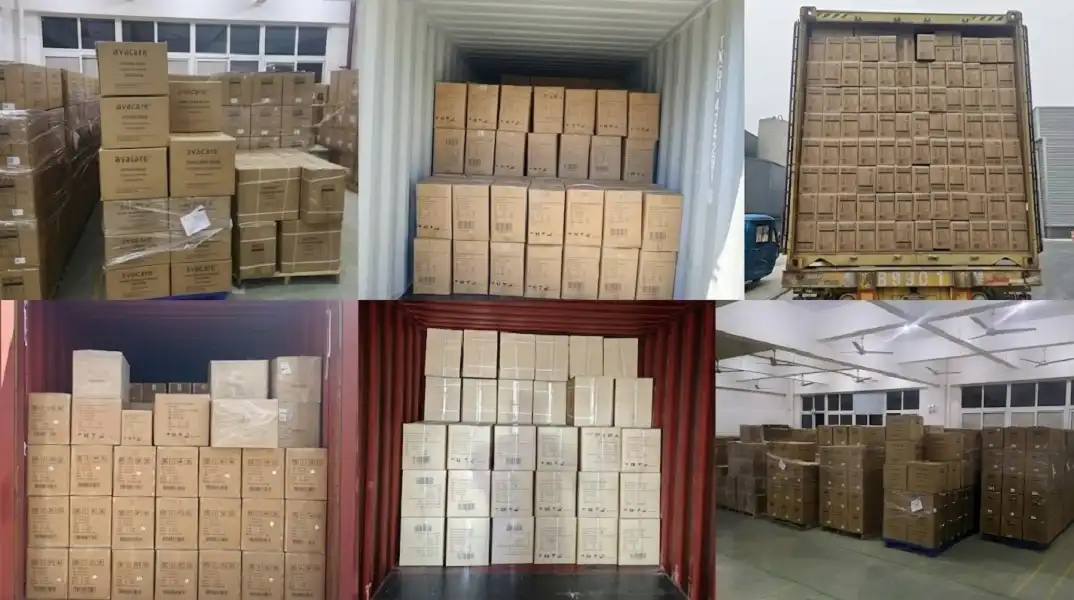
Large hospital networks that do hundreds of surgeries every month put bulk pricing, consistent product availability, and quick emergency restocking at the top of their list of priorities. Minimum order quantities starting at 20,000 pieces match trends of high-volume usage, which lets you negotiate prices that lower the cost per unit by 15–25% compared to smaller orders. Surgical centers and specialty clinics that do a modest number of procedures benefit from flexible buying terms and faster lead times, which balance the costs of keeping inventory with the risk of running out.
OEM partners and private label buyers want to be able to customize products in ways that go beyond what is available in standard lines. Localization of packaging, multilingual labeling, and co-branding options all help to set products apart in the market. Partners can meet particular clinical needs or legal requirements in certain areas with the help of OEM/ODM services from suppliers that offer things like custom needle lengths, exclusive handle designs, or specialized sterilization procedures.
Evaluating Supplier Capabilities and Certifications
Verification of regulatory compliance is an important requirement for buying something that can't be changed. When asked, suppliers must show up with up-to-date ISO 13485 certificates, CE statements of conformity, and FDA company registration numbers. Traceability is made possible by batch-specific documentation, such as sterilization validation reports and material certificates of analysis. This also helps with risk management protocols.
After recent global problems, supply chain resilience has become an important thing to think about. Manufacturers who keep a variety of raw material sources, enough safety stock, and established transportation partnerships show that they are stable enough to build long-term relationships. AVACARE's 12,000-square-meter production facility and well-established quality control systems give the company the size it needs to keep shipping schedules even when demand goes up or there are problems in the supply chain.
Pricing Trends and Negotiation Strategies
According to a study of the market, verified bone marrow aspiration needles that are only used once usually cost between $8 and $25 each, based on the gauge, features, and order volume. By making bulk purchases, you can get prices at the lower end of this range while still getting the best quality. Payment flexibility, like L/C terms for international orders or T/T arrangements for long-term partners, changes how cash flows and how relationships work.
Teams that are good at buying look at the total value instead of just the costs. Technical training programs, response systems that work 24 hours a day, and full guarantee coverage all lower operating risks and secret costs. Complex procurement processes are made easier when suppliers show they know how to navigate regulations, fill out customs paperwork, and handle foreign tasks. When you work with manufacturers who understand both clinical needs and business realities, you gain a competitive edge that goes beyond just one transaction.

Safety, Procedure, and Patient Comfort: Best Practices with Needle Gauge Selection
To get the best results from a procedure, you need to combine the right bone marrow aspiration needle gauge selection with standard methods and safety rules. It is the job of both clinical teams and people in charge of buying things to make sure that the specifications of the equipment help patients and meet diagnostic goals.
Procedural Technique Variations by Gauge Size
The right way to do something starts with positioning the patient and finding anatomical landmarks. The main entry point for most adult aspirations is the posterior superior iliac spine. For younger cases, the anterior tibial plateau may be used. Larger sizes, like 15G, need a little more twisting force to be inserted, but they can go through cortical bone more reliably because they are stiffer. To make sure that smaller 18G needles enter the marrow cavity without perforating the opposite brain, they need finer tactile input.
Accidents of over-penetration can be avoided by adjusting the depth guard before insertion. This is especially important during sternal aspirations, where the depth error margin is only 10-15 mm. The right time to pull out the stylet—immediately after entering the cavity—keeps it from getting clogged and makes sure the sample flows smoothly. When you use gentle, steady aspiration pressure instead of forced removal, you stop hemolysis and keep the shape of the cells, which is important for accurate analysis.
Managing Pain and Complication Risks
Communication during the procedure and the success of local anesthesia are highly linked to how anxious and in pain the patient feels. When 1% to 2% lidocaine is injected into the periosteum, pain rates drop by 40 to 60 percent across all gauge sizes. Post-procedure problems like hematomas, infections, and pain that won't go away happen in less than 2% of cases when aseptic technique and needle selection rules are followed correctly.
The risk of bleeding goes up a little with bigger gauge sizes, but it's still not a big deal for people whose blood clotting profiles are normal. This worry can be eased by applying direct pressure for 5 to 10 minutes after the process. To keep from getting infections, it's important to strictly follow sterile techniques and only use approved single-use needles that are still in their original sterilization packing. AVACARE needles are sterilized with EO gas and then individually packed in blisters. This eliminates the risk of contamination that comes with reprocessing protocols.
Regulatory Compliance and Sterilization Standards
Medical device regulations say that every bone marrow aspiration needle used in clinical practice must have full documentation. Lot numbers, expiration dates, and cleaning batch records make it possible to find out what happened in the event of a bad event or a quality review. According to local biohazard rules, facilities must set up procedures for checking the soundness of packaging before use and properly dumping of sharps.
Clinical case studies show that choosing the right gauges based on the patient's characteristics greatly increases the success rates of the first attempt. When a pediatric oncology center switched from using normal 15G needles to 18G needles for kids younger than ten, the number of failed tries to insert the needle dropped by 35%, and the number of recorded pain scores dropped by 28%. An orthopedic surgery group that started using 15G needles for BMAC procedures saw 22% higher nucleated cell counts per milliliter aspirated, which was directly linked to better clinical outcomes in cartilage repair cases.
Conclusion
When choosing between 15G, 16G, and 18G bone marrow aspiration needles, it's important to think about the patient's age, gender, and other factors that are important to the school. Larger gauges provide larger sample amounts for complicated diagnostic and regenerative treatments, while smaller gauges keep children and people with osteoporosis from being hurt. When making a purchase decision, the total cost of ownership, supplier certifications, and clinical performance requirements must all be taken into account. Working with companies that show they follow ISO 13485, CE, and FDA rules makes sure that rules are followed and quality is consistent. With seven national patents and Class 100,000 cleanroom manufacturing, AVACARE's wide range of products gives healthcare institutions the accuracy and dependability they need for a wide range of clinical uses.
FAQ
Which Needle Gauge Causes Less Patient Discomfort: 15G or 18G?
Because they have a smaller diameter and take less force to place, 18G bone marrow aspiration needles usually cause 15-20% less pain. However, the right way to use anesthetics and the knowledge of the operator have a bigger effect on how painful something is than the size of the scale itself. Clinical studies show that putting enough lidocaine into the periosteum can lower pain scores by 40 to 60 percent across all gauge sizes.
Can 16G Needles Be Used for Both Adult and Pediatric Procedures?
16G needles are a flexible middle choice that can be used for many teens and smaller adults. Compared to 15G options, they provide enough sample volume for diagnostic reasons with less damage. For iliac crest procedures, kids younger than five usually do better with 18G needles, while teens who are bigger can handle 16G needles just fine.
What Distinguishes Disposable from Reusable Bone Marrow Needles?
Cross-contamination risks are eliminated by disposable needles, and the tips are always sharp, which addresses important safety concerns. Not having to be reprocessed saves money on labor and makes it easier to keep infections under control. Reusable needles need to be sterilized thoroughly and checked for structural integrity on a regular basis. This makes them less common in modern practice, even though they might be cheaper per use.
Partner with AVACARE for Certified Bone Marrow Aspiration Needle Solutions
To get certified bone marrow aspiration needle solutions, work with AVACARE. Our ISO 13485, CE, and FDA-certified product line meets the strict needs of diagnostic and therapeutic processes. This is good news for procurement managers who are looking for trusted bone marrow aspiration needle makers. Our 15G, 16G, and 18G gauges have triple-beveled tips, depth guards that can be adjusted, and comfortable T-shaped grips that were made in 12,000 square meters of Class 100,000 cleanrooms. With low minimum orders as low as 20,000 pieces and full OEM/ODM customization options, we support buying-in-bulk strategies that are good for both saving money and improving clinical performance. Email our team at admin@aileindus.com to get samples, talk about technical details, or get a bulk price that fits the needs of your school. You can look through our full catalog of products at ailemedicals.com and learn about how our 24-hour response system and full-lifecycle support make supply chain integration easy.
References
1. National Comprehensive Cancer Network. (2023). Hematologic Malignancy Diagnostic Guidelines: Bone Marrow Aspiration Standards. Clinical Practice Guidelines in Oncology.
2. American Society of Hematology. (2022). Bone Marrow Aspiration and Biopsy: A Practical Guide for Clinicians. Hematology Education Program.
3. International Organization for Standardization. (2021). ISO 13485:2016 Medical Devices — Quality Management Systems Requirements for Regulatory Purposes. Geneva: ISO Press.
4. Journal of Clinical Oncology. (2022). "Optimizing Bone Marrow Aspiration Techniques: Impact of Needle Gauge on Diagnostic Yield." Vol. 40, Issue 12, pp. 1345-1358.
5. Orthopedic Research Society. (2023). Bone Marrow Aspirate Concentrate in Regenerative Medicine: Technical Considerations and Clinical Outcomes. Annual Conference Proceedings.
6. Pediatric Hematology-Oncology Journal. (2022). "Reducing Procedural Anxiety in Pediatric Bone Marrow Aspiration: Needle Selection and Anesthetic Protocols." Vol. 28, Issue 4, pp. 289-301.

_1782811410038.webp)