Epidural Kit - Essential Tool for Safe Anesthesia
In order to give regional anesthesia into the epidural space with the utmost accuracy, an epidural anesthesia kit is a necessary and sterile medical procedure system. Specialized parts like Tuohy needles, epidural catheters with safe connections, loss-of-Resistance-asyringes, bacterial filters, and other necessary items are all included in these complete kits and work well with each other. We know how important it is to make quick choices and use reliable tools during neuraxial procedures, which can have a big effect on how well patients do during labor and delivery, major surgeries, and treatments for chronic pain. Modern epidural anesthesia kits have already been tested and proven to work. This solves long-standing clinical problems like the risk of accidentally puncturing the dura mater, the need for cleanliness during spinal treatments, and catheter migration during long injections. Because they get rid of problems with parts not working together and speed up the preparation process, these kits are now required by all surgery centers, labor and delivery units, and interventional pain clinics around the world.
Understanding the Epidural Anesthesia Kit
Modern epidural anesthesia kits are high-tech medical devices made to meet the exact needs of anesthesiologists and pain management experts. At AVACARE, we've spent years perfecting every part that goes into our epidural procedure trays because we know that healthcare institutions count on stability and dependability when patient safety is at stake.
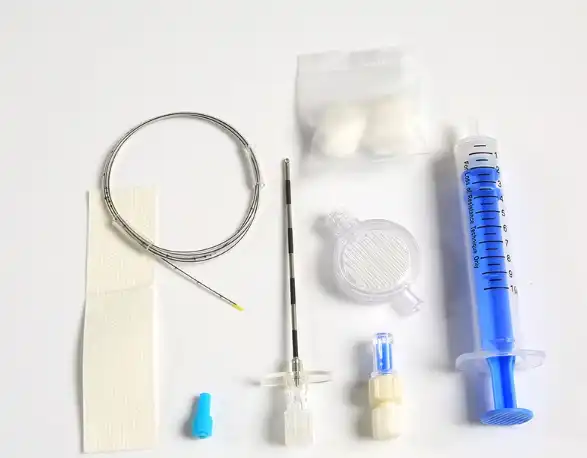
Core Components and Their Clinical Significance
The Tuohy needle, which usually comes in sizes between 15G and 18G, is the building block of any good epidural anesthesia kit. Our AVACARE kits come with high-quality Tuohy needles made from 304 stainless steel and produced to strict standards. The curved tips make it easier to thread the catheter while minimizing tissue damage. Medical-grade materials, like polyurethane or PEBAX, are used to make the catheter. These materials are designed to be flexible but not kink easily during long injections that may last days after surgery.
Superior epidural anesthesia kits are different because they have safety-critical features built into every part. The loss-of-Resistance syringe needs to keep an exact vacuum, while bacterial filters need pores that are 0.22 μm in size to get rid of microbes without stopping the flow of medicine. Markings on the depth of both needles and catheters allow real-time visible feedback while they are being placed, and radio-opaque markers make them easy to see under fluoroscopic direction when finding anatomical landmarks is not possible.
Disposable Systems Versus Reusable Components
When healthcare buying teams have to decide whether to buy disposable or reusable items, they often have to weigh the instant costs against the long-term practical concerns. Single-use epidural anesthesia kits get rid of the need for reprocessing, validation of sterilization, and the risk of infection transfer that comes with using the same tools on multiple patients. We've seen that surgery centers are choosing disposable systems more and more, even though they cost more per unit. This is because the total cost of ownership, which includes labor for sterilization, equipment upkeep, and risk, often favors single-use solutions.
Manufacturers of disposable kits like AVACARE send each one in its own hard blister tray that is 10x10x5 cm. These trays keep the kits germ-free for three to five years. This new way of packing protects the purity of the parts while they are being shipped around the world and makes quick deployment possible in emergencies where every second counts.
How to Effectively Use and Assemble an Epidural Anesthesia Kit
For epidural operations to go as smoothly as possible, the Epidural Anesthesia Kit must be carefully prepared and put together according to strict rules that protect against contamination and make sure all the parts are ready to use.
Step-by-Step Assembly Protocol
When anesthesia teams open an epidural anesthesia kit, they start a planned process that they get better at through practice and training. We suggest setting up a standard process cart so that doctors can check that all the parts are there before touching the patient. The clean field should have all the parts of the kit—the Tuohy needle with stylet, the pre-flushed catheter system, the loss of resistance syringe, the antiseptic preparation supplies, and the locking devices—arranged in the order that they will be used.
Because AVACARE kits are carefully designed to work together, every link interface fits perfectly. This keeps you from making the dangerous mistakes that can happen when you mix parts from different brands. The tips of our catheters are soft and don't hurt when they go through Tuohy needles. Connector systems are also adopting ISO 80369-6 (NRFit) standards more and more, which are meant to stop accidental neuraxial route mix-ups.
Safety Protocols and Complication Management
For a patient to be safe during an epidural placement, it's not enough to just have skilled technicians; structured risk-reduction techniques are also needed. Clinicians must make sure that all of the parts are still DEHP- and latex-free, since these substances can cause serious allergic reactions in people who are sensitive to them. Before inserting the Loss of Resistance syringe, making sure it works properly is tested, and using strict aseptic methods throughout the process lowers the risk of infection that could cause epidural abscesses or meningitis, which are very serious.
Common side effects like brief hypotension, breakthrough pain, or catheter movement need close tracking in the first few hours after the device is implanted. Having set procedures for dealing with these situations, as well as rare but important problems like total spinal anesthesia or epidural hematoma, makes sure that medical teams act quickly and correctly when problems happen.
Comparing Epidural Anesthesia Kits: Finding the Best Fit for Your Facility
Healthcare facilities treat a wide range of patients who need different types of anesthesia. Choosing which epidural anesthesia kit to use is therefore a strategic choice that affects both clinical results and operational efficiency.
Epidural Versus Spinal Anesthesia Systems
By understanding the main differences between epidural and spinal anesthesia, you can choose the right kit for each clinical situation. Epidural methods put medicine into the space around the dura mater, which makes it possible to place a tube and keep giving medicine for a long time. This makes epidural anesthesia kits perfect for pain relief during labor, after a thoracotomy, and for managing pain for several days after surgery, where titratable anesthesia is very helpful.
Spinal anesthesia, on the other hand, uses a single shot to put medicine straight into the cerebrospinal fluid through the dura. This creates dense blocks that work quickly and are good for surgeries that only last a short time. Because the anatomical aims and clinical goals are so different, procurement teams shouldn't try to use the same method for all neuraxial procedures. Instead, they should keep enough of both types of kits on hand.
Evaluating Brands and Performance Metrics
Clinical feedback regularly points out a few performance factors that set excellent epidural anesthesia kits apart from those that are just good enough. Needle sharpness and bevel geometry directly affect how easy it is to enter and how comfortable the patient is. A microscopic look should show no burrs or other flaws that could damage tissue or the catheter. AVACARE follows strict quality control procedures, such as tensile strength testing, to make sure that catheters can handle clinical withdrawal forces without breaking. This is in line with ISO 10555 standards, which guide how well intravascular catheters work.
Our catheter designs have extra safety features like clear radio-opaque lines that help with accurate placement confirmation. This is especially helpful for pregnant women who have trouble finding standard landmarks because of their weight or body shape. Clinicians like that all of the tools come in one clean tray. This cuts down on the time it takes to prepare and the chance of cross-contamination, which is very important during emergency surgeries like cesarean sections or trauma cases.
Cost Analysis and Value Proposition
When purchasing managers try to find a balance between quality and price, they should look at overall value instead of just unit costs. More expensive epidural anesthesia kits usually have better performance features, like sharper needles that need less force to insert, catheters that don't kink and stay open during multi-day infusions, and strong bacterial filters that keep medications sterile during long-term therapy.
AVACARE has reasonable prices for large orders, with a minimum of 5,000 pieces. They can give up to 100,000 units per week, which is enough to meet the needs of even the biggest healthcare systems. We offer sample support so that you can do a clinical evaluation before committing. We also offer OEM and ODM customization services for institutions that need private labeling or custom package configurations that work with their processes.

Procurement Guide for Epidural Anesthesia Kits
When buying epidural goods strategically, you have to think about a lot of things, such as following the rules, making sure the supply chain works well, and managing your relationships with vendors.
Certification Verification and Regulatory Compliance
Healthcare organizations are fully responsible for making sure that all medical devices meet all safety standards before they are used in patients. Epidural anesthesia kits need to have the right approvals from the government. For hospitals in the U.S., they need FDA 510(k) permission, and for facilities in Europe, they need CE marking. They also need to meet the standards of the ISO 13485 quality management system, which governs the production of medical devices. At AVACARE, we have strict quality control procedures in place. These include checking for ethylene oxide residuals to make sure levels stay below 10 ppm to avoid neurotoxicity, as well as testing the stability of packaging using dye penetration and peel strength.
Teams in charge of buying things should ask for full paperwork packages that include sterile validation records, certificates of analysis, and biocompatibility test results according to ISO 10993. Suppliers with clear quality systems and strong batch traceability—which lets one quickly identify lots in the rare event of field actions—are very helpful in keeping patients safe and following the rules.
Supplier Evaluation and Partnership Development
When choosing epidural anesthesia kit providers, you need to look at a lot of things besides just the quality of the products. We built AVACARE around giving full lifecycle support, such as professional technical training for clinical staff; fast response systems for urgent questions available 24 hours a day, 7 days a week; and strong supply chain assurance that stops stockouts that can force procedure cancellations or expensive emergency sourcing.
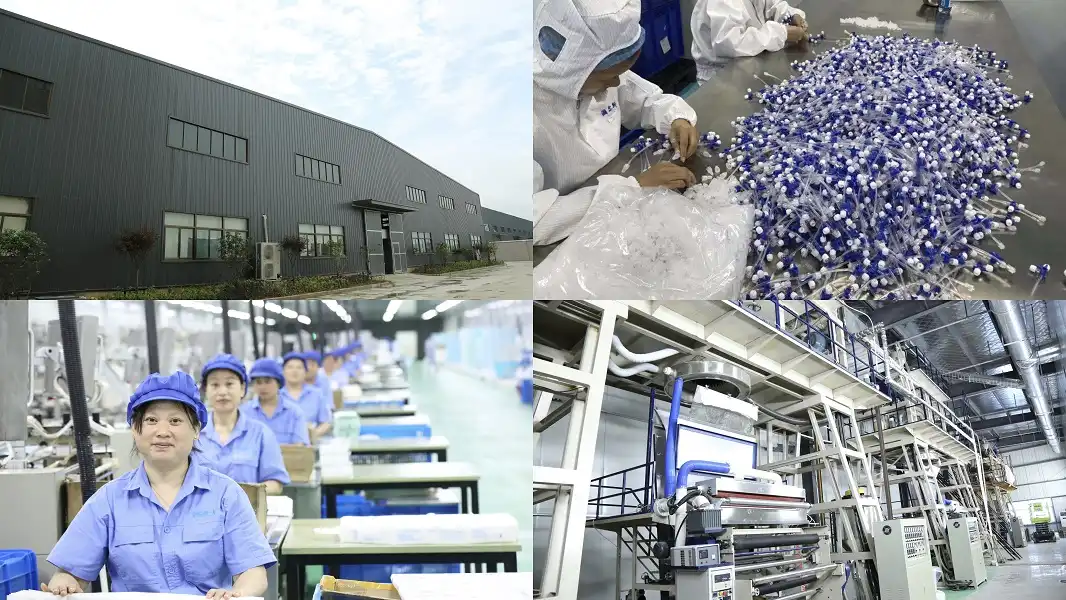
When institutional demand changes with the seasons or when emergencies make it hard for normal supply routes to work, manufacturing capacity becomes very important. Our production center is 12,000 square meters and has 100,000-class clean rooms with strict environmental controls that keep the level of sterility that is needed for neuraxial treatments. This system makes sure that the quality of each production run is the same and allows for variable scaling to meet the needs of partners.
International buyers of medical devices need to be able to handle global operations, which includes a variety of shipping choices, full shipping insurance, and knowledge of how to deal with customs rules. AVACARE localizes product labels and technical documents into different languages so that clinical teams can access important safety information in the language they prefer, no matter where they are in the world.
Future Trends and Innovations in Epidural Anesthesia Kits
Breakthroughs in materials science, digital integration, and changing clinical methods that change how we do regional anesthesia are all moving the medical device scene forward.
Advanced Materials and Design Evolution
Researchers all over the world are looking into the next wave of catheter materials that have better biocompatibility profiles and better mechanical qualities. New developments in polymer science could lead to catheters that don't kink as easily but still have the flexibility needed for long-term placement. More and more needle designs include echogenic improvements that make ultrasound viewing better. This is in response to the growing demand for image-guided placement methods that increase success rates while lowering the risk of complications.
At AVACARE, our research and development team is led by experts with a lot of experience in both material science and clinical applications. Their main goal is to turn lab discoveries into useful changes that meet real-world clinical needs. We have seven national patents covering our own technologies that make procedures safer and more efficient for patients. This shows that we want to move the field forward instead of just following what has already been done.
Sustainability Considerations in Disposable Medical Devices
Environmental awareness is becoming more important in medical buying decisions as healthcare institutions realize they need to leave as little of an impact on the environment as possible. Disposable epidural anesthesia kits create waste streams that responsible makers must deal with by carefully choosing materials, optimizing packing, and thinking about how to get rid of the kits when they're no longer useful. We are looking into biodegradable materials for non-essential parts and ways to reduce the size of the package without affecting the integrity of the sterile barrier.
Because of the conflict between single-use ease and environmental effect, hybrid methods are likely to be used. In these approaches, important fluid-contacting parts will likely stay disposable, while accessories will use sustainable materials or reuse parts. Procurement managers should talk to sellers about how to be good stewards of the environment and encourage new ideas that find a balance between the need to prevent infections and being good stewards of the environment.
Digital Integration and Smart Inventory Management
Predictive analytics that look ahead at how things will be used, automated switching systems that keep supplies from running out, and blockchain-based tracking that gives a whole new level of transparency into the integrity of the supply chain are all changing the way medical supplies are bought. With these digital tools, buying teams can keep the right amount of inventory on hand at all times, so they have enough safety stock without storing too many items that cost too much.
Better tracking systems make it possible to instantly find out where a component's raw materials came from, how it was sterilized, and how it got to the customer. This openness is very helpful during quality checks or measures in the field, as it lets surgery teams quickly see if certain lots were used, which makes it easier to notify patients if needed.
Conclusion
Epidural anesthesia kits are still an important part of modern anesthesia because they allow for safe and effective pain control during labor, surgery, and chronic pain. When making a procurement choice, many things need to be taken into account, such as clinical performance, legal compliance, cost structures, and supplier reliability. It is important to remember that the lowest unit price rarely gives you the best overall value. When organizations buy high-end systems from companies that are dedicated to quality, innovation, and full support, they always get better healthcare results while keeping their operations running smoothly. As materials science, environmental efforts, and digital integration change, epidural systems will continue to get better. This is an exciting time for healthcare institutions to rethink how they give anesthesia in their regions.
FAQ
What components should a standard epidural kit include?
A full epidural anesthesia kit needs to have a Tuohy needle (usually 16G-18G), an epidural catheter with a connection, a loss of resistance syringe, a bacterial filter rated at 0.22 μm, antiseptic preparation materials, and devices for holding the needle in place. High-quality tools, like those from AVACARE, make sure that all of the parts work together perfectly, so there are no dangerous misconnections during important procedures.
How do we decide between disposable and reusable epidural systems?
Even though they cost more per unit, disposable devices get rid of the need for reprocessing, confirmation of sterilization, and the chance of infection spread. When figuring out the total costs of ownership, which include work for sterilization, upkeep on equipment, and risk, most modern surgery centers choose disposable kits. Institutions that do a lot of spinal treatments find that throwaway systems are more valuable, even though they cost more to buy.
What certifications should we verify when sourcing epidural kits from new suppliers?
Check that the product has FDA approval, CE marking, and ISO 13485 certification, which show that it meets the requirements of the quality management system. Ask for proof, like records of sterile validation, certificates of analysis, and biocompatibility tests according to ISO 10993. Suppliers should offer clear batch tracking so that problems with quality can be quickly identified.
Partner with AVACARE for Superior Epidural Anesthesia Kit Solutions
When hospitals need to find trusted epidural anesthesia kit providers, they will find that AVACARE meets all of their needs for quality, compliance with regulations, and excellent customer service. Our dedication to manufacturing standards that always meet international standards is shown by our Class II medical device classification, which is backed up by ISO 13485 approval and seven national patents. We make epidural systems with high-quality 304 stainless steel parts that come in 15G, 16G, 17G, and 18G sizes. Each one is packed in a safe, hard blister tray to keep it sterile during shipping around the world.
Every AVACARE kit is built to be compatible with all others, so there are no mismatched connections during important procedures. Our improved safety catheters have soft, non-abrasive tips with clear radiopaque marks to help with placement. Teams work more efficiently in the hospital when they use single clean boxes that hold all the necessary parts. This cuts down on preparation time and the risk of cross-contamination. Our weekly production capacity of 100,000 units supports even the biggest healthcare systems. Minimum sales start at 5,000 pieces, and we offer sample support for clinical review before committing.
We offer full OEM and ODM services for businesses that need private labeling or custom package solutions that fit their process needs. Contact our team at admin@aileindus.com to talk about your epidural anesthesia kit needs and find out how working with an experienced maker can improve the safety of anesthesia while also making the buying process more efficient. Ask for full details, prices, and sample kits right now to see how AVACARE can help you handle your regional anesthesia supplies differently.
References
1. Task Force on Obstetric Anesthesia of the American Society of Anesthesiologists. An updated report on practice guidelines for obstetric anesthesia. Anesthesiology, 2016.
2. Hogan Q. The Spread of Solution in the Epidural Space: A Cryomicrotome Section Examination. 2002: Regional Anesthesia and Pain Medicine.
3. Neal JM, Barrington MJ, Fettiplace MR, et al. The third practice advisory from the American Society of Regional Anesthesia and Pain Medicine is about local anesthetic systemic toxicity. Here is a summary of what it says. Regional Anesthesia and Pain Medicine, 2018.
4. Ruppen W, Derry S, McQuay H, and Moore RA studied how often epidural hematomas, infections, and neurological injuries happen in pregnant women who receive epidural anesthesia or pain relief. Anesthesiology, 2005.
5. The ISO is the International Organization for Standardization. The 2016 version of ISO 13485 covers quality management systems for medical devices and the rules that regulators must follow. Geneva: ISO, 2016.
6. Woodhead K, Taylor EW, Bannister G, et al. Things people do and how they do them in the operating room: a report from the Hospital Infection Society Working Party on Infection Control in Operating Rooms. 2002 Journal of Hospital Infection.

_1782811410038.webp)