How Does a Preformed Tube Improve Nasal Intubation Safety?
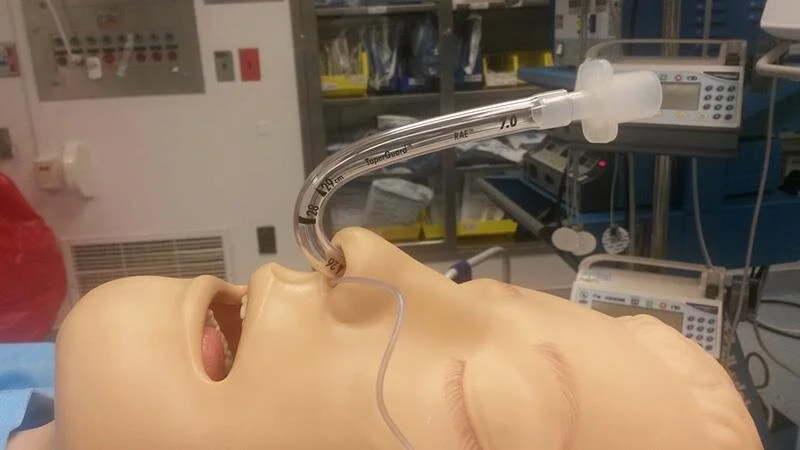
A Cuffed Endotracheal Tube Nasal Preformed significantly enhances nasal intubation safety through its factory-molded anatomical curve, which naturally directs the tube away from surgical sites while preventing kinking and accidental displacement. This specialized design eliminates the need for manual tube bending, reducing trauma to delicate nasal passages and minimizing the risk of mucosal injury during insertion. The integrated high-volume low-pressure cuff system creates a superior tracheal seal at pressures typically below 25 cm H₂O, effectively preventing aspiration while distributing pressure evenly across the mucosa to avoid ischemic damage during prolonged ventilation procedures.
Introduction to Nasal Intubation and the Role of Preformed Endotracheal Tubes
Nasal intubation is one of the most important techniques for managing airways, especially when oral access is difficult or not possible. Healthcare institutions have to deal with specific problems during these procedures, such as figuring out how to navigate the complicated anatomy of the nose, lowering the risk of bleeding, and making sure that the tube stays in place during long surgery operations.
Understanding Nasal Intubation Challenges
When using standard endotracheal tubes for nasal intubation, doctors run into a number of problems. Because the nasopharynx naturally curves, it needs to be moved carefully, and tubes that are bent by hand often lose their shape when they are in physiological conditions. This makes safety issues, such as the tube getting tangled, not getting enough air flow, and possibly coming out while the patient is being repositioned. When rigid tubes go through delicate nasal turbinates, it makes it harder to see and takes longer to do the procedure, which increases the risk of epistaxis.
The Preformed Solution
With smart engineering, preformed nasal tubes take care of these clinical pain points. The "North-facing" curve that was set at the plant fits the anatomy of the human upper airway, so the structure stays intact during the process. This new idea in design takes away the need to guess and makes the process easier. The people in charge of buying things know that these things are necessary for hospitals that do face surgeries, treat trauma patients, or provide long-term ICU breathing support.
B2B Procurement Considerations
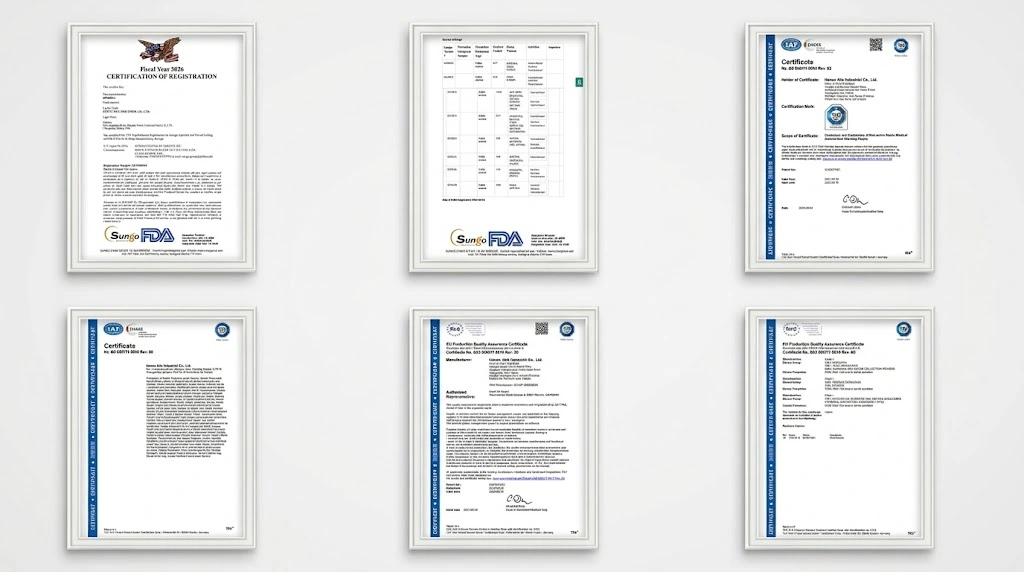
Quality assurance officers look at a number of factors when choosing suppliers for nasal preformed tubes. Compliance with regulations, such as ISO 13485 and CE approval, shows dedication to quality management systems. Production capacity is very important—facilities need to know that their supply lines are stable and can meet urgent order demands. Manufacturers that offer batch tracking and full technical support paperwork add value by making compliance reviews easier and helping with clinical training programs.
Safety Benefits of Using Nasal Preformed Endotracheal Tubes
Preformed nasal tubes are safer than regular tubes because they directly affect patient results and lower the hospital's potential risk.
Reduced Mucosal Trauma and Displacement Risk
The pre-contoured shape follows the body's natural pathways, which makes insertion much easier and less painful. Clinical data shows that prepared tubes of the right size cut the number of cases of epistaxis by about 40% compared to normal tubes that need to be shaped by hand. The tube doesn't touch any structures in the nose because of the kept curvature. This is especially important during long treatments when tissue pressure necrosis is a worry. This physical similarity also makes the tube more stable, which lowers the risk of it moving while the patient is being moved or during surgery.
Advanced Cuff Technology for Superior Sealing
The Cuffed Endotracheal Tube Nasal Preformed from AVACARE has high-volume low-pressure cuff technology built in, which greatly raises safety limits. The medical-grade thermosensitive PVC material softens when it comes in contact with body heat, which lets the cuff fit each person's airway tissue. This adaptive behavior makes a good seal while keeping mucosal capillary perfusion, which greatly lowers the risk of complications related to ventilators. The cuff spreads the contact pressure over a bigger area, so pressure points stay well below the critical ischemia threshold even when ventilation lasts for more than 72 hours.
Versatility Across Patient Populations
Modern preformed nasal tubes can be used in a wide range of clinical settings, from emergency rooms for adults to intensive care units for children. The range of sizes available makes sure that the right fit is found for people with different body shapes, and the uniform prepared angle makes it easier for providers to train across departments. Standardizing on pre-made designs is good for facilities that care for both adults and children because it simplifies inventory while keeping clinical flexibility.
Evidence-Based Outcome Improvements
Published clinical studies show that premade nose tubes are safer in a measured way. Research shows shorter overall breathing times, fewer tries needed to get the tube in place, and fewer problems after the procedure, such as sore throats and injuries to the vocal cords. These improvements in outcomes directly lead to shorter stays in the recovery room and lower overall procedure costs. These are metrics that hospital operations leaders and procurement supervisors who focus on value-based purchasing find very useful.
Key Differences Between Cuffed Nasal Preformed and Other Endotracheal Tubes
Knowing what makes a product different helps you make smart purchasing choices that meet clinical needs and stay within your budget.
Cuffed Versus Uncuffed Designs
Cuffed tubes are standard for most adult uses and are becoming more common in pediatric care for kids over a certain age range because they protect against aspiration and allow positive pressure ventilation. Even though uncuffed tubes are easier to make, they don't have the tracheal seal that is needed for artificial breathing, so there is a higher chance of aspiration. Buying decisions should be based on the patients or patients' families that the facility serves. For example, ICUs and surgical centers always need cuffed options, while some emergency transport services may only keep a small stock of uncuffed options for certain pediatric protocols.
Preformed Versus Standard Straight Nasal Tubes
Standard nasal tubes have to be bent by hand to get them to the right angle, which means that the shape of the tube can be different between providers and operations. This method of shaping by hand makes the tube less strong at bend points, which raises the risk of kinking when the body is under stress. Precision production of preformed tubes gets rid of this variation, so they always work the same way no matter which provider uses them. The factory-set slope keeps its shape even after being exposed to body temperature for a long time. This makes sure that the airway stays open during long processes.
Material Composition Considerations
It is still the standard for endotracheal tubes to be made of medical-grade PVC because it is flexible, durable, and inexpensive. The thermosensitive PVC mixture used by AVACARE weakens as expected at 37°C, molding to the shape of the patient's body while still being stiff enough to avoid collapsing. While silicone alternatives are hypoallergenic, they usually come at a higher price and may be harder to work with when inserting. Material requirements should be weighed against clinical needs, patient group sensitivities, and budget limits by procurement teams. Both materials are biocompatible according to ISO 10993, which means they are safe for patients in a variety of settings.
Cuff Inflation Method Variations
The latest safety standard for Cuffed Endotracheal Tube Nasal Preformed is high-volume low-pressure cuffs, which lower the pressure on the airway mucosa compared to older high-pressure versions. The pilot balloon inflation method lets providers precisely change the pressure and keep an eye on it all the time, so they can keep the seal pressure at the right level during breathing. Standardized pilot valve systems on AVACARE tubes work with universal pressure manometers, supporting the evidence-based cuff pressure management protocols that professional anesthesia societies recommend.
Oral Versus Nasal Intubation Route Selection
The best ways to intubate depend on the clinical situation. Nasal methods are better for maxillofacial treatments that need clear intraoral access, for patients whose mouths can't open fully because of trauma or trismus, and for people who need long-term breathing and want the tube to stay stable and be more comfortable. Oral routes are still better in emergencies where the airway needs to be secured quickly and in patients who can't go through an IV, such as those with basilar skull fractures or severe coagulopathy. Facilities should be able to handle both approaches, with preformed nasal tubes being a special type of inventory for possible use cases.

Selecting the Right Nasal Preformed Tube for B2B Procurement
When making strategic procurement decisions, it's important to balance the need for clinical performance with operational factors like cost, supply reliability, and the ability of the vendor to provide support.
Sizing Considerations for Clinical Applications
The right tube size has a direct effect on both safety and practical effectiveness. The choice of internal diameter affects the resistance to airflow and the ability to suction, while the choice of outer diameter decides how well the device fits inside the nose. Patients aged 18 and up usually need sizes between 6.0 and 8.0 mm in diameter, with 7.0 mm being the most common size kept in stock for adults. For pediatric uses, it's important to choose the right size based on age-specific algorithms. For facilities that serve a variety of people, they need a wide range of sizes. AVACARE has full-size portfolios that can meet the needs of a wide range of institutions. All of the sizes are made to the same high standards of quality and have the same design geometry.
Manufacturer Evaluation and Certification Requirements
Procurement officers should carefully evaluate suppliers, paying special attention to how well they follow rules, how well they can make things, and how mature their quality systems are. AVACARE has ISO 13485 certification, which shows that they have strong quality management systems built especially for making medical devices. CE marking proves that a product meets European safety standards, and FDA registration helps businesses that serve or ship to the U.S. market. Check the supplier's production capacity as well as basic licenses. For example, AVACARE's 300,000-unit-per-month capacity and 12,000-square-meter building with Class 100,000 cleanrooms keep the supply chain stable even when demand goes up. AVACARE's seven national patents show that it is committed to innovation and has a lot of technical know-how when it comes to making respiratory devices.
Cost Optimization Through Strategic Purchasing
When you buy in bulk, you usually get big discounts on unit costs and make sure you have enough inventory. The 100-piece minimum order quantity for AVACARE works for both large hospital networks and smaller specialty facilities. Volume-based pricing levels encourage strategic purchases without making it too expensive to keep inventory on hand. Aside from the unit price, procurement managers should also look at the total cost of ownership, which includes things like how reliable the shipping is, how well the customs paperwork is handled, and how shipments that get damaged are replaced.
Logistics and Supply Chain Factors
When buying Cuffed Endotracheal Tube Nasal Preformed medical devices from other countries, you need to keep an eye on shipping dates, regulatory paperwork, and supply continuity. AVACARE offers full export support, including paperwork for certificates of origin, sterilization certificates, and help with product registration for markets that are controlled. The company can handle pressing orders 24 hours a day, seven days a week, and has built relationships with logistics companies that guaranty reliable transit times to North American places. During negotiations, procurement teams should be clear about lead times, set safety stock levels based on usage patterns, and make plans for what to do if there are problems with the supply chain.

Proper Usage Guidelines and Safety Protocols
Clinical success rests on both the quality of the equipment and how well it is used. Hospitals and other health care facilities need to set clear rules for using premade nose tubes.
Insertion Technique Best Practices
A successful nasal intubation starts with properly preparing the patient, which includes using topical vasoconstriction and the right amount of anesthesia. First, the provider should choose the nostril that is more open. Then, they should slowly move the lubricated tube along the floor of the nose, parallel to the hard tongue. The preformed curve naturally points the tube backward and downwards toward the opening in the larynx. Do not push the tube against resistance; this could mean that the turbinate is impinging, which needs a small amount of rotation or withdrawal to be repositioned. The radiopaque line that is built in and can be seen on a regular X-ray makes it possible to confirm the exact depth. The tip should be placed about 2 to 3 cm above the carina for best results.
Cuff Pressure Management Protocols
Once the placement has been confirmed, use a pressure manometer to blow up the cuff until the seal pressure is between 20 and 25 cm H₂O. This range gives a good seal for breathing while keeping the pressures above the capillary occlusion limits for mucosal perfusion. Protocols based on evidence say that pressure checks should be done every 8 hours during continuous ventilation and should be written down in the patient's record. The Murphy Eye feature adds an extra layer of safety during long stays in the intensive care unit by providing backup air if the main lumen gets blocked.
Common Pitfalls and Mitigation Strategies
Even companies with a lot of experience sometimes run into problems. In order to treat epistaxis, the process must be temporarily stopped, vasoconstrictor must be reapplied, and a different nose must be considered. Even though it doesn't happen often with good preformed designs, tube kinking shows up as a sudden rise in ventilation resistance and needs to be fixed or replaced right away. Not enough pressure on the cuff seal may mean that the sizes don't match, which means that the tube needs to be exchanged. Comprehensive training for providers that covers these situations lowers risks and raises patient safety.
Training Requirements and Competency Verification
All doctors who do nasal intubation should be required by institutions to go through organized training programs. The initial competency exam should include guided tasks, and skills should be checked every year to make sure they are still up to date. AVACARE helps with clinical training programs by providing detailed product manuals, teaching materials, and technical support. Along with hands-on simulation training, video-based training lessons show the right way to place the catheter, control the cuff, and fix problems.
Conclusion
Cuffed Endotracheal Tube Nasal Preformed are a big step forward in airway control safety. They combine smart design for the anatomy with cutting-edge material technology. The factory-molded curve makes the procedure easier, and the high-volume, low-pressure cuffs protect the delicate tracheal tissues while they breathe for a long time. When healthcare procurement workers are looking at suppliers, they should give more weight to manufacturers who can show they follow the rules, have enough production capacity, and offer full expert support. AVACARE is a reliable partner for institutions that need quality medical supplies with predictable supply chain performance. The company's manufacturing is ISO 13485 and CE certified, and it has a large monthly production capacity and helpful customer service.
FAQ
What are the primary medical indications for using a preformed nasal tube?
For maxillofacial and oral surgeries that need clear intraoral surgical fields, preformed nasal tubes are the best way to keep the airways open. Other uses include people who can't open their mouth wide enough because of an injury or a problem with the temporomandibular joint, people who need long-term mechanical ventilation and would benefit from better tube stability and comfort, and reconstructive procedures where placing an oral tube would make it harder to do the surgery or make the results less pleasing to look at.
How do I determine the correct tube size for my patient population?
Tube sizes are based on known clinical standards that take into account the patient's age, gender, and body type. Adult men usually need tubes with an inside diameter of 7.5 to 8 mm, while adult women usually need tubes with an inside diameter of 7.0 to 7.5 mm. Sizes for kids are based on their ages, but because bodies are different, some sizes may need to be adjusted. When evaluating, keep the patency of the nostrils in mind because the chosen tube needs to be able to easily and comfortably pass through the nasal passages. Institutions that serve a wide range of people should keep full size inventories that cover the clinical range.
What safety features should I prioritize when purchasing internationally?
When you buy something from another country, you have to pay attention to regulatory certifications like CE marking and ISO 13485 compliance, which check that the quality management systems in the manufacturing are working properly. Material safety paperwork that confirms recipes are DEHP-free and biocompatibility testing that meets ISO 10993 standards protect people from being exposed to dangerous chemicals. Batch traceability systems make it easy to act quickly if a product needs to be recalled, and detailed technical paperwork helps with regulatory checks and clinical training. Other important things that buying decision-makers look at are how quickly suppliers respond to technical questions and how much emergency replacement supplies they have on hand.
Partner With AVACARE for Reliable Nasal Preformed Tube Supply
As a reliable Cuffed Endotracheal Tube Nasal Preformed maker, AVACARE offers medical-grade breathing aids that are backed by ISO 13485 and CE certifications. Our 12,000-square-meter production facility has Class 100,000 cleanrooms that make sure the quality of the 300,000 units we make every month is always the same. We know how important it is for healthcare institutions to have a reliable supply chain. Our 24-hour response time and full technical support cover urgent procurement needs, and our OEM/ODM services allow for custom specifications such as private labeling and localizing packaging. Email our procurement experts at admin@aileindus.com to talk about bulk discounts, customization options, and transportation solutions that are perfect for your location. You can look at our full line of respiratory care products and request samples for testing at ailemedicals.com.

References
1. Patel A, Nouraei SA. Transnasal Humidified Rapid-Insufflation Ventilatory Exchange (THRIVE): a physiological method of increasing apnoea time in patients with difficult airways. Anaesthesia. 2015;70(3):323-329.
2. Mort TC. Emergency tracheal intubation: complications associated with repeated laryngoscopic attempts. Anesthesia and Analgesia. 2004;99(2):607-613.
3. Seegobin RD, van Hasselt GL. Endotracheal cuff pressure and tracheal mucosal blood flow: endoscopic study of effects of four large volume cuffs. British Medical Journal. 1984;288(6422):965-968.
4. Hall CE, Shutt LE. Nasotracheal intubation for head and neck surgery. Anaesthesia. 2003;58(3):249-256.
5. Dorsch JA, Dorsch SE. Understanding Anesthesia Equipment: Construction, Care and Complications. 5th Edition. Philadelphia: Lippincott Williams & Wilkins; 2007.
6. American Society of Anesthesiologists Task Force on Management of the Difficult Airway. Practice guidelines for management of the difficult airway: an updated report. Anesthesiology. 2013;118(2):251-270.