How Does the Hole Get Inside Hypodermic Needles?
An exact manufacturing method that starts with high-quality stainless steel tubing is used to make the lumen, the hollow channel that runs through a hypodermic needle. Manufacturers don't drill holes in solid wire, despite what most people think. For starters, they use special drawing and casting methods to make metal tubes with thin walls. Then, these tubes are carefully cut, sharpened, and connected to hubs that are color-coded. This makes the clean, single-use needles that hospitals and clinics use every day. Knowing how this important part is made helps buying workers better judge the skills of suppliers and the quality of their products.
Understanding Hypodermic Needle Anatomy and Function
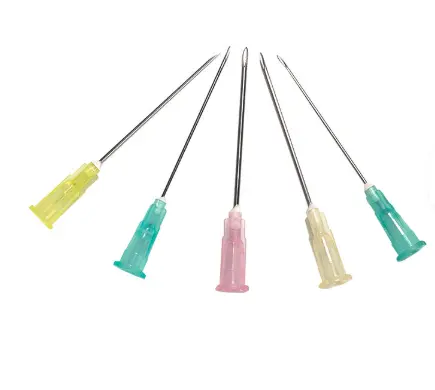
To ensure safe and correct drug administration, each hypodermic needle has a number of interdependent parts. The lumen is inside the cannula, which is the metal tube, and the beveled tip makes it easier to go through soft tissue. The hub, which is usually made of medical-grade polypropylene, uses either the Luer Slip or Luer Lock device to firmly connect the needle to the syringe.
The Critical Role of the Lumen
The opening width has a direct effect on how well the patient does. A properly made internal passage keeps the flow of fluids constant, stops medicine from shearing, and lowers the force needed for injection. When the inside stays smooth and even, doctors and nurses can give treatments more accurately and with less pain for the patients. Internal flaws or sizes that don't match up can make it harder to deliver medicine, especially viscous solutions or shots that need to be given at a certain time.
Material Selection and Manufacturing Precision
Most needles are made from medical-grade stainless steel, especially AISI 304 or 316L, because it doesn't rust and is very strong. The material has to be able to stand up to being sterilized many times without losing its shape. Surface treatments, such as medical-grade silicone oil coats, make entry easier by reducing friction, which has a direct effect on how the patient feels. AVACARE makes needles out of high-quality stainless steel that meets ISO standards. This makes sure that the needles will last for a long time and can be used for a wide range of medical procedures, from regular shots to specialized cosmetic procedures.
Hub Design and Color Coding Standards
Color-coded hubs are required by ISO 6009 standards so that gauges can be quickly identified. This cuts down on professional mistakes during high-pressure scenarios. The clear hub design of AVACARE, which is made from medical-grade PP, lets you see where the fluid is going and still works with normal syringe systems. In emergency rooms, surgery centers, and outpatient offices, this uniform design helps keep things running smoothly.
How Is the Hole Made Inside Hypodermic Needles?
The process of making something doesn't start with cutting but with making tubes. Stainless steel is drawn over and over through dies that get smaller and smaller. This makes the outer width smaller while keeping the internal channel the same. This cold-working process makes the metal structure stronger and gets the wall thickness just right for the hypodermic needle to work.
Primary Manufacturing Techniques
Tube drawing is the basic method for making needles. Stainless steel bars are fed through carbide dies, which makes the material longer and creates the hollow core. Each pass lowers the size by a small amount, making sure that the wall thickness and lumen width are all the same. To keep the process from breaking down materials, the temperature must be carefully controlled and grease must be used.
Extrusion methods work well with drawing methods, especially for certain types of needles. When manufacturers push hot metal through shaped dies, they make tubes with certain sizes and shapes. This method gives you more control over changes in wall thickness, which is important for thin-wall technology that aims to increase internal width compared to gauge size.
Advanced Precision Methods
With laser-cutting technology, makers can make cuts that are very clean and sharp angles that are very accurate. Computer-controlled systems place the tube at exact angles, making the triangular tips that protect tissue as much as possible. Because laser cutting doesn't involve touching the part, it doesn't create burrs or mechanical stress that could damage the lumen.
Electrochemical cutting gets rid of tiny flaws on the inside surfaces. In this method, controlled chemical dissolving is used to smooth out the stream, which is necessary for laminar flow. For smaller-sized needles, where mechanical cleaning isn't possible, this method works especially well.
Quality Control During Production
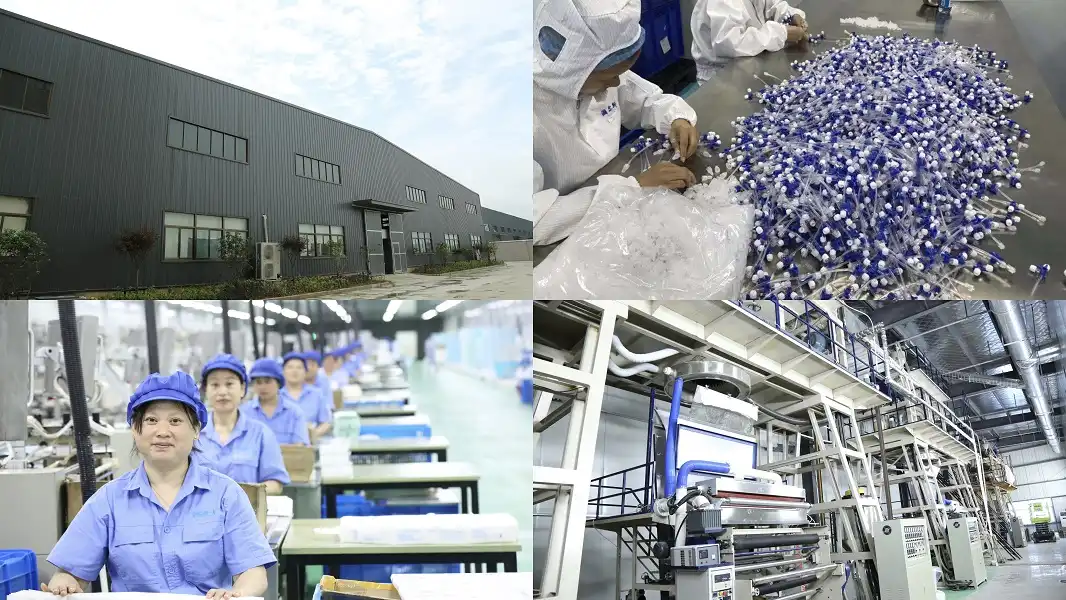
Before they are packed, automated screening devices look over each needle. CCD cameras take very clear pictures of the shape of bevels and can find hooks or spikes that are only a few micrometers long. Flow testing checks the consistency of the lumen by measuring the link between pressure and volume in standard circumstances. AVACARE uses strict checking procedures that are in line with ISO 13485 standards. To make sure that performance specifications are met, puncture force tests and hub-to-cannula bond strength verification are done.
Comparing Hypodermic Needle Types and Their Lumens
Needle gauge numbers are the opposite of needle diameter numbers; bigger gauge numbers mean smaller needles. This standard method makes it easy for clinical staff to quickly choose the right sizes based on the viscosity of the medicine and the needs of the injection site. A 31G needle works well for putting insulin under the skin, and an 18G needle can be used for quick fluid therapy.
Gauge, Length, and Clinical Applications
Flow rate is based on the link between hypodermic needle gauge and lumen width. AVACARE needles are known for their thin-wall technology, which makes the inner circle bigger without making the outer size bigger. This new technology solves a long-standing problem in pain management and cosmetic medicine by letting more liquid medicines flow through smaller, less painful holes.
Lengths between 13mm and 18mm can be used for a variety of injection lengths and body types. For intradermal and subcutaneous administration, shorter needles work well, while longer ones can reach tissue planes inside the muscle. When setting inventory rules, procurement experts need to think about the case mix at their school and find a balance between variety and the efficiency of inventory management.
Disposable Versus Reusable Considerations
With single-use needles, there are no chances of cross-contamination that come with recycling. Every throwaway design makes sure that the production process is consistent, so every unit is sterilized with EO gas to reach a sterility assurance level of 10⁻⁶. This method is in line with current guidelines for preventing infections and makes it easier to keep track of compliance.
Even though they are used less often these days, reusable needles still have quality problems. Sterilization processes that are done over and over can wear down lumen surfaces, and mechanical wear can make tips less sharp. The total cost study has to take into account the costs of reprocessing, the space needed for keeping, and legal issues. These are all things that make disposable choices more appealing to business buyers.
Material Performance Characteristics
Stainless steel hypodermic needles stay the same size better through different cleaning methods and storage situations. The tensile strength of the material keeps it from deforming during placement, which is especially important when working through thick tissue or getting to hard-to-reach veins. It is also possible to grind the bevels on metal needles more finely, which makes the tips sharper and lowers the entry force.
Different materials are used for specific tasks. During radiological processes, polymer needles reduce image flaws, but they give up some sharpness properties. When procurement teams understand these trade-offs, they can better match needle specifications to the needs of each area. This improves both healthcare results and the efficiency of the supply chain.
Quality Assurance and Sterilization of Hypodermic Needles
A very important quality standard is keeping the lumen's structure during production and cleaning. Even small surface imperfections can stop laminar flow, which raises needle pressure and could lead to medicine foaming or protein denaturation. Strict testing procedures make sure that the inside areas are smooth enough for pharmaceutical use.
Inspection Methodologies
At magnifications greater than 100x, microscopic examination shows the quality of the surface finish. Technicians look at sampling samples from each production lot and write down any that don't meet the requirements. Automated systems use optical coherence tomography to map the inside of test samples without damaging them, which is in addition to human review.
Sterilization Impact on Performance
AVACARE uses ethylene oxide cleaning, which gets rid of microbes effectively without changing the qualities of metal. With the low-temperature method, the bevel stays sharp and the silicone coating that makes entry easier stays in place. Validation procedures make sure that the gas gets into all of the packaging and keep an eye on the amounts of leftover EO to make sure that patients are safe.
Certification and Compliance Standards
The fact that a hypodermic needle product has CE marking and ISO 13485 certification shows that the company is committed to quality management systems. These badges show that production sites, like the 100,000-class clean rooms where AVACARE makes its needle portfolio, keep the right environmental controls. FDA approval gives providers that serve the U.S. market extra peace of mind by proving they follow the rules in 21 CFR Part 820.
Traceability systems link each output lot to the certifications of the raw materials, the conditions for processing, and the check results. This paperwork is very important during checks and lets us act quickly if problems are found during post-market monitoring. AVACARE keeps detailed batch records that allow full traceability from receiving the steel coil to closing the last package. This meets the strict paperwork needs of healthcare institutions around the world.
Practical Considerations for Procurement Specialists
When making sourcing choices, the total cost of ownership is taken into account as well as unit prices. The way lumens are made has a direct effect on how long needles last, how well they work in the body, and how often complications happen. All of these things affect how much healthcare costs altogether. Instead of just looking at prices, procurement teams should judge providers based on their professional skills.
Manufacturing Indicators of Quality
Standards for production facilities show how committed a company is to quality. Manufacturing has reached a mature stage when it has clean room classes, automatic inspection integration, and preventive maintenance programs. Site visits or checks by a third party make sure that the claimed capabilities match what is actually possible. This lowers the risks in the supply chain that come with quality breakdowns.
R&D spending shows the ability to come up with new ideas. When manufacturers create their own coating formulas or advanced bevel shapes, they show a level of technical skill above and beyond what is required for mass production. AVACARE has seven national patents that show its ongoing efforts to come up with new ideas that lead to better clinical performance and unique product offers.
Balancing Cost and Quality Parameters
When making cheaper needles, they often skimp on accuracy, which can have an effect on how well they work in the clinic. The study of procurement should figure out how much it costs to fix problems with flow that cause more pain during insertion, more complications, or wasted medicine. Along with purchase price, these factors are taken into account by a thorough evaluation method.
Minimum order amounts affect how much it costs to keep goods and how warehouse space is used. The 3,000-piece MOQ from AVACARE strikes a good mix between production efficiency and buying flexibility. This lets institutions keep the right amount of stock without committing too much capital. The 30-45 business day production time takes careful planning, but the quality is always high because the manufacturing process is not rushed.
Supplier Due Diligence Best Practices
When reviewing technical specifications, you should look at more than just marketing materials. You should also look at real test results. Ask for papers that show the proof of analysis, including readings of puncture force, verification of dimensions, and sterility validation results. When you compare data from different possible sources, you can see real changes in performance that are hidden by general claims about specifications.
Verification of certification supports claims of regulatory compliance. By directly getting licensing body databases, fake paperwork is stopped, which is a problem that keeps happening when buying medical devices. Make sure that the certifications cover the exact goods and factories that you need to source from. Certifications don't automatically apply to different product lines or factories.
Environmental and Safety Compliance
Getting rid of sharps is a big natural and financial load on institutions. Understanding the parts of a needle's design that make it safe to handle and throw away helps with both safety in the workplace and environmental efforts. Needles with built-in safety features lower the risk of needlestick injuries, but they cost more per unit and take up more space in trash cans. Different places have different rules about how to handle medical trash, which can make dumping more expensive and difficult.
Conclusion
Making hypodermic needle lumens with great accuracy takes a complex mix of material science, mechanical engineering, and quality control. When procurement workers know how to draw, cut, bevel, and sterilize stainless steel tubing, they can make smart choices about where to buy it that balance cost with clinical performance needs. The correctness of the lumen's measurements and the smoothness of its surface have a direct effect on how well medications are delivered and how comfortable patients are. These are factors that affect more than just unit price; they also affect the total cost of healthcare delivery. By looking at sellers' licenses, manufacturing skills, and traceability systems, you can lower the risks in the supply chain and make sure that products work the same way everywhere in the healthcare industry.
FAQ
How does lumen diameter affect injection performance?
Larger internal sizes lower flow resistance, which lets medicines get to patients faster and makes it possible for more thick solutions to be used. Thin-wall technology makes the lumen bigger without making the outer gauge bigger. This keeps the flow rates good while lowering tissue damage. The link follows the rules of fluid dynamics, which say that even small changes in width have a big effect on flow capacity.
What manufacturing techniques produce the highest quality lumens?
The smoothest interior areas are made by precision tube drawing and electrolytic polishing. Laser cutting gets rid of burrs that make flow less smooth. Manufacturers who use automatic inspection systems and statistical process control show higher stability across production lots. This means that there is less difference in performance that can affect patient results.
How can buyers verify supplier lumen quality claims?
Ask for certificates of analysis that include test results, not just claims that the specifications were met. Ask for readings of the puncture force, proof of the flow rate, and microscopy images of the inside areas. Performance claims can be objectively checked by testing results from a third party. Site checks that show clean room standards and inspection tools prove that the factory can make the goods.
Partner with AVACARE for Superior Hypodermic Needle Solutions
Healthcare facilities and medical device wholesalers looking for dependable hypodermic needle providers will find that AVACARE has the accuracy, certification, and excellent customer service needed for tough clinical uses. Our factory is ISO 13485 and CE approved, and it makes needles from 15G to 31G. These needles use thin-wall technology to increase flow rates while reducing patient discomfort. We support OEM/ODM relationships as a seasoned hypodermic needle maker by providing specialized branding and packaging options that are tailored to the needs of your market. Our production base is 12,000 square meters and has 100,000-class clean rooms where strict quality control makes sure that every needle meets worldwide standards. Contact admin@aileindus.com to request samples, discuss your volume requirements starting at our 3,000-piece minimum order quantity, or explore how our technical team can support your procurement objectives with reliable supply chain performance and thorough documentation.
References
1. International Organization for Standardization. (2016). ISO 9626:2016 - Stainless steel needle tubing for the manufacture of medical devices - Requirements and test methods. Geneva: ISO.
2. Patel, H. & Morrison, J. (2019). Manufacturing Processes in Medical Device Production: Precision Engineering for Hypodermic Needles. Journal of Medical Engineering & Technology, 43(4), 234-247.
3. American Society for Testing and Materials. (2020). ASTM F2063-18 - Standard Specification for Wrought Nickel-Titanium Shape Memory Alloys for Medical Devices and Surgical Implants. West Conshohocken: ASTM International.
4. Chen, L., Rodriguez, M., & Kim, S. (2021). Advanced Sterilization Techniques and Their Impact on Medical Device Performance. Biomedical Instrumentation & Technology, 55(2), 112-126.
5. European Committee for Standardization. (2018). EN ISO 7864:2016 - Sterile hypodermic needles for single use - Requirements and test methods. Brussels: CEN.
6. Williams, D. F. (2022). Biocompatibility and Performance of Medical Devices: Material Selection and Manufacturing Excellence. Cambridge: Woodhead Publishing.

_1782811410038.webp)