What Is a Disposable Silicone Laryngeal Mask? Complete Guide
A disposable silicone laryngeal mask is a single-use supraglottic airway device made from 100% medical-grade silicone, designed to maintain a clear airway during anesthesia or emergency resuscitation without tracheal intubation. It sits above the glottis to create a sealed ventilation channel. Compared to PVC alternatives, silicone offers softer tissue contact, better anatomical conformity, and a lower rate of post-operative pharyngeal complications. Its single-use design eliminates cross-contamination risks tied to reusable equipment, making it a clinically preferred choice across operating rooms, emergency departments, and pre-hospital care settings worldwide.
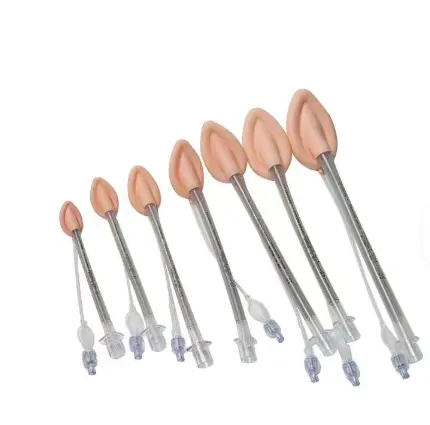
Understanding Disposable Silicone Laryngeal Masks
What Makes It Different From Conventional Airway Devices?
A silicone laryngeal mask airway sits in the hypopharynx and forms a low-pressure seal around the laryngeal inlet. This is different from endotracheal tubes, which go through the vocal cords. Because this method lowers the stimulation that comes with deep intubation, it works best for short- to medium-length surgeries and cases where the patient breathes on their own.
Key Design Features
Clinicians can see any fluids or fog in real time through the device's clear, non-kinkable ventilation tube. The anatomical cuff expands to fit naturally in the space around the perilarynx. The pilot balloon valve is MR Safe because it doesn't have any metal parts. This is helpful in places where MRI compatibility is important.
Clinical Indications
If you need general anesthesia for an elective surgery, emergency airway rescue in "Cannot Intubate, Cannot Oxygenate" (CICO) situations, or quick airway establishment during pre-hospital resuscitation, silicone laryngeal masks are what you need. From Size 1 for babies under 5 kg to Size 5 for big people over 70 kg, there is a size for every patient weight range.
Benefits and Performance Comparison
The clinical difference is clear right away when teams move from PVC to disposable silicone laryngeal mask breathing masks. The way silicone is made directly affects how well patients do, and the fact that it can only be used once changes how infections are controlled in a real way.
These are the main performance benefits you should know about:
- Reduced post-operative sore throat: Medical-grade silicone is significantly softer than PVC. Clinical evidence indicates it can reduce pharyngeal discomfort by up to 40% compared to rigid PVC masks, according to data published in peer-reviewed anesthesia journals.
- Hypoallergenic composition: The silicone formulation is latex-free and phthalate-free, eliminating allergy risks for sensitive patient populations, including pediatric and immunocompromised patients.
- Secure seal at low cuff pressures: The cuff maintains effective ventilation at pressures typically below 60 cm H₂O, which lowers the risk of pressure-related mucosal injury and nerve compression during longer procedures.
- Single-use infection control: Reusable devices carry residual contamination risks even after sterilization cycles. Disposable silicone models remove that variable entirely, aligning with HAI prevention guidelines recommended by the CDC and WHO.
Medical-grade silicone is much softer than PVC, which means you will have less sore throat after surgery. According to research released in peer-reviewed medical journals, it can ease pharyngeal pain by as much as 40% compared to rigid PVC masks.
How to Use Disposable Silicone Laryngeal Masks: Best Practices
Preparation and Size Selection
Use the normal sizing guide to choose a size based on the patient's weight: Size 1 is for people who weigh less than 5 kg, Size 2 is for people who weigh 10 to 20 kg, Size 2.5 is for people who weigh 20 to 30 kg, Size 3 is for people who weigh 30 to 50 kg, Size 4 is for people who weigh 50 to 70 kg, and Size 5 is for people who weigh more than 70 kg. Check the quality of the packing before opening it. Fully deflate the cuff and put a small amount of water-based lubricant on the back of it.
Insertion Technique
Hold the device like a pen and move it along the hard palate while applying smooth, continuous pressure until resistance shows that it is in the right place. Boost the cuff until it reaches the right size's recommended volume. Check the location by looking at the monitor's end-tidal CO2 waveform and contralateral chest rise.
Post-Use Disposal
Deflate the cuff all the way before taking it off after the operation to reduce mucosal strain. As directed by your institution's infection control policy, throw away the device as controlled medical trash. Do not try to reuse or re-sterilize. The device has been tested and found to be structurally and materially sound for a single use only.
Procurement and Sourcing Guide for B2B Clients
Quality Certifications to Require
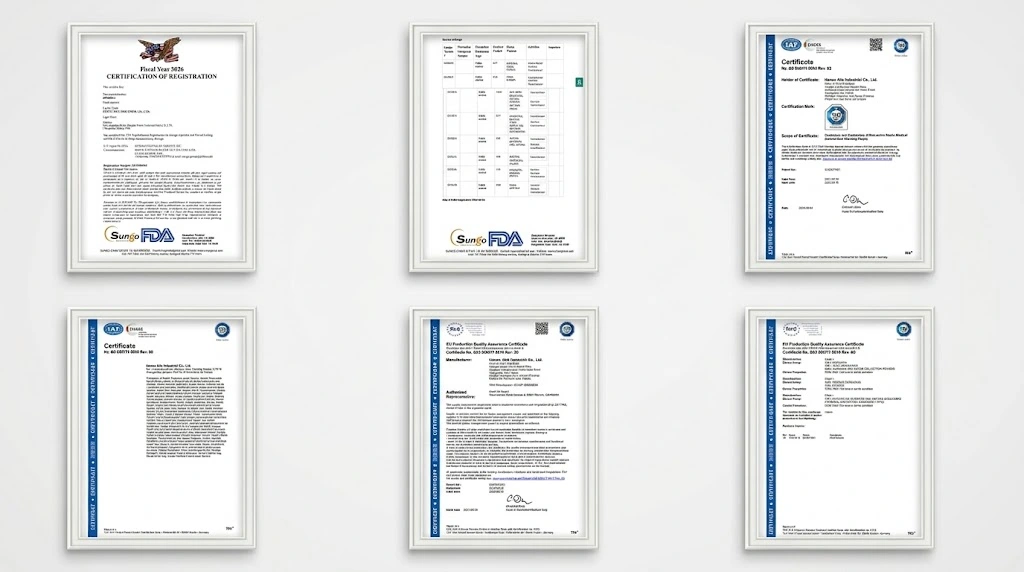
You should look for a disposable silicone laryngeal mask provider that has both the EU Medical Device Regulation's CE marking and ISO 13485 approval for quality management systems. For sale in the United States, you need FDA 510(k) clearance. For local registration in controlled markets, you need a full technical file that includes the Design History File, the Risk Analysis according to ISO 14971, and the biocompatibility data according to ISO 10993.
Key Evaluation Criteria
Ask for documented cuff integrity test results that show 100% unit-level leak testing, connector tensile strength data according to ISO 5356-1, and EO sterilization validation reports that confirm a sterility assurance level of SAL 10°C when comparing suppliers. Before placing a large order, ask for samples in all five sizes. This is because the first and second pediatric sizes need to be made with tighter tolerances.
OEM and ODM Sourcing Options
Collaboration with a maker that allows ODM design is a smart move for brand owners who want to create a unique line of products. Variables that can be changed usually include the length of the ventilation tube, the size of the cuff, the specifications for the connector, and the design of the label and packaging. Aile Industrial Co., Ltd. makes AVACARE and has a wait time of 30–45 days and a minimum order size of 2,000 pieces. They can do both OEM and ODM work.

Making the Right Choice: Decision-Making Framework for Procurement
Define Your Clinical Requirements First
Make a map of your usage area before you contact providers. The mix of surgery specialties should be taken into account by hospital-based sourcing teams. For example, airway control is different for ENT, pediatric, and cardiac operations. In order to get emergency medicine, you need equipment with the quickest injection profile possible. Before you talk about prices, these requirements narrow down the list of suppliers you're interested in.
Evaluate Suppliers on Four Dimensions
Check each candidate's supporting documents for product quality, legal certifications that cover your target markets, production capacity compared to your expected yearly volume, and timeliness during the sample evaluation phase. No matter how much they charge, a supplier whose seals don't work the same way in different sizes, especially kids' sizes, is a liability.
Long-Term Partnership Considerations
Supply continuity, clear technical support, and a shared desire to make products better are the building blocks of the strongest procurement relationships. Active research and development programs and patent portfolios from suppliers show that they plan to invest in this product area for a long time. AVACARE has seven national patents and works out of a 12,000 m² building with Class 100,000 cleanrooms that can make one million pieces per week.

Conclusion
When it comes to clinical effectiveness, a disposable silicone laryngeal mask airway is a clear improvement over PVC alternatives. It provides a more flexible pharyngeal seal, lessens irritation of the mucosa, and gets rid of the need to keep infections under control that comes with reusing devices. Which provider gets a long-term contract depends on clinical performance data, full certification paperwork, and ODM customization options. This is how procurement teams build or improve their anesthesia supplies portfolio. When you work with the right manufacturer to get the right device, you protect both your patients and your brand's reputation.
FAQ
Why is silicone preferred over PVC for single-use laryngeal masks?
PVC is harder, less bendable, and not as bad for living things as silicone. It molds better to the shape of each person's pharynx and makes a better seal at lower cuff pressures. Studies have shown over and over that silicone devices lower the risk of sore throats after surgery.
Can this device be sterilized and reused?
No. It can only be used once. For one process only, the material and structure are proven to be strong. Trying to sterilize something again hurts the device's performance and puts patients at risk.
How do I confirm correct sizing?
Sizes are chosen by the patient's weight. There are five sizes, from Size 1 (for babies under 5 kg) to Size 5 (for people over 70 kg). One of the most common reasons seals fail is using a mask that is the wrong size.
What is the shelf life?
The safe shelf life is five years if it is kept in a cool, dry place in its original, undamaged package.
Is this device MRI compatible?
Yes, the device is MR Safe, meaning it can be used in MRI-guided procedures, because it has non-ferrous parts in the pilot balloon valve.

Partner With AVACARE for Your Airway Management Supply Needs
The disposable silicone laryngeal mask from AVACARE is CE and ISO 13485 certified, has 7 state patents, and is made in a cleanroom-grade factory that can make 1,000,000 pieces per week. Our team is ready to help you with your sourcing from the sample stage all the way through to the contract stage. Whether you need a reliable disposable silicone laryngeal mask supplier for large-scale distribution or a manufacturing partner for custom product development, we can help. To get samples or a unique price, email us at admin@aileindus.com or go to ailemedicals.com.
References
1. Brimacombe, J. R. (2004). Laryngeal Mask Anesthesia: Principles and Practice (2nd ed.). Saunders.
2. Brain, A. I. J., Verghese, C., & Strube, P. J. (2000). The LMA 'ProSeal' — A laryngeal mask with an oesophageal vent. British Journal of Anaesthesia, 84(5), 650–654.
3. Hohlrieder, M., Brimacombe, J., von Goedecke, A., & Keller, C. (2007). Post-operative nausea, vomiting, airway morbidity, and analgesic requirements are lower for the ProSeal laryngeal mask airway than the tracheal tube in females undergoing breast and gynaecological surgery. British Journal of Anaesthesia, 99(4), 576–580.
4. International Organization for Standardization. (2016). ISO 10993-1: Biological Evaluation of Medical Devices — Part 1: Evaluation and Testing Within a Risk Management Process. ISO.
5. Difficult Airway Society. (2015). Difficult Airway Society 2015 guidelines for management of unanticipated difficult intubation in adults. Anaesthesia, 70(11), 1105–1117.
6. Seet, E., Yousaf, F., Gupta, S., Subramanyam, R., Wong, D. T., & Chung, F. (2010). Use of manometry for laryngeal mask airway reduces postoperative pharyngolaryngeal adverse events. Anesthesiology, 112(3), 652–657.