1.2m Standard IV Infusion Set 20 Drops/ml: Infusion Rate Calculation & Clinical Application Guide
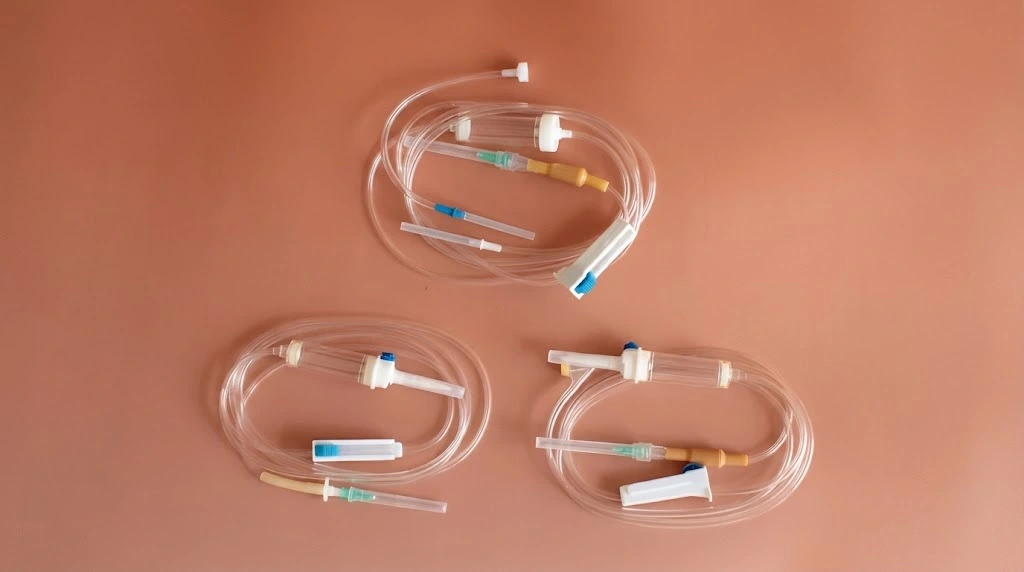
When precision matters most in intravenous therapy, understanding the specifics of your infusion equipment becomes paramount. The Standard IV Infusion Set–1.2m 20 drops/ml represents a carefully calibrated medical device designed for controlled gravity-driven administration of parenteral fluids and medications. This configuration features a 1.2-meter tubing length optimized for bedside clinical efficiency, paired with a macro-drip chamber delivering exactly 20 drops per milliliter. Healthcare professionals worldwide rely on this standardized specification to ensure accurate dosing, minimize medication errors, and streamline clinical workflows across diverse treatment settings.
Understanding the Standard IV Infusion Set 1.2m 20 Drops/ml
The design of this infusion set solves some of the most important problems that procurement specialists and clinical teams face every day in healthcare settings. Construction is based on medical-grade materials, such as PVC or DEHP-free alternatives. These materials make sure that the product doesn't kink and stays clear so that bubbles can be easily seen during administration.
Core Specifications and Medical-Grade Construction
These sets are made by AVACARE in a 12,000-square-meter factory with Class 100,000 cleanrooms that meet the highest quality standards around the world. The device has several important parts that work together: a precision-molded dropper tip that is calibrated to ISO 8536-4 standards, a clear drip chamber that lets you see what's going on, flexible tubing that won't crimp, and a roller clamp regulator that lets you make small changes to the flow rate. Ethylene Oxide gas sterilization gives each set a level of purity guarantee of 10^-6. Each set comes individually packaged in a way that doesn't use latex or heat to prevent allergic reactions.
Integrated Safety Features for Infection Prevention
Hospital-acquired infections are a big problem for hospitals all over the world. This infusion set solves that problem by having several layers of protection built right into it. A 15-micron fluid filter gets rid of particles before they get into the patient's bloodstream. An air-inlet filter built into the filter makes sure that fluid flows freely from glass containers. The anti-reflux check valves stop blood from flowing backward and let air in during treatment. This greatly lowers the risks associated with infusions. All of these features help procurement managers keep quality standards high while keeping costs low in healthcare settings with a lot of patients.
Clinical Applications Across Treatment Environments
These sets are used in a variety of situations by healthcare organizations. The optimal 1.2-meter length is good for inpatient bedside therapy because it keeps extra tubes from getting tangled in bed rails while still letting the patient move around. The 20 drops/ml macro-drip capacity is used by emergency rooms to quickly replace fluids during trauma resuscitation when high-volume hydration is needed. Outpatient infusion clinics like how simple the formulas are for giving antibiotics and keeping chemotherapy patients hydrated, since they don't need to do any complicated setting for the electronic pumps. Intensive care units use the precision drip formation to meet strict needs where correct medication use has a direct effect on how well patients do.
Infusion Rate Calculation & Dosage Accuracy with 20-Drop/ML Sets
Getting the right flow rate estimates is important for giving the right medicine. Knowing how to use the drop factor to figure out injection rates will make sure that your healthcare staff follows treatment plans exactly as written, which protects patient safety and makes the best use of resources.
The Essential Formula for Gravity Infusion
Flow rate (drops per minute) = [Total volume (ml) × Drop factor (drops/ml)] ÷ Time (minutes). This method works in all healthcare situations. With a drop factor of 20 drops/ml, this configuration has a lot of benefits. In real life, giving 1000 ml of normal saline over 8 hours means changing the time to minutes (480 minutes) and then figuring out (1000 × 20) ÷ 480 = 41.67 drops per minute, which is about 42 drops per minute when rounded for ease of use.
Practical Examples for Common Clinical Scenarios
The nurses on your staff have to deal with different treatment needs every day. Giving 500 ml of Ringer's lactate over 4 hours is equal to (500 × 20) ÷ 240, which is 41.67 drops per minute. It takes (250 × 20) ÷ 90 = 55.56 drops per minute to give out 250 ml of antibiotic solution over 90 minutes. With the standard 20 drops/ml measurement of the Standard IV infusion Set–1.2m 20 drops/ml, these calculations become second nature, letting bedside adjustments be made more quickly without the need for electronic help. The macro-drip configuration works best for adult patients who need moderate to high fluid volumes. This is different from 60 drops/ml micro-drip sets, which are only used for pediatric applications or medications that need to be controlled very precisely.
Troubleshooting Flow Rate Inconsistencies
Several things can change the predicted rate of infusion, even if the values are correct. When air bubbles get stuck in the drip chamber, they lower the effective fluid column pressure, which slows down the delivery rate. When the patient moves, the roller clamp may move out of place, so it needs to be checked every so often. Flow resistance is created when the tubing gets kinked because the patient moves or when equipment gets in the way. Changes in the viscosity of a fluid, especially when it comes to blood products or lipid emulsions, can change how drops form. Your staff should keep an eye on the drip chamber on a regular basis, make sure the IV bag is at the right height above the insertion site, and make sure the tube runs smoothly without any points of tension to keep the delivery rates steady.

Comparing IV Infusion Set Options: Why Choose the 1.2m 20 Drops/ml?
Before making a purchase decision, you need to know how different specifications affect operational costs and clinical performance. Which infusion set is best for your facility depends on a number of configuration factors.
Tubing Length: 1.2m versus 1.5m Considerations
The 1.2-meter length is the standard for stationary bedside therapy and is the best compromise between functionality and efficiency. This arrangement cuts down on prime volume, which is the amount of fluid needed to fill the tube before it gets to the patient. This keeps expensive medicines from going to waste. Shorter tubing cuts down on empty space where medication could stay after the infusion is over, which makes dosing more accurate. The short length makes the workspace more organized and less dangerous for staff who are moving around patient beds. On the other hand, 1.5-meter sets have more reach and can be used when there needs to be more space between the fluid source and the insertion site. This is useful for patients who need to be moved around a lot during treatment or who are in special beds. This choice should be based on the plan of your building and the types of patients who will be using it.
Drop Factor Selection: 20 Drops/ml versus Alternative Calibrations
The 20 drops/ml macro-drip specification is for adult patients who need to be given standard to high volumes of fluid. This drop factor makes mental numbers easier because 20 drops per minute is close to 1 ml per minute, which lets you make quick estimates at the bedside. Other calibrations include 15-drop/ml sets, which have slightly slower baseline rates and are better for older patients who might get too much fluid, and 60-drop/ml micro-drip sets, which are more accurate for pediatric use or strong medicines that need tight dosing control. Your approach for choosing a drop factor should be based on the amount of fluid needed, how easily the patient's fluid balance can be upset, and the way the medicine works.
Quality Benchmarks and Manufacturing Standards
Along with CE and FDA approvals, AVACARE has ISO 13485 recognition, which shows that it follows international standards for medical equipment quality management. Our manufacturing process uses automated production lines that make sure of consistency from batch to batch, which is very important for large distributors that supply many facilities. Seven national patents show that material science and clinical application merging are still being improved. These quality guarantees are especially important for purchasing managers who buy things for hospital networks in developing regions because they make it easier to get goods through customs and protect the safety of end users. Customers always say that the kink-resistant tubing of the Standard IV infusion Set–1.2m 20 drops/ml keeps the internal diameter the same, and the clear drip chamber makes tracking very easy. These are both very useful features that lower the risk of clinical incidents and make nurse work more efficient.
Procurement Essentials for Standard IV Infusion Sets 1.2 m 20 Drops/ml
Setting up reliable supply chains for medical devices that are used a lot means taking into account many business factors in addition to clinical requirements. Wholesalers that work with a lot of hospitals need suppliers who can adapt to changes in demand without lowering quality standards.
Minimum Order Quantities and Pricing Strategies
AVACARE lets you buy in bulk, with a minimum order quantity of 500,000 pieces. This fits with how large distributors that manage hundreds of clinical facilities usually use their products every month. This volume threshold makes factory-direct pricing possible, which has a big effect on margin structure in markets that are sensitive to price changes. Standard production wait times are 30 to 45 days. This gives you a good idea of when to restock your shelves, which is important to avoid running out of stock, which sends customers straight to your rivals. There are different ways to handle money and risk in different foreign markets, so payment choices like Letter of Credit and Telegraphic Transfer are flexible.
OEM and Custom Branding Opportunities
Private label development is a smart way for wholesalers to make their own brands that are seen as expensive and earn loyal customers. AVACARE offers full OEM and ODM support, letting customers create their own packaging, add their brand's name, and change specifications as long as they stay within approved limits. This feature lets you set your products apart in busy markets while keeping quality high thanks to our well-established manufacturing infrastructure. Confidentiality agreements protect the money you spend on developing your brand by limiting production to certain areas.
Certification Compliance and Regulatory Support
For customs clearance and regulatory approval, international distribution of medical devices needs a lot of paperwork. Each shipment comes with full certification packages that include ISO 13485 quality management system certificates, CE conformity declarations that meet the requirements of the European Medical Device Regulation, and FDA registration paperwork. The technical files list the ingredients in the material, the results of biocompatibility tests, and data on how well the material sterilized. These detailed records make it easier for you to ship goods into South Asia, Southeast Asia, Africa, and the Middle East, where regulations are different. This cuts down on clearance delays that stop supply chains.
Sample Evaluation and Quality Verification
We know that making bulk commitments means having faith in the product's performance. AVACARE gives you sample units to test out for yourself, so your quality assurance teams can do their own testing before approving big orders. Sample requests are handled quickly, and items are usually shipped within 3–5 working days. This method helps you control risk by making sure that the drip rate, seal integrity, and material quality all meet the requirements before you commit to orders for 500,000 pieces. After-sales support includes a quick and helpful customer service system that works through admin@aileindus.com and helps with technology questions and logistics issues throughout our relationship.

Clinical Application & Best Practices for Optimal Use
The right implementation protocols make sure that the Standard IV infusion Set–1.2m 20 drops/ml device works as well as possible while also protecting patient outcomes. Standardized processes help healthcare workers because they cut down on mistakes and make tools last longer.
Step-by-Step Installation for Consistent Results
Starting with good hand hygiene and wearing the right personal safety equipment is the first step in preventing infections. Check the sterile packaging for damage before opening it, and throw away any sets whose seals are broken. To stop the fluid from flowing out of control, close the roller clamp all the way before you spike the container. To put the pin into the container port, twist it firmly until it's fully in place. When you squeeze the drip chamber until it's halfway full, it's easy to see how many drops are in it. As you slowly open the roller clamp while holding the distal end over a trash container, fluid will fill the whole length of the tube and air bubbles will be sucked out. Once there are no more air pockets visible in the fluid at the connector, close the clamp. Connect to the venous access device using the right method, make sure the connections are secure so they don't come loose, and adjust the roller clamp to get the drip rate that was prescribed while keeping an eye on the drip chamber.
Safety Protocols for Infection Prevention and Patient Comfort
Using aseptic technique during administration stops bloodstream infections related to catheters, which can make hospital stays longer and cost more to treat. Check the places where the needles were inserted often for signs of infiltration, phlebitis, or infection. Make sure the IV is in the right place before starting the injection to avoid damage to the tissue from extravasation. Label the tubing with the start time and date, and replace sets as needed based on facility rules or manufacturer suggestions. Place the IV fluid container high enough above the insertion site—usually 36 inches—so that there is enough hydration pressure to keep the flow going smoothly. Keep the tubing from getting squished by the patient's body weight, the bed rails, or other equipment. Teach your patients to tell any pain, swelling, or changes at the insertion spot right away.
Real-World Performance in High-Volume Clinical Settings
In Southeast Asia, a regional hospital network put AVACARE infusion sets in 50 facilities, which provide about 2,000 infusion treatments every day. The clinical staff said that they had to change the flow rate 23% less often than with previous sources. They said that this was because the drip formation was more uniform and the tubing didn't kink. Lower priming volumes led to less medication waste in pharmacy departments, which saved money on expensive antibiotic and chemotherapy preparations. Managers in charge of the supply chain emphasized consistent on-time delivery and no stockouts in twelve months, even though demand changed with the seasons. This was seen as an important part of keeping service continuity across distributed healthcare networks.
Conclusion
Choosing the right configuration for an infusion set has a direct effect on clinical results, operating efficiency, and cost control in healthcare systems. The Standard IV infusion Set–1.2m 20 drops/ml is made with high-quality materials and follows tried-and-true design principles. It meets the practical needs of both large distributors and medical professionals. Using the standard 20-drops/ml drop factor to figure out the correct infusion rate makes giving medications at the bedside easier while keeping dosing accurate. The perfect 1.2-meter length organizes workspaces and provides useful reach in fixed patient care settings. Full certification compliance makes foreign marketing easier, and OEM capabilities that are flexible help brand development strategies that set your product apart in the market.
FAQ
How do I calculate the exact infusion time needed for a specific volume?
Time (minutes) = [Volume (ml) ÷ Drop factor (drops/ml)] ÷ Flow rate (drops/minute) with the standard formula changed. For example, it takes (1000 × 20) ÷ 50 minutes, or about 6 hours and 40 minutes, to deliver 1000 ml at 50 drops per minute.
Can this set be used with electronic infusion pumps?
Manual flow control is a big part of the standard design of a gravity infusion set. Before using it with peristaltic pumps, you need to make sure that the PVC material's durometer fits the pump's requirements so that the tube doesn't get damaged during compression cycles.
What is the shelf life and storage requirements?
If you keep these sets in a cool, dry place out of direct sunlight, they will stay germ-free for three to five years from the date they were made, which is written on each package. Always check the dates on food before using it.
Does AVACARE support private label manufacturing for distributors?
Our OEM services include designing unique packages, adding brand logos, and changing specifications as long as they stay within approved limits. Email our team at admin@aileindus.com to talk about your private label needs and the minimum order quantities for production runs with your brand.
Partner with a Trusted Standard IV Infusion Set–1.2m 20 Drops/ml Manufacturer
AVACARE has been making medical devices for ten years and has the production capacity to meet the needs of high-volume distributors who need consistent quality and on-time delivery. Our 12,000-square-meter building has quality management systems that are ISO 13485 certified. It also has CE and FDA clearances, which make it easier for you to ship your products around the world. Our team is here to help you through the whole procurement and delivery process, whether you need to ship 500,000 pieces a month to known hospital networks or form OEM partnerships to create your own brands. Send us samples of our products at admin@aileindus.com right now, or visit ailemedicals.com to see all of our medical goods and see how our production skills can help you reach your supply chain goals.
References
1. Phillips, L.D., & Gorski, L.A. (2019). Manual of IV Therapeutics: Evidence-Based Practice for Infusion Therapy. F.A. Davis Company.
2. Weinstein, S.M., & Hagle, M.E. (2021). Plumer's Principles and Practice of Infusion Therapy. Wolters Kluwer Health.
3. Alexander, M., Corrigan, A., Gorski, L., Hankins, J., & Perucca, R. (2018). Infusion Nursing: An Evidence-Based Approach. Saunders Elsevier.
4. International Organization for Standardization. (2020). ISO 8536-4:2019 - Infusion equipment for medical use: Infusion sets for single use, gravity feed. ISO Standards Catalogue.
5. Hadaway, L. (2020). Infusion Therapy: Clinical Application and Nursing Procedures. Journal of Infusion Nursing, 43(4), 201-215.
6. Centers for Disease Control and Prevention. (2021). Guidelines for the Prevention of Intravascular Catheter-Related Infections. Healthcare Infection Control Practices Advisory Committee.

_1782811410038.webp)