Why do blood transfusion sets use 10 drops/ml instead of 20 drops/ml?
When you're managing blood transfusions, every detail matters. The calibration of a Blood Transfusion Set 10 drops/ml directly impacts patient outcomes. Blood possesses significantly higher viscosity than standard intravenous fluids—approximately four times that of water. This physical property demands larger droplet sizes to prevent clogging and maintain consistent flow rates. A 10 drops/ml configuration creates macro-drips with wider orifice diameters, accommodating the dense cellular composition of whole blood and packed red cells without damaging fragile blood components through excessive mechanical stress.
Understanding Blood Transfusion Sets and Drop Factor Fundamentals
Blood transfer sets are specialized medical tools that are made to safely move blood products from storage bins into a patient's bloodstream. Unlike regular IV infusion systems, these ones deal with specific problems caused by the different parts of blood, like red blood cells, platelets, proteins, and possible micro-aggregates that form during storage.
What Is Drop Factor and Why It Matters?
One milliliter of fluid is equal to x number of drops from the drip chamber. This is known as the drop factor. The size of the orifice in the drip chamber is the only thing that affects this calibration. There are fewer drops per milliliter when the opening is bigger. Because of the connection between viscosity and flow physics, blood needs large drip tanks. When blood flows through small holes, it puts stress on the parts of cells that can break the cell membranes. This is called hemolysis. Putting intracellular potassium and free hemoglobin into the bloodstream can cause serious problems, especially in people who have had multiple blood transfusions.
Core Components of Modern Transfusion Sets
Modern sets for giving blood have a number of important parts that work together. The spike goes through the ports on the blood bag without contaminating them. The measured opening is inside the drip chamber, which lets you see the flow. Medical-grade tubing made of PP and PE that is clear lets you see bubbles in real time without letting plasticizers get into your blood. Micro-clots and other debris are caught by an inner filter that is usually 200 microns in size in AVACARE designs. The link to the patient is finished by the termination needle or catheter adapter. Each part is put through a lot of tests to make sure it can handle the forces that are put on it during fast transfusion scenarios.
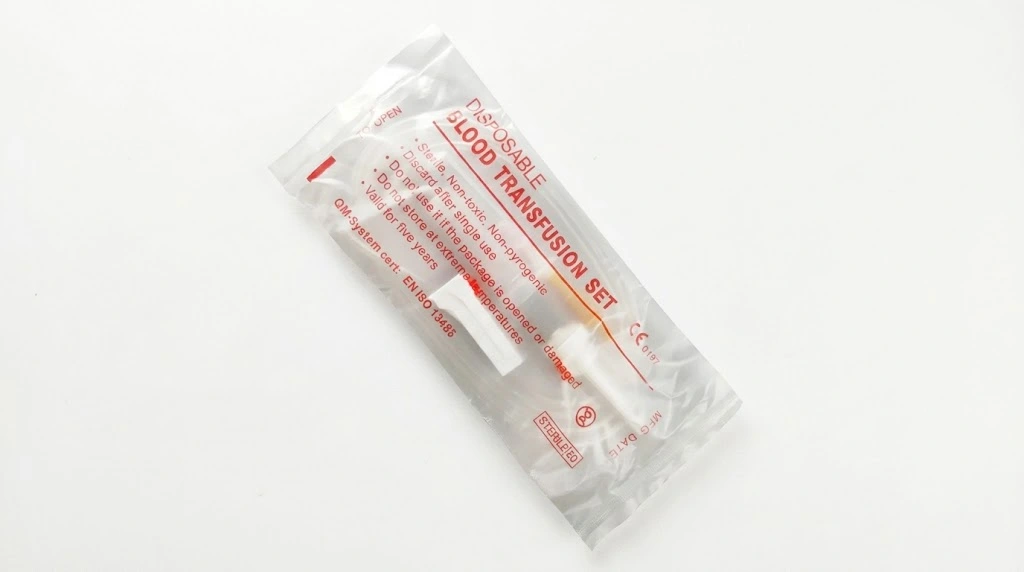
Why 10 Drops/ml Is Preferred Over 20 Drops/ml in Blood Transfusion Sets?
It is clear that macro-drip systems are better in terms of technology when you look at clinical performance data and the biophysical principles that control blood flow.
Blood Viscosity Demands Larger Droplets
When the solution is at body temperature, it has a viscosity of about 1 centipoise. Whole blood is 3–4 centipoise, but packed red blood cells can be more than 10 centipoise, it depends on the hematocrit amount. Too much resistance is made when thick blood is forced through the smaller holes in 20 drops/ml micro-drip sets. This resistance makes it harder for fluids to flow and raises the difference in pressure between cell walls. Transfusion medicine papers have released research that shows red blood cells' membranes change shape as they pass through narrow channels. Repeated deformation cycles make cell walls weaker, which causes hemolysis to happen too soon. This mechanical damage is greatly reduced by the larger droplet volume in Blood Transfusion Set 10 drops/ml sets.
Flow Rate Calculation Simplicity
Flow rate estimates are often done by the clinical staff who are in charge of transfers. Drops per minute = volume (ml) times drop factor divided by time (minutes) is an easier formula to use after macro-drip calibrations. For two hours, a patient who needs 500ml of packed cells needs a drip rate of about 42 drops per minute with a 10 drops/ml set. If you used a 20-drop/ml set, you would need 83 drops every minute for the same transfer. When adjustments are made by hand, counting higher drip rates introduces human error. When there is an emergency and the number needs to grow quickly, macro-drip ease is especially helpful. Trauma rules often call for broad donation rates because it's not possible to count each one individually. The 10 drops/ml setting gives you a good amount of volume while still letting you see some of it.
Filter Integration and Clot Management
When blood is stored, it forms micro-aggregates, which are small groups of platelets, fibrin strands, and cell waste that can't be avoided. These particles, which are usually 20 to 200 microns in size, need to be filtered before they get into the patient's bloodstream to keep lung problems from happening. AVACARE uses a 200-micron filter that meets two different needs: it needs to catch harmful particles while still letting enough air flow through it. The pressure difference across integrated filters is higher in 20 drops/ml sets because the orifices are smaller. This could force micro-aggregates through the filter holes or cause the filter to become saturated too soon. The macro-drip design keeps the operational pressures low, which lets the filters work as they should for the whole transfusion.
Procurement Considerations for Blood Transfusion Set 10 Drops/ml
When choosing where to get transfusion equipment, you have to weigh clinical effectiveness, regulatory compliance, and cost structures. Because it comes into close touch with blood vessels and organic products, blood transfusion equipment is usually regulated as a Class III medical device.
Quality Certifications and Compliance Standards
Getting ISO 13485 approval shows that a company cares about medical device quality control systems. This guideline says that controls during design, risk management, and monitoring after the product has been sold must be recorded. The CE mark shows that the Blood Transfusion Set 10 drops/ml product meets the requirements of the European Medical Device Regulation. This includes biocompatibility testing according to ISO 10993 standards. Both certifications are kept up to date by AVACARE's yearly audits of our 12,000 m² production site. The Class 100,000 cleanrooms where the products are made keep particles from getting on them, which is very important for devices that come into contact with blood products. A Sterility Assurance Level (SAL) of 10°C is reached by EO gas cleaning methods. This means that the chance of a non-sterile unit is less than 1 in a million. The amount of ethylene oxide that is still present is less than 10ppm, which is a lot less than the 250ppm safety level set for devices that will be in touch with mucosa for a long time.

Minimum Order Quantities and Supply Chain Flexibility
Specialized blood bank sellers often have trouble keeping enough stock on hand. When compared to standard IV administration sets, blood transfusion sets are specialty items that are used less often. When the MOQ is high, it takes up a lot of warehouse space and working capital. AVACARE knows this is a problem, so they offer a minimum order number of only 5,000 pieces, which is a lot less than the average of 10,000 to 50,000 pieces in the business. This gives distributors the freedom to work with regional blood centers or smaller hospital networks. The 30-45 day lead time fits with how hospitals usually buy things and lets them keep a backup amount on hand. International deals can be more financially flexible when they accept both T/T and L/C as forms of payment.
OEM and Private Labeling Capabilities
Getting people to recognize your name in specialized medical gadget markets gives you an edge over your competitors. Private name goods are a way for distributors who work with blood banks and transfusion services to stand out. Our OEM program lets you change the graphics on the packaging, the instruction inserts, and the labels on the products, but the core technical specifications stay the same to make sure you stay in line with regulations. This service is especially helpful for distributors that want to bid on government contracts where local branding rules may apply. Since its founding in 2014, AVACARE has held seven national patents, which show that it continues to invest in research and development to make transfusion technology better. Partners benefit from these new ideas while also building their own brands in the market.
How to Choose the Right Blood Transfusion Set Flow Rate for Your Needs?
To choose the right transfusion equipment, you have to make sure that the device's specs match clinical guidelines and the types of patients you serve.
Assessing Patient Population and Transfusion Protocols
Controlled injection rates are needed to keep the blood flow from getting too high in pediatric patients and people whose hearts don't work well. For these situations, the 10 drops/ml standard is accurate enough. A 250ml transfusion given over four hours only needs 10 drops per minute, which is an easy rate to keep an eye on and change. Trauma centers that treat hemorrhagic shock put a high priority on fast volume growth, which is what macro-drip sets do. Hematology and cancer units that treat chronic anemia need reliable tools so that patients can get blood transfusions over and over again for the rest of their lives. Knowing these patterns of use helps procurement teams choose the right mix of products.
Compatibility with Existing Blood Banking Infrastructure
Standardized port designs are used on blood bags made by big companies like Fenwal and Terumo. Transfusion set spikes must go through these holes cleanly, without making particles or affecting the integrity of the seal. AVACARE tests its systems' interaction with the best blood bag systems to make sure they work well together. When stored properly, the high-quality stainless steel needles in our sets stay sharp and easily cut through bag membranes. Connection points that have been tested to handle 15N tensile forces keep the wires from coming apart by mistake when the patient moves or changes positions.
Maintenance and Storage Best Practices
With single-use Blood Transfusion Set 10 drops/ml transfusion sets, you don't have to worry about cleaning or the infection risks that come with it. The sterile units come in individual packages and only need to be kept at a controlled temperature and out of direct sunlight. Inventory management should follow the first-in, first-out rule and keep an eye on expiration dates, which for EO-sterilized products are usually five years from the date they were made. When staff are trained, they should be taught the right way to prime tubes so that they don't have any air in them before connecting them to patients. The clear tubing in AVACARE sets makes it easier to see that the whole system is primed and to keep an eye out for air bubbles while the transfusion is going on.
Case Studies: Real-World Applications of 10 Drops/ml Blood Transfusion Sets
Clinical performance data shows how the equipment you choose affects how well your patients do and how efficiently your business runs.
Regional Blood Center Improves Safety Metrics
A blood center that helps two million people switched from mixed transfusion set requirements to standard 10 drops/ml macro-drip sets. The change happened because of repeated hemolysis problems with micro-drip equipment that was used for packed red cell transfusions. Over the course of 18 months, after putting the standard procedure into place, the hospital saw a 67% drop in transfusion reactions caused by hemolysis. Lab tests on samples taken after the transfer showed lower amounts of free hemoglobin, which means that the red cells were more intact during administration. The technical head of the center said that the gains were due to better filter performance at lower working pressures and less mechanical stress from bigger orifice diameters.
Emergency Department Streamlines Trauma Protocols
A Level I trauma center that sees about 400 major trauma cases a year changed the rules for massive blood transfusions so that they only use 10 drops/ml sets. Using 20 drops/ml tools for controlled transfusions and pressure bags for fast infusion in the past caused misunderstanding during high-stress resuscitations. Standardizing on macro-drip sets made training easier, limited the types of equipment that could be put in crash carts, and got rid of the need for decision points during urgent interventions. Looking back at data from the trauma register showed that the median time to finish initial transfusion goals went down by 12 minutes. The nursing staff said they felt more confident in their ability to figure out drip rates and monitor flow rates when there were multiple patients at the same time.
Conclusion
The choice for Blood Transfusion Set 10 drops/ml comes from the basic qualities of blood and the needs of clinical practice. Because blood is very thick, it needs macro-drip orifices that keep the flow going without breaking down the blood. Flow rate estimates that are easier to do cut down on mistakes made by people during important interventions. Integrated filters work best when the pressures are low, which happens when larger droplet systems are used. When procurement professionals are looking for transfusion equipment, knowing these technical basics helps them make decisions about what to specify that balance clinical effectiveness, regulatory compliance, and cost-effectiveness. Blood banks and transfer services need reliable goods, and AVACARE's ISO 13485 and CE-certified products made in cleanrooms meet those needs.
FAQ
Can 10 drops/ml sets be used for rapid transfusions in emergency situations?
Of course. It is actually possible for thick blood products to run faster with macro-drip designs than with micro-drip designs. The bigger orifice width lowers resistance, which lets gravity-driven flow or pressure-assisted delivery get to target amounts fast without putting too much mechanical stress on blood components.
How do blood transfusion sets differ from standard IV infusion sets?
Blood transfusion sets have special filters (170-260 microns) that catch micro-aggregates and clots that form when blood is stored. The materials must be very biocompatible with blood components, and they can't contain plasticizers like DEHP that can get into blood products that are high in fats. Instead of micro-drip designs (60 drops/ml), normal IV sets use macro-drip calibrations (10–15 drops/ml).
What should I verify when evaluating transfusion set quality?
Ask for proof that the company is ISO 13485 certified and has the right governmental approvals for the places it wants to reach. Look over the sterilization validation reports that say SAL 10°C was reached and the results of the ethylene oxide residual testing. Check the filter's specs to make sure the nominal pore size is 200 microns. Check the accuracy of the data on the tensile strength testing of the connection points and the drip factor. In line with ISO 10993, biocompatibility tests should look at cytotoxicity, hemolysis, and sensitivity.
Partner with AVACARE for Reliable Blood Transfusion Equipment
Healthcare companies that need reliable macro-drip transfusion sets should look at AVACARE as a supplier for their Blood Transfusion Set 10 drops/ml. Our manufacturing skills combine production standards for clean rooms with a low minimum order quantity of just 5,000 pieces, so we can meet the specific needs of blood banking distributors. The medical-grade materials and built-in 200-micron filtering system keep patients safe while whole blood and component treatment are being given. We support OEM partnerships that allow private label development while still meeting the quality and certification standards that markets around the world expect. Email our team at admin@aileindus.com to talk about your specific needs, get technical specs, or set up a sample evaluation. Let us show you how AVACARE's experience making blood devices can improve the stability of your supply chain.
References
1. American Association of Blood Banks. Technical Manual, 20th Edition. Bethesda: AABB Press, 2020.
2. Brecher, M.E., and Hay, S.N. "Bacterial Contamination of Blood Components." Clinical Microbiology Reviews 18, no. 1 (2005): 195-204.
3. Cardigan, R., and Sutherland, J. "The Quality and Function of Blood Components During Storage." Vox Sanguinis 107, no. 3 (2014): 185-196.
4. Hess, J.R. "Red Cell Storage." Journal of Proteomics 73, no. 3 (2010): 368-373.
5. International Organization for Standardization. ISO 1135-4:2019 Transfusion Equipment for Medical Use – Part 4: Transfusion Sets for Single Use. Geneva: ISO, 2019.
6. Klein, H.G., and Anstee, D.J. Mollison's Blood Transfusion in Clinical Medicine, 12th Edition. Oxford: Wiley-Blackwell, 2014.

_1782811410038.webp)