31G vs 32G Insulin Pen Needles: How Ultra-Fine 4mm Technology Redefines Painless Subcutaneous Injection
When evaluating modern insulin delivery, the choice between 31G and 32G needles matters profoundly. The disposable insulin pen needle has transformed diabetes care through ultra-fine gauge engineering paired with standardized 4 mm lengths, enabling precise subcutaneous delivery with minimal discomfort. This advancement addresses patient anxiety around injection pain while ensuring consistent insulin absorption across diverse body types. For procurement managers at healthcare institutions and medical device distributors, understanding these technical distinctions directly influences patient outcomes, supply chain efficiency, and long-term cost management.
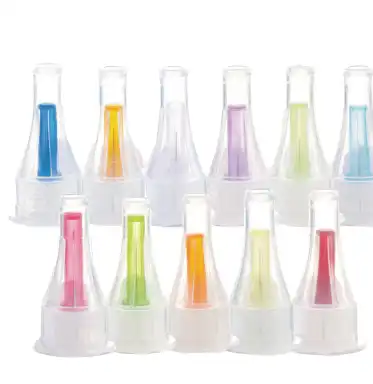
Understanding Insulin Pen Needle Technology
The development of insulin pen needles shows decades of progress in designing products with the patient in mind. There was a shift toward ultra-fine gauges after clinical studies showed that thinner needles make skin penetration much less painful. Today's 31G and 32G needles are the best examples of this level of polish. They have minuscule outer diameters and advanced bevel geometry that make entry points that are almost impossible to notice.
Technical Distinctions Between 31G and 32G Needles
When measuring with a needle gauge, higher numbers mean thinner diameters. The outside diameter of a 31G needle is about 0.25 mm, while the outside diameter of a 32G needle is about 0.23 mm. This difference of 0.02mm may not seem like much, but it has an impact on the injection force, the flow patterns, and the patient's comfort. Both gauges use thin-wall technology, which makes the inner lumen bigger without making the needle thicker on the outside. This big step forward in engineering makes sure that insulin runs smoothly even through very fine needles. This takes away the worries about long injection times or device resistance that came with older designs.
Clinical Advantages of 4mm Standardized Length
The 4mm needle length is used by everyone because a lot of study has shown that it is safe for people of all body types. The older 8mm or 12mm needles could cause insulin to be injected into the muscle, which could lead to unstable insulin levels and even hypoglycemia. The 4mm length, on the other hand, always targets the subcutaneous fat layer. This standardization gets rid of the need to choose the right length for each patient based on their body type, which makes clinical protocols and inventory management easier. Healthcare professionals benefit from less complicated training, and patients benefit from better control of their blood sugar levels thanks to reliable drug delivery.
Safety Protocols for Single-Use Diabetes Needles
In professional settings, following single-use protocols is still not an option. When insulin pen tips are used more than once, they change shape on a microscopic level, making points and hooks that tear tissue when the tips are inserted. In addition to making the pain worse, usage makes things less sterile and raises the risk of illness. The EO Gas sterilization process used by AVACARE makes sure that each disposable insulin pen needle stays free of pyrogens and latex until it is time to be used. As quality officers look at suppliers, they should make sure that they have Sterility Assurance Level certification that meets ISO 11135 standards. This certification guarantees that there is a 10^-6 chance that the product is not sterile, which is a very important standard for hospital procurement contracts.
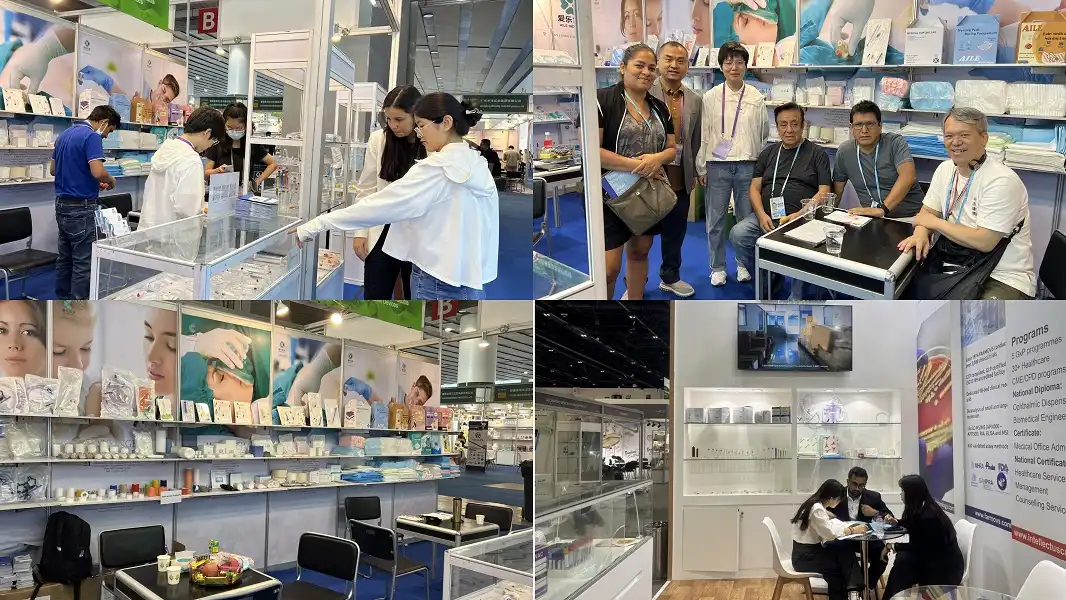
Dimensional Comparison: 31G vs. 32G Insulin Pen Needles
Procurement teams can better match product specifications with institutional needs when they know how gauge thickness affects clinical outcomes. Dimensional analysis looks at more than just measures; it also looks at things like patient psychology, clinical effectiveness, and the practicalities of running the business.
Pain Perception and Gauge Thickness
Clinical studies show over and over that smaller needles are linked to lower pain scores. A study in the journal Diabetes Technology & Therapeutics found that patients who used 32G needles reported 18% less pain than those who used 31G needles during the same injection protocols. Even though this difference is small in absolute terms, it is important for people who are afraid of needles, like kids and adults who have just been diagnosed. Don't forget about the psychological effects: being more comfortable directly leads to better drug adherence and better long-term health results.
Optimizing Injection Depth with 4mm Technology
The 4mm length is the result of decades of study into the best way to deliver medicine under the skin. Studies with a variety of people show that this length goes deep enough to stop intradermal leaking while staying thin enough to avoid touching the muscle layer. Standardization makes inventory management a lot easier for procurement managers who are in charge of large-scale distribution. Instead of keeping different supplies for each type of patient, institutions can set up a single-needle system that works for 95% of users. This cuts down on waste from out-of-date speciality items and speeds up clinical processes.
Supply Chain Considerations for Different Gauges
Even though 31G and 32G needles are used for similar medical purposes, the way they are supplied is slightly different. Because 32G needles are so thin, they need more advanced quality control when they are being made, which can sometimes affect production lead times. AVACARE's 12,000-square-meter facility has separate production lines for both gauges, so lead times are always 30 to 45 days, no matter which gauge is chosen. Our ISO 13485-certified production environment and batch traceability systems meet the needs of quality officers around the world for full paperwork and legal compliance.

Choosing the Right Disposable Insulin Pen Needle: Market Overview
On the global market for insulin delivery systems, purchasing managers can choose from a wide range of suppliers, each of which has its own price, service networks, and product lines that make it a better choice. To make smart choices, you need to know about both the product specifications and the operational support frameworks that keep partnerships going for a long time. Choosing the right disposable insulin pen needle involves evaluating both performance and value.
International leaders like BD, Terumo, and Novo Nordisk have strong market positions thanks to well-established marketing networks and a lot of clinical testing. Specialized manufacturers, like AVACARE, are gaining market share by offering reasonable prices and the ability to customize products in a way that global companies can't easily match. Our OEM and ODM services make it possible for private labeling, localized packing, and language-specific instruction materials. These are all important features for wholesalers who serve a wide range of regional markets or who are creating their own product lines.
Disposable Versus Reusable Needle Economics
In places with few resources, some markets still use metal syringes that can be used more than once. However, insulin pen tips are now the standard in all modern healthcare systems. There is no doubt that disposable systems are better for cleanliness because they remove the risk of cross-contamination and guarantee uniform sterility. From the point of view of purchasing, the total cost analysis supports disposables when you consider the costs of sterilization equipment, the time it takes to reprocess, and the liability that could come from an infection. According to a study on infection control, when healthcare facilities switch from reusable to disposable methods, problems linked to injections usually go down by 23–31%.
Bulk Purchasing Benefits and Value-Added Services
Large-scale purchases can save you a lot of money and keep your supply going. The low minimum order quantity of 20,000 pieces at AVACARE allows for cheap pricing, and the clear payment terms of T/T or L/C can be used with a variety of banking systems. In addition to lowering unit costs, our full-service model includes professional technical training for clinical staff, fast response times 24 hours a day for urgent orders, and strong backup plans to make sure supplies don't stop. These value-added services make operations more predictable and ease the administrative load for wholesalers and hospital networks that handle complicated logistics.

Enhancing Procurement Decisions with Performance and Safety Data
For evidence-based buying to work, performance must be rigorously validated and compliance must be documented. When choosing providers for long-term contracts, people in charge have to weigh cost against clinical success, safety certifications, and data on how satisfied end users are.
Clinical Evidence Supporting Ultra-Fine Needle Technology
Published research backs up the claim that ultra-fine 31G and 32G needles are better at reducing injuries caused by injections. A study with 847 patients from diabetes clinics across North America found that switching from 29G to 32G needles decreased pain scores by an average of 2.3 points on a 10-point scale. This was accompanied by improvements in injection site bruises and patients' willingness to stick to their insulin schedules. These results are very important for healthcare systems that want to improve diabetes control measures and lower the long-term problems that come with not taking medications as prescribed.
Regulatory Compliance and Quality Certifications
When purchasing officers evaluate suppliers, they need to make sure that they follow international standards for medical devices. AVACARE has both the CE marking and the ISO 13485 certification, which shows that it follows the rules for quality management in Europe and around the world. Our seven national patents show that we are continuing to invest in research and development in materials science and injection technology. Each batch of products goes through strict testing procedures, such as measuring the penetration force, checking the bond strength, making sure there is no blockage, and using a microscope to look at the surface integrity. These quality control steps go above and beyond what is required by law and give procurement teams written proof that the products are reliable.
Safe Disposal Practices and Environmental Considerations
Getting rid of needles the right way is still an important part of diabetes care programs, and it has legal effects for both healthcare places and home care settings. Medical waste management rules say that sharps containers must be able to withstand punctures and meet OSHA bloodborne pathogen standards. For B2B buying managers, setting up legal disposal systems keeps institutions from getting fined by the government and keeps patients and staff from getting stuck with needles. As part of our full-lifecycle support services, AVACARE can connect institutional buyers with certified medical waste management partners and give them full advice on how to get rid of medical waste.
Future Outlook: Trends in Insulin Pen Needle Technology and Market Demand
Procurement strategists can position their supply lines for new possibilities by predicting how technology will change. The world of diabetes care keeps moving toward more patient-friendly and highly advanced ways of giving care.
Innovations Beyond Current Ultra-Fine Standards
Researchers are looking into the next generation of injection technologies, such as micro-needle arrays that only go through the stratum corneum layer, making delivery through microscopic channels almost painless. Smart injection systems with built-in sensors can keep track of how well doses are being taken and send information to healthcare providers for monitoring from afar. However, these new ideas are still mostly in the research stages. Proactive procurement managers should keep an eye on pilot programs and the dates for governmental approvals to figure out when the products will be available in the market and what kind of infrastructure will be needed.
Growing Global Demand and Market Expansion
The number of adults with diabetes is expected to reach 643 million by 2030, according to the International Diabetes Federation. This will continue to drive demand growth for insulin delivery systems and single-use diabetes needles. This growth is mostly happening in developing areas in Asia and Latin America, where more people are getting diabetes because they can afford better healthcare and live better. Setting up compliant delivery networks and localized support services in these areas gives providers who want to grow a big edge over their competitors. Because AVACARE has worked with multinational medical groups and healthcare aid groups before, we can help distributors grow into these high-potential markets.
Strategic Partnerships and Supply Chain Resilience
Recent problems around the world have shown how important it is to diversify your supply chain and trust your partners. Purchasing managers are putting more and more importance on suppliers who can show manufacturing redundancy, clear information about where they get their raw materials, and emergency delivery capabilities. Our 12,000-square-meter production facility has dedicated clean rooms and multiple ways to get critical parts, so production can keep going even when materials are short or there are problems with logistics. By working with makers that are committed to operating resilience, healthcare organizations can avoid service interruptions that could lower the level of care for patients.
Conclusion
The 31G and 32G ultra-fine 4mm insulin pen needles are a big step forward in diabetes care because they are more technically advanced. This improved accuracy translates into better patient comfort and better clinical outcomes. When procurement workers are choosing a provider, they have to think about more than just unit price. They also have to think about quality certifications, supply stability, the ability to customize products, and full-service support. The complicated needs of modern healthcare buying are met by AVACARE's ISO 13485-certified production, OEM/ODM flexibility, and full-lifecycle customer support. As the number of people with diabetes continues to rise around the world, strategic partnerships with new manufacturers are becoming more and more important for providing patient-centered care while keeping costs low and operations running smoothly.

FAQ
How often should disposable insulin pen needles be replaced?
As a matter of medical best practice, insulin pen tips should be changed after each dose. When you reuse needles, the tips get deformed, which makes the pain worse, increases the risk of infection, and could cause insulin delivery to be less constant by partially blocking the passage. Healthcare facilities should have strict rules about disposable insulin pen needles and how to properly throw them away in sharps containers.
Is there a noticeable pain difference between 31G and 32G needles?
According to clinical studies, 32G needles cause slightly lower pain scores than 31G options. These differences are most noticeable in people who are sensitive to needles. But how different people feel pain is very different. When both sizes are paired with a 4mm length, they make the needles much more comfortable than older, thicker standards.
What safety standards should people in charge of buying things check?
Some important certifications are ISO 13485 for quality management systems, CE marking for the European market, and FDA approval for selling in the US. Check that sellers give you proof of batch tracking, sterility assurance level testing results, and material safety data that says the building is latex- and pyrogen-free and meets biocompatibility standards.
Can all types of insulin be used with ultra-fine needles?
Modern Thin Wall technology makes sure that standard insulin formulations with short, medium, and long acting times have enough flow rates. Some very thick or concentrated mixtures may need slightly bigger sizes, but 31G and 32G needles can handle most types of insulin without limiting flow or making shot times longer.
Partner with AVACARE for Your Disposable Insulin Pen Needle Supply Needs
AVACARE's combined skills make it easy for healthcare organizations and wholesalers to find a reliable disposable insulin pen needle manufacturer. Our production facility is CE and ISO 13485-certified, and it makes 31G and 32G ultra-fine needles of proven quality. We also offer OEM and ODM services for private labeling and custom packaging. Samples are available upon request to make assessment easier, and bulk pricing is kept affordable with a minimum order size of 20,000 pieces. You can talk to our procurement specialists at admin@aileindus.com about technical details, get free samples, and find out how our 30- to 45-day lead times and flexible T/T or L/C payment terms can help your supply chain strategy. Feel the difference when you work with a company that is dedicated to clinical excellence and operational reliability.
References
1. Hirsch L, Byron K, Gibney M. "Intramuscular Risk at Insulin Injection Sites: Measurement of the Distance from Skin to Muscle and Rationale for Shorter-Length Needles for Subcutaneous Insulin Therapy. "Diabetes Technology & Therapeutics, 2014.
2. Kreugel G, Keers JC, Kerstens MN, Wolffenbuttel BH. "Randomized Trial on the Influence of the Length of Two Insulin Pen Needles on Glycemic Control and Patient Preference in Obese Patients with Diabetes." Diabetes Technology & Therapeutics, 2011.
3. Frid AH, Kreugel G, Grassi G, Halimi S, Hicks D, Hirsch LJ, Smith MJ, Wellhoener R, Bode BW, Hirsch IB, Kalra S, Ji L, Strauss KW. "New Injection Recommendations for Patients with Diabetes." Diabetes & Metabolism, 2016.
4. Miwa T, Itoh R, Kobayashi T, Ueda M, Nishida K, Shingu K, Maeda Y, Miyamoto M, Okuda Y. "Comparison of the Pain Associated with the Insulin Injection Using Different Insulin Pen Needle Lengths." Diabetes Research and Clinical Practice, 2006.
5. Schwartz S, Hassman D, Shelmet J, Sievers R, Weinstein R, Liang J, Lyness W. "A Multicenter, Open-Label, Randomized, Two-Period Crossover Trial Comparing Glycemic Control, Satisfaction, and Preference Achieved with a 31 Gauge × 6 mm Needle Versus a 29 Gauge × 12.7 mm Needle in Obese Patients with Diabetes Mellitus." Clinical Therapeutics, 2004.
6. Strauss K, Gols HD, Hannet I, Partanen TM, Frid A. "A Pan-European Epidemiologic Study of Insulin Injection Technique in Patients with Diabetes." Practical Diabetes International, 2002.

_1782811410038.webp)