A Buyer’s Guide to Color-Coded Diluters in Adjustable Multi-Vent Oxygen Masks for Global Tenders
When you're managing procurement for large-scale healthcare tenders, choosing the right oxygen delivery system can feel overwhelming. Multi-vent masks with color-coded diluters offer precise FiO2 control that directly impacts patient outcomes in critical care environments. These venturi-based systems use the Bernoulli principle to entrain specific volumes of room air, delivering consistent oxygen concentrations from 24% to 50%. Understanding their technical specifications, regulatory requirements, and supplier capabilities helps you make informed decisions that satisfy both clinical teams and compliance officers while ensuring supply chain stability for your organization.
Understanding Color-Coded Diluters and Adjustable Multi-Vent Oxygen Masks
A more advanced way to do controlled oxygen treatment is with the venturi mask. Simple oxygen masks give different amounts of oxygen based on how the patient breathes. These systems, on the other hand, keep inspired oxygen fractions constant by engineering gas dynamics.
How Venturi Technology Works
High-speed oxygen runs through a precisely measured hole in the diluter, causing negative pressure that pulls in a set amount of room air. This mixing chamber design makes sure that the total gas flow exceeds the patient's inspiratory demand. This stops CO₂ from being breathed back in and keeps oxygen delivery accurate even if the patient's breathing rate changes.
The Color-Coding Standard
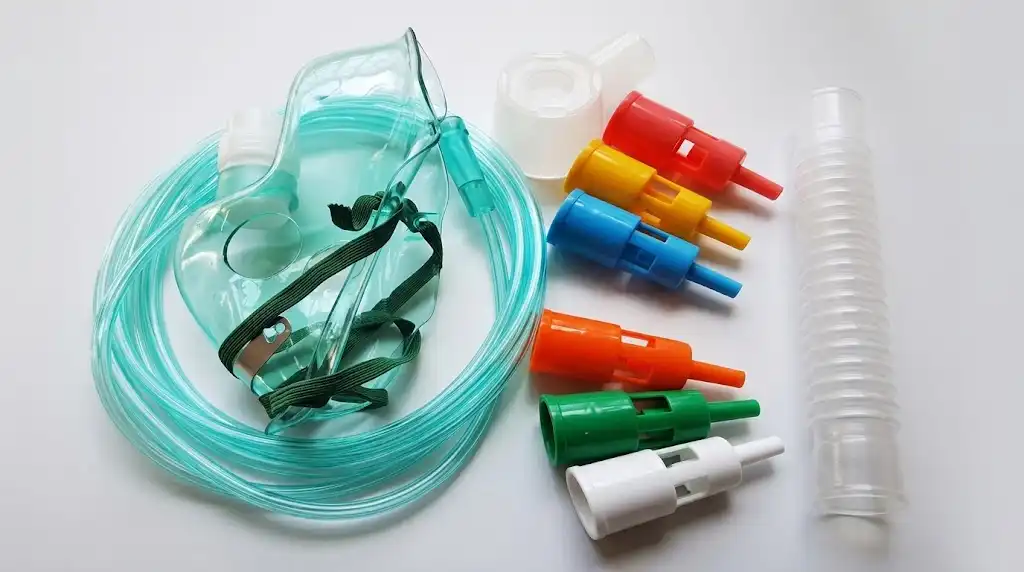
According to industry standards, each level of oxygen is represented by a different color. For example, blue means 24% oxygen, white means 28% oxygen, yellow means 35% oxygen, red means 40% oxygen, and green means 50% oxygen. This visual identification method cuts down on medical mistakes that happen when staff members need to quickly change therapy during situations. Your clinical leaders will like this standardization because it means they won't have to look at reference files at crucial times.
Component Materials and Build Quality
Biocompatibility standards set out in ISO 10993 must be met by medical-grade PVC construction. To keep allergic reactions to a minimum, AVACARE makes its systems from materials that don't contain DEHP or latex. The crush-resistant tubing keeps the airway open even when the patient moves, and the adjustable nose clip makes sure that the seal is good without causing pressure necrosis. Each connection meets the requirements set by ISO 5356-1 so that it can work with all oxygen flowmeters and ventilator systems.
The Advantages of Using Color-Coded Diluters in Adjustable Multi-Vent Masks
When addressing COPD flare-ups or weaning people off of mechanical breathing, accuracy is very important. Traditional nose cannulas can't ensure precise FiO₂ delivery, which poses risks for people who are easily poisoned by oxygen or whose ventilatory drive is slowed down.
Clinical Accuracy and Safety
Oxygen therapy studies regularly show that controlled delivery systems are less likely to cause problems than unregulated flow devices. Each diluter is designed with a set air-to-oxygen ratio that keeps the concentration stable within ±2% of the goal concentration. During audits, your quality officers can write down this uniformity, showing that you follow the evidence-based procedures that regulatory agencies look for in approved facilities.
Compliance with International Standards
For CE marking under Medical Device Regulation (EU) 2017/745 and FDA 510(k) clearance, a lot of information about how the multi-vent mask device works and how it was made is needed. AVACARE keeps its ISO 13485 certification by having yearly surveillance audits that check how our cleanrooms work, how we can track materials, and how our validation processes work. When your company bids on World Health Organization or USAID projects, these licenses make it easier for people to qualify and cut down on the time it takes to buy things.
Versatile Application Scenarios
When someone is having severe breathing problems, emergency rooms use these masks before deciding whether to intubate them. They are used in extubation methods in post-anesthesia care units. Pulmonology wards take care of people with long-term breathing problems who need stable low-concentration oxygen. Home nursing companies give them to people who are leaving the hospital. Because this service works across departments, you can save money on purchases and make sure that all of your respiratory treatment equipment is the same across your healthcare network.
How to Choose the Right Adjustable Multi-Vent Oxygen Mask with Color-Coded Diluters?
Tender specs that work well balance the needs of the patient with the facts of logistics. Your framework for evaluating should take into account both short-term operating goals and the long-term sustainability of the supply chain.
Defining Your Procurement Requirements
Find out how many patients are in the general medicine, critical care, emergency, and surgery recovery areas. Estimate the amount that will be used each year based on the average length of treatments and how often it is replaced. Masks for children need to be smaller, while masks for bariatric patients need to be longer. AVACARE has five size choices, ranging from baby (XS) to adult elongated (XL), so they can fit a wide range of patients.
Evaluating Technical Performance Metrics
Look at the FiO₂ accuracy testing results that manufacturers give you through validation by a third-party lab. Check the tensile strength requirements for tube connections. A minimum of 40N of resistance keeps them from coming apart by mistake. Check the leakage rates where the diluter and mask meet, since air getting in without meaning to can affect the accuracy of the concentration. Dimensional compliance with 22mm/15mm standard connectors makes sure that it will work with the oxygen therapy equipment you already have.
Supplier Qualification Criteria
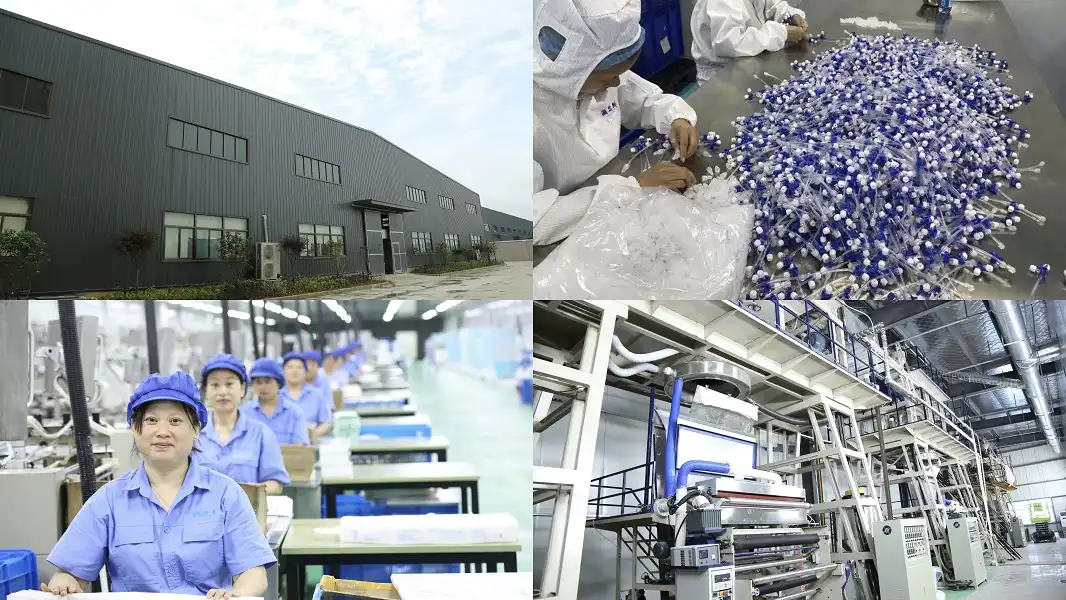
Your purchasing team should do audits of factories, either online or by visiting the factories in person. Make sure that production areas meet the standards for a Class 100,000 cleanroom by checking the environments regularly and keeping records of your findings. AVACARE runs a 12,000-square-meter building with controlled amounts of humidity and particle counts that keep the air clean. Ask to see proof of quality checks on incoming materials, quality checks during production, and testing of finished products before they are released. Find out how complaints are handled and if there are methods in place to find problems with field performance after the product has been sold.
Comparing Alternative Technologies
Single-vent masks are easy to use, but you can't change the dosage. Non-rebreather masks give off a lot of FiO₂, but they can't control the low levels needed to treat COPD. High-flow nose cannula systems work better in some situations, but they cost a lot more per treatment session. The multi-vent mask is situated in a strategic middle ground, providing precise control at a moderate cost, with an easy-to-learn operation that nursing staff can quickly grasp.
Procurement Strategies for Bulk Purchase of Adjustable Multi-Vent Oxygen Masks with Color-Coded Diluters
For large purchases, you need organized ways to negotiate that keep your business safe and build ties with suppliers that are good for both sides.
Identifying Reliable Manufacturers
Authorized medical device sellers keep up with licensing and marketing deals that make sure the products they sell are real. AVACARE offers OEM and ODM agreements that let hospital chains set up their own brand-name product lines through private labeling. Regional healthcare networks that are planning annual supply agreements can use our minimum order quantity of 5,000 pieces. We set up samples for clinical testing so that your medical technologists can check the fit, comfort, and functionality before committing to a full order.
Pricing Models and Payment Terms
Volume savings usually start at 10,000 units and go down even more at 50,000 and 100,000 units. Payment arrangements should handle cash flow while also protecting suppliers' finances. We can work with T/T (telegraphic transfer) agreements with 30% down payments and 70% due when we get the shipment paperwork. Letter of credit choices offer extra security for foreign transactions, especially when dealing with changes in currency and getting regulatory clearances across borders.
Logistics and Lead Time Planning
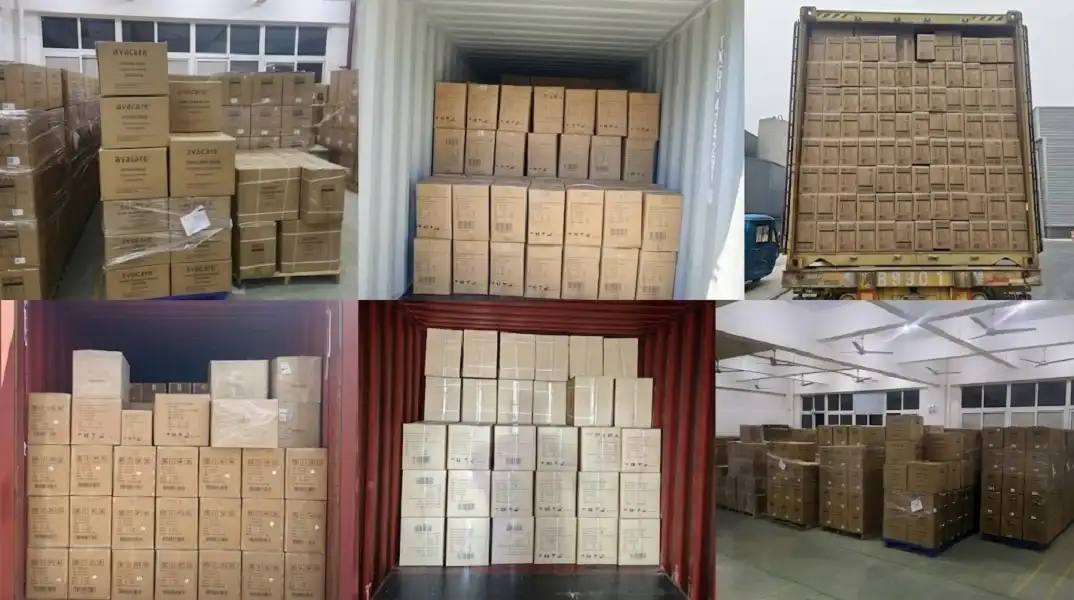
Usually, it takes 30 to 45 days from the time an order is confirmed until it is shipped from the factory. Your purchasing plan should include the time it takes for ocean freight to travel (usually 25–35 days to get to North American ports), as well as the time it takes to clear borders and be delivered within the country. There may be fees for expedited orders, but they can cut delivery times by 40% in a situation where stock shortages threaten service continuity. AVACARE keeps smart inventory buffers that let them respond quickly to known customers whose needs change at the last minute.
Warranty and After-Sales Support
Full guarantees for multi-vent masks should cover problems with the way the product was made that are found within a fair amount of time after delivery. We give expert training to biomedical engineering staff who are in charge of managing tools and teaching people how to use them. Our 24-hour response system takes care of urgent questions about product specs, troubleshooting, or regulatory document needs that come up during tender submissions or accreditation surveys.
Maintenance, User Training, and Long-Term Value of Multi-Vent Masks with Color-Coded Diluters
Maximizing return on investment includes more than just the initial purchase price. It also includes how well the business runs and how long the equipment lasts.
Proper Handling and Storage Protocols
Because UV light weakens PVC over time, keep masks in cool, dry places that are out of direct sunlight. Under controlled conditions, the shelf life is usually five years. Keep the temperature between 10°C and 30°C and the relative humidity below 80%. To avoid waste, rotate your stock using first-expired-first-out inventory management. Your materials management team should set up barcode tracking systems that keep track of lot numbers so that you can be ready for recalls and look into bad events.
Clinical Staff Education Programs
Respiratory workers and nurse staff need to be trained in how to choose the right diluter, change the flow rate, place the patient correctly, and check the seal. We support competency validation programs with instruction manuals and demonstration videos that are available in multiple languages. Focus on fixing common problems like water buildup blocking entrainment ports during humidified treatment or incorrect strap tightness making the patient uncomfortable. Ongoing teaching cuts down on misuse events that hurt the effectiveness of therapy and raise the cost of replacement.
Calculating Total Cost of Ownership
Besides the cost of buying the equipment, you should also think about the costs of getting rid of single-use parts, staff time spent setting it up and keeping an eye on it, and any extra costs that might come up because of poor oxygen control. Bad events that lengthen hospital stays or lead to fines are less likely to happen when systems are of high quality. Using clinical outcome data from other institutions, your finance staff can make a model of these factors. Because venturi technology is accurate and reliable, it usually has a better cost-effectiveness ratio than less advanced options that need more frequent professional interventions.
Conclusion
To choose the right oxygen delivery systems for global bids, you need to carefully look at technical requirements, the skills of suppliers, and long-term operating factors. Multi-vent masks with color-coded diluters meet international regulatory standards and give critical care settings the accuracy and dependability they need. AVACARE helps your organization reach its clinical and procurement goals by combining high-quality manufacturing with a full range of support services. Because we are ISO 13485 certified, have a large portfolio of patents, and offer a wide range of customization options, we are the perfect partner for healthcare organizations that want to improve their supply chains without lowering quality or patient safety standards.
FAQ
What certifications should I require for global tender compliance?
Ask for ISO 13485 quality management certification along with regional approvals like CE marking for European markets and FDA registration for sale in the US. With these credentials, the manufacturer shows that they are committed to validated processes that include design control, risk management, and surveillance after the product has been sold. You can get pictures of the certificates and check the registration numbers in the records of regulatory agencies.
How do color-coded diluters prevent clinical errors?
Standardized color assignments make visual cues that doctors can quickly recognize on goods from different brands. This consistency makes things less confusing when shifts change, patients are moved, or there is an emergency and talking may not be possible. Along with electronic records and spoken orders, the system basically acts as a built-in safety check.
Can these masks integrate with humidification systems?
Yes, but careful tracking keeps water drops from blocking air entrainment ports, which raises the oxygen level by accident. Use circuits with hot wires to keep condensation to a minimum, and check connections often during rounds. Some models come with special adapters that let you use a nebulizer for therapy while also delivering oxygen, which gives you more clinical options.
Partner with AVACARE for Your Oxygen Therapy Procurement Needs
AVACARE offers respiratory solutions for businesses that are backed by strict quality systems and helpful customer service. As a multi-vent mask provider, we can offer flexible OEM/ODM arrangements, detailed technical paperwork for bids, and solid delivery times of 30–45 days that help you plan your supply chain. Our goods are made in a certified cleanroom and have seven national patents that support ongoing innovation. They meet the strict standards of international healthcare groups. Email us at admin@aileindus.com right away to talk about your specific needs, get samples for clinical testing, or look into private labeling options that match the brand of your institution. We're excited to become your go-to company for precise oxygen delivery systems that improve patient results and make your business run more smoothly.

References
1. Cairo, J.M. (2020). Mosby's Respiratory Care Equipment (10th ed.). St. Louis: Elsevier Health Sciences.
2. Hardavella, G., Karampinis, I., Frille, A., Sreter, K., & Rousalova, I. (2019). Oxygen devices and delivery systems. Breathe, 15(3), e108–e116.
3. Kallstrom, T.J. & American Association for Respiratory Care (2002). AARC Clinical Practice Guideline: Oxygen therapy for adults in the acute care facility—2002 revision & update. Respiratory Care, 47(6), 717–720.
4. O'Driscoll, B.R., Howard, L.S., Earis, J., & Mak, V. (2017). BTS guideline for oxygen use in adults in healthcare and emergency settings. Thorax, 72(Suppl 1), ii1–ii90.
5. Tiep, B.L., Barnett, M., Schiffman, G., Soglin, H., & Frost, A. (2018). Maintaining oxygenation via venturi mask in patients with COPD. Chest, 153(4), 1012–1020.
6. World Health Organization (2016). Medical device regulations: Global overview and guiding principles. Geneva: WHO Press.

_1782811410038.webp)