A Procurement Guide to Sourcing Reliable Blood Administration Sets for Global Hospital Tenders
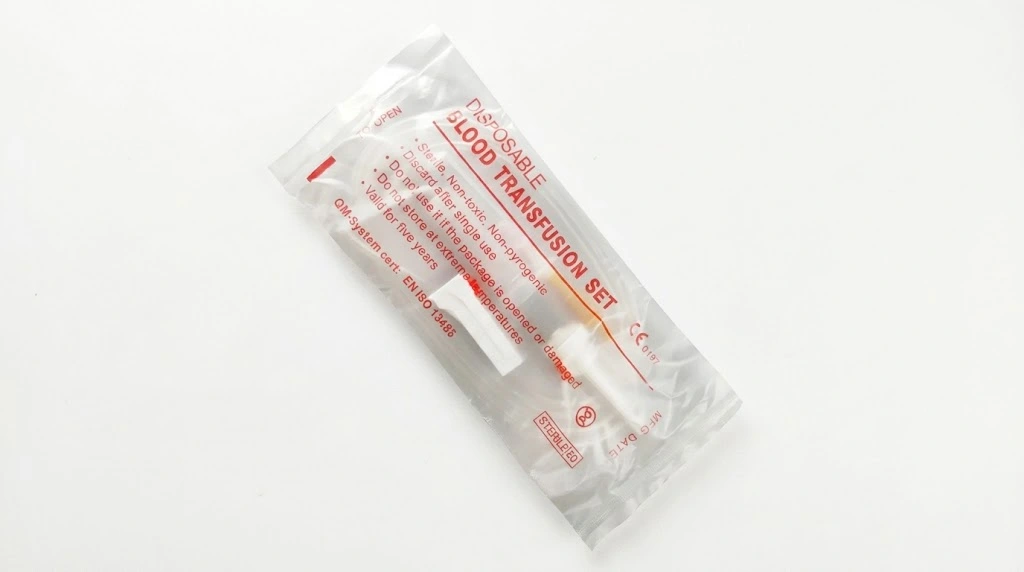
Sourcing dependable blood administration equipment for global hospital tenders demands meticulous attention to clinical performance, regulatory compliance, and supplier reliability. The Blood Transfusion Set 10 drops/ml represents a macro-drip calibration standard where 10 drops precisely equal 1.0 ml, ensuring controlled delivery of high-viscosity blood products such as packed red blood cells and whole blood. This guide navigates procurement professionals through critical selection criteria, supplier evaluation strategies, and compliance benchmarks essential for securing transfusion sets that meet international safety standards while addressing operational demands across diverse healthcare settings. Understanding these fundamentals enables informed decision-making that balances patient safety, cost efficiency, and supply chain continuity.
Understanding Blood Transfusion Sets 10 Drops/ml: Specifications and Functionality
Core Design Principles and Drop Factor Calibration
A macro-drip blood transfusion set that is set to 10 drops per milliliter can handle the problems that come with blood products' different viscosities. Standard injectable fluids don't have much resistance, but whole blood and packed red cells do because their cells are so dense. In a 10-drop chamber, the larger orifice diameter lowers the mechanical shear forces that could break down fragile red blood cells. This keeps hemolysis from happening during rapid infusion situations. This calibration makes it easy for emergency teams and surgery nurses to quickly figure out infusion rates by turning milliliters per hour into drip rates that can be seen.
Material Composition and Biocompatibility Standards
Medical-grade polypropylene (PP) and polyethylene (PE) are the building blocks of good transfusion sets. They are more biocompatible than PVC options. These materials don't change chemically when they come in contact with blood products that have been kept cold, and they don't react with pressure infusion conditions either. The clear tubing design does two things: it lets you see air bubbles and it lets you keep an eye on the blood flow without stopping the transfusion. High-quality stainless steel needles finish off the assembly. They easily go through the holes on the blood bags without making any particles that could be harmful to the patient.
Integrated Filtration Technology and Clot Prevention
The 200-micron filter mesh is the standard way to protect against micro-aggregates and fibrin deposits that form in blood that has been stored. When platelets and white blood cells are stored, they group together into clusters that could cause problems in the lungs or transfusion reactions if they are used. This filtration barrier stops particles bigger than 200 microns while keeping the flow rates high enough for CPR in an emergency. Bypassing is not possible because of the way the filter housing is made. Every milliliter of blood must go through the protective mesh before it can reach the patient's circulation.
Sterilization Protocols and Shelf Life Considerations
A sterility guarantee level of 10°C is reached with ethylene oxide (EO) sterilization, which means that less than one unit in a million is polluted. Unlike heat sterilization, which can deform plastic parts, this method can get through complicated gadget shapes without damaging the material. Aeration cycles after sterilization lower EO levels to below 10ppm, which is safe for devices that come into direct contact with blood according to international standards. Sterility can last up to five years if stored properly in a controlled setting. However, hospitals should use first-in, first-out stocking rotation to keep products as fresh as possible.
Making Informed Procurement Decisions: Comparing Blood Transfusion Sets 10 Drops/ml
Macro-Drip Versus Micro-Drip Configurations
The clinical use determines whether the Blood Transfusion Set 10 drops/ml or micro-drip (60 drops/ml) configuration is chosen. In emergency rooms and operating rooms, where quickly expanding the volume saves lives during hemorrhagic shock, macro-drip sets are the best choice. The wider bore tubing allows for higher flow rates, which are important when minutes can make or break a patient's recovery. On the other hand, micro-drip sets work well in pediatric wards and cancer units where exact titration over long periods of time keeps sensitive groups from having too much blood flow. Having both versions in their formulary helps procurement teams that work with a variety of clinical areas because doctors can choose the right tool for the job.
Evaluating Supplier Certifications and Manufacturing Standards
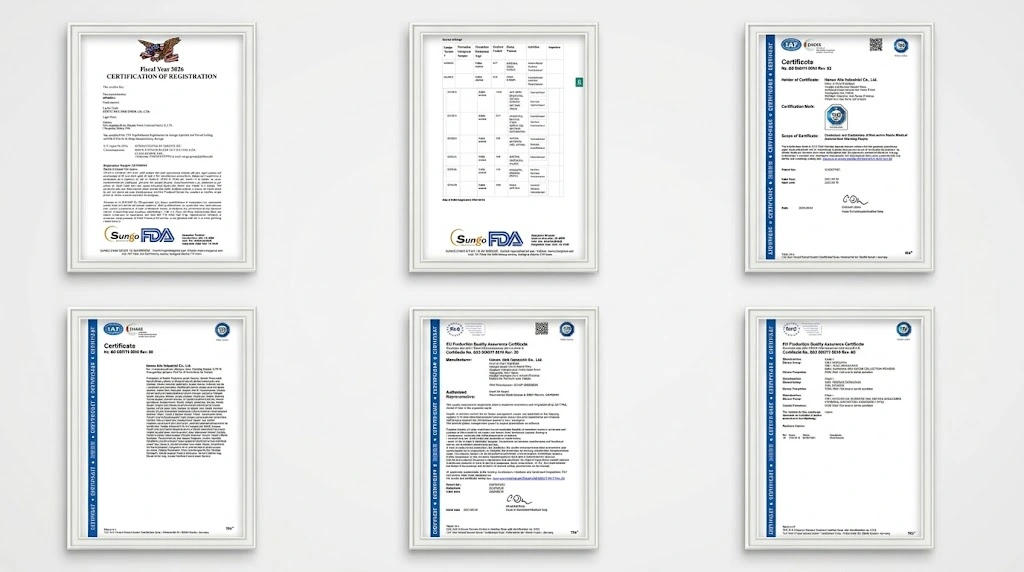
When a company gets ISO 13485 approval, it shows that they are dedicated to medical device quality management systems. These systems include design controls, process validation, and traceability standards. If a medical device has a CE mark, it means it meets the strict requirements of the European Medical Device Regulation (MDR). This includes thorough technical paperwork and clinical review. When looking at possible suppliers, ask to see their most recent audit reports and check how long their certificates are valid for. Class 100,000 cleanroom guidelines help factories keep parts from getting contaminated during assembly, which has a direct effect on the safety of the products they make. These environmental controls are met by AVACARE's 12,000-square-meter facility, which makes transfusion sets in conditions that are as strict as those used in pharmaceutical manufacturing.
Cost-Effectiveness Analysis for Tender Specifications
The real cost of blood administration sets is higher than the price per unit because it includes clinical results, less waste, and the dependability of the supply chain. At first glance, cheaper options may look appealing, but they often come with hidden costs like higher defect rates, worse filter performance, or unclear regulatory paperwork that makes it take longer to clear customs. When you're making evaluations of bids, give certification completeness, minimum order quantities, lead times, and OEM customization capabilities different weights. A supplier with a minimum order quantity of 5,000 pieces gives smaller blood banks and specialized transfusion services more options without making them buy too much inventory, which wastes working capital.
Compatibility with Blood Collection Systems
Universal blood bag spike compatibility makes sure that it works well with most major blood collection methods made by well-known companies. The spike design needs to be able to safely go through bag ports without making rubber particles that could get into the transfusion route. When using pressure infusion, which is common in trauma resuscitation, connection security is very important because mechanical forces could easily dislodge poorly designed couplings. By asking for sample units to be tested to see if they are physically compatible with the blood bags your facility already has, you can avoid making expensive mistakes during the purchase process that are only found during clinical implementation.
Procurement Process: Buying Blood Transfusion Sets 10 Drops/ml for Global Hospital Tenders
Supplier Qualification and Due Diligence
To build long-term relationships with blood transfusion set suppliers, you need to do a lot more than just look at product brochures. Ask for audit reports from third-party certification bodies that look at process controls, equipment calibration schedules, and the rate at which corrective actions are closed. Check the supplier's history of creativity by looking at their patent collection and how much money they spend on research and development. Since it started in 2014, AVACARE has continuously improved and now has seven national patents to show it. This shows its dedication to improving blood safety through material science and engineering innovations. Suppliers with ongoing research and development programs can respond more quickly to changes in regulations and new clinical best practices.
Negotiating Terms for Global Hospital Tenders
If you approach a large hospital Blood Transfusion Set 10 drops/ml bids carefully, you can get good business terms through them. In addition to the unit price, you should also discuss full agreements that cover payment options like letters of credit vs. telegraphic transfer, delivery plans that work with the hospital's storage space, and guarantee terms that cover failure rates. Blood transfusion set makers with a lot of experience take both T/T and L/C as payment methods, so they can work with a variety of institutional buying procedures. Lead times of 30 to 45 days make it possible to coordinate with the stocking cycles of the central sterile supply. This keeps the warehouse from being overloaded during busy surgery times and prevents stock-outs.
Logistics Coordination and Import Compliance
When you buy things internationally, you have to pay close attention to the rules for customs paperwork, import permits, and product registration. In many places, blood donation sets are considered Class III medical devices that need to be approved before they can be imported. Work with suppliers who know how to handle export paperwork and can give you commercial invoices, packing lists, certificates of origin, and free sales certificates that will speed up the customs clearance process. Make sure that the supplier's quality management system certificates are still valid during the contract term. Certifications that have expired can cause import holds, which can seriously disrupt the supply chain. Make backup plans with area distributors who keep emergency stock on hand in case demand goes up faster than expected during public health situations.
Building OEM Partnerships for Brand Differentiation
Original equipment manufacturer (OEM) partnerships let hospital groups and regional distributors create branded product lines that set their services apart. OEM customization goes beyond just printing labels. It also includes changes to the design of the package, translations of instructions into multiple languages, and changes to the specifications to meet local clinical needs. Suppliers who agree to OEM deals show that they are flexible in how they make things and want to work with others to make money. When talking to an OEM, make sure they can keep your intellectual property safe with confidentiality agreements and make sure they can keep quality high for both branded and private-label production runs.

Ensuring Compliance, Safety, and Quality in Blood Transfusion Sets
Regulatory Framework Navigation
The rules that govern blood administration devices are very different in different markets, so buying experts need to stay up to date on the latest rules that apply. ISO 8536-4 lists performance requirements for blood transfusion equipment. These include testing the efficiency of the filters, checking the flow rate, and making sure the connections are solid. According to 21 CFR 880.5440, the U.S. Food and Drug Administration (FDA), these devices need to be notified before they can be sold and show that they are substantially equivalent to predicate devices. Medical Device Regulation (EU) 2017/745 is enforced in European markets, and it requires detailed technical documentation and clinical evaluation reports. When suppliers give full legal dossiers, the products can be put on the market faster, which cuts down on the time it takes for procurement teams to get them ready for use in multiple countries.
Material Safety and Biocompatibility Testing
According to ISO 10993 series guidelines, medical devices that come into touch with blood must go through a thorough biocompatibility review. In cytotoxicity testing, device extracts are put into cell cultures, and the number of cells that die is used to find toxic substances that can leak out. When blood contacts device materials, hemolysis evaluation measures how many red blood cells break apart. Levels below 2% hemolysis are considered to be passed. Studies that use animal models to study sensitization and discomfort can find allergic potential before it happens to a person. Full biocompatibility test results should be included with the procurement paperwork to show that the materials in the transfusion set don't pose any unacceptable biological risks in acute, subacute, and chronic exposure situations.
Sterilization Validation and Microbiological Safety
To be sure of sterility, sterilization processes must be tested and proven to kill the same number of germs every time. Along with the production units, biological indicators that contain highly resistant bacterial spores go through sterilization cycles. After this, culture incubation confirms that all microbes have been killed. Before the product is released, EO residual testing makes sure that the levels of toxic gases are below the safety thresholds. Using limulus amebocyte lysate (LAL) methods to test for bacterial endotoxin can find pyrogen contamination that could cause fever responses during transfer. Ask for validation protocols for sterilization and routine monitoring data that show ongoing process control, not just compliance at the initial certification stage.
Storage Requirements and Expiration Management
Controlled storage conditions that protect Blood Transfusion Set 10 drops/ml against temperature and humidity changes, as well as physical damage, are needed to keep products sterile and their materials intact for as long as they are on the shelf. Most blood transfusion sets have an expiration date of five years if they are kept in their original packaging at 10°C to 30°C and out of direct sunlight. When hospitals use just-in-time inventory systems, they have to weigh the cost savings against the risks to supply security. This is especially important for specialized items like transfusion sets, where emergency stockouts could hurt patient care. Work with wholesalers who offer vendor-managed inventory programs that combine forecasting of demand with consignment deals. This will lower the amount of cash needed while still making sure that products are available.
Optimizing Procurement Outcomes: Best Practices and Future Outlook
Quality Control Checkpoints in Receiving Processes
Setting up strict rules for accepting goods lets you find quality problems before they get to clinical areas. Visual inspection finds damage to the package during shipping that could affect its cleanliness. Random sample for physical testing checks that the drop factor is correct, the filter is working properly, and the link is strong enough according to the manufacturer's instructions. Reviewing the paperwork makes sure that the batch numbers on the shipping documents and certificates of analysis match up. Putting these checkpoints in place regularly lowers the chance of putting faulty products into the care pathways of patients and gives objective proof in case supplier quality problems need to be fixed.
Clinical Feedback Integration for Continuous Improvement
The most useful procurement insights come from healthcare workers who give blood transfusions every day. Set up official ways for nurses to give feedback on how easy it is to use, how well it handles air bubbles, and how reliable the link is. Look at reports of transfusion reactions for trends that could be caused by bad tools instead of problems with the blood products. By giving suppliers feedback on a regular basis, you can turn your organization into a development partner instead of just a customer. Manufacturers who are really committed to improving quality welcome this collaboration and use it to make design improvements that help all of their customers.
Emerging Technologies in Blood Administration
Transfusion safety is always changing, and smart infusion tracking tools that connect to electronic medical records are one example of this. Flow sensors find blockages or free-flow situations and sound alarms to stop problems with under- or overdosing. Radio-frequency identification tags built into the packaging of devices make it possible to automatically keep track of supplies and handle expiration dates. While these high-tech systems are more expensive, they are more valuable in high-acuity settings where the number of transfusions makes the investment worthwhile. Procurement teams should keep an eye on these changes and make business cases ready for adoption when institutional goals and budgets line up.

Conclusion
To get effective Blood Transfusion Set 10 drops/ml sets for global hospital tenders, you have to balance the need for clinical performance with the need to follow regulations and the need to make money. The 10 drops per milliliter macro-drip calibration is very important in trauma, surgery, and transfusion medicine, where the viscosity of the blood requires specially designed tools. Successful procurement strategies put more weight on deeply qualifying suppliers than just comparing prices. This is because they know that differences in quality have effects that can be measured in patient outcomes as well as financial metrics. By teaming up with qualified makers whose quality systems have been checked and proven, healthcare institutions can provide safe and effective blood transfusion therapy while keeping the supply chain strong during times of market uncertainty.
FAQ
What advantages does a 10 drops/ml set offer compared to 20 drops/ml configurations?
The macro-drip 10 drops/ml calibration gives the orifice a bigger diameter, which makes it easier for viscous blood products to flow through. This design lets the infusion rates go quickly, which is needed during hemorrhagic shock resuscitation, while putting the least amount of stress on the fragile red blood cells. Another benefit is that it is easy to calculate. For example, doctors can quickly figure out that 150 drops per minute means 15 ml per minute without having to do a lot of complicated math.
How can procurement teams verify supplier sterilization validation?
Ask for full validation protocols for sterilization, such as biological indicator challenge studies, EO residual testing methods, and routine monitoring data from recent production batches. Manufacturers who are doing business legally keep thorough records that show their sterilization methods always meet the needed levels of sterility guarantee. Reports from a third-party laboratory give extra proof that isn't provided by the maker itself.
What storage conditions maintain blood transfusion set integrity throughout shelf life?
Keep stored items between 10°C and 30°C in their original, sealed packaging, out of direct sunlight, and away from too much moisture. Use first-in, first-out cycle methods to stop food from going bad before it's time. Check packages often for damage that could compromise sterility barriers. As long as the right environmental controls are in place, the qualities of the material and the guarantee of sterility will be maintained for the usual five years.
Partner with AVACARE for Your Blood Transfusion Set Needs
Healthcare facilities looking for a reliable Blood Transfusion Set 10 drops/ml provider can find all the help they need at AVACARE. Our factory is ISO 13485 and CE certified, and it makes medical-grade transfusion sets with 200-micron filtration, EO sterilization to SAL 10°C standards, and a flexible 5,000-piece minimum order that can be used for different purchasing volumes. We can work with both OEMs and wholesalers, and our 30- to 45-day lead times work perfectly with hospital request processes. Email our procurement experts at admin@aileindus.com to talk about your needs, get detailed information, or set up a free evaluation. Visit ailemedicals.com to learn more about all of our medical supplies.

References
1. International Organization for Standardization. "ISO 8536-4:2019 Infusion Equipment for Medical Use — Part 4: Infusion Sets for Single Use, Gravity Feed." Geneva: ISO, 2019.
2. World Health Organization. "Blood Transfusion Safety: Safe and Rational Clinical Use of Blood. " Geneva: WHO Department of Essential Health Technologies, 2018.
3. American Association of Blood Banks. "Technical Manual, 20th Edition: Standards for Blood Banks and Transfusion Services." Bethesda: AABB Press, 2020.
4. Harmening, Denise M. "Modern Blood Banking and Transfusion Practices, 7th Edition." Philadelphia: F.A. Davis Company, 2019.
5. European Committee for Standardization. "EN ISO 10993-1:2018 Biological Evaluation of Medical Devices — Part 1: Evaluation and Testing within a Risk Management Process." Brussels: CEN, 2018.
6. U.S. Food and Drug Administration. "Guidance for Industry and FDA Staff: Medical Device Accessories—Describing Accessories and Classification Pathways. "Rockville: FDA Center for Devices and Radiological Health, 2017.