What Is a Cuffed Oral Preformed Endotracheal Tube?
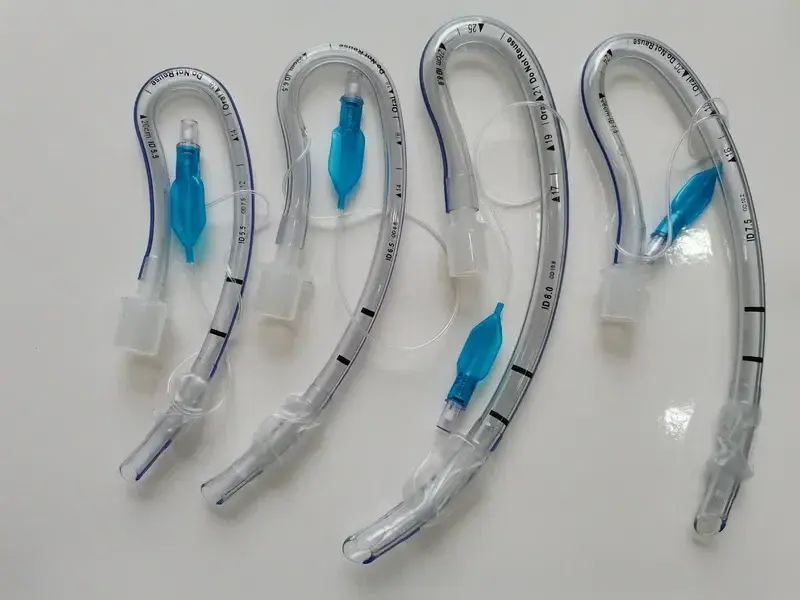
A cuffed oral preformed endotracheal tube is a specialized airway management device designed with a preformed anatomical curve that directs the breathing circuit away from the surgical field during oral intubation. Unlike standard straight endotracheal tubes, this device features a built-in south-facing bend and an inflatable high-volume low-pressure (HVLP) cuff that creates an effective seal in the trachea. The preformed design significantly reduces kinking risk and prevents accidental extubation during complex head and neck surgeries. This device addresses critical challenges in maintaining airway stability while providing surgeons with unobstructed access to the oral cavity, making it indispensable in maxillofacial, ENT, and dental procedures requiring general anesthesia.
Understanding Cuffed Oral Preformed Endotracheal Tubes
Oral preformed endotracheal tubes are different from other airway devices because of how they are designed to fit the body. The ventilator connection on these tubes is placed over the patient's chin instead of sticking out straight from the mouth because they are curved at the factory. This modification, which seems easy, has big clinical effects during surgery.
Core Anatomy and Construction Materials
Modern preformed tubes are made of thermosensitive, DEHP-free PVC that is stiff at room temperature to make them easy to enter but softens at body temperature to fit the patient's body easily. The AVACARE Cuffed Oral Preformed Endotracheal Tube is an example of this cutting-edge material science. It is made in a lab that is ISO 13485-certified and covers 12,000 square meters. The tube wall thickness strikes a balance between being flexible and being strong, so it doesn't break when surgical retractor or patient positioning put pressure on it from the outside. A full-length radiopaque line inserted in the tube wall makes it possible to precisely confirm placement with x-rays. The Murphy Eye, which is an opening on the side near the distal end, offers an alternative way for air to flow if the main lumen gets partly blocked.
The HVLP Cuff Mechanism
The high-volume low-pressure cuff is a big step forward in making patients safer. Older high-pressure designs focused force on a small area of the trachea's surface. HVLP cuffs, on the other hand, spread closing pressure over a bigger mucosal contact zone. The design keeps the pressure between 20 and 30 cmH2O, which is well below the capillary perfusion pressure of the tracheal mucosa and still allows for good ventilation. Keeping the right cuff pressure stops both aspiration of mouth fluids and tracheal mucosal ischemia, two problems that can happen and can range from a sore throat to tracheal stenosis in the worst cases.
Clinical Indications and Safety Benefits
When the fields of surgery and airway management meet, oral preformed tubes work best. The prepared curve keeps the air equipment away from the surgeon's work area during orthognathic surgery, so the surgeon doesn't have to move around during the procedure. When surgery is done around the mouth and throat, the airway stays stable, which is helpful for ENT procedures. The cuff seal's ability to stop regurgitation is especially important during treatments where blood or irrigation fluids could get into the oropharynx. When purchasing these devices, people in charge should know that spending more on good preformed tubes at the start lowers the risk of complications, speeds up procedures, and leads to better outcomes for the institution that lead to more money and a better reputation.
Comparing Cuffed Oral Preformed versus Other Endotracheal Tubes
Healthcare facilities often have a hard time figuring out which tube design works best for their wide range of patients and surgical specialties. Knowing the structure and practical differences between tube types helps you make decisions about what to buy based on facts.
Structural and Functional Differences
Because they protect against regurgitation better than uncuffed tubes, cuffed tubes are the standard of care for adults and kids over eight years old. When an inflatable cuff is present, it makes a closed ventilation system that allows positive pressure ventilation and stops stomach contents or oral fluids from getting to the lungs. Uncuffed tubes don't have this protection barrier, but they are still used in some infant situations.
When used in certain therapeutic situations, the cuffed oral preformed endotracheal tube prepared shape is clearly better than straight tubes. To keep them from kinking, straight tubes need to be carefully placed and secured on the outside, especially during treatments that involve moving the head or mouth. No matter what forces are acting on them, preformed tubes keep their natural shape, which keeps the airways open. The nose preformed tubes curve toward the forehead, while the mouth preformed tubes bend toward the south. This difference makes sure that the patient is in the best position for the intubation route.
Sizing, Material Durability, and Performance
The size of an endotracheal tube is based on its internal diameter, which for adults is usually between 6.0 mm and 9.0 mm. The right size choice strikes a balance between enough airflow and minimal damage to the trachea. Smaller diameters make it harder to breathe and increase airway resistance, while tubes that are too big can damage the mucosa and be hard to insert. The AVACARE product line comes in a wide range of sizes to fit a wide range of patient bodies. Before being sterilized and packed, each size is tested for 100% cuff integrity.
The safety gaps and clinical outcomes are directly affected by how long a material lasts. Thermosensitive PVC softens in a predictable way at body temperature, molding to the shape of the airway without losing its strength. This managed weakening keeps the tube from getting too stiff, which could damage the tissue, or too soft, which could cause it to kink. Concerns about plasticizer exposure are growing, and the DEHP-free formulation addresses these concerns. This is especially important for patients who need to be intubated for a long time. EO sterilization makes sure that the device is germ-free without changing the properties of the material, so it works the same way throughout its shelf life.
Leading Manufacturers and Market Considerations
Well-known companies like Medtronic, Smiths Medical, and Teleflex make preformed endotracheal tubes. Each one is different, but they all follow the same basic design principles. Differentiating products often comes down to the technology used in the cuffs, the materials used, and any extra safety features that are included. AVACARE stands out because it controls the whole production process, from choosing the raw materials to making sure the finished product is of high quality. Seven national patents back up this method, which makes it easy to quickly adapt to the needs of an institution and guaranties the reliability of the supply chain, which is something that procurement managers are becoming more and more concerned about.
When procurement professionals look at suppliers, they should look at both their manufacturing capacity and the quality of the products they offer. AVACARE can serve big healthcare systems and delivery networks without sacrificing lead times because it can send 300,000 units every month. This guaranty of supply is especially helpful when demand goes up or when switching from competing goods.

Procurement Insights and How to Choose the Right Cuffed Oral Preformed Endotracheal Tubes?
Strategic buying is more than just comparing prices. It also includes things like total cost of ownership, following the rules, and making sure the supply chain is resilient. Healthcare organizations are under more and more pressure to find a mix between keeping costs low, ensuring quality, and keeping supplies flowing.
Volume Requirements and Budget Planning
Estimates of yearly consumption should take into account the number of surgical cases, the average length of a procedure, and the mix of specialties used. A hospital with 500 beds and strong maxillofacial and ENT programs might use between 3,000 and 5,000 prepared tubes each year. Specialty surgery centers, on the other hand, might need fewer units. When people commit to buying a lot of something, they can often get better prices. But, procurement managers have to weigh the benefits of discounts against the costs of keeping inventory and the risk that it will go bad. AVACARE's minimum order quantity of 100 pieces allows for both testing the product for the first time and regular restocking for mid-sized facilities.
Authorized Suppliers and Regulatory Compliance
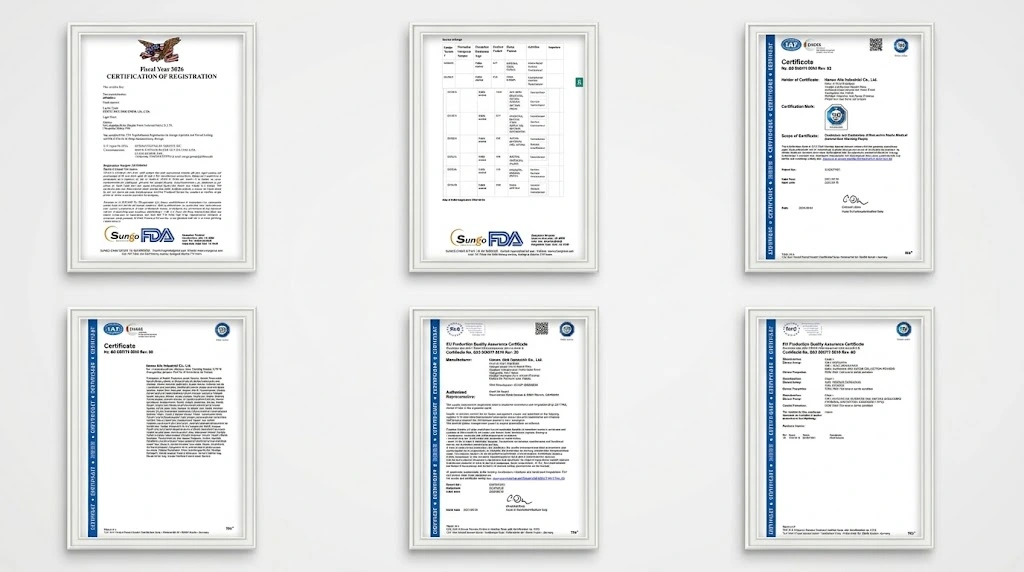
Working with manufacturers that are CE-certified and FDA-approved for cuffed oral preformed endotracheal tube is an important way to lower your risks. Third-party approval of these certificates shows that the production methods, quality control systems, and product performance all meet strict international standards. AVACARE's use of the ISO 13485 quality management system makes it possible to track each batch. This lets them respond quickly to any quality issues and shows that the supplier is committed to continuous improvement. When buying from new suppliers or responding to government audits, procurement officers should ask for certificates of conformity and batch documentation.
Value Assessment Beyond Initial Costs
When looking at full service deals, the cheapest price per unit isn't always the best deal. Technical training programs make sure that hospital staff know how to properly place devices, control cuff pressure, and fix problems. AVACARE's 24-hour rapid response system takes care of questions and supply needs that come up outside of normal business hours. OEM and ODM features allow for private labeling and customized packaging, which helps with school branding efforts and makes managing supplies easier. These value-added services lower the secret costs that come with things like broken products, changing staff, and supply problems.
For reliable shipping to North American destinations, you need carriers who know how to handle medical devices, the right paperwork to get through customs, and insurance to cover loss or damage. AVACARE's established distribution routes make sure that import rules are followed and that deliveries happen on time, which supports just-in-time inventory tactics without putting stock out.
Nursing and Clinical Care with Cuffed Oral Preformed Endotracheal Tubes
The clinical usefulness of preformed endotracheal tubes depends a lot on how they are inserted correctly and how they are managed during the intubation period. The safety of airways is the job of respiratory therapists, anesthesiologists, and ICU nurses all together.
Monitoring Cuff Pressure and Tube Placement
Monitoring of the cuff pressure should start right away after the intubation and continue at regular times while the person is under anesthesia or automatic breathing. Manometers give precise readings, and the ideal pressure range is between 20 and 30 cmH2O to avoid both the risk of aspiration from low inflation and damage to the mucosa from high inflation. The cuff pressure needs to be checked again and again because it can change when the patient moves, coughs, or the ventilator cycles. The preformed curve makes positioning easier, but clinical teams must use the centimeter markings on the tube to make sure the patient is at the right depth and auscultate to confirm that both lungs are making sounds. In cases where clinical assessment isn't clear or where the patient's anatomy isn't typical, chest x-rays are the only way to be sure.
Preventing Complications and Managing Common Issues
To keep the mucosa from getting hurt, you need to pay attention to the cuff pressure, the tube size, and how much movement there is at the tube-trachea contact. The thermosensitive features of good PVC tubes make them less irritating to the skin because they soften and mold to the shape of your airways. Aspiration can be avoided by keeping the cuff properly inflated and avoiding applying too much pressure, which can cut off blood flow in the trachea. This balance is best achieved by the HVLP cuff form of AVACARE tubes, but careful pressure control is still necessary.
If there are cuff leaks, you can hear air escaping during positive pressure ventilation or can't keep up with the right tidal volumes. Possible reasons are a broken pilot balloon valve, a puncture in the cuff, or not enough beginning filling. Before assuming wrist damage, troubleshooting starts by checking the pilot balloon and the method for inflating it. A patient biting, mucus plugging, or external compression can all block a tube. The Murphy Eye lets air in in case the main lumen gets blocked, giving time for suctioning or tube exchange. The kink-resistant design of preformed tubes lowers the risk of obstruction, but it doesn't completely remove it. This is especially true if the tube is pulled out of place.
Training and Manufacturer Support
Comprehensive staff education programs lower the number of complications and raise the success rates for patients. The training modules should go over the features of the cuffed oral preformed endotracheal tube device, how to insert preformed tubes correctly, how to manage the cuff, how to fix problems, and how to spot problems that need immediate attention. The clinical staff is confident in their ability to handle these complex airways thanks to video demonstrations, hands-on practice with simulation tools, and competency tests. Manufacturers that offer strong educational support, like AVACARE's technical training programs and multilingual manuals, make it easier for people to use their products and lower the learning curve when switching tube designs or suppliers.
Future Trends and Innovations in Cuffed Oral Preformed Endotracheal Tubes
The area of airway management is always changing because of new discoveries in materials science, the merging of smart technologies, and the growing availability of healthcare around the world. When procurement professionals predict these trends, their companies have a competitive edge.
Advanced Materials and Smart Cuff Technologies
New biodegradable plastics are being made that should make tissues more compatible, lower inflammatory reactions, and make patients more comfortable during long intubations. By keeping bacteria from growing on tube surfaces, antimicrobial surface treatments may lower the risk of ventilator-associated pneumonia. Smart cuff systems that monitor continuous pressure and make adjustments automatically are a new idea that is just starting to catch on in the medical world. However, they won't be widely used until they are proven to work better and costs go down. These technologies solve the problem of keeping the right cuff pressure even when the patient and ventilator conditions change.
Evolving Regulatory Frameworks
The goal of global regulatory unification is to make it easier for medical devices to be approved in different countries while still meeting high safety standards. In Europe, the Medical Device Regulation (MDR) and the FDA's changing standards put a lot of weight on post-market surveillance, clinical proof, and making sure that the quality system is strong. When rules change, it's easier for manufacturers who already have quality management systems and proactive compliance programs in place, like AVACARE's ISO 13485 framework. Partnering with suppliers who follow the rules lowers the risk for the institution and makes sure that critical airway management devices are always available.
Market Expansion and Strategic Procurement
More and more high-quality medical supplies are being bought because of growing healthcare markets in Asia, Africa, and Latin America. This growth around the world gives purchasing managers chances to connect with makers who can increase production while keeping quality standards high. AVACARE's building can handle 300,000 units per month, which allows the company to grow without affecting delivery times for current users. Strategic methods to buying things stress having a variety of suppliers, signing long-term contracts with price stability clauses, and making plans for what to do if there are problems with the supply chain. Building relationships with innovative makers is the best way to make sure you can get the newest products as they move from being in development to being available in clinical trials.
Conclusion
The cuffed oral preformed endotracheal tube is a unique way to deal with certain clinical problems that come up when managing the airway during complicated surgeries. Its preformed anatomical curve, HVLP cuff technology, and kink-resistant construction make it much better for surgeries in the maxillofacial, ENT, and oral areas where access to the surgical field and stable airways are important. When purchasing these devices, people in charge should think about more than just the unit costs. They should also think about the full value propositions, which should include things like regulatory compliance, supply chain reliability, technical support, and the ability to make changes. With the development of new materials and smart tracking technologies, patient safety and clinical results will continue to get better. This is why strategic supplier partnerships are so important for hospitals that want to provide the best perioperative care.
FAQ
What sizes are available for adult patients?
The inside diameter of most adult oral preformed endotracheal tubes is between 6.0 mm and 9.0 mm. 7.0–8.0 mm tubes are most common for women, while 8.0–9.0 mm tubes are most common for men. AVACARE has a wide range of sizes to fit a wide range of patient bodies and professional needs.
How do I differentiate quality between suppliers?
To tell the difference in quality, you need to look at certifications (CE, FDA, ISO 13485), standards for the production environment, batch testing methods, and records of monitoring after the product has been sold. Ask for proof of biocompatibility studies, cuff integrity tests, and clinical performance statistics. Established companies that have a lot of patents show that they are committed to continuing to come up with new ideas.
Can these tubes be customized for institutional needs?
Yes, AVACARE does offer OEM and ODM services that allow for private labeling, custom packaging layouts, and documentation in multiple languages. Customization orders usually have higher minimum order numbers than regular orders, but mid-sized healthcare institutions and distributors covering regional markets can still place them.
What cuff pressure should be maintained during use?
According to clinical standards, the cuff pressure should stay between 20 and 30 cmH2O. This range seals well against inhalation while staying below the airway capillary perfusion pressure, which lowers the risk of mucosal ischemia. It is better to use a manometer to check the pressure than to guess it by feeling it.
Partner with AVACARE for Reliable Airway Management Solutions
AVACARE has been making high-quality Cuffed Oral Preformed Endotracheal Tube for ten years, so healthcare institutions and dealers can trust them. Our 12,000-square-meter production center with Class 100,000 cleanrooms sends 300,000 units every month, so your supply chain stays continuous even when demand is high. Each tube goes through strict quality checks and meets CE, FDA, and ISO 13485 standards, so your institution can be sure it is following the rules. We offer competitive bulk prices, OEM/ODM customization, and full technical support, which includes training for staff and quick response times 24 hours a day, 7 days a week. Our team at admin@aileindus.com can help you find a supply partner that meets your specific procurement needs, whether you need standard configurations or private-labeled solutions that are made just for your brand. You can look at our full line of respiratory care products at ailemedicals.com and get a detailed quote for your next order there.

References
1. Dorsch, J.A. & Dorsch, S.E. (2018). Understanding Anesthesia Equipment: Construction, Care and Complications. Philadelphia: Lippincott Williams & Wilkins.
2. Hagberg, C.A. & Artime, C.A. (2017). Hagberg and Benumof's Airway Management, 4th Edition. Philadelphia: Elsevier Saunders.
3. International Organization for Standardization. (2016). ISO 5361-1:2012 Tracheal Tubes - Part 1: General Requirements. Geneva: ISO.
4. Miller, R.D., Cohen, N.H., Eriksson, L.I., Fleisher, L.A., Wiener-Kronish, J.P., & Young, W.L. (2020). Miller's Anesthesia, 9th Edition. Philadelphia: Elsevier.
5. Nseir, S., Zerimech, F., Fournier, C., Lubret, R., Ramon, P., Durocher, A., & Balduyck, M. (2011). Continuous control of tracheal cuff pressure and microaspiration of gastric contents in critically ill patients. American Journal of Respiratory and Critical Care Medicine, 184(9), 1041-1047.
6. Sole, M.L., Su, X., Talbert, S., Penoyer, D.A., Kalita, S., Jimenez, E., Ludy, J.E., & Bennett, M. (2011). Evaluation of an intervention to maintain endotracheal tube cuff pressure within therapeutic range. American Journal of Critical Care, 20(2), 109-117.