Anesthetic Dental Needle Safety Guide: Types, Applications, and Needlestick Prevention
Safe and effective pain management forms the backbone of successful dental practice. Modern dental anesthesia delivery depends entirely on precision-engineered Anesthetic Dental Needles that balance patient comfort with clinical reliability. Understanding needle specifications, proper usage protocols, and injury prevention strategies empowers procurement professionals to make sourcing decisions that directly impact both practitioner efficiency and patient satisfaction. This guide provides essential insights into needle selection criteria, application techniques, and safety standards necessary for maintaining clinical excellence while optimizing supply chain performance.
Understanding Anesthetic Dental Needles: Types and Sizes
What Defines a Quality Dental Injection Needle?
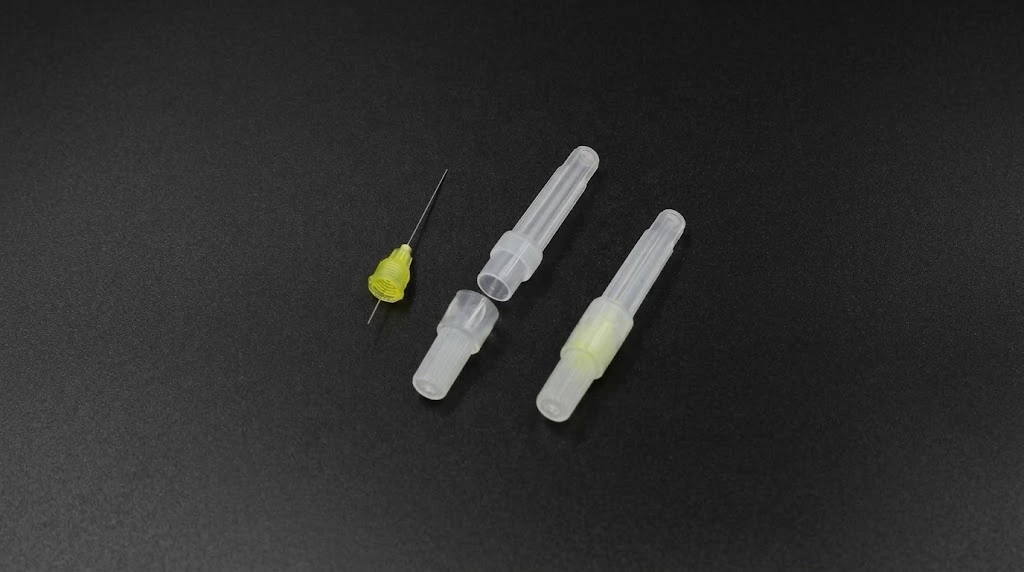
Dental anesthesia needles are one-time-use medical tools made of high-tensile stainless steel tubing that is glued to a color-coded plastic hub. These very precise tools are the most important link between the dentist syringe and the mouth tissue. Medical-grade SUS304 or SUS316L stainless steel is the best combination of rigidity and flexibility. It keeps the needle from deflecting while it's going deep into tissue and keeps it from breaking in a catastrophic way when it's under stress.
Compared to past cutting-edge shapes, the triple-bevel tip design is a big step forward. This precisely ground shape makes three angled surfaces that separate tissue fibers instead of breaking them. This greatly lowers the entry force and pain after surgery. A medical-grade silicone coating improves this performance even more by making it easier to insert and remove.
Gauge and Length: Matching Needle Dimensions to Clinical Needs
When it comes to needle sizes, the naming method is not what you might think. Higher gage numbers mean smaller diameters. The outer diameter of the 27-gauge needle is about 0.4 mm, and the outer diameter of the 30-gauge needle is about 0.3 mm. This difference, which might not seem important, has a big effect on how well different treatments work in the clinic.
27G needles work great when reliable aspiration and stable direction are needed. Because they are more stiff, they don't bend when injected through thick tissue over long distances. This makes them the best choice for inferior alveolar nerve blocks and posterior superior alveolar blocks. The lengths that are usually available are between 16 mm and 41 mm. The longer ones can reach far enough for jaw anesthesia.
Because they are so thin, 30G Anesthetic Dental Needles put the comfort of the patient first. Because they don't move tissues around as much, they're perfect for anterior infiltrations, oral injections, and infant uses where calming down is most important. Standard lengths range from 11 mm to 31 mm, which fits the needs of both maxillary and superficial anesthesia techniques.
Ultra-thin wall technology is a major breakthrough that increases the inside thickness while keeping the outside gage specs the same. When compared to standard wall thickness, this engineering breakthrough increases flow rate by up to 35%. This lets viscous anesthetic solutions flow freely without needing too much plunger pressure. Less force used during an injection means better control and less damage to the tissue.
Hub Design and Compatibility Standards
The screw hub connection method makes sure that dental syringes can be attached securely and without leaks even when the pressure is high. There are two main threading standards used around the world: Metric (6mm) links are common in European tools, and Imperial (1/32") threads are common in North America. ISO color coding makes it easy to tell the difference between choices right away—yellow hubs show 30G needles and blue hubs show 27G options. This standardization cuts down on selection mistakes that happen during busy clinical processes and supports handling methods that can be used in all practice settings.
Applications and Best Practices for Using Anesthetic Dental Needles
Procedure-Specific Needle Selection
Clinical success starts with matching the needle's specs to the body's needs. For mandibular block anesthesia to work, the 27G long needles (35–41 mm) must be able to go through several centimeters of soft tissue to reach the inferior alveolar nerve. The stronger structure stops mid-injection deflection that could affect the accuracy of the anesthetic deposition.
For maxillary infiltration treatments, 30G short needles (11–21 mm) work best because they give local anesthetic into the buccal fold with little damage. The small width and fast flow rate shorten the time of the injection, which stops tissue stretching and the uncomfortable "ballooning" feeling that patients often describe.
When needles are put into the dense periodontal ligament, they have to deal with a lot of bending forces, making this type of injection the most difficult to perform mechanically. Ultra-short needle configurations can handle this stress without permanently deforming, so they can deliver the anesthesia precisely into the small joint space. For the same reason, palatal injections need strong needles that can go through the keratinized mucosa that covers the hard palate without breaking.
Injection Technique and Patient Comfort Optimization
The right way to give medicine starts with visually checking the needle to make sure it is intact. Look for shanks that are bent or sharp edges that are broken, as these could cause tissue to tear. The bevel indicator mark on the hub makes it easy to get the tool exactly where it needs to be. Pointing the bevel toward the bone during entry lowers damage to the periosteum and pain after surgery.
Aspiration before an injection is still a very important safety measure that makes sure the needle is placed outside of the blood vessels. Because 27G needles have a larger internal diameter, they are better at finding blood, which is why they are preferred for nerve block procedures near major blood vessels. Slow insertion rates, around 1 ml per minute, let the tissue relax and lower the hydraulic pressure that sets off pain sensors.
Infection Control and Sterilization Requirements
When it comes to ensuring the cleanliness of Anesthetic Dental Needle invasive medical equipment, ethylene oxide (EO) cleaning is the standard method used by the industry. This low-temperature process gets rid of bacteria contamination without breaking down plastic or stainless steel parts. When kept in the right way, individually sealed package packaging stays sterile for the usual 3 to 5 years time period.
Cross-contamination risks are completely eliminated by single-use procedures. Putting sharps right away into containers that can't be punctured after each procedure keeps people from getting hurt by needlesticks while cleaning up. Certifications from the CE and FDA make sure that international standards for sterilization are met. They also provide the proof needed for regulatory audits and protect against liability.
Common Challenges and Risk Prevention in Anesthetic Dental Needle Use
Identifying and Managing Clinical Complications
Nerve paresthesia is the most worrisome problem that can happen when dental anesthesia is given. Symptoms include numbness, tingling, or changes in sensation that last longer than the expected length of time for an anesthetic. Even though these injuries are usually only brief, they need to be carefully recorded and communicated with the patient. Choosing the right needle gage and using controlled injection techniques can greatly lower the number of cases of paresthesia.
Even though needle failure is rare these days, it needs to be fixed right away. Broken pieces usually stay on the surface and are easy to get to, but trying to retrieve them without being able to see them clearly can push them deeper. Most needle breakages can be avoided by properly handling the needle and not changing its direction while it is inserted deep into tissue.
When a needle goes through blood vessels and breaks them, it causes limited bleeding into nearby tissue. This is called a hemorrhatoma. Because they are close to the pterygoid plexus, posterior superior alveolar nerve blocks come with a higher risk. Using smaller gage needles when it makes sense for the anatomy and applying pressure right away after a shot can help keep hematomas from forming.
Needlestick Injury Prevention Framework
When healthcare workers touch dirty needles, they greatly increase the chance of getting an infection. Most needlestick injuries happen when someone tries to recap or when they don't properly dispose of the needle. Using devices that let you cap sharps without using your hands and carefully placing sharps bins within arm's reach greatly reduces exposure incidents.
When teaching staff, procedures should stress single-handed scoop methods for times when recapping is needed. The doctor places the needle cap on the tray surface and moves the needle into the cap with one hand. This eliminates the risk of collision that comes with using both hands at the same time. Regular skill tests make sure that everyone on the clinical team keeps up with their techniques.
Supplier Qualification and Regulatory Compliance Verification
Decisions about procurement have big liability effects. Checking the certificates of manufacturers protects both patients and the practice's image. ISO 13485 approval proves that a quality control system is being followed when making medical devices. The CE label shows that the medical equipment meets the rules of the European Union, and the FDA registration shows that it meets the safety standards of the United States.
Ask for detailed scientific information that includes biocompatibility testing according to ISO 10993 standards. This tests for cytotoxicity, sensitization potential, and discomfort. Dimensional requirements that prove compliance with ISO 7864 (sterile dentistry needles) and ISO 9626 (stainless steel needle tubing) give even more proof of the accuracy of the production process. Reliable suppliers give full traceability through certificates of analysis and sterilization validation reports that are specific to each lot.

How to Choose the Best Anesthetic Dental Needles for Your Clinic or Practice?
Balancing Clinical Performance with Cost Efficiency
The procurement plan for Anesthetic Dental Needle needs to take into account more than just the unit price. Premium needles with a silicone covering, ultra-thin wall technology, and precise blade grinding make patients feel better and help them do better in the hospital. These improvements in performance have real-world effects, such as shorter injection times, fewer anesthetic failures that need to be fixed with more shots, and happier patients, all of which help the practice grow.
This balance between efficiency and value is shown by AVACARE dentistry needles. Each needle is made in ISO 13485-certified, 12,000 m² facilities with Class 100,000 cleanrooms. From inspecting the raw materials to the final packing, each one goes through a strict quality check. The medical-grade silicone covering and precision-ground triple-bevel design allow for smooth tissue insertion that reduces pain.
To meet all of your dental treatment needs, AVACARE needles come in a wide range of sizes, including 27G (16/21/25/31/35/38/41mm) and 30G (11/16/21/25/31mm). Color-coded ISO hubs make it easy to tell the difference between sizes during procedures, and threading options in both Metric and Imperial make sure that all syringes can be used with them. EO sterilization with proven shelf stability for 5 years helps with effective inventory management.
Evaluating OEM and Custom Manufacturing Capabilities
Companies and distributors that want to make their brands stand out can benefit from suppliers that offer customization services. OEM relationships make it possible for private labeling with unique images on the packaging, which helps end users recognize the brand. Collaborations between OEMs and target markets help make changes to products that meet specific healthcare needs or legal requirements.
Minimum order amounts are usually set to make production as efficient as possible. AVACARE's MOQ of 20,000 pieces strikes a good balance between production costs and entry points for mid-sized distributors and dental service organizations. The 30-45-day output schedule works with normal planning rounds for purchases and keeps inventory turning over quickly.
Securing Supply Chain Reliability
Practice operations are kept running smoothly by making sure products are always available. Look at how much a company can make and how they get their raw materials. Suppliers that are vertically integrated and only make stainless steel tubes have better control over quality and delivery times than suppliers that depend on third-party component providers.
When controlling cash flow across various product lines, payment flexibility is important. Many people have different financial needs and ways of managing risk, so suppliers who accept both T/T (telegraphic transfer) and L/C (letter of credit) terms are flexible. Samples are available so that clinical validation can happen before full production runs are started. Testing the needle's performance with real practitioners gives valuable feedback that can't be captured on specification sheets.
A lot of the time, the professional support system for the product is just as important as the needle itself. Full sets of paperwork, like certificates of analysis, sterilizing validation reports, and biocompatibility testing results, make it easier to send things to the government and get ready for an audit. Respondent customer service with knowledge of dental uses helps solve clinical problems and make the best product choices as practice needs change.

Conclusion
To choose the right Anesthetic Dental Needles, you have to find a balance between clinical performance, safety standards, and the cost-effectiveness of purchase. Knowing the relationships between gage lengths, the specific needs of each application, and ways to reduce risk helps you make smart decisions about where to get materials that improve patient outcomes while keeping costs low. Partnering with certified makers that offer a wide range of products, the ability to customize them, and expert help is the best way to ensure long-term professional excellence and practice growth.
FAQ
Why do clinicians sometimes prefer 27G over 30G needles despite increased diameter?
Because 27G needles have a bigger internal diameter, they are more reliable at aspiration and make it easier to see blood before injecting it, which is very important when working near major blood veins during nerve blocks. The higher stiffness also lowers deflection during deep tissue entry, which makes sure that the anesthetic is placed correctly in treatments on the back of the jaw, where accuracy is very important.
How does ultra-thin wall technology benefit clinical practice?
The internal lumen diameter grows with ultra-thin wall construction, but the outward gage size stays the same. This expansion makes the flow better by lowering hydraulic resistance. This lets thick anesthetic solutions flow freely with less plunger force. Better control over injections for the practitioner, less tissue pressure for the patient, and faster delivery rates that make the procedure more efficient.
What sterilization validation should procurement teams verify?
Ask for proof of the EO sterilization cycle settings, the sterility assurance level (SAL) testing results, and the biological indicator confirmation. The certificates should show that they meet the ISO 11135 standards for ethylene oxide sterilizing and show that they have achieved SAL 10^-6, which means that there is less than one living microbe for every million devices. Testing the quality of the seal on the blister pack proves that the product stays sterile throughout its shelf life.
Partner with AVACARE for Premium Dental Needle Solutions
AVACARE has medical-grade injection needles that are made to exacting international standards and are ready to help you with your dental supply needs. Our 27G and 30G product lines include everything needed for clinical use, and they are backed by CE and ISO13485 standards that make it easier for you to follow the rules. As a producer with a lot of experience in making Anesthetic Dental Needles, we're happy to work with you on OEM and ODM partnerships that match our production skills with your brand's goals.
You can check out our triple-bevel precision and silicone coating performance with samples before placing a production order. Our flexible T/T and L/C payment terms and 30- to 45-day manufacturing lead time help with efficient buying planning across a wide range of business needs. Email our technical team at admin@aileindus.com to talk about details, ask for samples, or look into your options for customization. You can look at our full line of products at ailemedicals.com and learn how AVACARE quality improves patient results and makes your supply chain more efficient.
References
1. Malamed, Stanley F. Handbook of Local Anesthesia, 7th Edition. Elsevier Health Sciences, 2019.
2. Haas, Daniel A. "Localized Complications from Local Anesthesia." Journal of the California Dental Association, vol. 46, no. 9, 2018, pp. 517-524.
3. American Dental Association Council on Scientific Affairs. "Infection Control Recommendations for the Dental Office and the Dental Laboratory." JADA, vol. 147, no. 8, 2016, pp. 672-682.
4. Pogrel, M. Anthony. "Permanent Nerve Damage from Inferior Alveolar Nerve Blocks: Current Update." Journal of Oral and Maxillofacial Surgery, vol. 70, 2012, pp. S11-S14.
5. Centers for Disease Control and Prevention. Guidelines for Infection Control in Dental Health-Care Settings. U.S. Department of Health and Human Services, 2003.
6. International Organization for Standardization. ISO 7864:2016 Sterile Hypodermic Needles for Single Use. ISO Standards Catalogue, 2016.