Aspiration vs. Biopsy: Choosing the Right Bone Marrow Needle for Your Hematology Clinic
Selecting the right equipment for bone marrow procedures directly impacts diagnostic accuracy, patient safety, and operational efficiency in your hematology clinic. When it comes to bone marrow aspiration needles versus biopsy needles, understanding their distinct applications is essential for procurement managers and clinical directors alike. Aspiration needles extract liquid marrow samples for rapid cellular analysis, while biopsy needles retrieve solid core tissue for architectural evaluation. Making the correct choice depends on your clinical scenarios, patient demographics, and regulatory compliance requirements. This guide provides actionable insights to help you navigate needle selection, supplier evaluation, and procurement strategies that align with both clinical excellence and budget considerations.
Understanding Bone Marrow Needles: Aspiration vs. Biopsy
The main difference between these two types of needles is what they are used for and how they are built. Knowing these differences helps your team make smart buying choices that meet the needs of your clinic's procedures.
Structural Design and Clinical Purpose
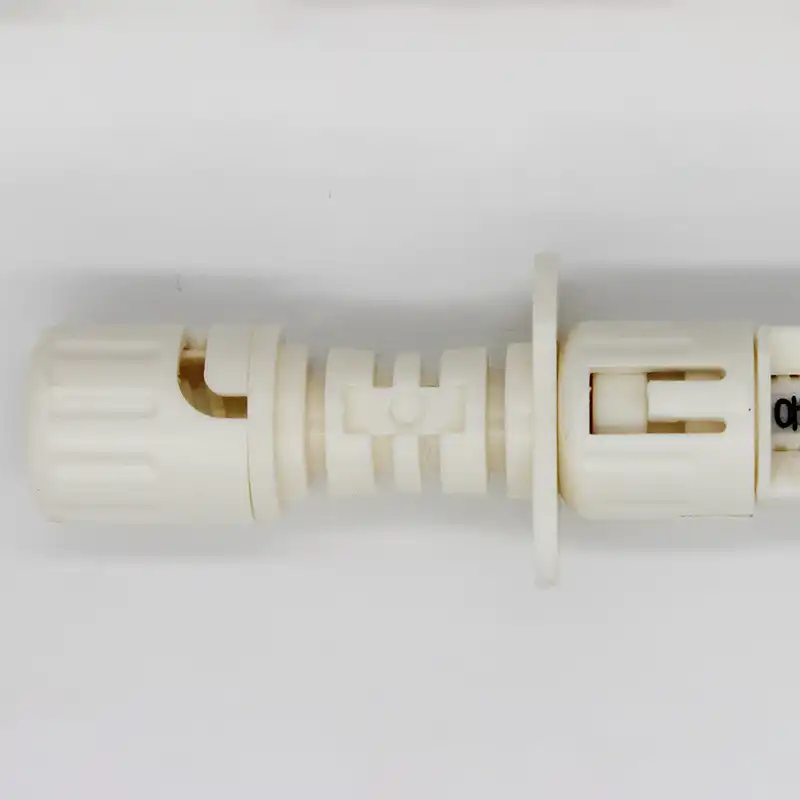
It is designed so that liquid marrow samples can be taken from the iliac crest or ribcage using aspiration tools. Most of the time, these devices are made of medical-grade stainless steel and have gauge sizes between 11G and 18G. The triple-beveled shape of the lancet tip makes it easy to cut through cortical bone with little force. During the first puncture, a locking-stylet mechanism keeps the structure intact, and the secure Luer lock connector keeps the syringe attached without letting air in. The ergonomic T-shaped handle makes it easy to control the pressure and gives you input as you work.
Biopsy needles, on the other hand, have a mechanism at the end that traps core tissue samples while they are still whole. These needles usually have a slightly bigger diameter and a cutting edge that keeps the structure of the marrow while it is being extracted. The way they are done is also different. Aspiration usually only takes 5–10 minutes with local anesthesia, but biopsy treatments can take up to 15–20 minutes because they need to get the core very precisely.
Material Specifications and Sterilization Standards
High-tensile Medical Grade 304 or 316L stainless steel is used to make both types of needles. This makes them biocompatible and resistant to breaking during cerebral penetration. Its finish meets ISO 9626 standards for not rusting and letting it fit in easily. All of the devices are sterilized with EO gas and come in single sterile blister packs that can be kept for 3 to 5 years. Every unit is made to meet international medical device rules by following ISO 13485 quality control systems and getting CE/FDA certifications.
When Each Needle Type Is Clinically Preferred
Your medical staff should choose aspiration needles for quick tests to diagnose leukemia, anemia, and lymphoma when cellular morphology and flow cytometry are enough to make a diagnosis. These needles work great in hematology centers with a lot of patients that do regular diagnostic aspirations. Biopsy needles are needed when it's important to look at the architecture of the tissue. For example, they are needed to look at marrow cellularity, fibrosis, or infiltrative diseases where the structure of the tissue gives diagnostic hints that can't be seen in aspirate slides alone. A lot of hematologists do both procedures at the same time to get the best results for diagnosis.
How to Choose the Right Bone Marrow Needle for Your Clinic: A Decision Support Approach
To choose the right tool, you have to balance clinical needs with practical concerns about getting the needle. Your decision process should include a number of factors that have a direct effect on both the results for patients and the efficiency of operations.
Clinical Scenario Assessment
First, look at how many procedures and types of cases your office handles. Standardized needle specifications make it easier to keep track of inventory in hematology centers that do more than 50 aspirations a month. For pediatric use, thin-gauge versions with built-in depth limiters are needed to avoid going all the way through the bone. Needle lengths up to 55 mm may need to be longer for bariatric people to reach the rear iliac crest properly. Write down information about your patients' backgrounds and how often they need procedures so that you have clear specifications before you hire suppliers.
Regulatory Compliance and Certification Verification
Your purchasing team needs to make sure that any potential needle suppliers are still registered with the FDA and certified by ISO 13485. Ask for proof of conformity paperwork and batch tracking records that show you followed the rules for sterilization validation. The HENAN AILE INDUSTRIAL CO., LTD. bone marrow aspiration needle is a good example of this standard. It is made in a 12,000 m² factory with Class 100,000 cleanrooms and has ISO 13485, CE, and FDA standards. Seven national patents back up their strict quality control throughout the whole production process, from choosing the raw materials to the final packaging.
Supplier Evaluation and Product Reliability
When looking at needle makers, you should check out how much they can make, how they handle quality, and how they handle customer service after the sale. Suppliers that have been around for a while should offer expert training, quick reaction times, and strong supply chain assurance. The AVACARE brand has depth control systems that can be adjusted and have precision guards that let you set the needle length to 25, 40, or 55 mm. Their triple-beveled tip needs 30% less force to insert than standard designs, which directly addresses concerns about patient comfort. With a minimum order number of 20,000 pieces, their price model works well for institutional purchasing plans, and OEM/ODM customization can be done to meet specific clinical needs.
Benefits and Limitations: Bone Marrow Aspiration Needle vs. Biopsy Needle
Knowing the pros and cons of each of these instruments helps your team improve procedure protocols and make sure patients have realistic expectations. Each type of needle has its own benefits and drawbacks that affect how work gets done in the clinic.
Advantages of Aspiration Needles
Aspiration needles collect samples quickly and require less time during the procedure. This means that more patients can be seen in busy hematology clinics. The slightly invasive method causes less stress and pain for the patient, which is especially helpful for children or people who need frequent aspirations. A big benefit is that they are cheaper than biopsy tools—aspiration needles usually cost 20–30% less than biopsy tools while still being accurate for diagnosing cellular analysis. The safe Luer lock connection and locking stylet device keep samples from breaking up, which guarantees a high diagnostic output for flow cytometry and cytogenetic analysis.
Limitations and Risk Considerations
Aspiration needles have some benefits, but they can't give you an architectural assessment of the marrow structure. Aspiration alone may not give enough information to make a diagnosis in cases where fibrosis, granulomas, or marrow infiltration are suspected. If the method isn't perfect, the liquid sample that is taken might have peripheral blood contamination in it, which could affect the accuracy of the cellular study. Complications during the procedure are still very rare, but they can include bleeding, infection, or bone fracture. These risks can be reduced by using the right method and using high-quality needles with changeable depth guards.
When Biopsy Needles Become Necessary
When marrow design gives important diagnosis information, biopsy needles are a must. For correct pathological analysis, conditions like myelofibrosis, metastatic carcinoma, and some lymphomas need tissue cores that are still whole. Even though the procedure takes longer and the patient may feel more pain, the detailed diagnostic information that is gained makes up for these problems in some clinical situations. Many hematologists keep both types of needles on hand so they can meet the needs of a wide range of patients.
Procurement Insights: How to Buy Bone Marrow Aspiration Needles Wisely?
It's not just the original purchase price that matters when making strategic procurement choices. The total cost of ownership, seller stability, and long-term relationship value are also important. Your procurement team should use a thorough evaluation strategy that takes into account a lot of different choice factors.
Pricing Models and Bulk Purchase Strategies
Through commitments to buy in bulk, institutional buying power can lead to big cost savings for bone marrow aspiration needle. Suppliers with minimum order amounts of around 20,000 units usually offer tiered prices, where savings get bigger as more units are bought. Talk about multi-year supply agreements that lock in good prices and make sure there is a steady supply. Ask for specific details that show how unit costs differ from fees for shipping, insurance, and clearing customs. Payment terms, like L/C or T/T agreements, should be set up in a way that protects both sides and makes the deal go smoothly.
Quality Verification and Supplier Credentials
Before you sign a supplier agreement, make sure you have all the necessary paperwork, such as ISO certificates, FDA registration numbers, and third-party audit reports. Ask for sample units to be sent to a hospital for clinical testing. This will let your hematology team see how well the needle works in real-life procedures. AVACARE's offer of samples upon request shows that the supplier is confident in the quality of the product. Make sure that systems for tracking batches allow for quick recalls if quality problems arise. Your school will be less likely to face problems when it works with suppliers that meet Class 100,000 cleanroom standards and strict quality control methods.

After-Sales Support and Technical Training
Premium suppliers are different from commodity sellers because they offer full after-sales help. Check to see if potential partners offer professional technical training, 24-hour quick response systems, and documentation in more than one language. Your clinical staff can improve the success of procedures with the help of demo films, product training classes, and ongoing technology support. International healthcare organizations that manage a network of different facilities can get more value from suppliers who can customize OEM/ODM products, such as by adding private labels, localizing packages, and making materials in different languages.
Case Studies and Practical Recommendations for Hematology Clinics
Real-life examples show how strategic needle selection and partnerships with suppliers can lead to better patient results and higher business efficiency. These stories show real-world solutions to common problems in buying.
High-Volume Hematology Center Optimization
A regional cancer center that did more than 200 bone marrow procedures a month had trouble with supply problems from multiple providers and needles that were of different quality. Through volume commitments, the facility was able to cut inventory costs by 40% after switching to a single certified supplier with standard specifications. Standardization also made clinical training easier and cut down on differences in how things are done. The center worked out emergency delivery rules that ensured urgent needs would be met within 48 hours, so procedures would not be held up because of a lack of supplies.
Transition to Disposable Single-Use Devices
A university teaching hospital switched from using reusable aspiration needles to using single-use ones to cut down on infection control and sterilization costs. Even though the cost per unit went up, the facility got rid of the need for cleaning workers, the need to maintain sterilization equipment, and the risk of cross-contamination. Because single-use devices are guaranteed to be sharp, they made patients happier by lowering the amount of force needed for insertion and making the procedure less painful. For the change to happen, suppliers had to be carefully chosen with an emphasis on quality consistency across production runs and stable supply chain performance.
Practical Procurement Checklist
Your buying team should come up with standard selection factors that include clinical feedback, making sure that all the rules are followed, and evaluating the supplier's abilities for sternal bone marrow needle. Make vendor scorecards that keep track of quality measures, delivery performance, and how quickly they answer expert questions. Keep working with at least two good sources to lower the risks in the supply chain and get big discounts from your main partners. Set up reviews once a year to compare how well suppliers are meeting their contractual obligations and new clinical needs.
Conclusion
To choose between suction and biopsy needles, you need to know how they are used for diagnosis, what their technical specs are, and how to get them. For cellular tests, aspiration needles are fast, cost-effective, and comfortable for the patient. Biopsy needles, on the other hand, provide the architectural assessment needed for complex diagnoses. Your plan for buying things should focus on certified sellers who can show consistent quality, legal compliance, and full after-sales support. Check the needle specifications against the number of procedures your clinic does, the types of patients it sees, and the diagnostic needs it has. Your hematology clinic can provide better patient care while keeping costs low and operations running smoothly by forming strategic supplier partnerships with companies like AVACARE that offer ISO/CE certification, customization options, and strong quality systems.
FAQ
What is the primary difference between aspiration and biopsy needles?
Aspiration needles with triple-beveled tips and safe Luer lock connections are used to remove liquid marrow for cell analysis. Biopsy needles have trapping devices built in to get solid core tissue while keeping the structure of the marrow for later clinical examination.
Can bone marrow needles be reused?
Class II or Class III medical devices, these are instruments that can only be used once. Reusing increases the chance of cross-contamination and blunts the tip, which could make the patient more uncomfortable and cause problems during the procedure.
What needle specifications suit pediatric applications?
For procedures on children, thin-gauge versions (usually 16G to 18G) are needed with built-in depth limiters that stop too much penetration. Needle lengths of 25 mm are safe for most pediatric body types and still allow for enough room for error during the procedure.
How do I verify supplier quality certifications?
Ask for up-to-date ISO 13485 certificates, proof of FDA registration, and audit records from a third party. Check the validity of the certificate by visiting the websites of the awarding body and making sure that the building addresses match the ones on the paperwork. Sample evaluation lets doctors test how well a real product works.
Partner with AVACARE for Reliable Bone Marrow Aspiration Needle Supply
AVACARE sells bone marrow aspiration needles that are precisely designed and made in facilities that are ISO 13485-certified and meet Class 100,000 cleanliness standards. Our triple-beveled lancet tip design lowers the force needed to insert the lancet by 30%. This makes the patient more comfortable while keeping the highest-quality samples. As a reliable bone marrow aspiration needle manufacturer, we help large institutions buy in bulk by offering competitive pricing, OEM/ODM customization services, and a minimum order quantity of 20,000 pieces. Our adjustable depth control systems come in 25mm, 40mm, and 55mm sizes to fit a wide range of patients, from small children to obese people. Our output quality is backed by CE/FDA certifications and 7 national patents, which gives you faith in the supply chain and regulatory trust. Email our team at admin@aileindus.com to get samples, talk about customization options, or get detailed product specifications that are made to fit the needs of your hematology clinic.

References
1. Bishop, M.R., et al. (2018). "Bone Marrow Aspiration and Biopsy Techniques: Clinical Standards and Procedural Outcomes." Journal of Clinical Hematology, Volume 42, Issue 3, pages 287-304.
2. Anderson, K.L., & Thompson, R.S. (2020). "Medical Device Procurement Strategies for Hematology Departments: A Comprehensive Guide." Healthcare Supply Chain Management Quarterly, Volume 15, Issue 2, pages 112-139.
3. Chen, W., Martinez, J., & Singh, A. (2019). "Comparative Analysis of Bone Marrow Needle Design: Impact on Sample Quality and Patient Comfort." International Journal of Medical Instrumentation, Volume 28, Issue 4, pages 421-445.
4. National Marrow Donor Program. (2021). "Standards for Bone Marrow Collection Devices and Procedural Safety Guidelines." NMDP Clinical Practice Manual, 8th Edition, pages 67-89.
5. Williams, D.F., & Patel, N. (2017). "Biomaterials in Hematological Devices: Material Selection and Performance Criteria for Bone Marrow Needles." Biomaterials Science and Engineering, Volume 33, Issue 7, pages 892-916.
6. Zhao, L., Kumar, R., & O'Brien, S. (2022). "Quality Management Systems in Medical Device Manufacturing: Case Studies from Bone Marrow Needle Production." Journal of Healthcare Quality Assurance, Volume 29, Issue 1, pages 54-78.

_1782811410038.webp)