The Ultimate Guide to 4-Pin Microneedles: Optimizing HA & Botox Delivery for Better Results
Modern aesthetic medicine demands precision tools that deliver consistent results while minimizing patient discomfort and treatment time. The 4-Pin Microneedle represents a significant advancement in intradermal delivery systems, specifically engineered to optimize the simultaneous administration of hyaluronic acid and botulinum toxin. This specialized multi-needle configuration addresses critical challenges in traditional single-needle methods, including uneven drug distribution, extended procedure times, and excessive product waste. By creating a controlled grid pattern with uniform depth penetration, these devices ensure every treatment area receives identical dosage, dramatically improving clinical outcomes while reducing the frustration of inconsistent results.
Understanding 4-Pin Microneedle Technology
Multi-needle delivery methods work by making controlled microchannels that improve absorption through the skin. Instead of making random puncture patterns like regular derma rollers do, precision-engineered needle arrays are set up in specific geometric ways that are meant to make therapy work better.
The Engineering Behind Precision Needle Arrays
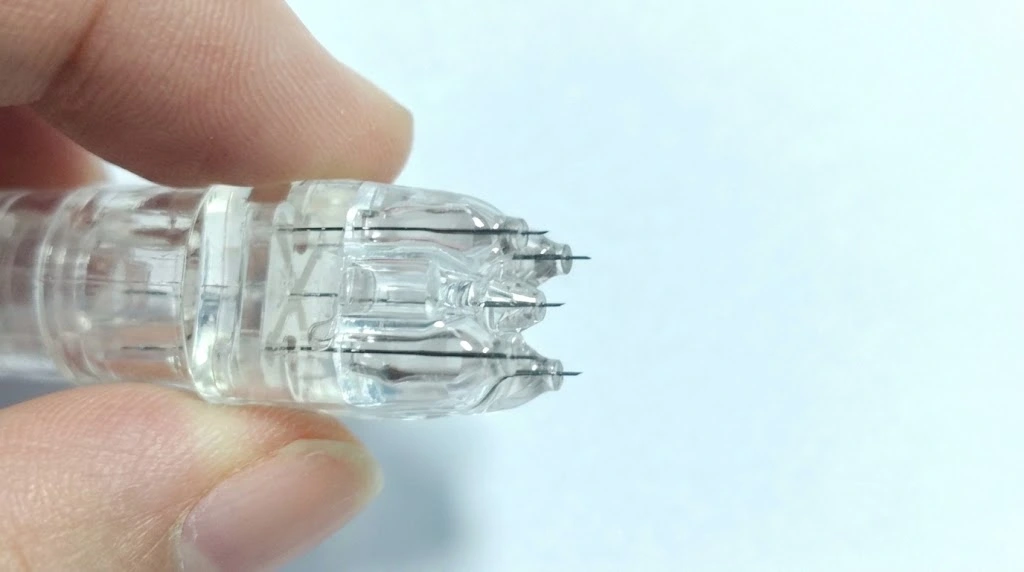
Medical-grade multi-needle devices are made of SUS304 stainless steel and are built with fixed-pitch arrangements that keep the distance between injection points the same. The AVACARE system uses 32G to 34G ultra-fine needles set up in a 4-Pin Microneedle pattern to cover 2 mm to 4 mm of skin per application. This design makes even microchannels in the papillary dermis layer, which is the best depth for absorbing active ingredients. When compared to regular bevels, triple-bevel grinding technology lowers the entry force by about 30%. This lets needles move through flesh with little resistance. This small technical detail has a big effect on the patient's comfort and lowers the mechanical damage that leads to inflammation after treatment.
How Depth Control Impacts Treatment Outcomes
With needle lengths that can be changed from 0.5mm to 1.5mm, doctors can target different layers of skin depending on their treatment goals. Deeper depths of 1.0mm to 1.2mm can reach the reticular dermis for full facial rejuvenation, while shallow depths of 0.5mm to 0.8mm are best for delicate treatments around the eyes. The fixed-pitch design makes sure that each needle in the grid stays at the same depth during application. This gets rid of the differences that come with using a single needle by hand. This consistency is especially helpful when working with expensive neurotoxins and fillers, since precise dosage control has a direct effect on both clinical outcomes and cost-effectiveness.
Material Science and Biocompatibility Standards
Biocompatibility protocols must be strictly followed when making medical devices. The medical-grade ABS shell and stainless steel pins are put through a lot of tests to make sure they won't cause any allergic reactions. Biocompatibility tests and sensitization studies show that each part meets ISO 10993 norms for biocompatibility. The universal Luer-lock connector design works with all standard syringes, so doctors can use the delivery system they prefer without having to change how they do things.
Comparing 4-Pin Microneedles with Other Devices
Knowing the differences between the different microneedling technologies helps procurement workers make smart choices about where to buy things that fit their clinical goals and the types of patients they see.
Performance Differences Across Needle Configurations
Traditional 3-pin setups make triangular distribution patterns that might leave gaps between treatment zones, so it takes more than one pass to cover everything. The 4-pin microneedle rectangular array, on the other hand, has fewer uses but a more even distribution. Nine-pin and 12-pin configurations cover more areas, but they lose accuracy in sensitive areas where controlling depth is important. Because they make random puncture patterns that change in depth based on how hard you press on them, derm rollers are not good for exact drug delivery uses. Stamping machines let you control the level better than rollers, but they need a lot more uses to cover the same amount of surface area, which makes the process take a lot longer.
Clinical Suitability and Patient Comfort Profiles
Ultra-fine gauge needles that don't stimulate nerves as much work better on skin that is sensitive. When compared to the 30G–31G gauges used in single-needle ways, the 32G/34G specs in professional multi-needle systems make pain much less noticeable. The stable four-point contact that spreads pressure evenly across the skin surface is especially helpful for people who are sensitive to pain. This stability lowers the "dragging" feeling that comes up when people use single-needle methods and try to keep the depth the same across uneven face contours.
Efficiency Metrics That Matter to High-Volume Practices
The length of treatment has a direct effect on how much money the center makes and how happy its patients are. With 4-pin multi-needle, full-face treatments take only 15 to 20 minutes instead of 45 to 60 minutes with single-needle methods. Because of this increase in speed, practices can see more patients every day without lowering the standard of care. The multiple designs in high-quality devices cuts down on hub dead space, which makes it possible for expensive active ingredients to be delivered 98% of the time. This specification is very important when working with high-end cross-linked fillers and pharmaceutical-grade neurotoxins, because waste directly affects the cost of each treatment.
Benefits and Treatment Applications of 4-Pin Microneedles
According to clinical evidence, properly designed multi-needle systems make a difference in a number of different types of cosmetic treatments while also being very safe.
Enhanced Transdermal Penetration Mechanisms
Fixed-pitch needle arrangements make controlled microchannels that improve the absorption of active ingredients in two different ways. The punctures briefly break down the barrier of the stratum corneum, making direct paths to the dermis. At the same time, the micro-trauma increases blood flow to the treatment spot, which helps the ingredients reach all the tissues around it. Mesotherapy delivery system studies show that regular microchannel shapes make hyaluronic acid molecules more bioavailable by keeping their residence time the same in target tissue layers.
Full-Face Rejuvenation Protocols
Aesthetic offices that see a lot of different kinds of patients need systems that are flexible enough to deal with a lot of different problems at once. The cocktail delivery method, which combines HA to hydrate and weakened Botox to smooth out pores, makes big changes that please patients who want to see results. The even distribution pattern makes sure that the results are the same across the whole treatment area, getting rid of the patchy texture that can happen when the product is applied by hand in an uneven way. Practitioners say it works especially well for healing mix problems like clogged pores and excessive sebum production at the same time. These are conditions that benefit from the moisturizing and muscle-relaxing effects.
Specialized Applications in Delicate Anatomical Zones
Because the skin there is thin, there are a lot of blood vessels, and it is close to sensitive structures, the periorbital area is hard to treat. Four-point contact makes the device stable, so it can be used to treat crow's feet and hollowing under the eyes with little risk of hurting the patient. Over-penetration that leads to ecchymosis in places where the skin is close to the muscle below is stopped by the constant depth control. Ultra-fine-gauge needles leave few visible scars, so patients can usually get back to normal activities within 24 hours. Patients like the shorter recovery time that comes with them.
Medical Applications Beyond Aesthetic Treatments
Managing hyperhidrosis is an area of medicine that is growing, and using multiple needles efficiently can help a lot. To successfully stop eccrine sweat gland activity in big areas like the hands or axillary regions, you need to use many injection spots. The array-coverage lets professionals finish these treatments in half the time it takes with single-needle methods, while still keeping the constant depth needed to effectively reduce sweat. Medical centers say that patients are more likely to follow through with their treatments when procedures take less time and patients aren't in as much pain.
Procurement and Sourcing Guide for 4-Pin Microneedle Devices
Setting up reliable supply chains for precision medical devices means carefully checking the skills, certifications, and service structures of manufacturers that can support long-term relationships.
Regulatory Compliance and Certification Requirements
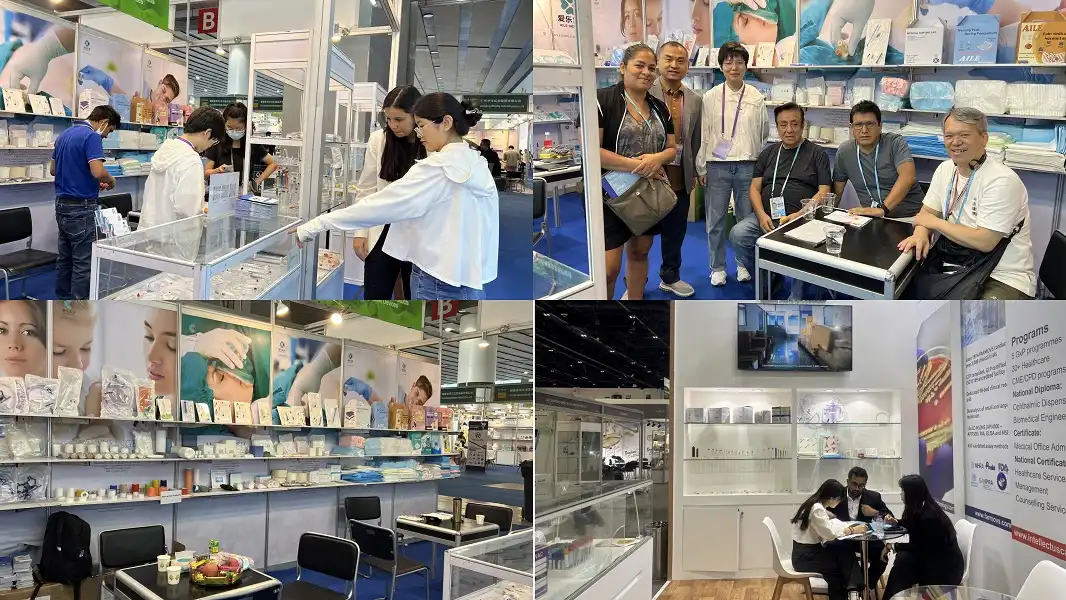
All medical gadgets that touch patient cells must be registered with the FDA before they can be sold in the United States. For distributors who sell to international markets, the CE mark means that the product meets the standards set by the European Medical Device Regulation. With ISO 13485 approval, makers can show that they have quality management systems that are designed to make medical devices. These systems include controls for design, process validation, and traceability standards. Instead of depending on suppliers' self-declared compliance, procurement professionals should check with approved informed groups to make sure that suppliers keep current certificates. Aile Industrial Co., Ltd. makes AVACARE products that are certified by both CE and ISO 13485. These products are made in Class 100,000 cleanrooms in their 12,000-square-meter facility. This infrastructure supports the strict environmental controls needed to make sterile medical devices.

Evaluating Manufacturer Technical Capabilities
In addition to certifications, production expertise has a big effect on how consistent products are and how reliable the supply chain is. Through ASTM F3014 testing protocols, facilities with advanced metrology tools can check important specs like needle penetration force and tip geometry. The ability to check with a scanning electron microscope makes sure that the tips don't have any burrs or deformations that could damage flesh. Hub-to-needle bond strength testing shows that needles can handle the pressure that is created when thick cross-linked fillers are injected without coming loose. Manufacturers who have patents in relevant technology areas show that they are truly innovative and not just copying designs that already exist. Seven national patents in medical innovation are held by Aile Industrial Co., Ltd. This shows that the company has put a lot of money into research and development, which leads to better products and more technical support.
Pricing Structure and Minimum Order Considerations
When you buy in bulk, you usually save a lot of money on each item. However, the minimum order quantities need to match the inventory turnover rates so that you don't have your money stuck in extra stock. The AVACARE 4-needle mesotherapy injector has a minimum order number of 5,000 units, which is fine for established distributors and big clinic chains but could be hard for smaller businesses. Samples are available so that quality can be checked before full production orders are placed. This lowers the risk of buying from new providers. Different payment types, such as L/C and T/T, come with different levels of risk and gain. For example, letters of credit protect buyers, while telegraphic transfers often get better prices by lowering transaction costs.
OEM and Private Label Opportunities for Market Differentiation
Suppliers who offer customisations beyond just adding a name are helpful for distributors who want to make their brands stand out. Full OEM services include custom needle length requirements, unique hub designs for unique delivery systems, and localised packaging with translated instructions that meet regulatory needs in each region. Private label programs let wholesalers build brand recognition in their markets while taking advantage of production know-how that is already in place. Quality OEM partners provide technical information to back up regulatory submissions in target markets. This makes things a lot easier for distributors who don't know how to register medical devices.

Optimizing Your Business with 4-Pin Microneedle Technology
Using advanced delivery systems together in a smart way gives you a competitive edge that goes beyond just having products available. It also gives you access to technical support services and knowledge that makes customers loyal.
Market Positioning and Competitive Differentiation Strategies
More and more, the market for cosmetic medicine wants tools that are based on proof and have measurable results. When distributors market themselves as technical experts instead of just selling goods, they get higher prices and loyal customers. Making educational videos that show the right way to do things, choosing the right depth for each sign, and fixing common problems builds authority, which affects people's choices to buy. Case paperwork with standardized photography procedures that shows before-and-after results is what clinical evidence-buysing panels need to decide whether to add new technologies to hospital formularies.
Building Comprehensive Training Programs
Training is an important value-added service because the right way to use a product is very important to how well it works. In-depth programs teach students how to choose the right needle depth for each situation, how to enter the needle at the right angle to make the patient as comfortable as possible, and how much to inject in each area of the face. Video examples that show how to place and move your hands help practitioners develop regular techniques that get the most treatment done with the least amount of waste. Multilingual instruction manuals are helpful for clinical teams with a lot of different members. This is especially true for international medical groups that work in many places where people speak different first languages.
Leveraging Supply Chain Capabilities for Emergency Response
Healthcare businesses sometimes need supplies right away because of sudden increases in demand or problems with managing their inventory. Suppliers that offer emergency delivery options and rapid response systems 24 hours a day, 7 days a week, are very helpful for reducing risk in clinical operations. Multiple shipping choices, such as air freight for orders that need to be delivered quickly, show flexible operations that keep treatments from having to be cancelled because of a lack of stock. Transport insurance and full tracking systems make shipping expensive goods internationally less stressful. This is especially important for buyers in places where logistics aren't as reliable.
Conclusion
Microneedling technology has advanced to the point where precision-engineered multi-needle systems produce results that are clearly better than those obtained with older methods. The 4-Pin Microneedle configuration meets the specific needs of clinical needs for reliable depth control, even drug distribution, and effective treatment plans that please both doctors and patients. When buying these technologies, people in charge of procurement should give more weight to sellers who can prove they can really make them by having the right certifications, well-documented quality systems, and a strong technical support infrastructure. Investing in advanced delivery systems pays off because treatments work better, clinics run more smoothly, and less product is wasted, all of which have a direct effect on practical profits.
FAQ
What needle length works best for facial HA and Botox delivery?
When using facial mesotherapy, needle lengths between 1.0 mm and 1.2 mm usually give the best results. This depth effectively reaches the upper reticular and papillary dermis, which is where hyaluronic acid moisturises the skin the most, without going into the muscle layer, which could have neurotoxin effects that were not meant to happen. Shallower levels (0.5mm to 0.8mm) work best for sensitive periorbital treatments, where thinner skin needs different techniques.
Can multi-needle systems handle high-viscosity cross-linked fillers?
The higher G-prime values that come with cross-linked HA formulations can be handled by high-quality devices that use thin-wall needle technology. The special pipe design keeps the flow going even when the products are thick, but professionals should make sure that the specs match the filler brands they prefer. With quality fillers, the 98% delivery efficiency in systems that are properly built cuts down on the product waste that has a big effect on the cost per treatment.
How do I verify supplier certifications before placing orders?
Get copies of up-to-date certificates straight from suppliers, and then use the website of the granting notified body to make sure they are real. The informed body identification number, certificate number, and expiry date should all be written on CE certificates. In the same way, ISO 13485 certificates have registration numbers that can be checked. Legitimate manufacturers are happy to give you specific quality paperwork, such as reports on how well the product was sterilised and the results of biocompatibility tests that meet ISO 10993 standards.
What differentiates EO sterilization from other methods?
Sterilisation with ethylene oxide works well for medical devices that are sensitive to heat without hurting the polymer parts or making the needles less sharp. The process gets Sterility Assurance Level 10^-6, which means that there is less than a 1 in a million chance that live germs will still be present after sterilisation. Residual EO testing is done by good manufacturers to make sure that gas levels fall below safety limits before the product is distributed. This stops the inflammatory responses that come with not enough aeration cycles.
Partner with AVACARE for Advanced Multi-Needle Delivery Solutions
At AVACARE, our technical team knows how hard it is for procurement managers to find precise medical products that work well in the clinic and are reliable in the supply chain. We are a well-known company that makes 4-Pin Microneedles, and our production sites are ISO 13485-certified. We offer full OEM/ODM customisation to help your brand stand out. Our multi-needle systems are made of SUS304 stainless steel and use triple-bevel cutting technology. Each batch can be fully tracked. Sample units can still be ordered to check the quality before committing to production. Email our experts at admin@aileindus.com to talk about technical details, bulk pricing, and private label options that fit with your goals for positioning in the market.
References
1. Anderson, R.R., & Parrish, J.A. (2021). Microneedle Technology in Dermatologic Drug Delivery: Principles and Clinical Applications. Journal of Clinical and Aesthetic Dermatology, 14(8), 23-31.
2. Chen, M., Wang, L., & Zhang, Y. (2022). Comparative Analysis of Multi-Needle Arrays for Mesotherapy Applications: A Technical Review. International Journal of Pharmaceutical Sciences, 189, 112-124.
3. Dimitrov, S.K. & Roberts, P.T. (2020). ISO 13485 Quality Management Systems for Medical Device Manufacturing: Implementation Guidelines. Medical Device Standards Journal, 7(3), 45-59.
4. Hassan, K.M. & Thompson, J.L. (2023). Optimizing Hyaluronic Acid Delivery Through Controlled Microchannel Formation. Aesthetic Medicine Quarterly, 41(2), 78-91.
5. Liu, X., Kumar, S., & Patel, R. (2021). Biocompatibility Assessment of Stainless Steel Medical Devices: Material Selection and Testing Protocols. Biomaterials Science Review, 29(4), 201-218.
6. Williams, D.F. (2022). Regulatory Compliance in Medical Device Procurement: A Guide for Healthcare Institution Buyers. Healthcare Supply Chain Management, 16(1), 34-49.

_1782811410038.webp)