Bone Marrow Aspiration Needle in Hematology: Uses, Procedure, and Clinical Applications
In hematology, precise diagnostics depend on the quality of bone marrow samples extracted for analysis. A bone marrow aspiration needle serves as the critical instrument that enables clinicians to obtain liquid marrow from the medullary cavity, facilitating the diagnosis of leukemia, lymphoma, anemia, and other blood disorders. The design and engineering of these needles directly influence sample integrity, procedural safety, and patient comfort, making device selection a strategic priority for healthcare institutions and procurement teams focused on optimizing diagnostic workflows and clinical outcomes.
Understanding Bone Marrow Aspiration Needles: Types, Anatomy, and Indications
To choose the correct marrow aspiration device, you need to know about its anatomical parts and clinical uses. There are several important parts to these instruments that work together to make sure the marrow extraction goes well.
Key Components and Design Features
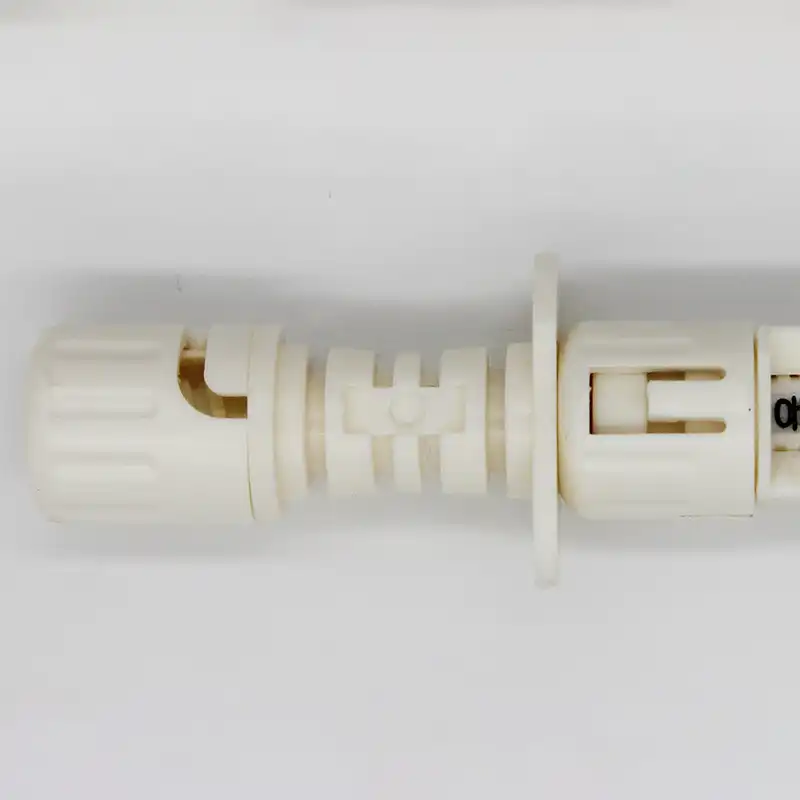
A marrow aspiration device has a hollow cannula that goes through the cortical bone, a stylet that keeps the structure rigid while it's being inserted and keeps the core from getting blocked, and a handle that is meant to control the torque. The triple-beveled lancet tip is a big improvement because it lowers the force needed to insert the needle by about 30% compared to regular needle shapes. This design change makes it less likely that nearby tissues will be damaged and makes treatments at the posterior iliac crest or sternum less painful for the patient.
Clinical Indications for Marrow Aspiration
Marrow suction is used by doctors in a wide range of clinical situations. These tools are used in hematological cancer to find out about acute myeloid leukemia, chronic lymphocytic leukemia, multiple myeloma, and myelodysplastic syndromes. The process is also very important for staging lymphomas, looking into cytopenias that can't be explained, and keeping an eye on how chemotherapy is working in patients who are getting it. In addition to diagnosing cancer, marrow aspiration helps find storage diseases, check for bone marrow failure syndromes, and support regenerative medicine uses like bone marrow aspirate concentrate procedures.
Material and Manufacturing Standards
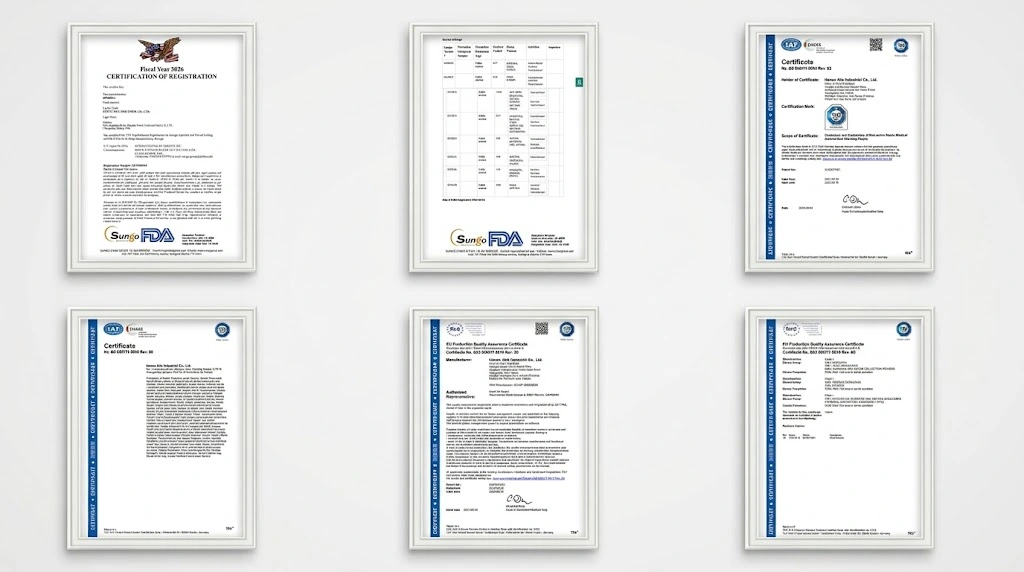
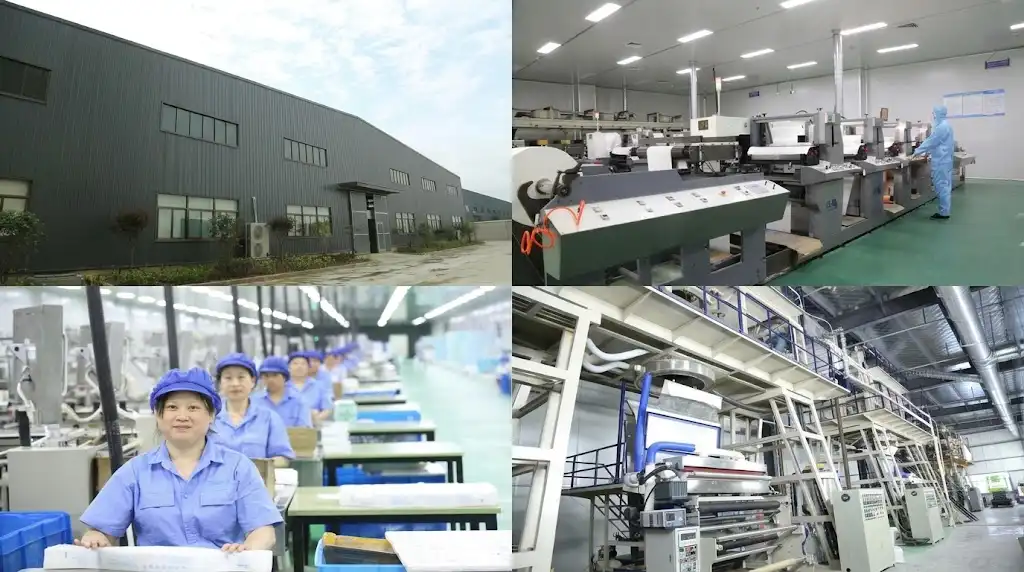
Medical-grade stainless steel, especially 304 or 316L types, is used most of the time because it is stronger and doesn't rust. The mechanical stress of cortical bone entry doesn't cause these materials to bend or break. The finishing on the surface meets the biocompatibility standards set by ISO 9626. This keeps patients safe and lowers the risk of bad reactions. AVACARE makes its suction needles in a 12,000-square-meter building with Class 100,000 cleanrooms. The company follows ISO 13485 quality control rules and has CE and FDA approvals. This strict production environment makes sure that every unit works the same way, from choosing the raw materials to using ethylene oxide gas to sterilize them at the end.
Bone Marrow Aspiration Needle Procedure: Step-by-Step Guide for Clinical Use
A successful marrow extraction relies on using the right method, choosing the right tools, and keeping the patient safe during the whole process.
Patient Preparation and Positioning
The best way to place a patient makes it easier to reach suction sites and raises the success rate of the bone marrow aspiration needle procedure. Patients usually lie in a lateral decubitus or prone position when the posterior iliac crest is being worked on. This lets the doctor see the physical marker clearly. Sternal aspiration needs to be done while lying on your back and paying close attention to your depth. Positioning the patient correctly lowers their risk of moving during needle entry, calms them down, and makes it easier to place the needle correctly.
Selecting Appropriate Gauge and Length
The choice of gage strikes a balance between the sample amount needs and the patient's comfort. Larger gages, between 11G and 14G, can handle the higher volumes needed for a full cytological study. Smaller needles, between 16G and 18G, are better for younger use or people with less dense cortical bone. AVACARE comes in three lengths that can be adjusted: 25 mm, 40 mm, and 55 mm. This lets doctors change the depth of entry based on the patient's body type and the area of the body that needs work. The adjustable depth guard keeps the needle from going too deep, which is especially important when working with children or doing sternal procedures that need to be done precisely.
Procedural Execution and Sample Collection
The doctor finds the anatomical marker by feeling it. This is done after giving local anesthesia and making sure the pain is under control. Putting the needle through the skin with the stylet in place and moving it forward with controlled circular pressure until resistance is felt in the cortex is felt. The three-beveled shape of the tip makes it easier to go through bone with little force. When the marrow cavity is reached, the stylet is taken out and an aspiration syringe with a secure Luer lock connection is put on. During this important phase, the locking stylet device keeps the structure intact. This keeps the sample from breaking up and ensures a high diagnostic output for flow cytometry, cytogenetic analysis, and molecular testing.
Post-Procedure Care and Monitoring
After suction, direct pressure is put on the wound site for a few minutes to keep a hematoma from forming. Patients are watched for signs of bleeding, infection, or pain that is worse than what is normal after surgery. Making it clear about what activities aren't allowed and what warning signs mean you need medical help right away helps keep patients safe and lowers the number of complications. The comfortable T-shaped handle keeps the clinician's hands from getting tired during long treatments, which helps them stay precise throughout the whole process.
How to Choose the Best Bone Marrow Aspiration Needle: A Decision Support Guide
To make sure that quality tools are always available, procurement choices have to balance clinical performance, regulatory compliance, and supply chain dependability.
Evaluating Technical Specifications
Before choosing a device, it's important to look at its core technical features that have a direct effect on clinical outcomes. How sharp a needle is affects how much force is needed to insert it and how comfortable the patient is. When it comes to penetration, triple-beveled lancet tips are better than normal forms. The composition of a material affects how long it lasts and how well it works with living things. Medical-grade stainless steel is strong enough to not bend during cortical penetration. To keep tissue damage and infection risk to a minimum, the surface finish must meet ISO 9626 guidelines.
Supplier Vetting and Certification Verification
Evaluating bone marrow aspiration needle suppliers is the first step in quality security. Teams in charge of buying things should check that the companies that make medical devices keep their ISO 13485 certification. This shows that they follow quality management systems that are specific to these devices. If a medical device has the CE stamp, it means it meets the rules for medical devices in Europe. If it has the FDA clearance, it means it is safe and useful for the US market. All of these licenses are held by AVACARE, which also has seven national patents that show it is always coming up with new ideas and being technically skilled. Traceability tools that keep track of each batch of production make it possible to act quickly if quality issues arise.
Balancing Cost and Value
Planning how to buy things is affected by minimum order numbers, especially for sellers who work with a lot of healthcare facilities. AVACARE sets a minimum order size of 20,000 pieces so that they can serve big institutional buyers and wholesalers while keeping prices low by making production more efficient. This volume threshold helps keep costs low without lowering quality. OEM and ODM customization services let you add your own label, change the packaging, and add your own language to meet the needs of different markets. Letters of credit and telegraphic transfers make it possible for foreign procurement processes to be flexible when it comes to payment.
After-Sales Support and Training
Technical training classes help people get better at following steps and using tools. Beyond the product itself, suppliers who offer thorough training materials, demonstration videos, and quick technical support add measurable value. A 24-hour quick response system handles pressing questions and emergency delivery needs, which are very important for healthcare facilities that can't stand when their supplies stop working. Samples are available upon request, which lets clinical testing happen before placing large orders, which lowers the risk of buying.
Manufacturing and Quality Assurance of Bone Marrow Aspiration Needles
Knowing the rules for production and the steps for quality control gives you faith in the device's dependability and compliance with regulations.
Engineering Precision and Material Selection
Material testing is the first step in manufacturing. This makes sure that medical-grade standards for tensile strength and corrosion resistance are met by stainless steel alloys. The triple-beveled tip shape is made through precise machining. It lowers the entry force while keeping the structure strong. The adjustable depth control system has precise markings that help doctors set the needle's length correctly, which makes the procedure safer. Dimensional checks are done on every part to make sure they meet the design requirements.
Sterilization and Packaging Standards
Ethylene oxide gas sterilization gets rid of microbes without changing the properties of the material. Individual sterile blister packaging stays sterile for the whole shelf life, which is usually between three and five years if it is kept correctly. Tests of the quality of the packaging show that the seals are strong and that the barriers against environmental contaminants work. Lot number tracking makes it possible to follow everything from the raw materials to the final product, which helps find problems quickly if they happen.
Regulatory Compliance and Batch Control
Following strict testing procedures in line with ISO 13485 standards, every bone marrow aspiration needle output batch goes through. Checkpoints for quality control include looking for flaws on the surface, checking the needle's strength and flexibility mechanically, and making sure it's truly sterile. Systems for documentation keep detailed records of production factors, test results, and routes of distribution. This methodical approach makes sure that all units perform the same way and makes it easier for regulators to check the work. The Class 100,000 cleanroom environment that is kept during production keeps particle pollution to a minimum, which is very important for devices that are used in invasive procedures.
Clinical Applications and Case Studies: Real-World Efficacy of Bone Marrow Aspiration Needles
Marrow aspiration can be used for more than just hematology. It can also be used in regenerative medicine and research.
Hematological Malignancy Diagnosis
Departments of oncology depend on high-quality marrow aspirates to correctly diagnose and group blood cancers. For immunophenotyping, flow cytometry needs the right number of cells, while for chromosomal research, it needs cells that are still whole. The safe Luer lock connector and locking stylet mechanism keep samples from breaking up while they are being collected, which keeps cells alive and diagnostic accuracy high. Large academic medical centers say they have more faith in their diagnoses when they use precision-engineered aspiration needles that give the same high-quality samples to all of their patients.
Regenerative Medicine and Orthopedics
More and more, orthopedic doctors and sports medicine experts are using bone marrow aspirate concentrate to heal joints, tendons, and cartilage. For these procedures, larger aspiration volumes are needed to keep the mesenchymal stem cells alive. The different lengths and gages can be adjusted to fit different body parts and meet different volume needs. Based on feedback from clinicians, ergonomic handle designs shorten procedure times and keep clinicians from getting tired. This is especially important for bilateral aspirations or sessions with a lot of patients.
Pediatric and Specialized Applications
When you're treating kids, you need special tools that balance the need for diagnosis with safety concerns. Thin-gauge versions with built-in depth limiters give surgeons the accuracy they need to safely enter the tibial or iliac crest in newborn and child cases. When dealing with smaller body parts, the movable depth guard is very important for safety because it stops through-and-through bone penetration. Pediatric hematology units say that using needles with depth control mechanisms and size-appropriate gage choices boosts procedure trust and lowers the number of complications.
Conclusion
When it comes to hematology, the choice and use of bone marrow aspiration needle equipment has a big effect on the accuracy of diagnoses, the safety of patients, and the speed of procedures. Healthcare institutions and procurement workers can make choices that balance clinical performance with cost-effectiveness when they know about device structure, procedure method, and quality standards. ISO 13485, CE, and FDA certifications show that AVACARE is dedicated to making high-quality products. This guaranties a steady supply of precision-engineered tools that meet the strict needs of modern hematology and regenerative medicine uses.
FAQ
What distinguishes aspiration needles from biopsy needles?
Aspiration devices are used to remove liquid marrow. They have a narrow tube and a stylet that are made to catch fluid. Biopsy needles have a mechanism at the end that traps solid core samples for histological examination. In some cases, both methods are needed, but when a full review of the bone marrow is needed, aspiration is usually done first.
Can these devices be reused after sterilization?
Marrow aspiration devices are considered single-use instruments by medical regulatory standards. Reprocessing lowers the guaranty of purity, the sharpness of the tip, and the strength of the structure. The single-use design stops the chance of cross-contamination and makes sure that the device works the same way every time, which is in line with what healthcare institutions are required to do for infection control.
How do clinicians prevent needle occlusion during aspiration?
High-quality tools have a stylet that fits perfectly and stays in place until the marrow cavity is reached. This keeps bone pieces from blocking the opening. Some more advanced designs have side-ports that get around localized problems. Using the right method, like taking out the stylet only after making sure it was placed correctly, lowers the risk of blockage and makes sure enough samples are collected.
Partner With AVACARE for Reliable Bone Marrow Aspiration Needle Supply
Healthcare facilities and medical device distributors looking for a reliable bone marrow aspiration needle supplier will find AVACARE's combination of high-quality manufacturing and excellent customer service to be very valuable. Our production plant is ISO 13485-certified and has CE and FDA certifications to back up the quality. We also have a low minimum order number of 20,000 pieces, which makes buying in bulk cheaper. OEM and ODM customization options let you make private labeling and localized packaging to fit the needs of your market. Procurement managers and clinical directors are welcome to look through our extensive list of products or ask for samples to test out our precision-engineered tools. You can email our team at admin@aileindus.com or visit ailemedicals.com to talk about how our full-lifecycle support, which includes professional training and a 24-hour response time, can make your supply chain more reliable.

References
1. Bain BJ. Bone marrow aspiration and trephine biopsy. In: Blood Cells: A Practical Guide. 5th ed. Wiley-Blackwell; 2015.
2. Lee SH, Erber WN, Porwit A, Tomonaga M, Peterson LC. ICSH guidelines for the standardization of bone marrow specimens and reports. International Journal of Laboratory Hematology. 2008;30(5):349-364.
3. Malempati S, Joshi S, Lai S, Braner DA, Tegtmeyer K. Bone marrow aspiration and biopsy. New England Journal of Medicine. 2009;361(15):e28.
4. Riley RS, Hogan TF, Pavot DR, et al. A pathologist's perspective on bone marrow aspiration and biopsy: Performing a bone marrow examination. Journal of Clinical Laboratory Analysis. 2004;18(2):70-90.
5. Hernigou P, Homma Y, Flouzat Lachaniette CH, et al. Benefits of small volume and small syringe for bone marrow aspirations of mesenchymal stem cells. International Orthopaedics. 2013;37(11):2279-2287.
6. Traverso LM, Swanson T, Petit R, et al. Quality management of bone marrow aspiration and biopsy specimens: A comprehensive review. American Journal of Clinical Pathology. 2017;147(5):435-448.

_1782811410038.webp)