How Should Used Insulin Pen Needles Be Disposed Of?
Used insulin pen needles are classified as sharps waste and must be discarded in puncture-resistant, FDA-approved sharps containers—never in regular household or clinical trash. Once a disposable insulin pen needle has been used, recap it immediately using the outer shield, place it in a certified sharps disposal container, and seal the container when it reaches the fill line. Depending on your jurisdiction, you may drop it at a designated collection site, mail it through an approved take-back program, or arrange pickup through a licensed medical waste contractor.
Understanding the Problem: Risks of Improper Disposal
The CDC says that more than 37 million Americans have diabetes, and many of them need insulin injections every day. When proper dumping instructions are not followed, that much sharps waste poses a real threat to public health.
Common Misconceptions That Create Risk
It's thought to be fine by many places to cap off a used needle and throw it in a regular trash can. It's not. Sharps that are loose in trash can pierce bags, hurt cleaning workers, and infect things nearby. The WHO says that 16 billion injections are given around the world every year, which creates a huge amount of sharps waste that needs to be handled in a specific way.
Regulatory Frameworks You Must Know
In the US, OSHA's Bloodborne Pathogens Standard (29 CFR 1910.1030) says that companies must provide sharps containers and make sure they are thrown away safely. The EPA also oversees programs at the state level that control how people throw away sharp objects. European buyers must follow EU Directive 2010/32/EU, which says that needle recapping is not allowed in some clinical settings and that sharps systems must be safer.
Legal and Reputational Risk for B2B Buyers
Not following the rules for getting rid of sharp objects can lead to fines, facility audits, and damage to your reputation. When procurement managers don't look at the disposal standards in their buying contracts, they put their companies at risk of being sued. A practical way to lower this risk is to choose approved sharps that follow waste management rules at the time of purchase.
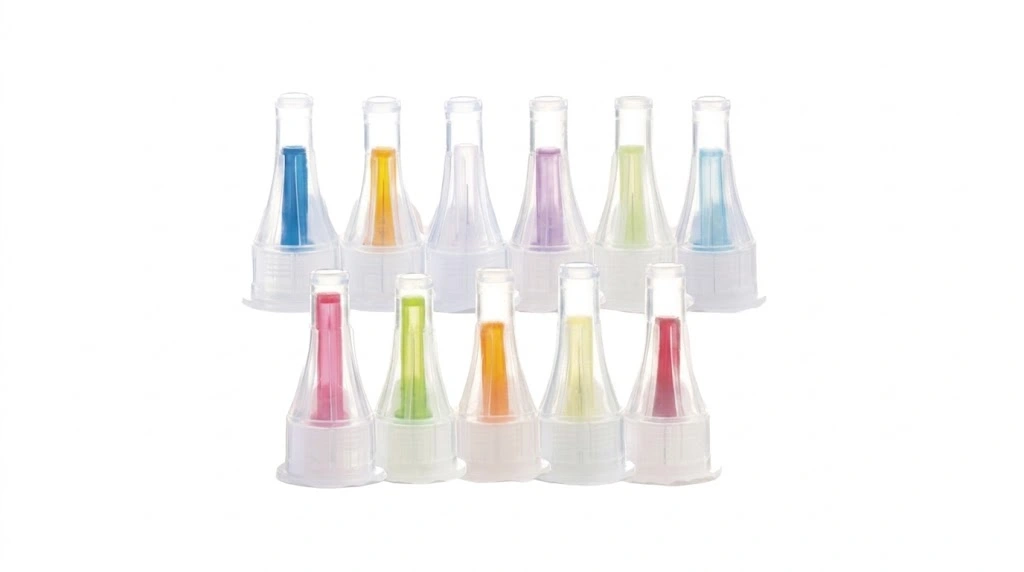
Safe and Effective Methods to Dispose of Used Insulin Pen Needles
No matter if you're in a hospital, clinic, or distribution center, the main idea is always control and approval, no matter what method you choose.
Step-by-Step Disposal Protocol
There is a clear order to proper disposal. First, put the top cap back on right away after injecting. Second, put the used needle right away into a sharps container that has been approved by the FDA. Third, seal the container when it's three quarters full and make plans for a certified medical waste disposal service to pick it up or drop it off. Don't overfill a container; doing so makes it more likely that it will puncture while being handled.
Community and Institutional Take-Back Programs
The Safe Sharps Disposal program from the FDA and many state programs offer mail-back kits and places to drop them off. When healthcare facilities deal with a lot of medical waste, they should work with a qualified medical waste provider to make sure they get picked up on time and keep records, which is important for audits and ISO 13485 compliance.
Emerging Disposal Technologies
As recycling becomes more important in purchasing, sharps containers that break down naturally are becoming more popular. Some facilities are also getting needle removal tools that can't be used again and can do it while the needle is still attached to the hub. Over time, these solutions lower both the amount of biohazards and their impact on the environment.
Comparing Disposable Insulin Pen Needle Disposal Versus Reusable Needles
Choosing between single-use and reusable needles has direct effects on the amount of waste, the risk of infection, and the cost of running the business.
Disposal Volume and Safety Protocols
Disposable insulin pen needles make more waste per patient, but they don't pose the same pollution risks as needles that have been used before. A study in Diabetes Technology & Therapeutics shows that using needles more than once creates tiny barbs on the tip, which raises the risk of tissue damage and infection. Single-use disposal is the best way to make sure things are safe.
Cost and Lifecycle Considerations
At first glance, reusable needle systems may seem like a good way to save money, but they come with costs for sterilization, training for staff, and more paperwork to keep track of. When buying in bulk for institutions, disposable options with standard container needs often have a lower total cost of ownership when supply agreements are negotiated along with waste management contracts.
Regulatory Complexity for Bulk Buyers
When sourcing for healthcare networks with multiple sites, procurement specialists need to take into account the different rules for getting rid of waste in each region. This is made easier by getting disposable insulin pen needles from companies that are CE/ISO 13485 certified. This makes sure that product tracking and paperwork are built into the supply chain from the start.
Procurement Considerations: How to Source Insulin Pen Needles Aligned with Disposal Needs?
Sourcing decisions directly affect how manageable your disposal workflow becomes at scale.
Evaluating Needle Specifications for Disposal Compatibility
The gage, length, and type of packing of the needle all affect the choice of container and the classification of waste. Needles that are 4 to 5 mm shorter make less biohazard mass per unit. AVACARE's line uses single paper-plastic package packing, which makes it easier to give each person their medicine in a clean way and lowers the risk of contamination before use. AVACARE has models that come in 0.3 mL, 0.5 mL, and 1 mL sizes. These models are sterilized with EO gas and come separately packed in paper-plastic bags, which makes managing waste easy.
Supplier Certification and OEM Options
When choosing a sharps source for disposable insulin pen needle business purchases, here are the most important things to look for:
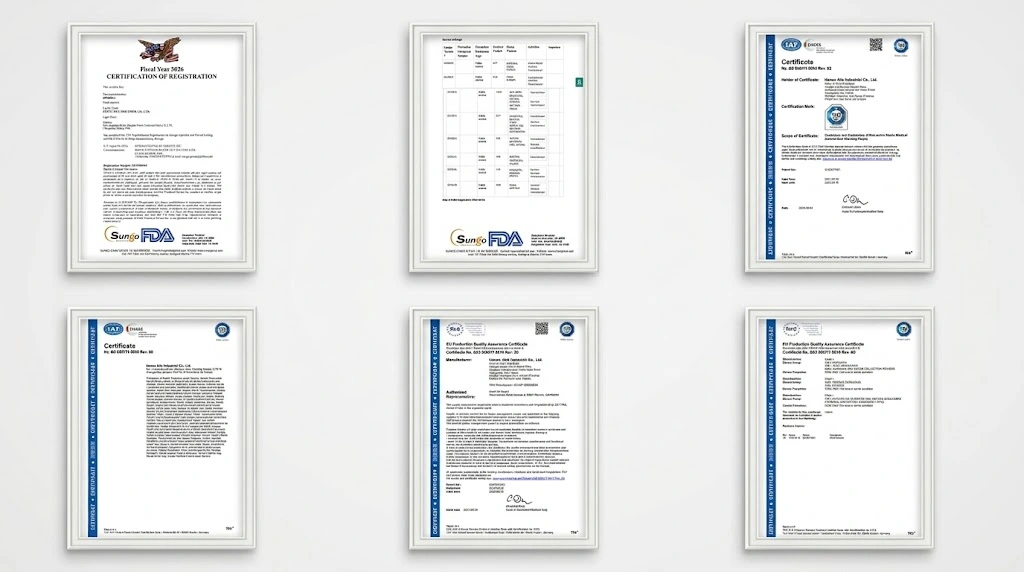
- CE and ISO 13485 certification, which shows that the company's quality management system meets the standards for medical devices used around the world.
- Batch traceability, which lets you remember and check the paperwork for every shipment.
- OEM/ODM support, enabling private labeling and packaging localization for multinational networks.
- Proven lead time, like AVACARE's 30–45 day estimated lead time, helps plan the supply chain.
These requirements are not just administrative boxes to be checked; they have a direct effect on how well your company can handle quality incidents, regulatory audits, and emergency restocking needs.
Integrating Disposal Agreements Into Procurement Contracts
Not only should procurement contracts list the specs of a product, they should also say how it should be handled when it's no longer useful. Including disposal service providers in negotiations with vendors or buying from suppliers who offer full-lifecycle documentation makes it easier to manage paperwork and makes sure that everyone in the supply chain stays in compliance.
Best Practices and Safety Tips for Handling and Disposing Used Pen Needles
Safe handling begins before the needle is used and goes on until the sharps container is taken out of the building.
PPE and Staff Training Requirements
When dealing with sharps waste, people should wear gloves that won't cut and follow the facility's unique exposure control plans. Training should cover how to properly place containers, check their fill levels, and report accidents. OSHA requires that people who handle controlled medical waste get new training every year.
Temporary Storage and Transport Compliance
Sharps containers need to be kept upright in secondary containers that won't leak while they're being moved. In the United States, the Department of Transportation (DOT) sets rules for transporting medical waste, which include rules about labeling and holding the waste. Facilities that move trash from one state to another must also follow the appearing rules of that state.
Troubleshooting Common Disposal Challenges
In high-volume settings, one of the most common problems is containers that get clogged or are too full. At the start of each shift, staff should check how full each jar is and replace any that are full. If a needle gets stuck in the opening of a container, don't try to push it in by hand; instead, replace the container to avoid getting hurt.
Conclusion
Getting rid of used disposable insulin pen needles in the right way is a clinical, legal, and operating duty. Every choice you make, from picking the right sharps container to writing removal instructions into purchase orders, impacts patient safety, staff safety, and your organization's compliance status. It's easier to handle the whole disposal process if you buy from approved makers that offer traceable, single-use products that come in clean packaging and come with good paperwork.
FAQ
Can a disposable insulin pen needle be reused?
No, because using it more than once dulls the tip and makes tiny hooks that damage tissue and increase the risk of infection. As a professional standard, single-use design is used.
Does needle gauge affect disposal requirements?
Gage changes the recommended size of sharps containers but not the type of removal. No matter what gage, all used insulin pen needles are considered sharps waste.
Can used needles be shipped to disposal facilities by mail?
Yes, under mail-back programs that are okay with the FDA. Needles need to be put in a sharps container that is approved, sealed, and properly labeled before they can be mailed.
What certifications should I verify before bulk purchasing?
Check the CE label, ISO 13485 approval, and proof of EO sterilization. These show that the product is safe and that the manufacturing quality system is being followed.
Are 4mm needles sufficient for all patient populations?
There is clinical proof that 4mm needles are safe for subcutaneous delivery in all body mass index groups. This lowers the risk of intramuscular injection.
Partner With AVACARE — Your Trusted Disposable Insulin Pen Needle Supplier
AVACARE sells disposable insulin pen needles that are CE and ISO 13485-certified and are made for large-scale purchases by institutions and distributors. Our goods have ultra-fine gages of up to 34G, Thin Wall technology for better flow, and EO gas cleaning that doesn't use pyrogens or latex. We offer both OEM and ODM services, and the minimum order size is 20,000 PCS. We accept both T/T and L/C payments, and samples can be sent to you upon request. Get a price from our team right away by emailing admin@aileindus.com or going to ailemedicals.com.

References
1. World Health Organization. Safe Management of Wastes from Health-Care Activities. WHO Press, 2014.
2. Centers for Disease Control and Prevention. National Diabetes Statistics Report. CDC, 2023.
3. Occupational Safety and Health Administration. Bloodborne Pathogens Standard (29 CFR 1910.1030). U.S. Department of Labor, 2012.
4. U.S. Food and Drug Administration. Safe Sharps Disposal. FDA, 2022.
5. Hirsch, L., et al. "Reuse of Insulin Pen Needles: Clinical Implications." Diabetes Technology & Therapeutics, 2012.
6. European Agency for Safety and Health at Work. EU Directive 2010/32/EU on the Prevention of Sharps Injuries in the Hospital and Healthcare Sector. EU-OSHA, 2010.

_1782811410038.webp)