Can Children Safely Use Disposable Insulin Pen Needles?
Yes, children can safely use disposable insulin pen needles when administered correctly. These single-use devices are specifically engineered to provide hygienic, pain-minimized insulin delivery for pediatric diabetes management. Modern disposable insulin pen needles incorporate ultra-fine gauge designs, latex-free materials, and sterile manufacturing standards that address the unique anatomical and psychological needs of young patients. When healthcare providers and caregivers select appropriately sized needles and follow recommended injection protocols, these devices offer a reliable, infection-controlled solution for managing Type 1 and Type 2 diabetes in children.
Understanding Disposable Insulin Pen Needles for Pediatric Use
Compared to traditional reusing needles, disposable Insulin Pen Needles are a big step forward in caring for kids with diabetes. These precision-engineered medical devices are made to deliver insulin subcutaneously just once. This eliminates the risk of cross-contamination that worries clinical directors and quality compliance officers in healthcare facilities.
How Disposable Needles Differ from Reusable Options
The main difference is between ensuring cleanliness and preventing tissue damage. Each throwaway needle comes in sealed packaging that has been cleaned with EO gas. This ensures that the delivery system is free of pyrogens and is safe, as required by ISO 11608-2 standards. Even after being cleaned, reusable needles can't reach the same level of sterility. After the first use, they form tiny burrs that hurt tissue during future injections.
Infection Control Benefits for Children
Children are more likely to get infections because their immune systems are still growing. Single-use insulin pen needles avoid the disposable Insulin Pen Needlerisks of bacterial colonization that come with using the same needle more than once. This is an important thing for procurement managers to think about when they are buying things for diabetes centers and pediatric rooms. The sealed sterile barrier stays in place until the medicine is given. This makes sure that there are no infections, which meets regulatory requirements and clinical safety standards.
Clinical Safety Standards and Certifications
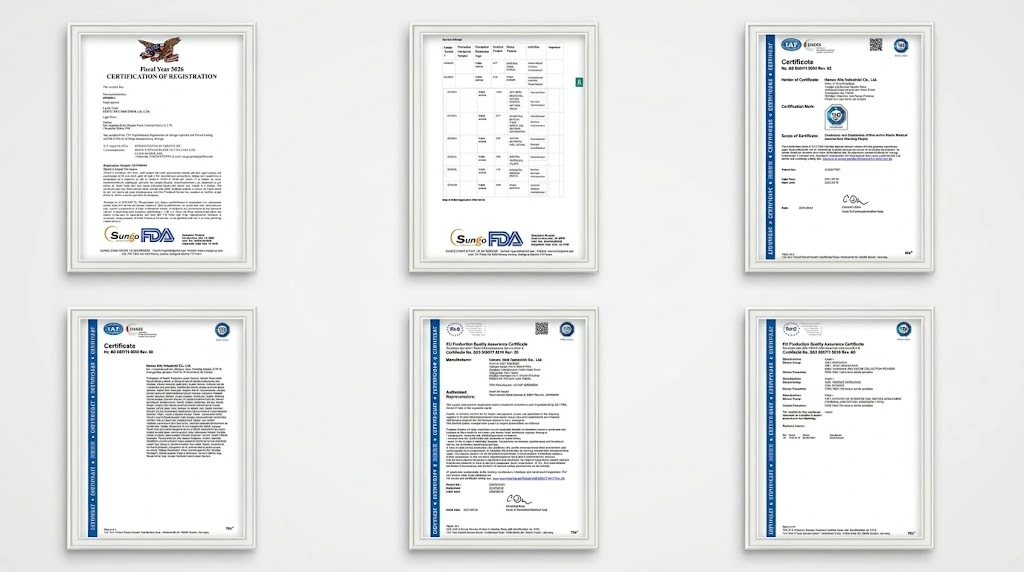
Insulin pen needles that are FDA-approved and CE-marked go through a lot of biocompatibility tests, such as cytotoxicity and sensitivity studies. These certifications show that harmful chemicals aren't present and that quality control methods used in making are true. Healthcare distributors that work with pediatric facilities look for providers that have ISO 13485 quality management systems. This makes sure that batches can be tracked and that there is enough paperwork to meet international legal standards.
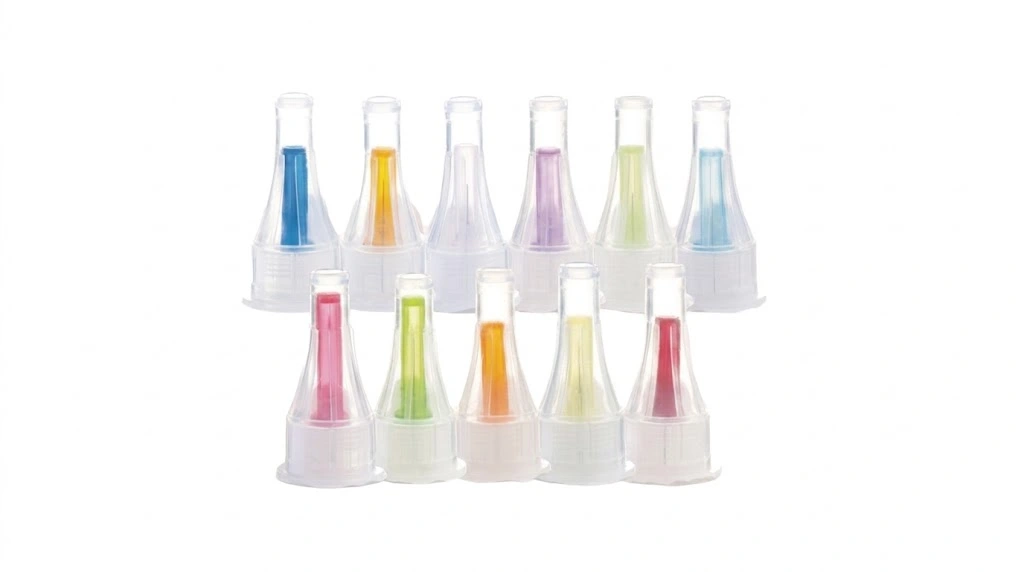
Key Factors for Selecting Disposable Insulin Pen Needles for Children
Choosing the right needle specifications has a direct effect on how well kids with diabetes follow their treatment plans and how well they do clinically. When setting procurement standards for their facilities, medical technologists and clinical directors look at a number of factors.
Needle Length and Gauge Considerations
For kids, disposable Insulin Pen Needle need to be shorter so that they don't accidentally inject insulin into their muscles, which can cause painful bruises and uneven insulin absorption. Four millimeters is now the normal length for kids because it safely reaches subcutaneous tissue in kids of all body types. According to research released by the American Diabetes Association, 4mm needles make injections less scary while still being accurate.
The choice of gage strikes a mix between ease and flow rate efficiency. Ultra-fine 32G and 34G needles reduce the amount of penetration force and emotional reaction. This helps kids who are sensitive to pain, which can make them not want to go through with treatment. AVACARE's insulin pen needles use Thin Wall technology, which makes the inner lumen diameter bigger without making the outer gage measurements bigger. This engineering method makes sure that medications are delivered quickly, even through fine-gauge needles. This cuts down on the time needed for injections and gets patients more involved in the process.
Material Safety and Allergy Prevention
Latex-free construction removes the chance of allergic reactions, which is a must for healthcare facilities that serve a wide range of juvenile groups. Medical-grade stainless steel AISI 304 is biocompatible and maintains structural integrity. A silicone layer on the needle's sides lowers friction while it is piercing the skin. Quality compliance officers check that these material requirements are met by looking at paperwork from suppliers and certificates of analysis that show that international material safety standards are being followed.
Compatibility with Insulin Delivery Systems
Universal screw compatibility makes sure that the device works with all major insulin pen brands, such as Novo Nordisk, Eli Lilly, and Sanofi, which are often recommended for children. When buying needles for a variety of insulin pen brands, purchasing managers give more weight to sellers who can show proof of compatibility testing. This uniform makes clinical processes and inventory management easier, and it also makes it easier for nurses to learn how to give insulin therapy to children.
Best Practices for Using and Disposing Insulin Pen Needles in Children
Following the right steps for use will improve safety and the performance of the product during the injection process. Standardized processes are set up by healthcare organizations that nurses must follow when giving insulin to children.
Injection Technique for Pediatric Patients
Site rotation stops lipohypertrophy from happening, a problem that makes it hard for insulin to work and causes skin changes that kids and parents find upsetting. The abdomen, upper arms, thighs, and buttocks are all good places to get an injection. Rotating the body slowly can help protect the tissues. The angle of the injection depends on the length of the needle and the thickness of the patient's fat tissue. With 4mm needles, most kids can have them inserted perpendicularly without pinching the skin. This makes it easier for caregivers who are managing diabetes care at home to teach their patients the right way to do it.
To keep the medicine from leaking and make sure the right amount is given, the needle clip needs to be tightly threaded onto the insulin pen. After giving an injection, leaving the needle in place for five seconds lets all the insulin spread into the subcutaneous tissue. This stops medication from backflowing, which can affect how accurately the dose is given.
Single-Use Limitation and Hygiene Standards
Using disposable Insulin Pen Needles more than once creates a number of clinical risks. A microscopic look shows that needles that have been used before get hooked tips and surface flaws that tear tissue when they are inserted again. This mechanical damage makes the pain and swelling at injection sites worse. Bacteria grow on uncovered needles even if they look clean, which increases the risk of infection, especially for children who don't have strong immune systems.
Clinical rules all say that after each shot, you should throw it away right away. Healthcare facilities police single-use policies by training staff and setting up systems that keep track of needle supplies against records of insulin administration. This makes sure that quality assurance programs can monitor compliance.
Safe Disposal Protocols
The right way to get rid of used insulin pen needles is in sharps bins that can't be punctured and meet OSHA bloodborne pathogen guidelines. These devices keep healthcare workers, family members, and cleaning workers from getting needle sticks. When distributors work with programs that help kids with diabetes, they often combine orders for sharps containers and needles, which helps enforce strict safety rules.
Putting sharps containers in the right places in treatment areas urges quick disposal, which lowers the risks of handling. When containers are three quarters full, facilities remove and burn biohazard waste according to local rules. This completes the safety chain from making the product to getting rid of it.
Storage Conditions for Product Integrity
Insulin pen needles that haven't been used stay clean as long as they are kept in their original packaging at room temperature and out of direct sunlight and water. When procurement managers set up inventory systems, they make sure to include expiration dates and rotate items from first-in, first-out. Monitoring the environment in storage areas makes sure that conditions stay within the manufacturer's guidelines. This keeps needles sharp and the sterile barrier intact throughout the supply chain.

Comparing Disposable Insulin Pen Needles with Alternative Injection Methods for Pediatrics
When setting up treatment plans for kids with diabetes, healthcare institutions look at a number of insulin delivery methods. Each method has its own pros and cons that affect choices about what to buy and how to apply it in clinical settings.
Advantages Over Traditional Insulin Syringes
When it comes to ease of use, disposable pen needles are better than regular insulin syringes that need to be measured by hand. The design that comes already attached prevents dose preparation mistakes, which is very important for safety when caregivers with different levels of technical knowledge give insulin to kids. The discreet design lowers the risk of social shame, which helps teens who have to handle their insulin treatment at school or in public.
Getting rid of pain is another important health benefit. Pen needles have ultra-fine gages and precision-beveled tips that aren't found in regular insulin syringes. Triple-bevel and five-bevel lancet shapes cut through skin instead of tearing tissue, which greatly reduces the force needed to penetrate and the feeling of pain. This improvement in engineering makes it easier for kids who normally don't want to get multiple injections a day to follow their treatment plan.
Infection Control Superiority
The closed insulin pen system keeps air out and reduces the risk of poisoning that comes with using multi-dose vial systems with regular needles. Every single throwaway needle keeps the path from the insulin cartridge to the subcutaneous tissue clean, so microbes can't get in. Healthcare-associated infection control programs prefer technologies that reduce the number of ways that infections can spread. For this reason, throwaway pen needles are the best choice for managing diabetes in children in hospitals.
Supply Chain and Cost Efficiency for B2B Buyers
Hospital networks and clinic chains that take care of a lot of kids with diabetes can save money by buying disposable Insulin Pen Needles in bulk. AVACARE offers minimum order amounts of 20,000 pieces, which meets the needs of large buyers while keeping unit costs low. The 30- to 45-day lead time lets procurement supervisors set up regular cycles for restocking inventory, which lowers the risk of running out of supplies that could interrupt patient care.
With OEM and ODM customization services, healthcare groups can set up private labeling programs that help their brand stand out in their support networks. Customized packaging with safety instructions specific to the institution and content in multiple languages helps a wide range of patients while maintaining quality standards that have been checked by CE and ISO 13485 certifications.

Procurement Guide: Buying Disposable Insulin Pen Needles for Pediatric Clients
To find high-quality insulin pen needles, you need to carefully evaluate suppliers and check product specifications to make sure the needles work as needed and meet regulatory standards.
Identifying Reputable Manufacturers
Documentation for certification is the basis for evaluating suppliers. Quality compliance officers give more weight to manufacturers who have current ISO 13485 certificates that show they have implemented a quality management system. CE marking and FDA clearance show that the product is legal to sell in foreign markets, which is very important for healthcare companies that work in many countries.
Product consistency is directly affected by the standards of the production facility. Manufacturers who use 100,000-class clean rooms with environmental tracking systems make needles that meet the strict cleanliness standards for pharmaceuticals. These controlled factory settings are part of AVACARE's 12,000-square-meter production base. They help meet the high standards for sterility needed for critical care uses.
Verification of Product Specifications
The needle gage range, length choices, and the results of fit tests should all be written down on technical datasheets. Buyers who work with pediatric facilities report that 4mm and 5mm lengths in 32G and 34G gages are available for use with young children. Disclosure of the material's makeup, such as the grade of stainless steel, coating materials, and plastic parts, allows biocompatibility to be checked against academic standards.
The paperwork for sterilization shows that the EO gas processing works and that the amounts of residual ethylene oxide are below the safety limits. The results of penetration force testing show that the sharpness of the needles is consistent across production batches. This is a quality factor that is linked to patient comfort and less tissue damage.
Customization and Private Labeling Options
OEM services, such as custom package design, multilingual instruction printing, and color-coded labeling systems, help healthcare wholesalers make their own product lines. These customization options help strategies for standing out in the market, and manufacturer certification keeps the quality of the products at a high level.
Strategies for managing inventory are affected by minimum order numbers and lead times. By knowing what the production schedule needs, procurement managers can set up backup stock levels that keep supplies from cutting off when demand changes or deliveries are late for no reason.
Payment Terms and Supply Chain Stability
International transactions involving goods and services can be made using a variety of payment methods, such as T/T and L/C. Letter of credit options offer financial security for large initial orders made when a new supplier is being established.
Sample provision policies let you try out a product before committing to a full-scale procurement contract. Sample needles are tested by clinical evaluation teams and biocompatibility screening to make sure they are safe for certain patient groups and institutional guidelines. This lowers the risks of implementation.
Conclusion
When healthcare institutions follow the right selection criteria and usage practices, disposable Insulin Pen Needles can be used to safely and effectively give insulin to kids with diabetes. Ultra-fine gage design, clean single-use construction, and universal pen compatibility all work together to meet the specific clinical needs of treating kids with diabetes. When purchasing these important medical equipment, procurement workers should give preference to suppliers who can show they have ISO 13485 certification, full product paperwork, and the manufacturing capabilities to ensure consistent quality delivery. Pediatric diabetes care is moving toward less invasive tools that help kids stay on their treatments and have better clinical results when they have long-term conditions.
FAQ
Can insulin pen needles be reused for children?
No, it's not safe or comfortable to use disposable Insulin Pen Needles more than once. Microscopic examination shows that needles that have been used before get anatomical defects and blunted tips, which make future treatments more painful for the tissue. Bacteria build up on uncovered needles no matter how they look, which makes them more likely to cause infections, which is especially dangerous for children. As a way to keep things clean and lower the risk of complications, clinical guidelines say that all single-use items must be thrown away right after each insulin administration.
What needle length is appropriate for pediatric patients?
Children of all body types should have needles that are 4 mm long. This is the clinical standard. Research shows that 4mm needles effectively deliver insulin to subcutaneous tissue while avoiding problems that can happen with intramuscular injections, such as pain, bruises, and uneven absorption. This shorter length makes injections less scary for young patients while still ensuring accurate dosing, which helps patients stick with their treatments longer-term.
Are there insulin pen needles designed specifically for children with sensitive skin?
Ultra-fine 32G and 34G gages and precision-beveled tips on needles made for kids reduce the penetration force and physiological reaction. The lack of latex in the construction removes the risk of allergic reactions, and the silicone coating makes it easier to put into the skin. Even though there isn't a separate area for "pediatric-only" products, these design features all help with sensitivity issues that kids often have. If you choose the right needles based on their gage, length, and material, you can take care of sensitive skin properly.
Partner with AVACARE for Pediatric Insulin Delivery Solutions
Healthcare facilities and medical device sellers looking for dependable insulin pen needle providers will find that AVACARE supports juvenile diabetes programs in a wide range of ways. Our factory is approved by CE and ISO 13485 to make high-quality needles with very fine gages and Thin Wall technology that is best for kids' comfort and safety. We offer OEM and ODM customization services that let you add your own name, package your products in more than one language, and change the specifications to meet different clinical needs. Before placing a large order, procurement managers can ask for samples of our goods to try out. You can reach our team at admin@aileindus.com or visit ailemedicals.com to talk about your needs for pediatric insulin pen needles with experienced technology experts who know how the healthcare supply chain works.
References
1. American Diabetes Association. (2023). Standards of Care in Diabetes—Diabetes Care in the Hospital. Diabetes Care, 46(Supplement 1), S267-S278.
2. Frid, A. H., Kreugel, G., Grassi, G., Halimi, S., Hicks, D., Hirsch, L. J., & Strauss, K. (2016). New Insulin Delivery Recommendations. Mayo Clinic Proceedings, 91(9), 1231-1255.
3. International Organization for Standardization. (2014). ISO 11608-2:2014 Needle-based injection systems for medical use—Requirements and test methods—Part 2: Needles. Geneva: ISO.
4. Hirsch, L. J., Gibney, M. A., Albanese, J., Qu, S., Kassler-Taub, K., Klaff, L. J., & Bailey, T. S. (2014). Comparative Glycemic Control, Safety and Patient Ratings for a New 4mm x 32G Insulin Pen Needle in Adults with Diabetes. Current Medical Research and Opinion, 26(6), 1531-1541.
5. Terumo Medical Corporation. (2022). Clinical Guidelines for Pediatric Insulin Injection Technique: A Comprehensive Review. Somerset, NJ: Terumo Medical Education Institute.
6. Smith, M., Cernasev, A., & Arora, S. (2020). Needle-Related Anxiety in Pediatric Diabetes Management: Current Evidence and Clinical Strategies. Journal of Diabetes Science and Technology, 14(4), 719-728.