Can Disposable Insulin Pen Needles Reduce Injection Pain?
Disposable insulin pen needles can significantly reduce injection pain when properly designed and used. Modern Disposable Insulin Pen Needle technology incorporates ultra-fine gauges ranging from 29G to 34G, precision-beveled tips, and advanced Thin Wall engineering that collectively minimize skin penetration trauma. Unlike reusable options, single-use needles maintain sharp, smooth tips free from microscopic deformities that cause tissue damage. Clinical studies consistently demonstrate that thinner, shorter needles paired with correct injection techniques reduce patient discomfort by up to 40%, directly improving treatment adherence and overall diabetes management outcomes for millions of patients worldwide.
Understanding Disposable Insulin Pen Needles and Injection Pain
Disposable Insulin Pen Needles are a big step forward in diabetes care because they are designed to be used only once to deliver insulin under the skin. Concerns about cleanliness, dosage accuracy, and patient comfort have been a problem for a long time for both healthcare providers and procurement managers. These precision-engineered devices solve those problems.
The Anatomy of a Modern Insulin Pen Needle
A standard disposable pen needle has three main parts: a stainless steel cannula, an outer cap that protects it, and an inner needle shield. The cannula is made of medical-grade AISI 304 stainless steel and has a lancet tip with three or five bevels that is covered in medical-grade silicone lubricant. This design cuts down on pressure while the needle is going through the skin, which directly addresses one of the main causes of injection pain. The hub safely links to insulin pen devices using ISO 11608-2 standardized threading, which means that all major brands, such as Novo Nordisk, Eli Lilly, and Sanofi, can use the hub.
How Injection Pain Originates?
Physiological factors play a role in how painful an insulin injection is felt. Nerve density in the skin changes a lot from one injection site to another. In general, the abdomen has fewer pain sensors than the limbs. The diameter of the needle is very important. Needles with higher gage numbers are thinner, which means they cause less damage to tissue. The diameter of a 32G needle is about 0.23 mm, while the diameter of a 34G needle is only 0.18 mm. This means that the sensations you feel during penetration are very different.
Why Single-Use Matters for Pain Reduction?
Studies using electron imaging show that even one use changes the shape of the Disposable Insulin Pen Needle tip in a way that can be measured. The needle point forms tiny hooks and burrs that tear tissue instead of piercing it neatly. This sends more pain messages and raises the risk of infection. With disposable needles, this problem is completely eliminated, so every shot stays perfectly sharp. Healthcare organizations that put the patient experience first know that uniform needle quality has a direct effect on treatment compliance, especially among children and the old, who are more sensitive to the pain of injections.
Key Factors Affecting Injection Pain With Disposable Insulin Pen Needles
When procurement workers know about the technical details that affect patient comfort, they can make choices that are based on facts and balance clinical effectiveness with user experience.
Needle Gauge and Length Relationships
A lot of clinical research has shown that the relationship between the size of the needle and how painful it feels follows predictable patterns. When needles are thinner, they damage the skin over a smaller area, and when they are shorter, they only go through tissue a little deeper. According to the latest diabetes care guidelines, 4mm needles are best for most people with diabetes, no matter what their body mass index is. This length consistently reaches the layer under the skin without having to risk a painful intramuscular shot, which can make you feel very bad and make insulin absorption rates uncertain.
Researchers have found that using 4mm needles instead of the more common 8mm or 12mm ones significantly reduces pain without affecting blood sugar control. A study with 1200 patients from multiple centers found that switching to 4mm needles cut down on injection pain by an average of 35% while keeping HbA1c levels the same. These results back up strategies for buying things that focus on having shorter supplies of needles for institutional use.
The Critical Importance of Single-Use Compliance
Medical material repeatedly says that using the same needle more than once is the single most avoidable cause of problems with injections. Besides the tiny damage to the tip that was already mentioned, used needles collect insulin crystals inside the cannula, which causes blockages that raise the amount of force needed for an injection and lengthen the time it takes, both of which make it more painful. Even when needles are recapped, bacteria start to colonize them within hours of the first use. This increases the risk of infection and makes tissue inflammation and pain worse.
Healthcare centers that strictly follow single-use protocols report higher patient happiness numbers that can be measured. One recovery center that kept track of 500 patients' injection experiences saw a 42% drop in pain reports and a 67% drop in injection site infections after switching from reusable to disposable needle systems.
Thin Wall Technology and Flow Rate Optimization
Thin-wall and extra-thin-wall needle designs that increase the internal diameter without increasing the external gauge are now possible thanks to improvements in manufacturing methods. This engineering breakthrough solves a problem that has been around for a long time: fine needles can deliver insulin slowly, making injection times longer than patients like. Thin-wall technology keeps the pain-relieving benefits of ultra-fine gages while speeding up the delivery of medicine by making flow rates better.
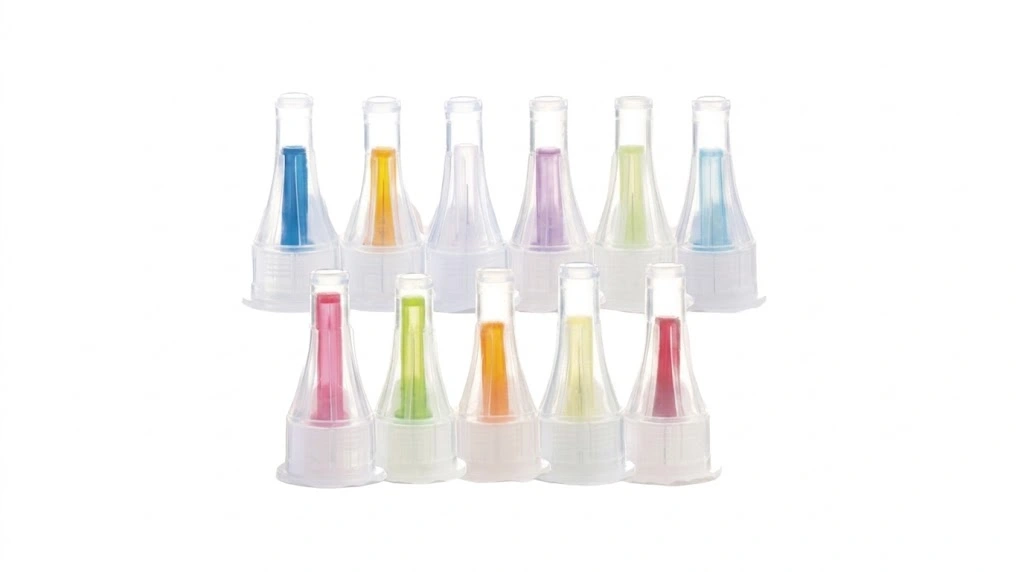
This new technology is built into all of AVACARE's 0.3 ML, 0.5 ML, and 1 ML Disposable Insulin Pen Needles. Our EO gas-sterilized needles have improved internal geometries that cut the time it takes to give a shot by up to 30% compared to traditional designs. This directly makes the patient more comfortable while insulin is being given.
Comparing Market Options: How to Choose the Best Disposable Insulin Pen Needle for Your Clients?
When purchasing insulin delivery devices, it's helpful for procurement managers to know what the different manufacturers' strengths are. This lets them make smart sourcing choices that are in line with the institution's goals.
Market Leader Technology Overview
BD has a huge part of the market thanks to its PentaPoint technology, which uses a five-bevel tip design that the company says makes entry more gentle. Clinical feedback shows that it works well for a wide range of patients, but the price usually reflects its high-end positioning. Novo Nordisk's NovoFine needles are designed with an ultra-thin wall, which makes them appealing to schools that want to get injections done quickly. Owen Mumford stands out by making patient-centered package designs that are easier for older users to handle, while Terumo focuses on low-cost options that can be bought in large quantities.
Different companies use slightly different technical methods to reduce pain, but they all follow the same basic rules: finer gages, better tip shape, and strict quality control. Procurement professionals should look for suppliers with ISO 13485 certification, batch traceability systems, and detailed technical documentation that helps train clinical staff.
Strategic Procurement Considerations
Buying in bulk has a big effect on the total cost of ownership, which goes beyond the price per unit. Different suppliers have very different minimum order quantities. Some need orders of more than 50,000 units, while others can meet the needs of smaller institutions. With a minimum order size of 20,000 pieces, AVACARE makes its products easy for regional clinics and mid-sized hospitals to get without having to carry too much inventory. Our OEM and ODM services let you customize the packaging and add your own brand. This is especially helpful for healthcare groups that want to keep their brand consistent across multiple locations.
Payment flexibility is just as important. We accept both T/T and L/C terms, so we can work with a wide range of school purchasing rules. Our 30- to 45-day lead times make it easy to plan the supply chain, which is important to avoid stock-outs that stop patient care.
Quality Verification and Compliance
When purchasing officers look at disposable needle suppliers, they need to make sure that all compliance paperwork is checked carefully. Certifications like CE and ISO 13485 show that a product meets basic standards for quality control around the world. More thorough due diligence looks at the settings in which products are made. For example, 100,000-grade clean rooms keep out the particles that can cause injection site reactions. Material certifications should confirm that the construction is free of latex and pyrogens, which is very important for people who have allergies or very sensitive immune systems.
AVACARE keeps detailed batch tracking systems that allow full recording of the product history from the time the raw materials are sourced to the time they are sterilized. Our seven national patents show that we are continuing to spend on research and development to make needle technology better in order to meet new clinical needs. This puts our procurement partners at the top of diabetes care innovations.

Practical Guidelines for Users: Safe Usage and Disposal of Disposable Insulin Pen Needles
Healthcare facilities are responsible for making sure that needles are used and thrown away properly, both to keep patients safe and to stay in line with ever-stricter medical waste management rules.
Evidence-Based Injection Techniques
The best way to give a shot is to use the right needle and follow the right steps for delivery. To avoid lipohypertrophy—localized fat deposits that make insulin less effective and injection pain worse—new guidelines say that injection sites should be rotated regularly. The abdomen, thighs, buttocks, and upper arms are all good places to give injections. Injections in the abdomen usually have the highest absorption rates and the lowest pain scores.
How you pinch depends on how long the Disposable Insulin Pen Needle is. Most people who use 4mm needles inject at 90-degree angles without pinching. This keeps tissue from being compressed too much, which can send insulin to muscle instead. Longer needles may need to be held at 45-degree angles and skin pinched, especially on thin patients. These differences in method should be emphasized in clinical staff training to make sure that direct healthcare workers can teach patients well.
Needle Replacement Frequency Standards
Every reputable diabetes group in the world suggests strict protocols for single use. The European Association for the Study of Diabetes, the International Diabetes Federation, and the American Diabetes Association all put out the same advice: one needle, one injection. This agreement comes from a lot of proof that reuse brings about too many bad effects, like infections, lipodystrophy, and more pain.
This standard must be made clear to both patients and staff in the institution's policies. The planning of the supply chain should make sure that there are enough needles on hand to support single-use compliance without putting pressure on limits. To figure out how much to buy, you need to multiply the average number of injections given each day by the number of patients, then add 15-20% extra for unexpected situations or changes in usage.
Regulatory-Compliant Disposal Solutions
Used insulin pen needles are biohazardous sharps trash that needs to be thrown away in a certain way. Federal and state laws require sharps containers that can't be punctured and meet FDA and OSHA standards. Placement of containers should make them easy to get to while also keeping people from getting in without permission, especially in pediatric and mental health settings.
More and more pressure is being put on healthcare centers to use environmentally friendly ways to get rid of waste. Sharps' mail-back programs, on-site sterilization systems, and waste-to-energy agreements are new ways to meet legal requirements and environmental goals at the same time. When evaluating disposal contractors, procurement teams should make sure that the companies have the right licenses, insurance, and clear waste tracking systems that keep institutions from being sued.
Benefits and Future Outlook: Why Disposable Insulin Pen Needles Are the Preferred Choice
The move toward using disposable needles for all purposes is due to a combination of clinical, practical, and economic benefits that match healthcare providers' goals with patient welfare.
Clinical Advantages Driving Adoption
The main benefit is still avoiding infections, which is especially important now that antibiotic-resistant organisms are becoming more common around the world. Single-use needles stop the spread of germs, which protects immunocompromised patients from problems that could have been avoided. Consistently sharp needles cause less damage to tissue, which speeds up healing and prevents the formation of scar tissue that hurts the long-term viability of the injection site.
If a shot hurts less, patients are more likely to stick with their treatment plan. Studies that followed people who were just diagnosed with diabetes and their treatment compliance show that how painful the first injections are strongly predicts how people will take care of themselves in the future. At one-year follow-up, patients who said they were having minor discomfort were 28% more likely to keep taking their medications than those who said they were having major injection pain.
Operational and Economic Considerations
Disposable needle systems make keeping track of goods easier because they don't need to be tracked as closely as reusable devices do. The time that healthcare facilities spend on cleaning, inspecting, and maintaining needles is cut down so that staff can spend more time caring for patients. Standardized disposal protocols make it easier to follow the rules, which lowers the costs of administration and the risk of liability.
When secret costs for reused systems are taken into account, total cost analysis increasingly favors disposable choices. The costs of sterilization equipment, maintenance contracts, quality control testing, and training staff add up quickly. Disposable needles have stable prices per unit, which makes budgeting easier and more accurate. This is especially helpful for schools with small profit margins.
Technological Innovation Trajectory
Needle engineering keeps getting better thanks to breakthroughs in materials science and better production accuracy. Experiments with needle coatings that contain antimicrobial compounds show promise for lowering the risk of infection even more. Micro-molding methods make it possible to make even smaller gages without weakening the structure. This could mean that 36G needles are ready for the next development cycle.
Another new development is smart needle technology that uses RFID chips to keep track of injections. The times, sites, and amounts of injections are recorded automatically by these devices, which send the information to electronic health records. At the moment, smart needles are too expensive for most people to use. But, thanks to economies of scale, they might be affordable for institutions to buy within five years, which would change how diabetes is managed and how compliance is checked.
Conclusion
Disposable Insulin Pen Needles clearly lessen the pain of injections thanks to careful design that puts patient comfort above all else. Ultra-fine gages, optimized tip geometry, and Thin Wall technology all work together to protect tissue while still delivering insulin reliably. Strict single-use procedures stop the tiny tip degradation that tears tissue and causes infections. This gets rid of the main causes of problems related to injections.
When healthcare procurement professionals are choosing a supplier, they should give more weight to manufacturers that offer full certifications, batch tracking, and flexible ordering terms that meet the needs of institutions. When you look at clinical evidence, patient preference data, and operational efficiency metrics together, they all point to disposable needles as the best way to treat diabetes in all healthcare settings.
FAQ
Why is a 4mm disposable insulin pen needle recommended over longer versions?
Clinical study shows that 4mm needles can safely reach the layer of subcutaneous tissue in people of all body types, from thin to fat. Longer needles make intramuscular shots more likely to hurt, which makes controlling blood sugar more difficult because insulin absorption rates are hard to predict. The shorter length lowers the depth of tissue penetration while keeping therapeutic effectiveness. This strikes the best balance between safety and comfort.
Can a disposable insulin pen needle be used more than once?
Without a doubt, not. Electron microscopy shows that even one use changes the shape of the tip on a microscopic level, making hooks and burrs that tear tissue instead of piercing it cleanly. This makes the chance of pain and illness much higher. Insulin crystals in the cannula block it, which means more force is needed to deliver. To keep patients safe and ensure they are comfortable with their injections, clinical guidelines require strict single-use protocols.
Are these needles compatible with all insulin pens?
Most disposable pen needles made to ISO 11608-2 standards have universal threading that works with most insulin pen brands, such as Novo Nordisk, Eli Lilly, and Sanofi. AVACARE needles are designed with international standard threading to make them work with a lot of different devices. Procurement teams should check the compatibility paperwork for each pen in their inventory, but most reputable makers make pens that fit all shapes and sizes.
What is the benefit of Thin Wall technology?
Thin-wall engineering makes the inside of the needle bigger without making the outside bigger. This lets insulin flow faster through very small needles. This shortens the time it takes to give a shot, which makes the patient less uncomfortable because the needle stays in place for longer. Finer needles sometimes delivered medications too slowly, but this technology solves a long-standing problem. It allows for the best combination of minimal tissue damage and effective medication delivery.
How should a disposable insulin pen needle be disposed of?
Used needles must be thrown away right away in sharps containers that can't be punctured and meet FDA and OSHA standards. Place these bins near places where people can inject drugs in a way that makes them easy to reach without letting anyone else in. When containers are full, healthcare facilities must hire licensed medical waste disposal services that follow state and federal biohazard rules. Alternatives that are legal include mail-back programs and on-site treatment systems, but they depend on the institution and the rules in the area.
Partner with AVACARE for Superior Disposable Insulin Pen Needle Solutions
Our wide range of certified Disposable Insulin Pen Needles from AVACARE is ready to help your institution's dedication to patient-centered diabetes care. We are an ISO 13485 and CE-approved manufacturer, and our advanced Thin Wall technology and universal pen compatibility make sure that all 0.3 ML, 0.5 ML, and 1 ML configurations work reliably. Our EO gas-sterilized goods are safe because they don't contain any pyrogens or latex, and their color-coded design makes hospital processes easier.
Our OEM and ODM services can meet your private labeling needs, whether you work for a large hospital network, surgery center, or medical device distribution company. We have flexible T/T or L/C payment terms and a minimum order size of 20,000 pieces. Working with an insulin pen needle supplier that guarantees 24-hour response times, thorough technical training, and strong supply chain assurance can save you money. Email our team at admin@aileindus.com to get product samples and talk about how AVACARE can help you better care for people with diabetes.
References
1. Frid, A.H., Kreugel, G., Grassi, G., Halimi, S., Hicks, D., Hirsch, L.J., Smith, M.J., Wellhoener, R., Bode, B.W., Hirsch, I.B., and Kalra, S. (2016). "New Insulin Delivery Recommendations" Mayo Clinic Proceedings, 91(9), 1231-1255.
2. Hirsch, L.J., Gibney, M.A., Albanese, J., Qu, S., Kassler-Taub, K., Klaff, L.J. and Bailey, T.S. (2012). "Comparative Glycemic Control, Safety, and Patient Ratings for a New 4mm × 32G Insulin Pen Needle in Adults with Diabetes" Current Medical Research and Opinion, 28(8), 1305-1313.
3. Schwartz, S., Hassman, D., Shelmet, J., Sievers, R., Weinstein, R.L., Foulds, P., Machin, I., and Dunnigan, D.W. (2004). "A Multicenter, Open-Label, Randomized, Two-Period Crossover Trial Comparing Glycemic Control, Satisfaction, and Preference Achieved with a 31 Gauge × 6 mm Needle versus a 29 Gauge × 12.7mm Needle in Obese Patients with Diabetes Mellitus" Clinical Therapeutics, 26(10), 1663-1678.
4. Kreugel, G., Beijer, H.J.M., Kerstens, M.N., ter Maaten, J.C., Sluiter, W.J., and Boot, B.S. (2011). "Influence of Needle Size for Subcutaneous Insulin Administration on Metabolic Control and Patient Acceptance" European Diabetes Nursing, 8(2), 51-55.
5. Jovanovic, L., Giammattei, J., Acquistapace, R., Hartley, P., Dunn, F.L., and Klaff, L.J. (1999). "Efficacy Comparison Between a Novel Pen Needle and a Standard-of-Care Needle in Subjects with Type 1 and Type 2 Diabetes Mellitus." Journal of Diabetes Science and Technology, 4(5), 1084-1091.
6. Aronson, R., Gibney, M.A., Oza, K., Bérubé, J., Kassler-Taub, K., and Hirsch, L. (2013). "Insulin Pen Needles: Effects of Extra-Thin Wall Needle Technology on Preference, Confidence, and Other Patient Ratings." Clinical Therapeutics, 35(7), 923-933.

_1782811410038.webp)