How Does a Blood Transfusion Set Work?
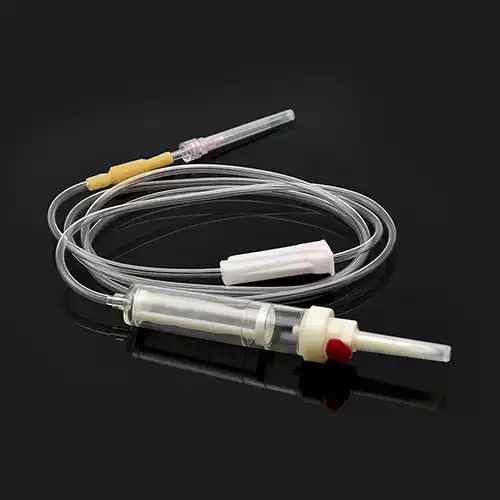
A blood transfusion set operates through a carefully designed system that delivers blood products from storage bags directly into a patient's bloodstream under controlled conditions. The Blood Transfusion Set 10 drops/ml utilizes a macro-drip calibration where precisely 10 drops equal 1.0ml, enabling healthcare professionals to calculate infusion rates accurately when managing high-viscosity whole blood or packed red cells. The device comprises a piercing spike that connects to the blood bag, a drip chamber for flow visualization, tubing made from medical-grade materials, an integrated filter to trap clots and debris, a roller clamp for rate adjustment, and a needle for vascular access—all working together to ensure sterile, safe delivery while preventing hemolysis and air embolism risks.
Understanding Blood Transfusion Set Components
Each transfusion set has important parts that work together to make blood delivery easier. The piercing spike securely connects to blood bags without making any particles that could get into the blood. The drip chamber is below this, and its clear form lets doctors see the flow rates and is very helpful in emergencies where quick assessment is needed.
Drip Chamber and Flow Calibration
What the drip chamber does is measure the flow of blood during transfusion therapy. With macro-drip sets set to 10 drops per milliliter, nurses can quickly figure out that 150 drops per minute equals 15 milliliters per minute, or 900 milliliters per hour. This bigger drop size than normal IV sets helps with the problems that blood products have with clotting. The medical-grade polypropylene used to make the chamber keeps it clear during the process, so tracking can go on without stopping.
Integrated Filtration System
When blood products are kept for days, micro-aggregates and fibrin strands form that can cause embolisms. As a key defense against these threats, the 200-micron filter inside the tubes works perfectly. This standard strikes a mix between keeping flow rates steady and getting rid of particles effectively. Smaller mesh sizes would trap debris more firmly, but they could get clogged under the pressure needed for trauma resuscitation. The biocompatible mesh of the filter can survive the normal pressures of a blood transfer without breaking down, so it keeps protecting from the first drop to the last.
Medical-Grade Tubing Design
The choice of tubing material has a direct effect on the safety of the patient during transfusions. Medical-grade PP and PE that meet strict biocompatibility standards are used to make sets by AVACARE. These substances don't mix chemically with blood components, so they stop hemolysis, which would let free hemoglobin into the bloodstream. The clear quality makes it possible to see bubbles. Air embolisms are one of the most feared complications, and being able to see that the flow is bubble-free is very important for high-stakes procedures.

Step-by-Step Operation of Transfusion Sets
The right way to set up starts with clean methods. When it's time to use the set, healthcare workers take it out of its EO-sterilized packaging and check the expiration date and the integrity of the package. With a hard twisting action, the spike goes through the blood bag port and creates a closed system that keeps germs from getting in.
Priming the Line
Getting rid of the air is an important step in getting ready. The roller clamp is first closed, and the drip chamber is squeezed until it's halfway full of blood. This level lets you count the drops, and it also gives you room for any air bubbles that might come in. By slowly opening the roller clamp, blood can move air along the length of the tube. By turning the injection ports upside down and tapping the tube, you can get stubborn bubbles to rise to the drip chamber and leave through an air vent.
Flow Rate Calculation and Adjustment
When compared to Blood Transfusion Set 10 drops/ml micro-drip options, the macro-drip correction makes rate calculations easier. If a doctor orders 250ml of packed red cells over two hours, nurses figure it out: 250ml split by 120 minutes equals about 2ml per minute, which is the same as 20 drops per minute with a 10-drop set. The roller clamp gives you fine control—partially blocking the flexible tubing changes the flow from wide open for quick resuscitation to measured drops for stable patients who need maintenance transfusions.
Patient Connection and Monitoring
Vascular access is usually done with 18-gauge or larger IV catheters for adults who are receiving whole blood. All of the link points between the needle socket and the catheter hub have been checked to make sure they are tight. During the transfusion, vital signs are checked every 30 minutes at first, then every 15 minutes. The clear tubing and drip chamber make it possible to see all the time that the blood is flowing smoothly and that no clots are forming or air is getting in.
Safety Mechanisms Built Into Modern Sets
Modern transfusion sets have many safety measures built in because of improvements in manufacturing. AVACA's combined molding technology makes links between parts that don't show any gaps. This gets rid of the weak spots where regular sets might leak when pressure is put on them. The connection points can withstand tensile forces of up to 15N, which is strong enough to keep them from coming apart by accident while moving a patient or transporting them in an emergency.
Sterility Assurance Through EO Sterilization
The Sterility Assurance Level of 10°C is reached with ethylene oxide gas sterilization, which is needed for devices that come into contact with blood. In theory, less than one unit in a million could still hold living bacteria after being sterilized. AVACARE keeps the amount of residual EO well below 10ppm, which is much lower than the safety limits set by international standards. Before being packaged individually, each set goes through validation testing to make sure it is sterile, and group paperwork can be tracked all the way through the supply chain.
Preventing Hemolysis Through Design
When red blood cells are destroyed during a transfer, hemoglobin is released, which can hurt the kidneys. Cell membranes that are already weak are damaged by turbulent flow through sharp bends or small openings. These risks are kept to a minimum in transfusion sets by using the right tube sizes and making the insides smooth. The curved tip on the stainless steel needle easily goes through the vessel walls, and the slow taper keeps shear forces from acting at the injection site.

Comparing Different Drip Factor Specifications
Different calibrations of blood donation sets are available to meet the needs of different medical situations. Knowing these differences helps procurement specialists choose the right products for the case mix of their facilities.
Macro-Drip Versus Micro-Drip Applications
When a lot of medicine needs to be given quickly, macro-drip sets that give out 10 or 15 drops per milliliter work best. Trauma bays that treat people with hemorrhagic shock depend on these specs to quickly increase the blood flow—delays measured in minutes can mean the difference between life and death. The bigger orifice can handle the viscosity of the blood without too much resistance, which would slow delivery or need an extra pressure bag.
Blood Transfusion Set 10 drops/ml macro-drip sets, on the other hand, are calibrated at 60 drops per milliliter are better for kids and people who need precise, slow infusions. A premature baby that gets 50ml of packed cells over four hours benefits from the better control that micro-drip gives. However, the small opening could get clogged up with the fibrin strands that are in stored blood. For this reason, macro-drip is usually the best choice for whole blood and component therapy in adult settings.
Material Considerations Across Manufacturers
As more study shows that phthalate plasticizers may mess with hormones, DEHP-free versions have become more important. The PP and PE materials used by AVACARE naturally don't contain DEHP, so they don't affect their function. Some manufacturers still use PVC with different plasticizers, but these alternatives need to be tested to make sure they don't change blood chemistry when they come into contact with it for a long time.
Purchasing managers who work with fertility centers or pediatric hospitals should give DEHP-free certifications the most weight. Every product that is shipped should come with proof that it has been tested for safety according to ISO 10993 biocompatibility standards. This set of tests checks for cytotoxicity, sensitization potential, and hemolysis risk using standard methods that are known all over the world.
Quality Control Standards for Procurement Decisions
Healthcare distributors that work with blood banks and transfusion services have to follow strict rules. When choosing a product, it's important to find a mix between clinical performance and compliance paperwork that meets the needs of local medical device authorities.
Certification Requirements
When a company gets ISO 13485 certification, it means that their quality management system meets the standards for medical devices. For this approval, there must be written processes for controlling the design, managing the suppliers, keeping an eye on production, and keeping an eye on things after they've been sold. The CE mark means that the product meets the standards set by the European Medical Device Regulation. These standards include clinical testing and review of technical documentation by Notified Bodies.
AVACARE has both ISO 13485 and CE certifications, as well as seven national patents that show it has been continuously improving since 2014. This gives healthcare buyers the regulatory foundation they need. In markets from the Middle East to Latin America, these badges make it easier to register products because officials there often accept them as proof that the products are safe and work.
Batch Testing and Documentation
Before it's released, every production lot goes through a lot of tests. For 15 seconds, 50kPa of internal pressure is applied during leakage testing. Any set that shows drops or moisture fails this important safety check. Validation of filter effectiveness shows that the 200-micron size can catch particles without limiting flow too much. Testing the connection points' tensile strength makes sure that the 15N requirement is always met across all production runs.
For sterility confirmation, sample units are put in growing media and left to grow so that any living germs that made it through sterilization can be found. Bacterial endotoxin testing with the Limulus Amebocyte Lysate assay shows that levels are still below 0.5 EU/ml, which is the level above which pyrogenic reactions could happen. Every shipment should come with a Certificate of Analysis that lists the test results. This will give healthcare centers the tracking they need for their quality systems.
Sourcing Blood Transfusion Sets for Medical Institutions
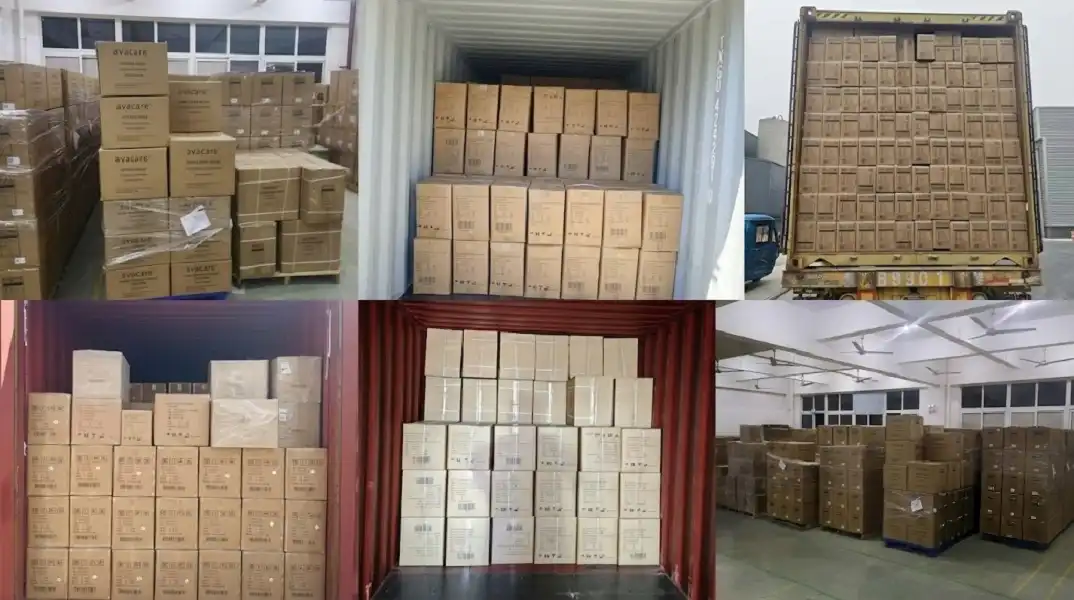
Because of their specific performance needs and lower usage volumes, transfusion consumables are bought in a different way than standard IV supplies. Blood banks and hospital transfusion services use fewer units than general IV therapy departments, but if the product fails, it could be much more dangerous.
Supplier Evaluation Criteria
To find trusted blood transfusion set providers, you need to look at more than just the unit price. Standards for manufacturing facilities are important. Class 100,000 cleanrooms keep the low particle counts needed to make sterile medical devices. The cleanrooms in AVACARE's 12,000-square-meter building show that they have the right equipment to keep quality high.
Smaller businesses that don't have a lot of store space may have trouble meeting minimum order numbers. A MOQ of 5,000 pieces gives regional wholesalers who serve multiple hospitals some freedom, since it's lower than the 50,000-unit minimums that some makers require. Lead times of 30 to 45 days are in line with how hospitals usually buy things, so they can restock without having to pay for emergency air freight.
OEM and Private Label Opportunities
OEM relationships that allow unique packaging and labeling help medical device sellers build regional names. Distributors can set their Blood Transfusion Set 10 drops/ml goods apart from others by using private label products, which also help them keep costs down better than working with big international names. AVACARE will work with wholesalers in the Middle East, Africa, and Southeast Asia who want to build their business in the transfusion supplies area by accepting OEM/ODM requests.
Custom packing could include directions in more than one language to cater to the different languages spoken in places like Sub-Saharan Africa or the Gulf Cooperation Council countries. Color-coded packaging systems make it easy for busy emergency rooms to tell the difference between blood sets and crystalloid IV sets. When negotiating with suppliers, distributors should talk about these customization options early on to find out how much the tools will cost and when they can be put into use.
Innovations Shaping Transfusion Set Technology
Through advances in material science and design, the medical gadget business keeps making blood transfusions safer. Smart technology merging is still in its early stages, but it looks like it will make tracking better.
Digital Flow Monitoring Systems
New systems put electronic flow sensors in the drip chamber so that nursing stations can get data in real time. When the flow stops, these sensors let staff know right away, so they can fix kinked tubes or stop clotting before the transfusion fails. Integration with electronic health records records infusion rates automatically, which reduces the need for manual recording and raises the level of accuracy.
Cost concerns currently stop settings with limited resources from adopting, so counting drips by hand is still the norm. But as the production of sensors grows and costs go down, digital tracking might be able to be used regularly outside of urgent care units. Procurement professionals should keep an eye on how this technology changes so they can figure out when their institutions should adopt it.
Sustainable Manufacturing Practices
Environmental awareness is becoming more and more important in healthcare purchasing decisions. Biodegradable polymers that keep their useful properties while being used but break down more easily when they are thrown away are an area of ongoing study. Medical plastic recycling programs have trouble with contamination, but some companies now take back unwanted, outdated stock for proper disposal or material recovery.
AVACARE's dedication to eco-friendly methods while still following the rules of clean production shows that the company is responsible in its field. When looking at suppliers, buyers who care about the environment should ask about waste reduction programs, energy-efficient production methods, and efforts to reduce packaging.

Conclusion
Blood transfusion sets are very important medical gadgets whose accuracy in design has a direct effect on how well patients do. The Blood Transfusion Set 10 drops/ml has the macro-drip calibration needed to deliver viscous blood products. It also has important safety features like built-in filtration, medical-grade biocompatible materials, and a leak-proof design. Healthcare procurement specialists have to judge suppliers on a wide range of factors, such as their regulatory certifications, manufacturing quality systems, ability to accommodate different order sizes, and responsive customer service. Knowing how these devices work, how to keep them safe, and what the quality standards are for them helps institutions make smart purchasing decisions that protect patients and stay within their budgets. In the coming years, this type of product will continue to change as smart tracking and eco-friendly materials become more popular.
FAQ
How do I calculate the infusion rate with a 10 drops/ml set?
To get drops per minute, divide the total amount to be injected by the time in minutes, which gives you ml/minute. Over the course of 90 minutes, a 300ml transfusion equals 3.33ml/minute, or about 33 drops per minute.
Can blood transfusion sets be used for IV fluids?
Yes, but this is a bad use of resources because blood sets are more expensive than regular IV sets. If you use a 10-drop blood set for crystalloid solutions, you need to change the way you do the math to account for the different drop factor.
What makes the 200-micron filter size optimal?
This requirement strikes a mix between removing clots and keeping the flow going. Smaller screens are better at catching particles, but they might get clogged up under the pressure needed for fast transfusions. On the other hand, bigger mesh might let dangerous aggregates pass through.
How long can one set remain connected during multiple-unit transfusions?
To keep germs from growing and filters from getting too full, clinical guidelines usually say to change sets every 4 hours or after 2 to 4 units. Check the rules of your school because specific steps may be different.
Why is DEHP-free material important for transfusion sets?
DEHP phthalates can leak out of PVC tubes and into blood products, which raises worries about hormone disruption, especially in children and people who are trying to get pregnant. Materials that don't contain DEHP, like PP and PE, get rid of this risk without affecting performance.
Partner with AVACARE for Reliable Blood Transfusion Set Supply
Healthcare distributors and blood bank procurement managers looking for a reliable Blood Transfusion Set 10 drops/ml manufacturer will find that AVACARE has everything they need to build long-term relationships that work. Our factory is ISO 13485 and CE-certified, and all of our products are of consistent quality and come with full paperwork. We also have a minimum order of 5,000 pieces, which is a good size for the high number of specialized transfusion supplies we make. With lead times of 30 to 45 days, which are normal for healthcare procurement processes, we can customize OEM products for distributors building regional names. Email our team at admin@aileindus.com to talk about your specific needs, get technical data sheets, or set up a sample evaluation. Visit ailemedicals.com to see all of our products and learn how our ten years of innovation have helped healthcare facilities all over the world.
References
1. American Association of Blood Banks. Technical Manual, 20th Edition. Standards for Blood Banks and Transfusion Services. Bethesda: AABB Press, 2020.
2. World Health Organization. Blood Transfusion Safety: Safe and Rational Clinical Use of Blood. WHO Global Database on Blood Safety, 2021.
3. European Committee for Standardization. EN ISO 1135-4:2019 Transfusion Equipment for Medical Use - Part 4: Transfusion Sets for Single Use. Brussels: CEN, 2019.
4. British Committee for Standards in Haematology. Guidelines on the Administration of Blood Components. Transfusion Medicine Journal, Volume 30, Issue 1, 2020.
5. International Organization for Standardization. ISO 8536-4:2019 Infusion Equipment for Medical Use - Part 4: Infusion Sets for Single Use, Gravity Feed. Geneva: ISO, 2019.
6. College of American Pathologists. Standards for Blood Banks and Transfusion Services, 32nd Edition. Northfield: CAP Press, 2021.

_1782811410038.webp)