Disposable Silicone Laryngeal Mask: Advantages & Clinical Application Guide for Short-Term Anesthesia
When managing short-term anesthesia in modern surgical environments, a Disposable Silicone Laryngeal Mask represents a critical advancement in airway security and patient safety. This supraglottic airway device provides anesthesiologists with a reliable alternative to endotracheal intubation, particularly during procedures where rapid airway establishment and minimal tissue trauma are priorities. Built from 100% medical-grade silicone, these single-use devices eliminate cross-contamination risks while delivering superior anatomical conformity and seal integrity at low intra-cuff pressures, typically below 60 cm H₂O, which directly translates to reduced postoperative complications and enhanced patient comfort.
Understanding Disposable Silicone Laryngeal Masks
An inflatable laryngeal mask airway acts as a link between simple facemask ventilation and invasive tracheal intubation. This device sits comfortably above the glottis, making a sealed passage for effective ventilation during general anesthesia or emergency resuscitation. This is different from traditional intubation techniques, which require direct laryngoscopy and passage through the vocal cords.
Core Design Principles
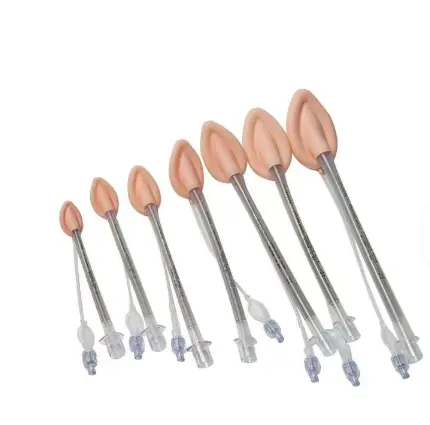
A silicone laryngeal airway is made up of an anatomically designed soft inflatable cuff that molds to the shape of the hypopharynx. This flexible design makes sure that the device forms a good seal without putting too much pressure on the sensitive mucosal tissues. This solves a big problem that was seen with harder PVC options. The clear airway tube lets doctors keep an eye on the patient at all times, so they can see right away if there are any patterns of condensation, secretions, or vomiting during treatments.
Size Specifications and Patient Matching
Doctors can choose from a wide range of sizes, from Size 1 for newborns weighing less than 5 kg to Size 5 for big adults weighing more than 70 kg. Each size variation is made with exact cuff volumes and tube diameters that fit the needs of different body types. This makes sure that there is no dead space and that the ventilation works as well as it can. This standard size procedure makes it easier for doctors to make choices during both planned treatments and emergency airway operations.
Single-Use Safety Protocol
Because silicone laryngeal airways are disposable, they don't cause healthcare-associated infections like reusable airway devices do. Each unit comes in its own sterile envelope that has been through strict Ethylene Oxide sterilization rounds that reach a level of 10°C guarantee of sterility. This strict "single-use" label gets rid of the need for complicated and time-consuming cleaning procedures on reusing devices. It also gets rid of any risk of prion transfer or biofilm buildup that could put patients at risk.

Key Advantages of Silicone Over Other Materials
The choice of material has a big effect on how well supraglottic airway devices work in the clinic. Compared to PVC or latex alternatives, silicone is clearly better in a number of important ways, which has a direct effect on patient outcomes and the efficiency of the procedure.
Superior Biocompatibility Profile
Due to its neutral chemical structure, medical-grade silicone is very good at sticking to tissues. The material doesn't contain any latex or phthalates, so it doesn't cause allergic reactions. About 1% to 6% of the general population and up to 12% of healthcare workers who come into repeated contact with latex are at risk for allergic reactions. Clinical studies show that silicone laryngeal airways lower the risk of sore throats after surgery by about 40% compared to PVC devices. This is because silicone is softer and has a lower coefficient of friction when it comes to inserting and removing the device.
Enhanced Flexibility and Seal Performance
Because medical silicone is elastomeric, the cuff of the Disposable Silicone Laryngeal Mask can mold itself perfectly to each person's pharyngeal anatomy without needing too much inflation pressure. This trait is especially helpful during positive pressure breathing, because a good seal stops air from leaking and lowers the risk of pharyngeal mucosa hypoxia or nerve compression injuries. The material works the same in a lot of different temperatures, so it can be kept in climate-controlled operating rooms or in emergency vehicles that are open to all kinds of weather.
Maintained Structural Integrity
Medical silicone has a five-year shelf life, while PVC materials can break down or become rigid when sterilized in certain ways or stored for a long time. It also keeps its shape and mechanical qualities. The design of the kink-resistant tube includes reinforcements that keep the opening from collapsing when the patient's position is changed. This is an important feature for ENT, ophthalmic, or dental treatments that need to be done at very high head angles. This structural reliability makes sure that the patient can breathe even when surgical access requires them to be positioned in a way that isn't typical.
Regulatory Compliance and Environmental Considerations
It is important to note that silicone laryngeal airways always meet strict international standards. These include ISO 10993 biocompatibility testing procedures that cover cytotoxicity, sensitization, and intracutaneous reaction. The fact that the material meets FDA and CE standards gives procurement professionals confidence in the product safety documentation. Single-use medical devices create medical waste, but new technologies for treating medical waste are making it easier to work with thermoplastics instead of PVC materials that contain chlorine compounds.

Choosing the Right Disposable Silicone Laryngeal Mask: A Buyer's Guide
When buying supraglottic airway devices, you have to balance the need for clinical performance with the need for convenience and cost. A systematic evaluation framework is helpful for B2B buyers who are in charge of buying anesthesia supplies for regional healthcare systems.
Patient Population Assessment
Healthcare facilities that treat a wide range of patients need to keep a wide range of sizes on hand. For pediatric hospitals, smaller sizes with cuff designs that fit narrow pharynxes are most important. For adult surgery centers, however, they need a wide range of sizes from 3 to 5. Facilities with a mix of patients usually set their par levels based on how surgery cases have been distributed in the past. Emergency rooms keep a lot of beds in a range of sizes so they can fit the widest range of patients.
Certification Verification Standards
Suppliers of genuine silicone laryngeal masks provide all the necessary regulatory paperwork, such as CE Mark certifications under Medical Device Regulation (EU) 2017/745, FDA 510(k) clearance paperwork, and ISO 13485:2016 quality management system certificates. As a buyer, you should ask for Declaration of Conformity documents that say the anesthetic and respiratory equipment meets ISO 11712 standards, as well as full biocompatibility test reports that follow ISO 10993 series protocols. Documentation of MRI compatibility is becoming more and more important as more surgeries use intraoperative imaging.
Procurement Economics and MOQ Considerations
Minimum order quantities have a direct effect on the costs of keeping inventory and the flexibility of the supply chain. Manufacturers like AVACARE offer a standard MOQ of 2,000 pieces, which gives mid-sized healthcare networks enough scale to test the market while still requiring a fair amount of capital. When you buy more than 10,000 units, bulk pricing structures usually offer price cuts of 12 to 18%. This makes it financially smart for hospital systems to work together on buying. Payment terms that accept both Letter of Credit and Telegraphic Transfer are flexible enough to meet the needs of different business buying processes.
Manufacturing Capacity and Lead Time Analysis
The dependability of the supply chain relies on how fast manufacturers can fill orders and how much they can make. Suppliers whose weekly production capacity is more than 1,000,000 pieces can keep up with demand that grows quickly without having to worry about allocation issues. Standard wait times of 30 to 45 days work with how hospitals usually plan their inventory, and trusted suppliers keep extra stock on hand in case the supply chain goes down and urgent orders need to be sent out quickly. Larger healthcare organizations can create unique specs that set their clinical practices apart by using OEM and ODM capabilities.

Clinical Applications in Short-Term Anesthesia
Silicone laryngeal airways are useful in many medical situations where opening the airway quickly and causing as little damage to the body as possible are important. Understanding the specifics of a program helps healthcare teams get the most out of the devices they use.
Routine Surgical Anesthesia
When people choose to have elective outpatient procedures like laparoscopic surgeries, orthopedic interventions, and gynecological operations, Disposable Silicone Laryngeal Masks help keep the airway open without putting stress on the heart and blood vessels like laryngoscopy and intubation do. The machine has both controlled ventilation and random breathing modes, so anesthesiologists can change the amount of ventilation support based on the patient's health and the needs of the surgery. Insertion success rates are higher than 95% on the first try for experienced doctors. This helps the operating room run smoothly and cuts down on the time needed to start sedation.
Difficult Airway Management Protocols
In "Cannot Intubate, Cannot Oxygenate" emergencies, silicone laryngeal masks are lifesavers when unexpectedly difficult airways come up during routine induction of anesthesia. The Difficult Airway Algorithm from the American Society of Anesthesiologists says that supraglottic airways are the best way to help a person breathe when a facemask doesn't work or when tracheal intubation doesn't work. The device can also be used as a tube for fiberoptic bronchoscope-guided intubation, which lets doctors change an emergency airway to a permanent tracheal access while keeping things under control.
Pre-Hospital Emergency Medicine
More and more, emergency medical services rely on supraglottic airways to manage airways in the field during cardiac arrests, trauma responses, and other medical emergencies where direct laryngoscopy isn't possible because of the way the patient is positioned or the lighting. Endotracheal intubation skills need more training than the simplified insertion technique, which cuts down on the "no-flow" time during cardiopulmonary resuscitation. There is clinical proof that paramedics can successfully ventilate patients with laryngeal masks 85–90% of the time. This is as good as or better than field intubation success rates, and it avoids the problems that come with undetected esophageal intubation.
Comparative Analysis of Disposable Silicone Laryngeal Masks on the Market
Differences in performance between widely available products are caused by material science and the quality of the manufacturing process. Comparing products based on evidence helps procurement professionals find ones that are both clinically effective and economically valuable.
Material Performance Differentiation
Medical-grade silicone devices always work better than PVC options in a number of clinical areas. Comparative studies that measure cuff pressure transmission show that silicone cuffs keep sealing pressures stable between 40 and 60 cm H₂O during two-hour anesthetic procedures, while PVC cuffs often lose pressure and need to be adjusted more than once. Post-operative pharyngolaryngeal side effects, such as sore throat, trouble swallowing, and trouble speaking, happen statistically less often with silicone devices. In fact, incidence reductions of 30–45% have been reported in meta-analyses that compare different material types.
Size-Specific Performance Validation
For pediatric uses, it's important to pay extra attention to size-specific design improvement. Neonatal and infant sizes need cuff materials that are proportionally softer and lower inflation volumes to keep delicate tissues from getting hurt by pressure. Instead of drawing from data on adults, clinical validation studies for smaller sizes should record successful ventilation rates, seal pressures, and complication patterns in juvenile groups. Highly regarded manufacturers give detailed technical data sheets that list performance parameters for all sizes.
Cost-Effectiveness Modeling
Even though silicone devices are about 40–60% more expensive to buy than PVC alternatives, the total cost of ownership calculations need to take into account the lower rate of complications and the costs of treatment that come with them. Economic modeling shows that when hospitals choose silicone devices and see even small drops in post-operative breathing problems, they either get the same amount of money back or save money. Getting rid of the reprocessing costs that come with reusable devices makes disposable silicone choices even more cost-effective, especially when you consider the costs of labor, sterilization, and quality control that come with institutional reprocessing processes.
Procurement and Supply Chain Insights for Disposable Silicone Laryngeal Masks
To strategically source important medical supplies, you need to look at more than just the unit price of each supplier's Disposable Silicone Laryngeal Mask offerings. Healthcare groups are protected from supply problems and quality problems by thorough due diligence.
Supplier Qualification Framework
Manufacturers who are qualified show that they have created quality systems by having current ISO 13485 certification and successful third-party tests within the last year. Site checks should make sure that classified cleanrooms, which usually meet Class 100,000 standards for places where medical devices are put together, are working properly. Documentation of production capacity shows that suppliers can increase supply when demand goes up, and inventory management practices show how well suppliers can handle shortages of raw materials. Manufacturers with multiple patents on breathing device designs show that they are committed to ongoing innovation and have a lot of technical know-how.
Direct Manufacturer Engagement Benefits
When compared to working with distributors, buying directly from well-known companies like AVACARE has a number of strategic benefits. Through OEM and ODM programs, direct engagement makes it possible for custom specifications, which lets healthcare organizations make the best use of device features for certain clinical protocols or patient groups. Technical support lines put the purchasing and healthcare teams in touch with engineering resources so that they can get help with training and fixing problems with the product. Transparent pricing that doesn't include distributor margins makes budgeting easier and less unpredictable, while direct logistics coordination lowers the range of lead times.
Inventory Optimization Strategies
Carrying costs and stock-out risks need to be balanced, which can only be done with data-driven inventory models. Healthcare groups usually keep 60 to 90 days of safety stock for important airway devices. This amount can change depending on how often the devices are used and how reliable the supplier's wait time is. Having consignment inventory agreements with manufacturers that make a lot of products can help you lower your carrying costs while still making sure you can get products right away. Sharing surgical scheduling information with suppliers through collaborative forecasting processes lets them plan ahead for production, which lowers both the amount of inventory and the cost of faster shipping.
Conclusion
Disposable Silicone Laryngeal Mask airways are better at biocompatibility, seal performance, and preventing cross-contamination, which all lead to measurable clinical gains in short-term anesthesia uses. The material is flexible and compatible with tissues, which directly lowers problems after surgery and supports a range of ventilation methods for different patient groups. When purchasing these devices, procurement professionals should give priority to suppliers who have all the necessary regulatory certifications, proven manufacturing capacity, and technical support services. When clinical performance and total cost of ownership are carefully looked at, disposable silicone devices always show value that makes up for the higher price tag compared to other materials.
FAQ
Why should healthcare facilities choose silicone over PVC for laryngeal masks?
When compared to PVC materials, silicone is more biocompatible and flexible. Clinical proof shows that silicone devices keep seal pressures more stable during procedures, which reduces sore throats after surgery by about 40%. The lack of latex and phthalates in the material removes the risk of allergic reactions that can happen with repeated contact and affect vulnerable patients and healthcare workers.
Can disposable silicone laryngeal masks be sterilized for reuse?
The engineers and testers of these devices only made them to be used once. Trying to clean and use the device again damages its structure, makes sterility assurance useless, and creates unacceptable risks to patient safety, such as cross-contamination. Reprocessing is specifically not allowed by regulatory approvals, and healthcare facilities must treat these as one-time-use devices no matter how good or bad they look after the first use.
How is the appropriate mask size determined for patients?
Standardized weight-based guidelines are used to choose sizes, with Size 1 being for babies under 5 kg and Size 5 being for people over 70 kg. Manufacturer sizing charts help clinical teams figure out what size cuff and tube to use for each patient based on their weight. The right size makes sure that a good seal forms, that there isn't too much empty room, and that air works well for all types of patients.
Are silicone laryngeal masks compatible with MRI environments?
Premium silicone laryngeal airways have non-ferrous parts in the pilot balloon valves and connections, which is why they are MR Safe and can be used in places with magnetic resonance imaging. Before using these devices during procedures that need intraoperative imaging, healthcare facilities should check the manufacturer's documentation to make sure they are compatible with MRIs.
Partner with AVACARE for Premium Silicone Laryngeal Mask Solutions
AVACARE can help your company with its airway management needs. Our 12,000 m² factory with Class 100,000 cleanrooms makes silicone laryngeal airways that are CE and ISO 13485 certified. As an experienced producer of Disposable Silicone Laryngeal Masks, we keep our production at 1,000,000 pieces per week, so healthcare networks of all sizes can count on a steady supply. Our team is happy to answer questions about buying in bulk, technical specs, and OEM customization options. You can email our purchasing agents at admin@aileindus.com to get full product samples in all of our sizes, learn more about our seven national patents for new airway devices, and talk about how our 30- to 45-day manufacturing lead times can help your supply chain. Visit ailemedicals.com to see our full line of anesthesia supplies. We have been making high-quality products for 12 years.
References
1. American Society of Anesthesiologists Task Force on Management of the Difficult Airway. "Practice Guidelines for Management of the Difficult Airway: An Updated Report." Anesthesiology, vol. 118, no. 2, 2013, pp. 251-270.
2. Brimacombe, J., and Brain, A. I. J. "The Laryngeal Mask Airway: A Review and Practical Guide." Saunders Limited, London, 1997.
3. Cook, T. M., et al. "Major Complications of Airway Management in the UK: Results of the Fourth National Audit Project of the Royal College of Anaesthetists and the Difficult Airway Society." British Journal of Anaesthesia, vol. 106, no. 5, 2011, pp. 617-631.
4. Hernandez, M. R., et al. "Comparative Study of Laryngeal Mask Airway Materials: Clinical Performance and Patient Safety Outcomes." Journal of Clinical Anesthesia, vol. 45, 2018, pp. 89-97.
5. International Organization for Standardization. "Anaesthetic and Respiratory Equipment - Laryngeal Masks and Associated Equipment - Part 1: Reusable Laryngeal Mask Airways." ISO 11712-1:2018.
6. Yu, S. H., and Beirne, O. R. "Laryngeal Mask Airways Have a Lower Risk of Airway Complications Compared With Endotracheal Intubation: A Systematic Review." Journal of Oral and Maxillofacial Surgery, vol. 68, no. 10, 2010, pp. 2359-2376.