What Is an Endotracheal Tube With Cuff and How Does It Work?
An Endotracheal Tube With Cuff is an invasive medical device inserted through the mouth or nose into the trachea to maintain open airways and support mechanical ventilation. Its defining feature is an inflatable balloon located near the distal end, which creates a protective seal against the tracheal wall when inflated. This seal prevents micro-aspiration of gastric contents and oropharyngeal secretions, maintains precise tidal volumes during positive pressure ventilation, and protects the lower respiratory tract in critically ill patients. Understanding this device's mechanism is crucial for procurement managers evaluating airway management solutions for their institutions.
Introduction
One of the most crucial healthcare tasks is airway security during ventilation. Emergency departments, surgical rooms, and intensive care units worldwide employ cuffed endotracheal tubes. B2B procurement workers must consider more than price when buying medical products. They must consider the materials' body response, the seller's reliability, and the clinic's product performance.
A guide to buying cuffed airway devices covers technical details, clinical usage, and buying alternatives. No matter how many surgeries or beds your institution has, choosing the correct supplier is crucial for patient safety, operational efficiency, and long-term expenses. We'll discuss how ultrathin polyurethane cuffs reduce ventilator-associated pneumonia, why ISO 13485 certification is crucial for supply chain security, and what procurement teams should ask vendors during audits.
Understanding the Endotracheal Tube With Cuff
Anatomical Components and Design
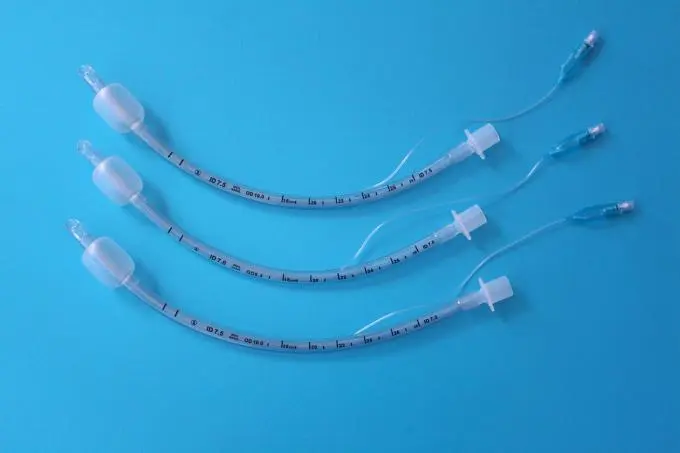
The device is made up of three main parts that work together. The main body has a bendable tube made of medical-grade thermosensitive materials that soften when exposed to body heat and can adjust to different body shapes. The inflatable cuff is attached near the distal tip and forms a seal around the outside when air or saline is pumped in through the inflation line. A pilot balloon stays outside the patient and lets the doctor know by touch how much the cuff is inflated.
Modern designs include safety measures that fix problems from the past. The Murphy eye is a small opening on the side of the tube, close to its beveled tip. It acts as an extra way to breathe if the main hole gets blocked by secretions or touch with the tracheal wall. The tube has a full-length radiopaque line that lets an accurate X-ray check the placement's depth and position.
Working Mechanism in Clinical Practice
The deflated cuff sits just above the carina when the tube is moved into the trachea past the vocal cords. The external valve is used to inflate the cuff, making it bigger so that it touches the tracheal tissue. This seal does more than one thing to keep things safe at the same time.
The barrier stops stomach acid and mucus from going down into the lungs, which is one of the main ways that ventilator-associated pneumonia can happen. During mechanical ventilation, the seal stops air from leaking around the tube. This lets ventilators give exact tidal volumes and keep the positive end-expiratory pressure steady. In an emergency situation involving trauma or cardiac arrest, the cuff protects against aspiration of blood or vomit right away.
Material Science Impact on Performance
Ultrathin polyurethane cuff technology from AVACARE is a big step forward from traditional PVC materials. The polyurethane membrane is only 7 to 15 microns thick, so it doesn't make the tiny channels that happen when thicker materials fold during inflation. Even though the cuffs look like they are properly inflated, these tiny holes in them let bacteria move from the oropharynx to the lower nasal system.
The thermosensitive qualities of the material make patients safer and more comfortable. When the polyurethane is exposed to body temperature, it softens up and spreads the contact pressure evenly across the irregular shapes of the trachea. Localized pressure points that used to cause mucosal ischemia during prolonged breathing are lessened by this adaptation trait. As part of our manufacturing process, we make formulations that are DEHP- and latex-free. This addresses allergy concerns and protects vulnerable patient groups from phthalate exposure.
Comparing Cuffed vs Uncuffed Endotracheal Tubes: Which Is Better for Your Needs?
Functional Distinctions
Cuffed Endotracheal Tube With Cuff versions make a tight seal between the tube and the wall of the trachea, while uncuffed versions rely on the tube width being the same size as the airway to allow for a loose fit. Different clinical traits are caused by this basic difference.
Cuffed tubes create a sealed airway that allows for controlled mechanical ventilation with precise management of parameters. Clinicians can set specific pressure limits, tidal volumes, and respiratory rates because they know the ventilator will do what it says it will do. Uncuffed tubes let gas leak around the device, which makes it hard to achieve and keep controlled ventilation settings.
Risk-Benefit Analysis
If the pressure inside a cuffed tube goes above the normal capillary perfusion pressure (20 to 30 cm H2O), it could hurt the tracheal mucosa. In the past, people were mostly worried about using it on children, whose tracheas were thought to be more likely to get pressure necrosis because they were smaller. New clinical evidence has changed this idea. It shows that properly sized cuffed tubes with modern high-volume low-pressure designs pose almost no risk to people of all ages when they are inflated properly.
Alternatives that aren't cuffed keep the tracheal wall from being directly pressured, but they come with their own problems. Leaking air makes ventilation less effective, so higher fresh gas flows and higher ventilator settings are needed to make up for it. The loose fit doesn't protect well enough against inhalation of mucus or stomach fluids. For kids, uncuffed tubes often need to be tried on several sizes before they fit properly, which means that young patients have to go through repeated laryngoscopy stress.
Procurement Implications for Healthcare Institutions
Facilities that take care of adult patients will greatly benefit from only keeping cuffed inventory on hand. There are clear therapeutic and cost benefits to protecting against aspiration, delivering ventilation precisely, and using less fresh gas. When there is increased pressure inside the abdomen, the diaphragm moves, so cuffed tubes are needed to keep the ventilation working properly in operating rooms that do laparoscopic procedures.
Pediatric hospitals have to make more complicated choices. More and more, modern guidelines say that cuffed tubes should be used for kids who need mechanical ventilation, as long as the clinical staff learns how to handle cuff pressure correctly. When proper tracking procedures are put in place, the benefits of fewer tube swaps, better ventilation, and better protection of the airways outweigh the problems that have happened in the past. Teams in charge of buying things should make sure that sellers offer sizes for kids with the right cuff designs and that the cuff manometers that go with them are included in the contracts they sign.
Technical Insights: Inflation, Pressure, and Sizing of the Endotracheal Tube Cuff
Proper Inflation Methodology
To get the best cuff inflation, you need to use a methodical approach instead of guesswork. Once the capnography and X-ray show that the tube is in the right place, doctors should use a cuff manometer to carefully measure and change the pressure. For the minimal occlusive volume technique, the balloon is slowly inflated while sound levels are checked to make sure there is no audible leakage during positive pressure ventilation at normal tidal volumes.
The target cuff pressure should stay between 20 and 30 cm H2O. This is high enough to stop leaks and aspiration while low enough to keep blood flowing through the tracheal membrane. The average capillary perfusion pressure in the tracheal mucosa is 25 to 35 cm H2O. This means that pressures that stay above this level for a long time can cause ischemic injury. Overinflation is one of the most common problems that can happen during airway control that can be avoided.
Pressure Monitoring Protocols
One cannot just "set and forget" when it comes to cuff pressure. It needs to be checked regularly. Studies show that cuff pressures change a lot in the first few hours after intubation, while the tube position settles and the materials in the cuff get used to body temperature. According to standard practice, ICU patients must have their blood pressure checked every 8 to 12 hours and after they are moved, repositioned, or the respirator settings are changed.
Even though it is standard equipment, the pilot balloon doesn't give a good estimate of the pressure. Feeling the pilot balloon doesn't always match up with measuring the pressure in the cuff, which can lead to mistakes like overinflation or underinflation. Standard tools for purchases should include specialized cuff manometers, and training programs should stress how important it is to use them consistently.
Sizing Selection for Different Patient Populations
Standardized rules govern internal diameter sizing, but each patient's case needs to be handled with clinical judgment. Adult men usually need tubes that are 7.5 to 9.0 mm in diameter, while adult women need tubes that are 7.0 to 8.0 mm. Tube sizes for children are based on their weight or age. AVACARE Endotracheal Tube With Cuff has sizes ranging from 4.0 mm to 6.0 mm, so it can be used for juvenile and smaller adult uses where bigger tubes wouldn't work.
When evaluating bids, it's important to pay special attention to the high-volume low-pressure cuff design. HVLP cuffs spread the contact force over a bigger surface area, which lowers the pressure per unit area while still closing the same amount. Older low-volume high-pressure cuffs focused force on a small area of mucosa, which is different from this way of thinking about design. The HVLP method allows for good sealing at lower inflation pressures, which greatly lowers the risk of complications related to pressure during long periods of intubation.

Procurement Guide for Cuffed Endotracheal Tubes: What B2B Buyers Need to Know
Regulatory Compliance Verification
Checking the certification is the first step in buying things of high quality. In the US, endotracheal tubes are considered Class II medical devices, which means they need to show the FDA that they are substantially equivalent to legally sold devices that are already on the market. The Medical Device Regulation says that products sold in Europe must have a CE mark, which means they meet European Union safety standards.
Check the manufacturer's quality management system approvals as well as their basic market license. If a supplier has ISO 13485 certification, it means they have a complete quality system that is designed to make medical devices. This standard covers important areas like design rules, managing suppliers, validating the production process, and monitoring after the product has been sold.
AVACARE makes things in a 12,000-square-meter factory that is ISO 13485-certified and has Class 100,000 cleanrooms. Our production setting keeps particulate pollution under control, so the product stays sterile during the whole manufacturing process. The facility can produce 300,000 units per month, which keeps supplies stable even when demand goes up. This solves a common problem for procurement managers who are in charge of lean inventory systems.
Supplier Evaluation Criteria
Technical licenses are only the beginning of evaluating a seller. Find out about the company's research and development efforts, especially when it comes to new material science ideas. AVACARE has seven national patents that cover the design of cuffs, the formulation of materials, and the processes used to make them. This variety of intellectual property shows that innovation is still going on, not just making things that everyone else has.
Transparency in production is just as important. Ask for facility audit reports, examples of batch documentation, and protocols for tracking. Reliable providers keep detailed records on each lot, which lets them respond quickly if quality issues arise after the goods have been sent out. Healthcare institutions are protected from long-term risk by being able to track individual goods from where the raw materials come from to where they are sold.
Minimum order amounts affect how much operating capital and space is needed. The 100-piece minimum order from AVACARE lets smaller sites and trial runs happen without having to buy too much inventory. This is different from suppliers who require minimum container loads, which put a strain on the resources of smaller institutions.
Cost-Benefit Analysis Beyond Unit Price
To do sophisticated procurement, you need to do more than just compare line-item prices on quotes. Find the total cost of ownership by adding up the costs of quality incidents, supply disruptions, and switching. A supplier whose prices are 15% below the market average but doesn't have strong quality systems in place could cause more product failures, patient complications, and the liability that comes with them, which are all hidden costs.
Bulk purchasing deals save money by buying in bulk, but you have to balance the number promises with the uncertainty of predicting how much will be used. Talk about framework agreements that set different price levels at different volume levels while still letting customers choose how much to order. This method takes advantage of volume discounts without putting too much capital into extra inventory.
OEM and ODM services are useful for healthcare systems and companies that have more than one location. Private labeling, localized packing, and language-specific paperwork are some of the ways that AVACARE can be customized to meet the needs of different markets and brands, including Endotracheal Tube With Cuff. These services get rid of the need for wholesalers who serve customers in different parts of the world to repackage and translate paperwork after importation.

Risks, Complications, and Best Practices in Using Endotracheal Tubes With Cuff
Common Clinical Complications
Injury to the tracheal mucosa is still the main concern during long intubation periods. When the cuff pressure is too high, it causes localized ischemia, which can lead to ulcers, the formation of granulation tissue, or, in the worst cases, tracheal narrowing that needs surgery to fix. The risk goes up in direct proportion to the length of time the tube is in place and the pressure rises above safe levels.
Ventilator-associated pneumonia happens when bacteria from the mouth or stomach get through the cuff seal and into the lung tissue. When traditional thick-walled cuffs are inflated, they make longitudinal folds that create channels that bacteria can pass through even though the cuffs seem to be inflated properly. This mechanism explains why VAP rates have stayed high in the past, even when clinicians used the recommended cuff pressures.
Positioning problems happen when the patient is moved around without enough care. Moving the head and neck around can change the way the tube connects to the trachea, which could lead to the cuff moving into the larynx (too shallow) or the main bronchus (too deep). Either position makes breathing less efficient and raises the risk of complications.
Evidence-Based Prevention Strategies
Using systematic cuff pressure management protocols cuts the number of mucosal injuries by a large amount. Automated cuff pressure controls keep the pressure constant even if the patient moves or positions themselves differently. However, most schools still use calibrated manometers for human tracking. Clinical teams should make clear guidelines that spell out how often to measure, what pressure ranges are okay, and what kind of paperwork is needed.
Subglottic fluid drainage has been shown to help lower VAP. Although not a part of the design of the cuff itself, this method works well with good cuff seals. Specialized tubes with a dorsal opening above the cuff make it possible to suction fluids that build up in the subglottic area continuously or intermittently. Using ultrathin polyurethane cuffs that get rid of micro-channels along with this method greatly lowers the chance of bacteria aspirating.
It's very important to keep staff educated. Clinical teams need to do regular competency tests that cover things like how to properly inflate, watch pressure, fix pressure leaks, and spot early signs of problems. Instead of relying only on theory, training programs should include practice with simulation equipment that you can use. For our customers, AVACARE offers a wide range of technical training materials, including demo videos, multilingual manuals, and comprehensive technical training resources.
Quality Maintenance and Storage
When stored properly, a product stays intact until it is used. Endotracheal tubes need to be kept in places with controlled temperatures and out of direct sunlight because UV light breaks down materials that are sensitive to heat. Controlling humidity stops changes in the properties of materials that could affect how the cuff expands or how flexible the tube is.
Before using, check the quality of the packaging to make sure that the sterility sign shows that the item has been properly sterilized and that the package seal is still in place. Any damage to the structure of the package means that the product has to be rejected. Regularly check expiration dates and use first-expired-first-out product movement to avoid throwing away food that has gone bad.
Conclusion
When choosing the right Endotracheal Tube With Cuff, you need to look at a lot of things, like the material's qualities, how well it meets legal requirements, the supplier's skills, and the total cost of ownership. Modern ultrathin polyurethane cuff technology fixes problems from the past and makes prolonged intubation safer. For procurement managers, making a choice is more than just comparing specs on sheets of paper. They also have to look at the quality systems of suppliers, the dependability of the supply chain, and the potential for long-term partnerships. Healthcare institutions that put patient safety, following the rules, and operational efficiency at the top of their list of priorities can benefit from working with manufacturers who can show they can innovate, have strong quality management, and a responsive customer support infrastructure.
FAQ
What distinguishes high-volume low-pressure cuffs from low-volume high-pressure designs?
HVLP cuffs have bigger surfaces and thinner membranes so that the sealing force is spread out evenly across the tracheal wall. This makes seals that work at 20 to 30 cm H2O pressure. LVHP designs use smaller, thicker-walled cuffs that need higher inflation pressures (often more than 40 cm H2O) to seal. This puts more force on a narrow band of mucosa and greatly raises the risk of ischemia during prolonged intubation.
How frequently should clinical staff monitor cuff pressure?
Professional guidelines say to check the cuff pressure right after intubation, every 8 to 12 hours while mechanical ventilation is ongoing, after the patient is moved or repositioned, and after the ventilator settings are changed. Automated constant tracking systems get rid of the need for regular manual checks, but most institutions still don't have them.
Are cuffed tubes appropriate for pediatric patients?
New research backs up the use of cuffed tubes in kids of all ages as long as they are the right size and the right amount of pressure is managed. Modern HVLP designs reduce the risk of tracheal injuries while providing better ventilation control and aspiration protection than uncuffed options. Clinical teams need to be taught about the gentle inflation method and regular pressure tracking that is needed for young patients.
Partner With AVACARE for Superior Airway Management Solutions
AVACARE's all-around approach to medical device making is a good fit for healthcare organizations looking for a reliable Endotracheal Tube With Cuff provider. Our ISO 13485-certified factory makes 300,000 units every month, making sure that hospitals, surgery centers, and wholesalers can always get what they need, even when they have a lot of patients. The ultrathin polyurethane cuff technology we created reduces the risk of pneumonia related to ventilators while keeping patients comfortable during long times of breathing. Our dedicated account managers provide personalized service that fits the needs of your institution, whether your procurement team needs bulk purchasing agreements, OEM/ODM customization, or fast emergency delivery support. Email our team at admin@aileindus.com to talk about licensing paperwork, get full technical specs, or ask for sample evaluation units for your clinical staff to look over.

References
1. American Society of Anesthesiologists Task Force on Management of the Difficult Airway. Practice Guidelines for Management of the Difficult Airway: An Updated Report. Anesthesiology, 2022.
2. Sole ML, Penoyer DA, Su X, et al. Assessment of endotracheal cuff pressure by continuous monitoring: a pilot study. American Journal of Critical Care, 2021.
3. Dullenkopf A, Gerber AC, Weiss M. Fluid leakage past tracheal tube cuffs: evaluation of the preventive effect of different cuff materials. Intensive Care Medicine, 2020.
4. Nseir S, Zerimech F, Fournier C, et al. Continuous control of tracheal cuff pressure and microaspiration of gastric contents in critically ill patients. American Journal of Respiratory and Critical Care Medicine, 2019.
5. International Organization for Standardization. ISO 5361:2016 - Anaesthetic and respiratory equipment - Tracheal tubes and connectors. Geneva: ISO, 2016.
6. Khine HH, Corddry DH, Kettrick RG, et al. Comparison of cuffed and uncuffed endotracheal tubes in young children during general anesthesia. Anesthesiology, 2018.