Eliminating Occupational Hazards: How Needle-Free IV Infusion Sets Prevent Needlestick Injuries
Needlestick injuries remain one of the most preventable yet persistent occupational hazards in healthcare. Every year, thousands of nurses and physicians experience accidental punctures while managing IV therapy, exposing them to bloodborne pathogens like HIV, hepatitis B, and hepatitis C. Transitioning to needle-free IV infusion sets with a standardized 20 drops/ml flow rate offers a proven solution. These devices eliminate sharp components in the fluid delivery pathway, dramatically reducing injury risk while maintaining precise medication dosing for adult patients across ICUs, oncology wards, and emergency departments.
Understanding Needlestick Injuries and Their Impact on Healthcare Workers
People who work in healthcare are often near sharp items, and the way IVs are inserted leads to a lot of accidents. The needle in a standard IV set has to be moved around while it is being set up, connected, and medication is being given. This means that it is always possible for someone to accidentally poke themselves.
The Financial Burden of Needlestick Incidents
Each injury from a needle costs between $3,000 and $7,000. These costs cover tests in the lab, counselling, post-exposure prevention, and administrative follow-up. The costs of injuries can add up to over a million dollars a year for hospital networks that are in charge of many sites. Institutions may also have to deal with lawsuits, higher workers' compensation costs, and staff absences while patients are getting treatment and getting better.
Regulatory Pressure and Compliance Mandates
OSHA's Bloodborne Pathogens Standard (29 CFR 1910.1030) says that healthcare employers must set up engineering controls that keep workers from being exposed to bloodborne pathogens or lower their exposure. The standard says that safer medical devices, like needle-free systems, must be used when it is clinically possible to do so. When the government checks your business, breaking the rules can get you tickets and fines and hurt your image.
Psychological Impact on Clinical Staff
Getting pricked puts your body at risk, and the thought of getting an illness afterward makes you worry for a long time. Nurses say they are concerned about the possibility of seroconversion, that the testing window makes family relationships difficult, and that they don't want to do procedures involving sharp objects. People get tired of this mental load and leave places that are already short-staffed.
When people who work in procurement know about all of these effects, they can see that spending money on safer infusion technology not only saves staff health but also the organization's stability and financial health.
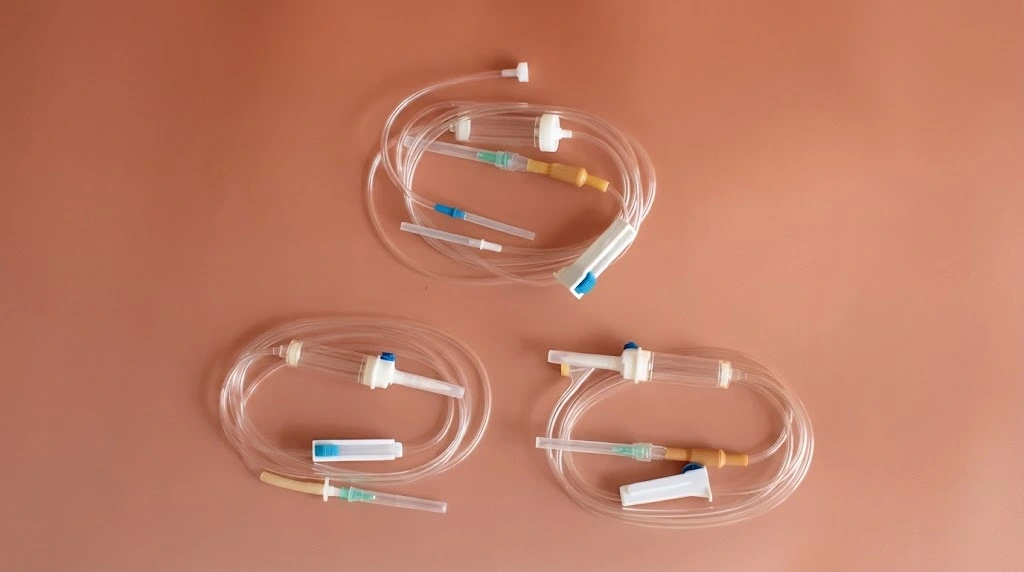
How Needle-Free IV Infusion Sets Work and Their Safety Features
Traditional IV therapy equipment has been completely redesigned with needle-free infusion systems. These devices have closed-system connectors that let you attach a syringe without having to puncture a rubber septum. This is different from regular sets that need needle access for medication injection.
Closed-System Connector Design
The needle-free IV infusion set from AVACARE has a split-septum valve that opens manually when a luer-lock syringe is connected and instantly closes when it is taken off. This design keeps a sterile fluid pathway open and stops blood from flowing back into the catheter line. The body of the connection is made from medical-grade polyethylene, which is resistant to many chemicals that are found in medicines like lipid emulsions and chemotherapy agents.
Precision Flow Calibration at 20 Drops/mL
The orifice size inside the drip chamber is set by the 20 drops per milliliter specification. When flow rates are between 50 and 150 ml per hour, this macro-drip setting works well for antibiotic infusion, parenteral feeding, and water therapy for adults. A precisely molded internal dropper keeps flow accuracy within ±10% under normal gravity conditions. This means that medications can be delivered reliably without the help of an electronic pump when needed.
Integrated Particulate Filtration
A 15-micron filter is built into each set and placed in the drip chamber. Before they get into the patient's bloodstream, these filters get rid of glass shards, rubber particles, and medicines that have solidified. The clear filter membrane lets you see if debris is building up, which means you can replace it quickly if it gets clogged and stops the flow of water.
Compatibility With Universal Luer Standards
These sets are made in a way that meets ISO 80369-7 standards, which means they can easily join to current IV catheters, extension tubes, and infusion pumps. When procurement teams upgrade safety systems, they can add needle-free technology without having to replace whole infusion infrastructures. This saves money on capital costs.
The tech behind these features meets both the needs for clinical performance and preventing injuries. This gives procurement managers a way to improve safety without lowering the effectiveness of therapy.
Benefits of Needle-Free IV Infusion Sets for Healthcare Institutions
Adopting needle-free infusion technology makes safety, regulatory compliance, and operating efficiency all better in measured ways. These benefits affect performance indicators for the whole institution, not just one department.
Documented Reduction in Needlestick Injuries
In hospitals, using needle-free systems cuts down on percutaneous injuries by 62 to 88%, according to clinical studies. The main way that people get exposed goes away when nurses don't touch needles while giving medications. This drop immediately leads to fewer reports of injuries, lower costs for post-exposure prophylaxis, and fewer claims for workers' compensation.
Enhanced Compliance With Safety Regulations
When hospitals use safety devices that are in line with OSHA rules, they meet the engineering control requirements and are less likely to get cited during inspections. Documentation of the adoption of a needle-free system also supports the standards for staff safety plans set by the Joint Commission. Proactively adopting safety equipment is shown in procurement records, which strengthens an institution's position during regulatory audits.
Cost Savings Through Injury Prevention
In addition to not having to pay the direct costs of $3,000 to $7,000 per incident, institutions save money by keeping workers from leaving, keeping productivity high during prophylaxis times, and lowering their insurance rates. Financial modeling shows that facilities usually get their money back within 18 to 24 months of switching to needle-free systems, even if the cost of each device is a little higher.
Improved Staff Morale and Retention
Nurses like working for companies that put their safety first. Offering Needle-free IV Infusion Set technology shows that an organization cares about protecting healthcare staff, making jobs more satisfying, and lowering unemployment in tough job markets. Concerns about safety are a major factor in nurses' choices to leave their jobs, as shown by exit interviews. This investment is therefore very important for maintaining a stable workforce.
Expanded Patient Population Safety
The DEHP-free formulations in premium needle-free sets help patients who are more likely to get sick, like newborns, pregnant women, and people who have been on chemotherapy for a long time. Medical-grade polyethylene and polypropylene construction gets rid of worries about phthalate exposure, which helps sensitive groups do better while keeping the mechanical performance needed for reliable infusion therapy.
When put together, these benefits make strong value propositions for hospital networks and distributors looking at investments in safety equipment. The instant gains in safety and the long-term financial benefits make it worth buying.
Selecting the Right Needle-Free IV Infusion Set: A Procurement Guide
When healthcare procurement professionals look at needle-free infusion suppliers, they have to make important choices. There are a number of things that determine whether a product meets clinical needs and helps the organization reach its goals.
Verification of Certifications and Standards Compliance
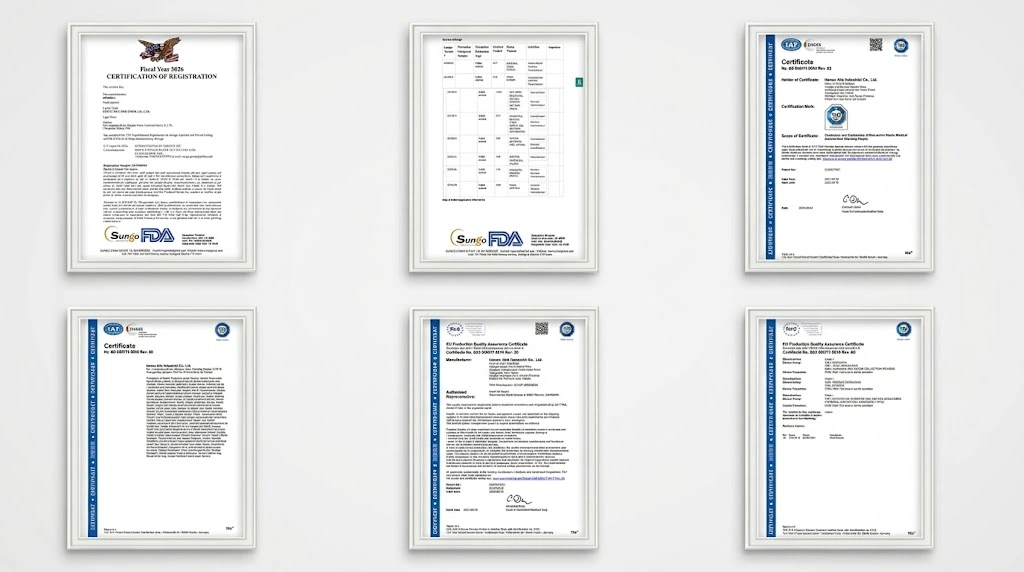
Make sure that the makers are still certified to ISO 13485 quality management standards and can provide all necessary technical information. If something has a CE mark and a Declaration of Conformity, it means it meets European safety standards. If it has an FDA registration, it means it is safe for the U.S. market. AVACARE makes things in a 12,000-square-meter building with Class 100,000 cleanrooms. This makes sure that the working conditions meet the highest worldwide standards for making medical devices.
Assessment of Sterilization Validation
To reach the industry standard for implantable and fluid-pathway devices, the Sterility Assurance Level (SAL) of 10^-6, ethylene oxide sterilization needs to be fully validated. According to ISO 11135 standards, you should ask for sterilization validation reports that list the cycle parameters, biological indicator results, and residual EO testing. Each AVACARE production lot is tested for sterility, and certificates of analysis are available for regulatory tracking.
Evaluation of OEM and Customization Capabilities
Private labeling is often needed by hospital networks and distributors to help build brand recall in area markets. Partners can make their products stand out by working with OEM manufacturers who offer multilingual directions, custom packing, and branding labels. AVACARE can customize samples and accepts orders as low as 500,000 units, making it a good choice for big hospital networks or distributor stocking programs.
Supplier Reliability and Manufacturing Capacity
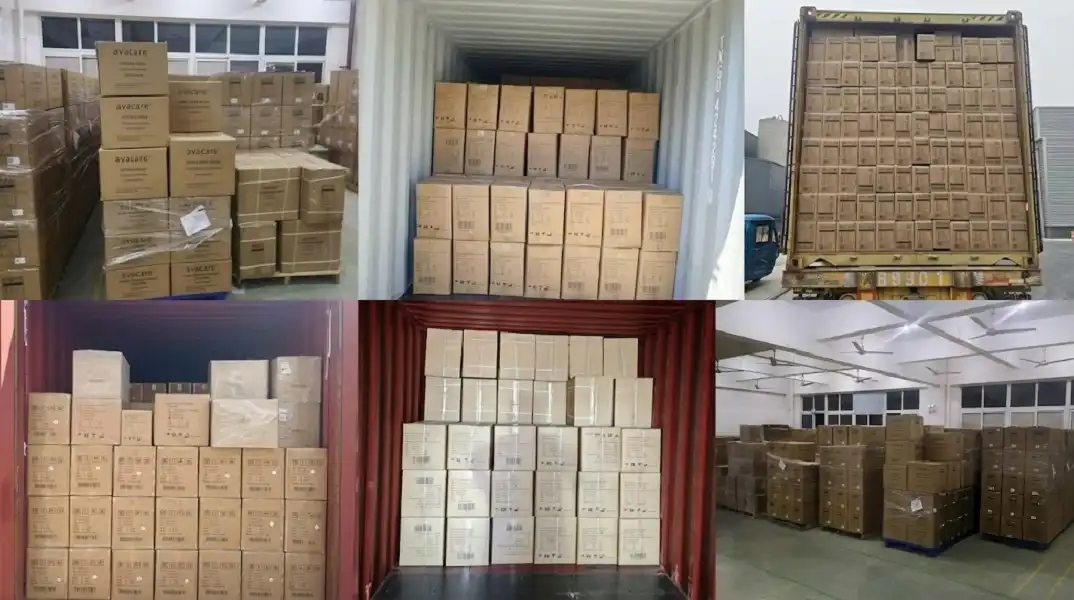
Lead times for production affect how inventory is managed and how long supplies last. Manufacturers who already have enough production capacity can keep up steady production cycles of 30 to 45 days, which makes restocking plans reliable. Check to see if the sellers keep a safety stock, offer flexible payment terms like L/C or T/T, and offer quick technical help during the implementation phase.
Material Biocompatibility Documentation
ISO 10993 biocompatibility testing makes sure that when device materials touch blood or tissue, they don't cause any problems. Make sure that suppliers give full biocompatibility reports that include cytotoxicity, sensitization, and heat generation. The PP and PE materials used to make AVACARE have been shown to be biocompatible with a wide range of patient populations, and there is evidence that they can be used with vulnerable groups.
When these evaluation factors are used, procurement teams can be sure that the needle-free IV infusion set makers they choose meet clinical, regulatory, and operational needs. A thorough evaluation of the provider stops expensive quality problems and helps safety system installations go smoothly.
Best Practices for Using and Maintaining Needle-Free IV Infusion Sets
When clinical protocols are followed correctly, needle-free infusion technology works best and is safest. Training for staff and regular maintenance procedures make sure that devices work as intended for as long as they are in use.
Correct Connection Technique
According to the Infusion Nursing Society, nurses should clean the needle-free valve with 70% isopropyl alcohol or chlorhexidine solution for 10 to 15 seconds each time they access it. The luer-lock syringe should be tightly connected until resistance shows that it is fully engaged. Avoiding links that aren't fully connected stops fluid from leaking and keeps the system clean.
Flow Rate Verification and Adjustment
When the treatment starts, count the drops over one minute and compare them to the 20-drops-per-ml standard to make sure the drip rate is correct. If you need 100 ml/hour, the right rate is 33 drops per minute. Slowly move the roller clamp while keeping an eye on the drip chamber. Give the flow 30 seconds to settle in between moves.
Routine System Inspection
Before giving each medicine, look at the tube for kinks, the drip chamber for debris on the filter, and all the connection points to make sure they are securely in place. Make sure that the needle-free valve membrane doesn't have any damage or buildup of residue that could make it less sterile. As required by the institution, sets should be replaced every 96 hours for continuous infusions, which is also recommended by the CDC.
Troubleshooting Common Issues
When the flow stops, make sure the fluid bag hasn't been emptied, that there aren't any clogged tubes along the line, and that the roller clamp is still open. If the drip chamber gets too full, close the roller clamp, turn the chamber over, and gently squeeze to return the extra fluid to the bag. Then, start the flow again. These easy fixes fix most operating problems without having to replace the set.
When clinical staff follow these guidelines, needle-free systems keep their safety and therapeutic effectiveness. Full training during implementation makes sure that all shifts and departments follow the same set of rules.
Conclusion
Healthcare organizations have both a legal and a moral duty to keep people from getting hurt by needles. Needle-free IV infusion sets that are calibrated at 20 drops/ml have been shown to protect clinical staff while still providing the therapeutic precision needed for caring for adults. The technology gets rid of sharp parts in fluid pathways, which has been shown to cut the number of injuries by up to 88% in real-world settings. When purchasing managers choose ISO 13485-certified companies that offer full certifications, biocompatible materials, and OEM customization, they build supply partnerships that help safety programs succeed and stay in line with regulations over the long term.
FAQ
What advantages does the 20 drops/ml flow rate provide compared to other calibrations?
The 20 drops/ml macro-drip specification works well for keeping adults hydrated, giving them antibiotics, and giving them food through an IV, all of which need moderate to high flow rates. This calibration lets flow rates of 50 to 150 ml/hour be driven by gravity without the help of a pump. This gives you options when you don't have enough equipment or need to move it. For lower-volume precise delivery, pediatric uses usually need 60 drops/ml micro-drip sets.
Do needle-free connectors completely eliminate all needlestick injury risks?
Needle-free connectors get rid of the main way that people get hurt by removing sharp parts from the process of giving medications and accessing lines. There is still some risk when the catheter is first put in and when the spike is connected to the fluid bags, but the overall risk of injury drops by a huge amount. When needle-free sets are used with safety-engineered tubes, the whole infusion treatment process is protected from sharps injuries.
How should procurement teams compare different needle-free IV set manufacturers?
Check that suppliers have the latest ISO 13485 certification, full CE technical file documentation, biocompatibility test reports according to ISO 10993, and proof that they can sterilize products to SAL 10^-6. Check the manufacturing capacity to make sure it can handle the needed number, the OEM customization options for private labeling, and the production wait times that will help you keep track of your inventory. Ask for samples so that they can be tested in a clinical setting and make sure that the goods meet the standards for ISO 80369-7 luer connectors so that they can be used with all types of injection equipment.
Partner With AVACARE for Certified Needle-Free Infusion Solutions
Healthcare procurement directors looking for reliable needle-free IV infusion set providers will find that AVACARE's ISO 13485 and CE-certified manufacturing is perfect for putting together big hospital networks. Our 20 drops/ml precision-calibrated sets are made of DEHP-free materials and are fully protected against needlestick injuries. They help sensitive patients in the ICU, cancer departments, and emergency rooms. We're happy to take your questions about bulk orders starting at 500,000 units, and we can customize them for OEMs by adding private labels and multilingual documentation. For your needle-free infusion equipment purchase project, email our supply chain team at admin@aileindus.com and ask for technical specs, biocompatibility reports, and reasonable prices. You can look at our full line of products at ailemedicals.com and find out how we can help your institution meet its safety and legal compliance goals.
References
1. Centers for Disease Control and Prevention. "Workbook for Designing, Implementing, and Evaluating a Sharps Injury Prevention Program." National Institute for Occupational Safety and Health, 2015.
2. International Organization for Standardization. "ISO 80369-7:2021 Small-bore connectors for liquids and gases in healthcare applications — Part 7: Connectors for intravascular or hypodermic applications." Geneva: ISO, 2021.
3. Occupational Safety and Health Administration. "Bloodborne Pathogens Standard 29 CFR 1910.1030." U.S. Department of Labor, revised 2019.
4. Infusion Nurses Society. "Infusion Therapy Standards of Practice, 8th Edition." Journal of Infusion Nursing, Volume 44, Supplement 1, 2021.
5. Jagger J, Perry J. "Epidemiology and Prevention of Needlestick Injuries Among Healthcare Workers." Healthcare Safety Investigation Branch Annual Review, 2018.
6. European Agency for Safety and Health at Work. "EU Directive 2010/32/EU Framework Agreement on Prevention of Sharps Injuries in the Hospital and Healthcare Sector." Official Journal of the European Union, 2010.