Everything You Must Know About an Insulin Syringe
An insulin syringe is a medical device intended for the subcutaneous administration of insulin in the management of diabetes. It is different from ordinary hypodermic syringes in that it has an ultra-fine needle, a graduated barrel marked in units of insulin (U-100 or U-40), and a low dead-space design that minimises waste of dosage. Knowing how these devices work—from needle gauge to sterilisation standards—enables procurement managers, healthcare administrators and B2B purchasers to make informed decisions that directly impact patient safety and program costs.
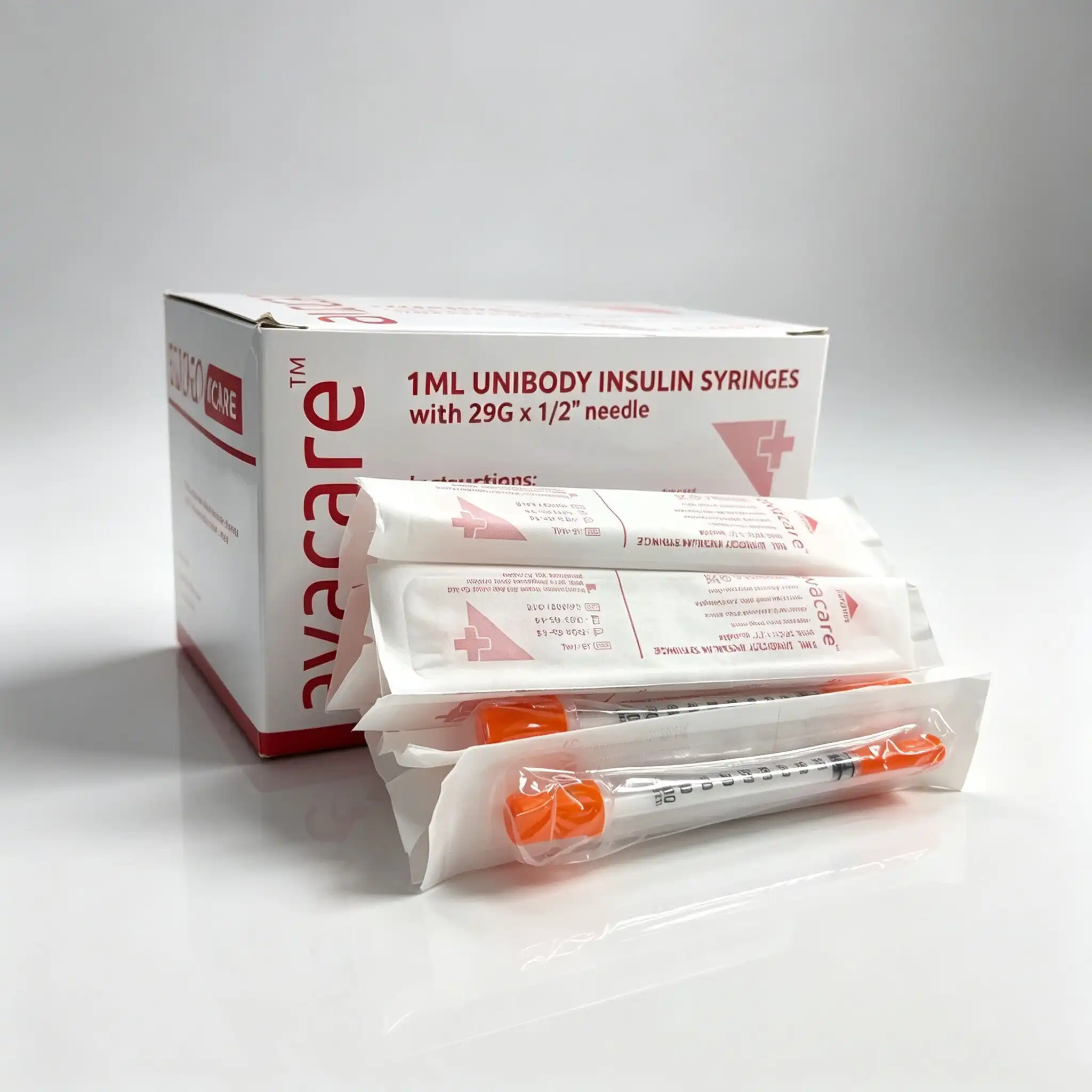
Understanding Insulin Syringes — Basics and Practical Use
What Exactly Is an Insulin Syringe?
The three primary differences between an insulin syringe and other syringes are: the barrel is calibrated in insulin units rather than millilitres; the needle gauge is finer (typically 29G–31G); and many varieties have a hub with no dead space. This last feature guarantees that there is no insulin left in the needle after the dose. This is especially true with children, who can be given hypoglycemia by even one or two units of insulin.
Sizes, Gauges, and Calibration Units
The most common sizes are 0.5 mL and 1 mL. The 0.5 mL barrel is recommended for daily doses of fewer than 50 units, and the 1 mL barrel for greater daily doses. The wall thickness is measured by the needle gauge. For example, a 29G needle has a little larger lumen than a 31G needle which affects flow rate and injection force. This is either U-100 (100 units per mL) which is the world standard, or U-40 (40 units per mL) which is still used in some national systems. Mixing these calibrations results in a 2.5× dosage error. This is a very crucial item for procurement teams to know before placing orders for goods.
Safe Handling and Disposal
This sterile gadget is intended for single use. Discard after one injection. The U.S. Centers for Disease Control and Prevention (CDC) says reusing a needle alters the tip only a little bit, making injections more painful and increasing the risk of infection. The use of a non-puncture-proof container is a safety necessity for patients and a regulatory requirement in most national healthcare systems for effective sharps disposal.
Comparing Insulin Syringes and Alternatives: Making the Right Choice
Syringes vs. Insulin Pens
Insulin pens are convenient because you can carry them around without calling attention to yourself, but they cost a whole lot more per dose than a typical disposable syringe. The price differential matters a great deal for large public health programs that have limited budgets per patient. A 1 mL insulin syringe costs $0.15 to $0.25 per unit and can accomplish the same practical job as a pen cartridge device costing several times that much. That's why syringes are the greatest option for the government to acquire in bulk.
Plastic vs. Glass; Disposable vs. Reusable
The barrels of disposable syringes today are made of medical-grade polypropylene (PP). The barrels are translucent enough to see through to check for air bubbles and have uniform size tolerances. Glass jars were prevalent, but are heavy and less robust, making large-scale distribution difficult in places with minimal resources. Reusable glass needles must be sterilised before use again, making the process more complex and increasing the risk of infection. Single use PP needles help, nationwide diabetic programs distribute millions of doses annually, making planning and compliance easier.
Needle Length and Gauge for Different Patient Groups
The depth of subcutaneous insertion is determined by needle length. 4–6 mm needle length is good for most children and adults. 8 mm is preferable for persons with a higher body mass index. Used in veterinary medicine to treat diabetes in cats and dogs. A 29G needle can penetrate thicker animal skin, but still give an accurate low volume. B2B buyers need to be sure they select the proper gauge and length for each type of patient before they order in bulk.
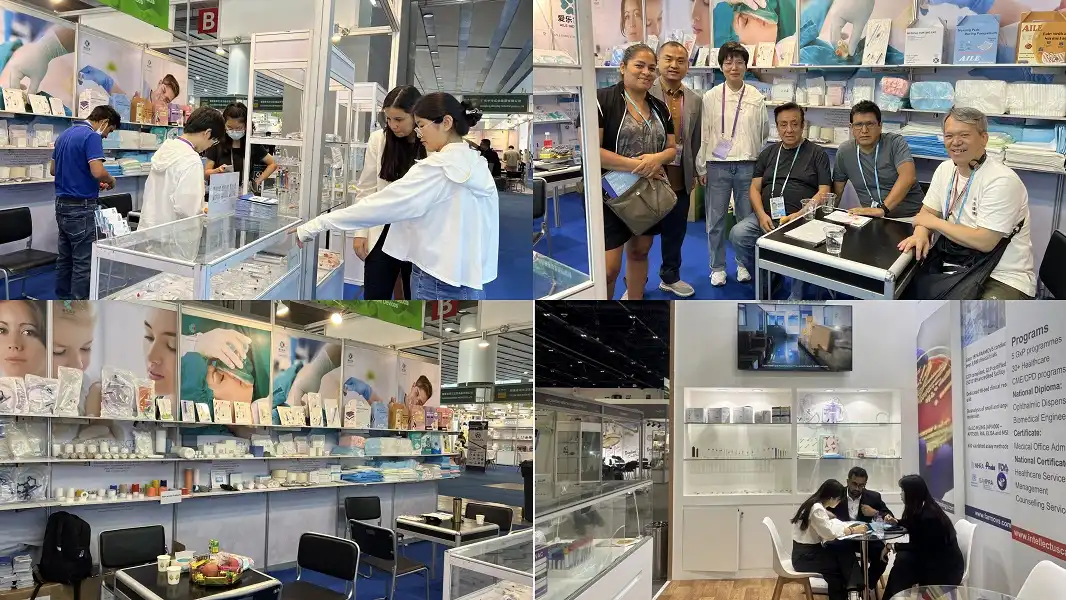
Key Factors When Procuring Insulin Syringes for B2B Clients
Quality Assurance and Regulatory Compliance
Complete paperwork is needed for government contracts and foreign help programs like WHO and UNICEF. This includes CE marking, ISO 13485 approval, and an EC Declaration of Conformity. ISO 8537 sets rules for vacuum integrity and graduation precision (±5% range). Buyers should ask for batch-level tracking records that show where the raw materials came from, EO sterilization cycle data (ISO 11135), and biocompatibility tests according to ISO 10993. These papers are required to pass a tender qualification review; they are not extras that can be chosen.
Bulk Pricing, Packaging, and Supply Chain Logistics
When more than 400,000 pieces are bought, the price per unit drops by a large amount. As an example, a price drop of $0.05 per unit on an order of one million pieces saves $50,000, which is a big number in any public health fund. Before making a decision about a supplier, procurement teams should look at these main logistics factors:
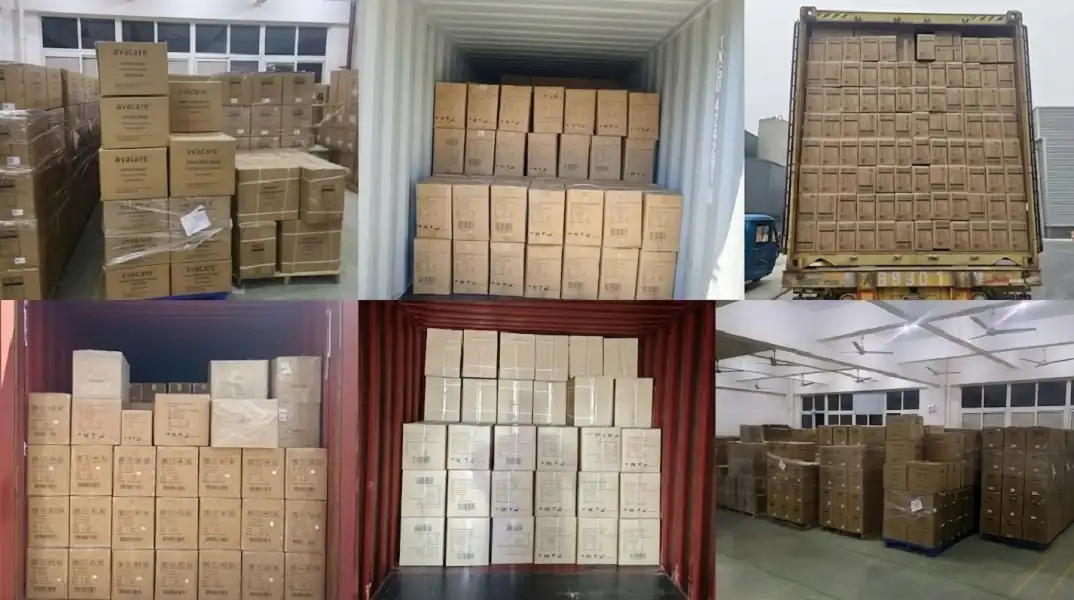
- Production capacity: A facility running automated lines across 12,000 m² with ISO Class 8 cleanrooms can realistically fulfill a 400,000-unit minimum order within 30–45 days.
- Packaging options: Individual sterile blister packs preserve SAL 10⁻⁶ sterility assurance through a five-year shelf life; bulk-box configurations reduce freight cost per unit.
- Payment terms: Government buyers typically require L/C (letter of credit); T/T transfers suit pre-qualified OEM partners.
- OEM/ODM capability: Printing government program logos or local-language instructions on packaging requires a supplier with validated artwork-change procedures.
These things together show if a supplier can reliably meet the needs of the whole country every year, not just the first shipment.
Evaluating Supplier Reliability
A price sheet is not enough to build trust in a supplier. Reference names like BD (Becton Dickinson) and Terumo are well known, and procurement groups often use their success data to judge new suppliers. A manufacturer with seven national patents, ISO 13485 certification, and CE/FDA approvals, as well as the ability to provide third-party factory audit reports, is able to show a tender committee that they can trust a new supplier. Both the history of customer complaints and the history of reporting bad events are important signs.

Innovations and Trends in Insulin Syringe Technology
Safety-Engineered and Ergonomic Designs
Retractable needle mechanisms in an insulin syringe help prevent needlestick injuries, which are known to be a risk for healthcare workers on the front lines. The WHO says that 16 billion shots are given around the world every year, and a big chunk of those are accidental needlesticks. Self-injection is easier for older people or people who don't have as much hand strength when the barrels are shaped in an ergonomic way and have thumb-ring plunger attachments.
Sustainability and Material Innovation
To make single-use items less harmful to the environment, companies that make medical devices are trying bio-based and reusable PP materials. Even though fully disposable sharps haven't been approved by regulators on a large scale yet, it's clear that they are on the right track. PP procurement strategies should keep an eye on these changes, because international agencies may include sustainability criteria in future tender specifications.
Integration With Digital Health Ecosystems
In high-income areas, connected insulin delivery is moving quickly forward. This is where dose data is recorded through smart caps or pen attachments that are tied to an app. For big public projects, the most important thing right now is still getting devices that are dependable, clean, accurate, and don't cost a lot of money. However, knowing this trend helps purchase planners guess how gadget specs might change in the next five to ten years.
Avoiding Common Pitfalls in Insulin Syringe Procurement and Use
Dosing Errors and Calibration Mismatches
Most of the time, doctors make the mistake of using a U-40 syringe with U-100 insulin or the other way around. This creates a 2.5× difference in doses that can lead to severe hypoglycemia or hyperglycemia. When insulin concentration standards change, procurement teams that work with programs that use them must also update syringe specs and make sure that delivery networks are aware of the changes.
Needle Reuse and Its Consequences
Even using a needle once breaks the clean seal and changes the shape of the triple-bevel tip. The American Diabetes Association (ADA) says that single-use gadgets should not be used more than once. The policy impact for wholesalers and healthcare providers is clear: make sure there are enough units and budget for them so that patients never feel like they have to reuse because of cost.
Disposal Non-Compliance and Program Risk
Not properly throwing away sharps creates a risk of harm to the community and regulatory liability. Sharps container supply and disposal methods should be part of the purchase package for large-scale projects, not something that is added on at the last minute. Putting this in the contract protects both the reputation of the program and the patient communities.
Conclusion
There is a lot more to choosing the right insulin syringe for a large-scale diabetes program than just looking at unit prices. A purchase choice that affects patient results is based on many factors, such as the accuracy of the graduation, the safety of the sterilization process, the shape of the needle, the standards for calibration, the documents of traceability, and the production capacity of the provider. A provider with ISO 13485 and CE certifications, a verified cleanroom production center, and full batch tracking gives procurement workers the proof they need to pass tender review and provide safe, effective care on a large scale.
FAQ
Which needle gauge is right for most adult patients?
A 29G or 30G needle covers the majority of adult and pediatric needs. Finer gauges reduce pain; coarser gauges suit patients with higher BMI or thicker skin. Confirm gauge requirements in your tender specification to avoid receiving mismatched product.
How do I verify that a supplier meets international safety standards?
Request the original ISO 13485 certificate, CE Declaration of Conformity, and EO sterilization validation reports (ISO 11135). Cross-reference certificate numbers directly with the issuing notified body — document copies alone are not sufficient for government procurement compliance.
What is the minimum order quantity for bulk procurement?
AVACARE's sterile single-use insulin syringe carries a minimum order of 400,000 units, aligned with annual national procurement volumes. OEM/ODM packaging — including government program logos and local-language labeling — is available within the standard 30–45-day production window.
Can these syringes be used in veterinary settings?
Yes. The 29G configuration provides sufficient structural strength for feline and canine subcutaneous injections while maintaining precise low-volume delivery suitable for U-40 veterinary insulin formulations.
What payment methods does AVACARE accept?
Both T/T (telegraphic transfer) and L/C (letter of credit) are accepted, accommodating standard government procurement payment workflows.
Partner With AVACARE for Your Next Insulin Syringe Supply Contract
AVACARE makes clean, single-use insulin needles that are ISO 13485 and CE-certified and are made to meet the needs of national diabetes programs. We are a verified insulin syringe supplier with a 12,000 m² production facility, cleanroom manufacturing, full batch traceability, and a 30–45-day lead time on orders from 400,000 units. We are ready to help you with your procurement cycle. You can get OEM/ODM packaging. To get samples and a group price, email us at admin@aileindus.com or go to ailemedicals.com.
References
1. World Health Organization. WHO Technical Specifications for Insulin Syringes. WHO Medical Device Technical Series, 2010.
2. American Diabetes Association. Standards of Medical Care in Diabetes. Diabetes Care, 2023.
3. International Organization for Standardization. ISO 8537: Sterile Single-Use Insulin Syringes with or without Needle. ISO, 2016.
4. Centers for Disease Control and Prevention. Insulin: Syringes and Needlestick Safety. CDC Diabetes Program Publications, 2022.
5. International Organization for Standardization. ISO 13485: Medical Devices — Quality Management Systems. ISO, 2016.
6. Hasson, R. E., & Burnham, B. R. Needle Reuse and Infection Risk in Insulin-Dependent Diabetes: A Clinical Review. Journal of Diabetes Science and Technology, 2019.