Endotracheal Tube ETT With Ultrathin PU Cuff for Advanced Airway Management in Surgery
When selecting airway management devices for complex surgical procedures and critical care environments, the Endotracheal Tube Ett With Ultrathin Pu Cuff stands out as a significant clinical advancement. This specialized device features a polyurethane cuff measuring just 7-10 microns thick—dramatically thinner than conventional PVC alternatives—which creates a superior tracheal seal while minimizing mucosal pressure and trauma. By eliminating the micro-channels that form in traditional cuffs, this innovation directly addresses Ventilator-Associated Pneumonia risk, making it an essential consideration for procurement managers and clinical directors evaluating modern respiratory care solutions.
Understanding Ultrathin PU Cuff Endotracheal Tubes
Advanced airway devices aren't just small gains; they completely change how well patients do while they are on artificial respiration. The ultrathin polyurethane cuff technology built into these endotracheal tubes solves problems that have been around for a long time in surgical and intensive care settings. When traditional PVC cuffs are inflated, they make folds that let secretions full of germs get past the seal and into the lower respiratory system. These folds are usually 50 microns thick. This micro-aspiration effect plays a big role in the high rate of ventilator-associated pneumonia in ICU patients.
Material Engineering and Biocompatibility
Medical-grade polyurethane has clear benefits for designing cuffs. This advanced material is only 7–10 microns thick, but it has better tensile strength and puncture resistance than PVC materials that are thicker. The biocompatibility profile meets ISO 10993 standards, which means that it won't harm cells when it comes into touch with patients for a long time. The thermosensitive features of the material let the tube soften at body temperature, so it can naturally fit each person's tracheal structure without needing too much expansion pressure.
Sealing Mechanism and Pressure Distribution
The very thin shape of the cuff makes it very accurate at following the uneven shape of the airway. This conformity makes a barrier that doesn't let fluid through at air pressures as low as 20 cmH2O, which is a lot lower than the 25–30 cmH2O that most regular sleeves need. Lower closing pressures keep capillary blood flow going in the airway mucosa, which lowers the risk of ischemic injury during long times of intubation. There is clinical evidence that this difference in pressure leads to measurable drops in complications after extubation and the number of cases of tracheal stenosis.
Clinical Safety and Performance Validation
Comprehensive testing procedures check how well a gadget works in a lot of different areas. Following ASTM F1242 guidelines, micro-leakage testing is done on each production batch. This makes sure that there are no secretion routes when the balloon is properly filled. Tests of the bond strength make sure that the cuff-to-tube joint can handle the mechanical stress that comes with extubation. Testing for kink resistance confirms that the lumen stays open even when the patient is moved or surgically manipulated at sharp angles. These quality standards make sure that the performance is always the same, so procurement teams can rely on them for a wide range of clinical applications.
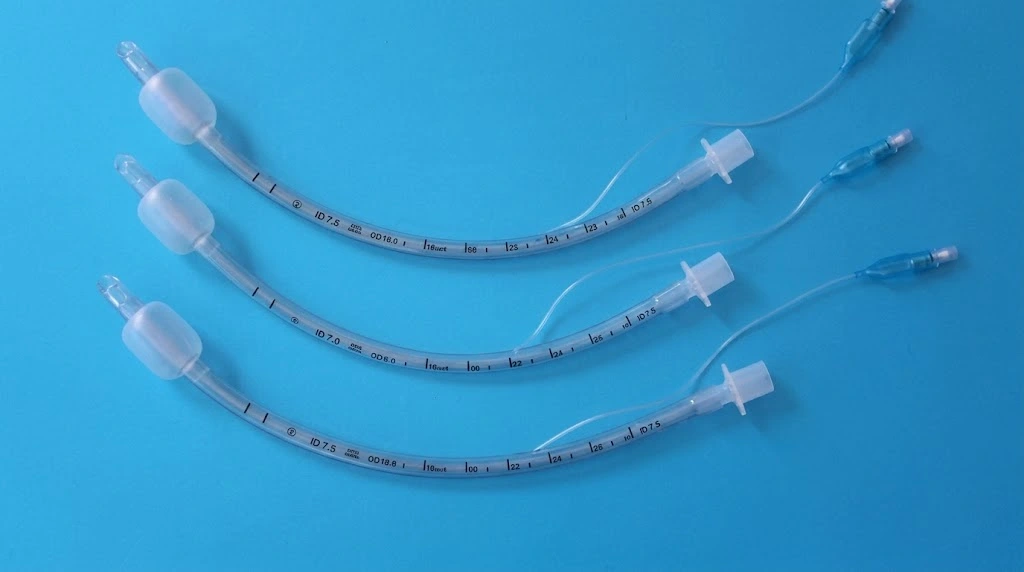
Comparing Ultrathin PU Cuff ETT with Traditional Cuff Types
Figuring out the important differences helps people in charge of clinical trials and purchasing decide if new lung technologies such as Endotracheal Tube Ett With Ultrathin Pu Cuff are worth the money. The change from PVC to polyurethane cuff design is based on proof and was caused by the need to prevent infections and keep patients safe.
Performance Advantages Over PVC Cuffs
In order for standard PVC cuffs to close properly, they need larger inflation amounts, which raises the mucosal contact pressure. PVC is a rigid material that doesn't conform well to changes in tracheal shape. This leaves tiny gaps that bacteria can use to move around. The polyurethane cuff, on the other hand, is flexible enough to conform to body irregularities without needing to be over-inflated to make up for it. When ultrathin polyurethane devices are used for long-term ventilation situations longer than 48 hours, studies that compare the incidence of VAP between cuff types show statistically significant decreases.
Durability and Device Longevity Considerations
In the past, it was thought that thinner materials might not last as long, but practical experience with ultrathin PU cuffs shows the opposite. The material's elastic memory keeps it from changing shape permanently after many rounds of swelling and deflation. The reinforced design with a stainless steel spiral keeps it from kinking, even when positioning is difficult for neurosurgery or prone ventilation protocols. This structural stability makes sure that the device keeps working as it should during long processes without breaking down and needing to be replaced.
Application-Specific Selection Criteria
When managing an airway in a child, it's important to pay extra attention to cuff pressure and avoiding tracheal damage. Because the ultrathin design can seal at lower pressures, it is especially useful in neonatal and pediatric intensive care units, where airway structures are still developing and are more likely to be hurt by pressure. Adult applications are also helpful, especially for older people whose tissues aren't as strong or for people who need to stay on motorized breathing for a long time. To get the best devices, your procurement specifications should take into account the range of sizes that are available and the clinical populations that your facility serves.
Best Practices for Using Ultrathin PU Cuff Endotracheal Tubes
To get the most out of a device, it needs to be inserted correctly and managed properly over time. Without following evidence-based professional practices, even the best technology can lead to less-than-ideal results.
Insertion and Initial Cuff Inflation
Using the continuous X-ray contrast line to make sure the tube is in the right place before inflating the cuff is important. The Murphy eyes provide extra ways for air to flow if the main opening gets damaged. When you first pump up the balloon, you should aim for the minimal occlusive volume, which is the lowest pressure that will still make a good seal during positive pressure breathing. By measuring pressure objectively, manometry devices help doctors stay away from both under-inflation (which lets micro-aspiration happen) and over-inflation (which damages the mucosa). The ideal mix between protecting the airways and preserving tissue is found at a closing pressure of 20 cmH2O.
Ongoing Monitoring and Pressure Management
During artificial ventilation, the cuff pressure of Endotracheal Tube Ett With Ultrathin Pu Cuff should be checked on a frequent basis. Position changes, moving the patient, and changing the respirator settings can all affect the stability of the seal and need to be adjusted. Because polyurethane is thermosensitive, the cuff may slightly expand when it gets to body temperature. If this isn't checked, it could raise the mucosal pressure. Standardized procedures for checking the patient's pressure—especially after moving or shifting them—avoid over-inflation and the problems that can come with it.
Complication Prevention Strategies
The patient's safety is protected by keeping a close eye out for signs of tube migration, cuff herniation, or seal compromise. The very thin cuff design lowers the risk of intake, but it's still there, so it's important to keep following the instructions for head-of-bed lifting and subglottic suctioning. When you take care of your teeth and gums on a regular basis, you reduce the growth of bacteria that could get past even the best cuffs. Recording cuff readings, position confirmation, and any changes that were made makes people accountable and lets quality improvement programs keep track of how well devices are working across your institution.
Procurement Insights for Ultrathin PU Cuff Endotracheal Tubes
When making strategic sourcing decisions for important airway devices, you have to weigh clinical performance, regulatory compliance, cost, and the reliability of the supply chain. When purchasing managers are looking at different suppliers, they should use thorough evaluation methods that take into account many factors that affect the choice.
Certification and Regulatory Compliance
When the ISO 13485 certification is checked, it shows that the company follows quality control methods that are specific to making medical devices. The CE mark shows that the medical device meets the rules of the European Union. Depending on where your facility is located and the patients you treat, you may need other regional certifications as well. There should be a proof of analysis for each production lot, full specification sheets, and directions for use in the languages that are needed in the supplier documents. The factory that makes AVACARE products meets strict international quality standards and is certified as a Class 100,000 cleanroom. It also has ISO 13485 and CE certifications.
Supply Capacity and Delivery Reliability
Healthcare activities can't handle interruptions in the flow of essential supplies. Checking a supplier's production ability helps make sure they can handle both normal order amounts and sudden spikes in demand. A monthly production capacity of 300,000 units shows that the factory infrastructure is strong enough to support big hospital networks and partnerships with distributors. Minimum order amounts of 1,000 pieces strike a balance between how efficiently the seller works and how much space and how quickly the inventory is used up at the healthcare facility. Supply chain disruptions can be avoided with global logistics tools like multiple transportation options and the right insurance coverage.
Customization and Partnership Opportunities
OEM and ODM features allow for private labeling, customized packing, and product specs for Endotracheal Tube Ett With Ultrathin Pu Cuff that are based on what an institution wants. When suppliers offer language localization for product documentation and training materials, it helps distributors who are going into new markets. Aside from the physical product itself, technical support services like clinical training programs, demonstration videos, and 24-hour rapid response systems add a lot of value. These parts of a relationship set commodity sellers apart from strategic partners who care about the success of your business and the care of your patients.

Why Choose Ultrathin PU Cuff ETT for Your Facility?
Advanced polyurethane cuff technology is a great investment for healthcare facilities that put patient safety and infection control first because it combines clinical proof, practical benefits, and quality assurance.
Clinical Outcome Improvements
It has been shown that lowering the number of cases of ventilator-associated pneumonia leads to better patient results and lower treatment costs. Lower rates of problems after extubation, like hoarseness, sore throats, and airway injuries, improve patient happiness and experience scores. Long-term effects like tracheal stenosis are less likely to happen in people who need frequent intubation or long-term mechanical ventilation if they can keep the seal intact at lower cuff pressures. These clinical benefits give the product a measured value that makes it worth more than other gadgets on the market.
Operational and Economic Considerations
Ultrathin polyurethane tubes cost more per unit than basic PVC options, but the total cost of care goes down when complications are taken into account. Each case of VAP that is prevented saves a lot of money on treatment, shortens stays in the ICU, and lowers the risk of death. Less problems with devices mean nurses spend less time dealing with breathing issues, which makes their work more efficient. Because reinforced construction is strong and doesn't bend easily, intraoperative tube replacements aren't needed as often, which keeps the surgery going smoothly.
Strategic Supplier Partnership Benefits
AVACARE has been making great products for ten years, and they have seven national patents that back this. These patents are all about combining material science with clinical uses. Tough quality control, large production capacity, and a full service infrastructure put procurement teams in a good position to build reliable long-term supply relationships. Facilities and distributors looking for a reliable ultrathin PU cuff supplier should work with manufacturers who know both the clinical requirements and the practicalities of healthcare delivery.

Conclusion
The Endotracheal Tube Ett With Ultrathin Pu Cuff is a big step forward in airway management technology. It directly addresses important problems in preventing ventilator-associated pneumonia and reducing tracheal injuries. It is known that the 7-10 micron polyurethane cuff seals better at lower pressures than other options. This makes the patient safer and more comfortable. When purchasing professionals look at different suppliers, they should give more weight to manufacturers that have strong quality systems, enough production capacity, and a wide range of support services. The fact that this technology works reliably and improves clinical outcomes makes it a useful addition to advanced surgery and critical care settings that choose devices based on evidence.
FAQ
What makes ultrathin PU cuffs more effective at preventing VAP?
The very thin polyurethane material doesn't have the tiny holes that thicker PVC cuffs do when they're expanded. Traditional cuffs have microscopic holes that let secretions that are full of bacteria get past the seal and into the lower respiratory tract. This can lead to ventilator-associated pneumonia. The very thin design fits the shape of the trachea perfectly, making a barrier that keeps fluids out even at low air pressures. This better sealing system makes it much less likely that bacteria will move during mechanical ventilation.
How does cuff thickness affect patient comfort and safety?
Less air needs to be pumped into thinner cuffs for them to close properly, which means they put less pressure on the tracheal tissue. This lowers the pressure so that capillary blood flow stays the same, which stops ischemia damage from happening during long-term intubation. Patients have fewer problems after being taken off the ventilator, such as sore throats, hoarseness, and inflammation of the trachea. The biocompatible polyurethane material is even safer because it meets the strict ISO 10993 standards for medical devices that come into direct touch with flesh for a long time.
Partner with AVACARE for Superior Airway Management Solutions
If a hospital or medical device wholesaler needs a trusted endotracheal tube manufacturer with experience in ultrathin PU cuffs, they can count on AVACARE. Our 12,000 m² production plant follows strict ISO 13485 rules and meets Class 100,000 cleanroom standards. Every month, they produce 300,000 units to meet both short-term needs and long-term supply agreements. We offer technical training programs, open OEM and ODM design, and 24-hour support to make sure that your team gets full help throughout the whole supply chain. To talk about your specific clinical needs and volume needs, please email our procurement specialists at admin@aileindus.com or visit ailemedicals.com.

References
1. Young PJ, Rollinson M, Downward G, Henderson S. Leakage of fluid past the tracheal tube cuff in a benchtop model. British Journal of Anaesthesia, 2007; 78(5): 557-562.
2. Dullenkopf A, Gerber A, Weiss M. Fluid leakage past tracheal tube cuffs: evaluation of the prevention of leakage and microaspiration. Intensive Care Medicine, 2003; 29(12): 2367-2373.
3. Lorente L, Lecuona M, Jiménez A, Mora ML, Sierra A. Influence of an endotracheal tube with polyurethane cuff and subglottic secretion drainage on pneumonia. American Journal of Respiratory and Critical Care Medicine, 2007; 176(11): 1079-1083.
4. Zanella A, Scaravilli V, Isgrò S, Milan M, Cressoni M, Patroniti N, Fumagalli R, Pesenti A. Fluid leakage across tracheal tube cuff, effect of different cuff material, shape, and positive expiratory pressure. Intensive Care Medicine, 2011; 37(2): 343-347.
5. Seegobin RD, van Hasselt GL. Endotracheal cuff pressure and tracheal mucosal blood flow: endoscopic study of effects of four large volume cuffs. British Medical Journal Clinical Research Edition, 1984; 288(6422): 965-968.
6. Nseir S, Zerimech F, Fournier C, Lubret R, Ramon P, Durocher A, Balduyck M. Continuous control of tracheal cuff pressure and microaspiration of gastric contents in critically ill patients. American Journal of Respiratory and Critical Care Medicine, 2011; 184(9): 1041-1047.

_1782811410038.webp)