What’s the difference between 20 drops/ml and 60 drops/ml IV infusion sets?
When choosing intravenous infusion devices for your facility, understanding drop factor specifications directly impacts patient safety and operational efficiency. The primary difference lies in drop size calibration: a Standard IV infusion Set–1.2m 20 drops/ml produces larger drops, requiring 20 drops to equal one milliliter, whereas a 60 drops/ml micro-drip set generates smaller drops, needing 60 drops per milliliter. This fundamental distinction affects flow rate calculations, dosing precision, and clinical applications, making the 20 drops/ml configuration ideal for high-volume adult infusions while the 60 drops/ml variant suits pediatric or precision-controlled scenarios.
Understanding IV Infusion Sets: Basics and Terminology
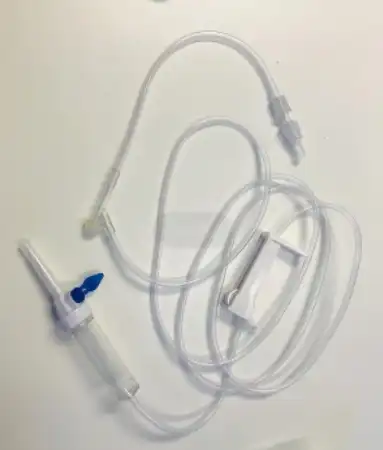
To choose the right injection device, you must first understand the basic parts and what they do. Each set comes with tubes, a drip chamber, a roller clamp, and a connection. Each of these is essential for delivering fluids safely.
Core Components Explained
Grasp-fed injection systems are built around the drip chamber. The internal geometry of a macro-drip chamber set to 20 drops/ml makes bigger drops that come out of a dropper tip that has been carefully shaped. This design meets ISO 8536-4 standards, which means that millions of units will all have the same drop shape. The usual length for bedside therapy is 1.2 meters of tube, which allows patients to move around and keeps the work area organized. This length cuts down on prime volume, which is the amount of fluid needed to fill the tube before administration. This cuts down on drug waste and costs per treatment.
Drop Factor Significance
How you figure out infusion rates at the bedside depends on the drop factor. When set up at 20 drops per ml, each drop delivers 0.05 ml of fluid. This simple ratio makes it easier to do the math in your head during emergencies when electronic pumps might not be available. The formula for nursing staff to quickly turn prescribed hourly rates into drops per minute is (Volume in ml per hour × Drop factor) ÷ 60 minutes. The macro-drip design works great when replacing fluids quickly, like during shock rescue or rehydration after surgery.
Tubing Length Impact
The 1.2m length keeps extra tubing from getting tangled up in the bed rails while still letting the patient move around. Longer tubes have more dead space and priming volume, while shorter tubes make it harder to move and can cause accidental disconnections. Before deciding on this length, AVACARE's engineering team tested different configurations in clinical simulations. This length makes it less likely for staff to trip and keeps flow rates stable even when patients move around.
Technical Comparison: 20 Drops/ml vs 60 Drops/ml IV Infusion Sets
Before making a purchase decision, you need to know how drop factor specifications translate into differences in clinical performance. There are more technical differences between macro-drip and micro-drip systems than just the size of the drops.
Flow Rate Calculations in Practice
Take a look at a prescription for 1000 ml spread out over eight hours. If you use a set with 20 drops per ml, the math gives you 42 drops per minute (1000ml × 20) ÷ 480 minutes. For the same dosage, a set of 60 drops per ml is needed, which works out to 125 drops per minute (1000 ml x 60). Micro-drip systems have more adjustment points because they have a higher drop count, but nursing staff have to pay more attention to what they're seeing during busy shifts.
Advantages of 20 Drops/ml Systems
Standard IV infusion Set–1.2m 20 drops/ml and other macro-drip sets have a number of operational benefits that are important to large-scale distributors who work with multiple facilities. The bigger drop size can be seen even in poor lighting, which lowers the chance of counting mistakes when checking the flow rate by hand. The wider orifice keeps things from getting clogged, so viscous solutions like blood products or lipid emulsions flow more reliably through macro-drip chambers. It is easier to maintain because the larger internal pathways don't let particles build up, which can lower accuracy over time.
When 60 Drops/ml Excels
Micro-drip devices are useful in neonatal intensive care units and pediatric rooms where very small patients need very exact amounts of fluid. A 60 drops/ml setup lets you finetune the flow through the roller clamp, making the ratio of drops per minute to milliliters per hour 1 to 1. This makes it easier to do calculations at the bedside for medicines with short therapeutic windows. But these sets need to be checked more often and might not be able to handle high-viscosity fluids without stopping the flow.
Material and Design Considerations
Medical-grade materials are used in both configurations, but the level of precision in manufacturing is very different. We make macro-drip sets in our 12,000-square-meter factory using kink-resistant PVC tubing that stays the same thickness inside the 1.2-meter length. The clear drip chamber lets you see bubbles right away, which is an important safety feature that is often skipped over when manufacturers try to save money. Our 15-micron fluid filter gets rid of particles before they reach the patient. This lowers the risk of contamination without slowing down flow rates.

Practical Applications and User Guidance for 20 Drops/ml IV Infusion Sets
Real-world performance depends on how well you set up the device and how well you understand the safety features that are built into good devices. Common problems that cause treatment delays and patient pain can be avoided with the right method.
Step-by-Step Setup Protocol
Check the quality of the package first before opening. The EO gas sterilization process we use gives us a Sterility Assurance Level of 10^-6, but if the packaging is damaged, this protection is lost. Use the spike with vents for hard bottles or the one without vents for bags that can be folded up to secure the IV container. Before filling the drip chamber to one-third of its capacity, make sure the roller clamp is completely closed. Overfilling makes it harder to see, while underfilling lets air into the tubing. To keep microbubbles from setting off air alarms in electronic tracking systems, prime the line slowly.
Common Mistakes to Avoid
Many sites have problems with flow rate fluctuations because the clamps are not placed correctly. If you don't want the rate to change, the roller clamp should rest on a flat surface instead of against the patient or the bed frame. Tube loops should hang freely, with no kinks or points where they are compressed. Make sure the Luer Lock connector twists tightly when linking to the patient's vascular access device. Luer Slip connections depend only on friction and may come apart when the patient moves.
Safety Features That Matter
Quality is very important for keeping bad things from happening. Our Standard IV infusion Set–1.2m 20 drops/ml has check valves that keep blood from flowing back into the tubes when the IV bags run out. This keeps the veins healthy and lowers the risk of infection. The air-inlet filter keeps the flow from glass containers steady without adding any dirt or dust. For sensitive patients, the lack of latex in the building removes the risk of allergic reactions. When you compare prices for buying, these features may not seem important, but they have a direct effect on readmission rates and lawsuit exposure.
Fluid Compatibility Insights
Not every infusion set can handle every solution the same way. Normal solutions of saline and dextrose flow easily through any shape, but medicines that contain chemicals may not work well with certain types of tubing. DEHP-free PVC options stop plasticizers from getting into lipid-based medicines, which keeps the drugs stable while they are being administered. Our technical paperwork lists the results of compatibility tests for common drip solutions. This helps pharmacy departments make smart choices about which medicines can safely use standard sets and which ones need special equipment.

Procurement Considerations for Standard IV Infusion Sets 1.2m 20 Drops/ml
When making strategic purchases, you weigh the short-term costs against the long-term benefits. Large distributors that work with developing markets have special problems that need to be carefully looked at by suppliers.
Key Selection Criteria
There are many important specifications, and drop factor is just one of them. Standardizing tubing length makes managing inventory easier; keeping both 1.2m and 1.5m lengths in stock makes SKUs more complicated without providing any real practical benefits. Your entire distribution network depends on how reliable your suppliers are; if you run out of stock, customers further down the chain have to go to competitors. When you get orders for 500,000 pieces a month, your manufacturing capacity becomes important. During busy times, manual assembly operations can't keep up with the high volume of work that needs to be done, but automated production lines can.
Cost-Effectiveness Analysis
Price changes between sellers are usually caused by differences in how much they make, not by differences in quality. When you buy directly from the factory, you don't have to pay the markups that distributors charge, but only factories with enough production space can meet large minimum order amounts without delaying shipping. Our 30- to 45-day manufacturing schedule can adapt to changes in seasonal demand that happen in places where malaria rates rise during the rainy season or respiratory illness rates rise during the winter. Both types of certificates are important. Products with CE marking and ISO 13485 certification can go through customs easily in many countries, but products without these credentials have to wait for government approvals, which can slow down supply lines.
OEM and Customization Options
In crowded markets, building your own brand through OEM partnerships helps you stand out from the competition. With private labeling, your margins can slowly get better as your brand becomes more well-known in hospital purchasing departments. Custom packaging configurations lower the amount of shipping needed for each unit, which directly lowers the cost of containers for shipping goods overseas. We can work with both OEM and ODM agreements, giving you options for how to create your products while still meeting quality standards that meet foreign standards.
It is important to build relationships with manufacturers who understand the challenges of business-to-business logistics. Structures for bulk discounts should grow or shrink in line with promises to buy a lot. L/C and T/T payment terms are flexible enough to work for big distributors with a range of financial scenarios. Samples are available so that you can check the quality before agreeing to orders for 500,000 pieces, which require a big input of money.

Making the Decision: Which IV Infusion Set Is Best for Your Needs?
The type of customers you have and the goals of the clinical setting will help you decide between Standard IV infusion Set–1.2m 20 drops/ml macro-drip and micro-drip setups. Beyond just comparing prices, decision frameworks should include a number of different points of view.
Clinical Application Priorities
20 drops/ml macro-drip systems work best in adult acute care facilities that put emergency preparedness first. Trauma centers and surgery recovery rooms need to be able to give fluids quickly, which micro-drip sets can't do. Standardized macro-drip equipment that nurses can set up quickly between appointments makes outpatient infusion clinics that give antibiotics or chemotherapy fluids work well. The easier drop counting makes it easier on the brain on days when there are a lot of patients.
Patient Demographics Influence
No matter how much more expensive they are, distributors who work with pediatric hospitals or newborn units have to keep 60 drops/ml choices in stock. But facilities that treat mostly adults don't get any clinical benefit from micro-drip accuracy as long as they can deal with slower maximum flow rates. Regional trends of disease are important. For example, places where malaria is common need a lot of rehydration capacity during seasonal outbreaks, which makes macro-drip inventory distribution more desirable.
Performance Outcomes and ROI
Based on feedback from our current distribution partners, using only 20 drops/ml configurations cuts down on the time needed for nursing training and the number of mistakes that happen during setup. When compared to micro-drip systems, hospitals say that air-in-line alarms go off less often. This means that nurses waste less time checking for fake warnings. Because it works with more viscous solutions, you don't have to buy as much specialized equipment. Over the course of a year, these operating efficiencies save enough money on costs to cancel out any differences in price per unit between drop factor choices.
Innovation and Future Trends
The medical device industry keeps adding better safety features that work for both types of devices. Anti-reflux valves keep blood from getting into the new bag when the old one is changed. Needleless connections make it less likely for healthcare workers to get needlestick injuries. Concerns about the environment can be addressed with sustainable materials that don't hurt performance or cleanliness. We are always putting money into research and development so that we can use these new ideas while keeping the manufacturing cost discipline that big distributors need.
As the market changes, it prefers suppliers who offer full help beyond just delivering products. Technical training programs help your sales teams teach hospital customers how to use your products correctly. When you have responsive customer service, you can answer good questions before they turn into returns. Transparency in the supply chain through production tracking systems helps with planning inventory better when demand goes up.
Conclusion
There are many differences between 20 drops/ml and 60 drops/ml IV drip sets, including how the drops are used in medicine, how easy they are to use, and how they are bought. Macro-drip setups work best in places where adults need fluids quickly and flow estimates need to be made more easily. The Standard IV infusion Set–1.2m 20 drops/ml works reliably and is backed by international standards. It is also made on a large enough scale to be used in high-volume delivery networks. To build strong supply chains that serve a wide range of healthcare markets, strategic buying choices should take into account per-unit price as well as provider capacity, delivery regularity, and total cost of ownership.
FAQ
What makes 20 drops/ml better for my distribution business?
Macro-drip sets are more useful in adult care facilities and make it easier to keep track of your inventory. The wider clinical compatibility means that there are fewer SKU versions, but they can serve a larger range of customers. Because calibration requirements are simpler, manufacturing costs stay low. This gives price flexibility in competitive markets.
Can I mix 20 drops/ml and 60 drops/ml orders?
Most makers can handle mixed container loads, but there are minimum order amounts that apply to each type of load. Since different testing setups need separate production runs, combining orders may make the production process take longer. Talk to providers about your exact number needs while they are giving you quotes.
How do I verify drop factor accuracy upon delivery?
A simple way to check is to play a known volume through the set at the right time. Once the drip chamber is full, count the drops for one minute while measuring the amount of fluid that has been collected. For correct calibration, twenty drops should be equal to about one milliliter. Temperature and fluid viscosity cause small differences that are within acceptable limits.
Do certifications really matter for price-sensitive markets?
Following the rules keeps customs delays from messing up your distribution schedule. Using uncertified devices puts hospitals at greater risk of being sued, even in markets where enforcement is weak. With CE marking and ISO certification, you can protect your company's reputation and grow into regulated markets as your distribution network does.
Partner with AVACARE for Reliable IV Infusion Set Supply
Because of its consistent quality and reliable manufacturing capacity, AVACARE has been helping medical device distributors since 2014. Our Standard IV infusion Set–1.2m 20 drops/ml manufacturer can handle minimum orders of 500,000 pieces, offer OEM branding options, and guaranty production schedules of 30 to 45 days. We are an ISO 13485 and CE-certified supplier with a 12,000-square-meter building. We know the problems that large distributors in developing markets face with their supply chains. Get in touch with our team at admin@aileindus.com to talk about how our production relationships can help you stay competitive and make sure that your hospital network always has access to products.
References
1. World Health Organization. "Guidelines on IV Infusion Device Standards for Resource-Limited Settings." WHO Press, 2019.
2. International Organization for Standardization. "ISO 8536-4:2019 Infusion Equipment for Medical Use—Part 4: Infusion Sets for Single Use, Gravity Feed." ISO Standards Catalogue, 2019.
3. American Association of Medical Instrumentation. "Technical Considerations for IV Administration Set Selection in Acute Care." AAMI Technical Report Series, 2021.
4. Journal of Clinical Nursing. "Drop Factor Impact on Medication Administration Errors: A Comparative Study." Volume 28, Issue 15-16, 2018, pages 2847-2856.
5. Global Healthcare Supply Chain Council. "Procurement Best Practices for High-Volume Medical Consumables in Emerging Markets." Annual Industry Report, 2022.
6. British Pharmacopoeia Commission. "Standards for Parenteral Administration Devices and Drop Calibration Verification Methods." Pharmaceutical Press, 2020.