Everything You Need to Know about Hypodermic Needles
The hypodermic needle is one of the most important tools used in healthcare when talking about important medical supplies. These precisely designed, sterile devices make it safe to take fluids from the body while allowing medicines to be given subcutaneously, intramuscularly, or intravenously. When purchasing managers and clinical directors look at supply choices, knowing about needle technology directly leads to better patient results and more efficient operations. Today's throwaway needles solve the problem of cross-contamination and the spread of bloodborne pathogens, which protects both patients and healthcare staff. Modern medical-grade needles are made with advanced methods and strict quality controls that allow them to penetrate flesh without damaging it. This makes patients much less uncomfortable than with older options.
Understanding Hypodermic Needles: Types, Anatomy, and Materials
To choose the right needle, you need to know a lot about its technical specs and design features. We've been in the manufacturing business for decades and know that making decisions about purchases based on good technical knowledge leads to better clinical results and lower costs.
Core Design Components and Their Clinical Impact
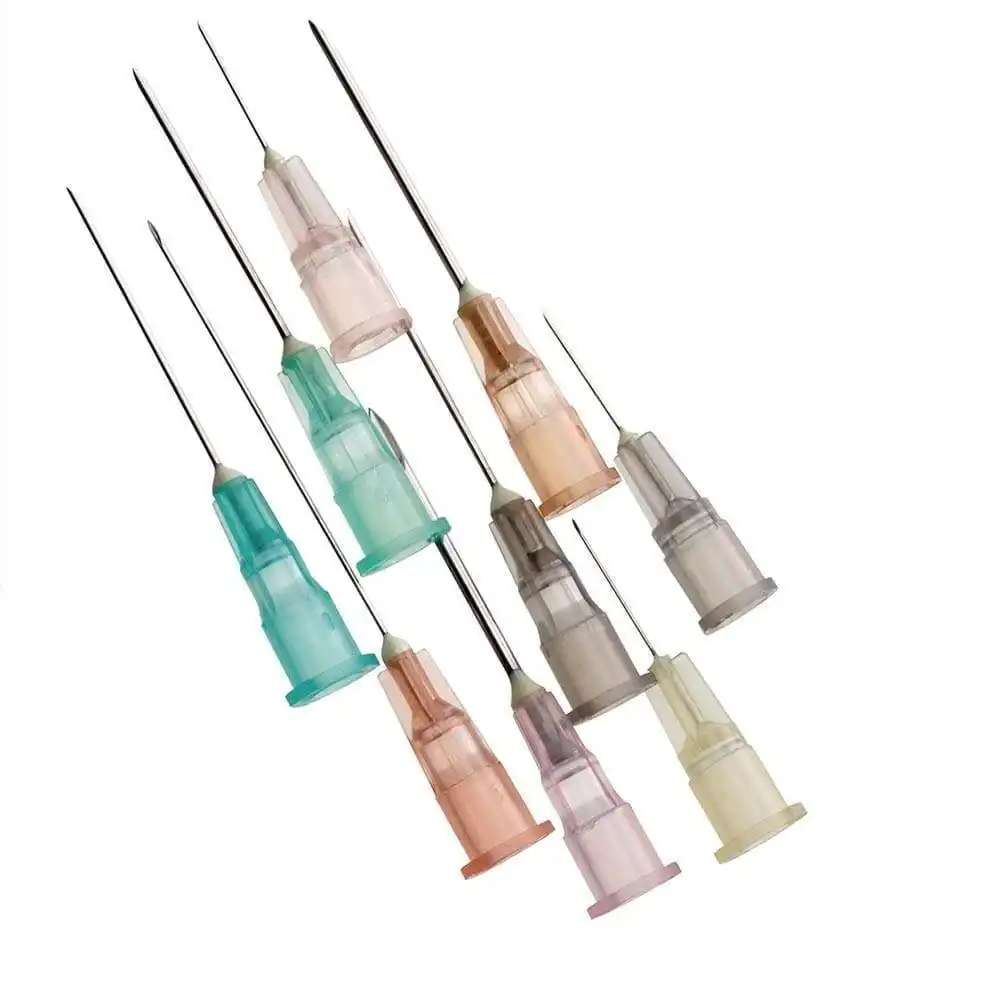
A throwaway needle has three main parts: the cannula (the hollow tube), the hub (the connection point), and the safety cap. The cannula is made of high-quality stainless steel, especially AISI 304 or 316L types, which were chosen because they are very strong and don't rust. The outer width is based on the gauge measurement, which in AVACARE's products ranges from 15G to 31G. Higher numbers mean smaller needles. The lengths range from 13mm to 18mm, which cover a range of injection levels and meet a wide range of clinical needs, from superficial shots into the skin to deeper injections into the muscles.
The material of the hub is also very important for performance stability. Medical-grade polypropylene (PP), which is what AVACARE uses, is long-lasting and works with normal Luer Slip and Luer Lock needles. This makes sure that it works with all current clinical processes, so you don't need to buy any extra adapters or train your staff again.
Material Science Behind Needle Performance
The choice of stainless steel has a huge effect on how well a needle works in real life. When the material goes through the piercing process, it has to stay sharp and not bend when it hits flesh resistance. Putting a medical-grade silicone oil covering on the surface lowers the friction coefficients, which makes insertion easier and less painful for the tissue. The coating application goes through a lot of tests to make sure it spreads evenly and doesn't move around, which keeps the medicine supply from getting messed up.
Another important parameter that affects fluid dynamics is wall thickness. The internal width is bigger than the exterior gauge because of thin-wall technology, which is an important part of AVACARE's design. With this technical method, viscous medicines can run more quickly through a smaller, less invasive needle. Clinical studies have shown that thin-wall needles can cut the time it takes to give a shot by up to 30% compared to regular-wall needles. This is especially helpful when giving high-viscosity biologics or emergency medicines.
Specialized Needle Variants for Diverse Applications
In addition to normal hypodermic needles, there are also specialized versions that are used in certain therapeutic situations. Butterfly needles have bendable tubes and wing-shaped grips that make it easier to puncture veins in people who have trouble doing so. Standard phlebotomy methods are hard to do on kids and older people because they move around a lot or have weak veins. These designs are very helpful in those situations.
The angled tip shape changes how the tissue reacts during entry. Tri-bevel designs, which have three perfectly ground facets, make cutting edges that are very sharp and move tissue around instead of coring it. AVACARE uses advanced sharpening methods that keep the shape of the bevels the same from one production batch to the next. This makes sure that the clinical performance is always reliable. For injections under the skin, short-bevel needles work best, while long-bevel needles are better for deeper shots into muscles and veins.
ISO Color-Coding Standards for Safety
Color-coding the hub according to ISO 6009 standards makes needle gauge sizes easy to see right away. This worldwide standardization cuts down on medical mistakes made when preparing for a procedure, especially in high-stress emergency cases where choosing the right instruments quickly is very important. The clear hub material in AVACARE products lets doctors see blood flashback to make sure they have the right access to a vein and that the needle is in the right place before giving medicine.
Safety and Best Practices in Hypodermic Needle Use and Disposal
Throughout the hypodermic needle lifecycle, patient safety and healthcare workers' safety stay the most important issues. Our dedication to safety goes beyond the quality of our products; it also includes following the right ways to use and throw away these products.
Sterilization Validation and Packaging Integrity
Ethylene oxide (EO) gas sterilization is used by AVACARE. It has been proven to achieve a Sterility Assurance Level (SAL) of 10^-6, which means that possibly less than one in a million units could contain living germs. This way of sterilization works especially well for temperature-sensitive materials like polypropylene hubs, and it can also get through wrapping materials to sterilize the whole device. Before being sent out to stores, each batch of products goes through biological indicator testing to make sure they are properly sterilized.
Individual package packaging keeps needles sterile while they are being stored and shipped, and the caps make it impossible to open. Because of how the packaging is made, it can be opened using aseptic methods that keep the product's clean state during clinical use. As long as the product is stored properly—usually at room temperature, out of direct sunlight, and away from moisture—the packaging will stay intact and the product will stay germ-free.
Handling Techniques to Minimize Risk
Training clinical workers on how to properly handle needles greatly lowers the number of needlestick injuries. When you need to recap a needle, never use the two-handed method. Instead, use one-handed scoop methods or safety-engineered devices. When offered on certain goods, turn on safety features right away after use. Instead of hand-to-hand exchanges, use neutral zones or kidney basins to pass sharp tools. This will cut down on communication problems during surgery.
Compliant Disposal Protocols
To protect people who work with trash and the environment, regulations require specific ways to get rid of used needles. Within easy reach of places where people use needles, sharps bins that meet FDA and OSHA standards must be put in place that can't be punctured. Only fill containers to the marked line, which is usually 75% of their capacity, to avoid overfilling, which raises the risk of needlesticks when the containers are being handled. Medical garbage removal services make sure that devices are properly burned or autoclaved, which kills germs, before they are thrown away in approved facilities.
Comparing Hypodermic Needles: Making the Right Choice for Your Business
When making a procurement choice, you have to weigh a lot of things, like how well the product works in the clinic, how much it costs, and how reliable the supply chain is. We've helped hundreds of healthcare organizations choose the best options for their needs by walking them through this process.
Gauge and Length Selection Criteria
The right size and length parameters are set by clinical application. Vaccination programs usually use 22G to 25G needles of different lengths for different types of patients. For example, shorter needles are used for kids, and longer ones are used for people with higher body mass indexes. 21G needles are often used for blood collection because they mix good flow rates with patient comfort during venipuncture. For accurate placement on the skin, 26G to 30G needles with short bevels are needed for intradermal shots used for allergy tests or tuberculin screening.
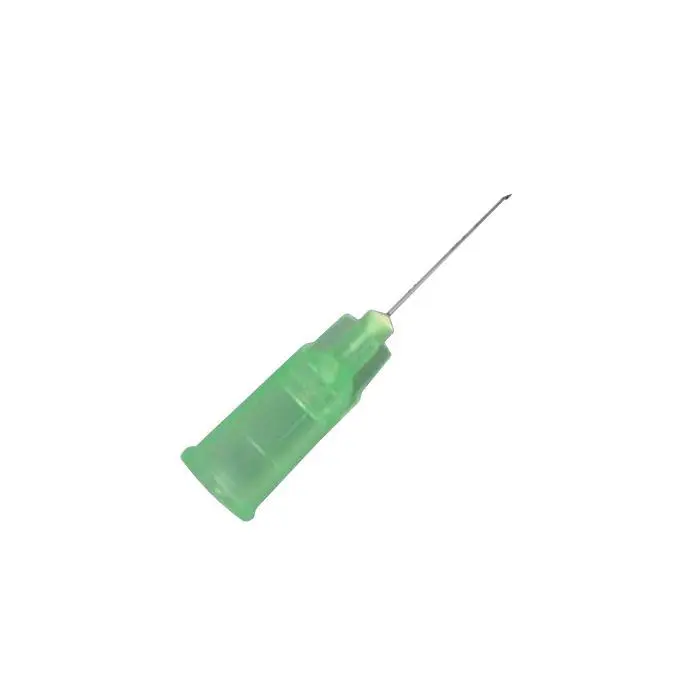
The 15G to 31G range from AVACARE meets the clinical needs of a wide range of medical areas. Larger-gauge hypodermic needles (15G–18G) are used for emergency resuscitation, which needs to give fluids quickly. Finer gauge needles (27G–31G) are used for cosmetic medicine treatments, which need to damage tissue as little as possible to get the best results.
Disposable Versus Reusable Considerations
Modern standards for preventing infections have pushed most healthcare practices toward using needles that are only used once. This change gets rid of the risks of cross-contamination that come with failed cleaning and the costs of labor that come with sterilization procedures. Even though disposables cost more per unit than reuse options, a total cost analysis shows that they save a lot of money because they reduce the risk of illness, remove the need for reprocessing labor, and lower your legal exposure.
Bulk purchasing strategies optimize disposable needle procurement costs without compromising quality standards. AVACARE's minimum order number of 3,000 pieces lets large volume savings happen while still making the product available to mid-sized healthcare centers and distributors. Processing times of 30 to 45 business days allow for inventory planning cycles that keep the right amount of stock on hand without holding too much capital in extra inventory.
Brand Evaluation and Certification Verification
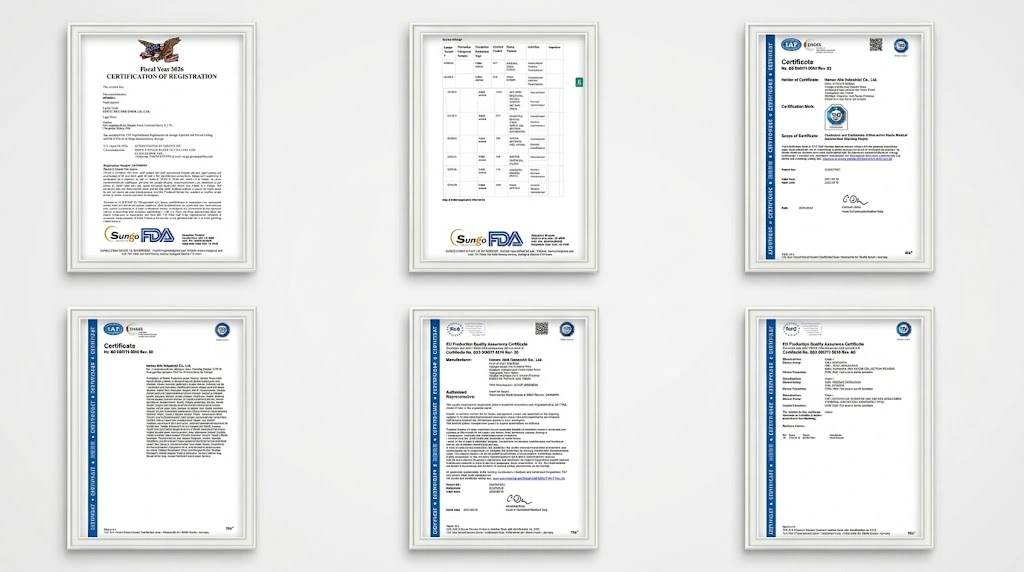
Leading makers set themselves apart with strict quality control methods and certifications from around the world. AVACARE has ISO 13485 certification, which shows that it meets the standards for a medical device quality control system. The CE marking shows that the product meets the rules for medical devices in the European Union, and our production methods meet the FDA quality system rules for the US market.
Performance claims are checked by a third party to make sure they are true and accuracy from batch to batch is maintained. Puncture force testing measures the resistance that is experienced when flesh is penetrated. This measures how sharp something is, which directly affects the patient's comfort. Hub-to-cannula bond strength testing shows that needles can withstand normal clinical forces without coming apart. According to ISO 10993 biocompatibility standards, chemical analysis checks for heavy metal leftovers and substances that can be extracted. This keeps patients from having bad responses to device materials.

Procurement Guide: Buying Hypodermic Needles for B2B Clients
Setting up reliable supply lines for medical supplies and equipment requires careful review of suppliers and strategic buying. Helping foreign wholesalers and healthcare institutions is a great way for us to learn about the best ways to buy things.
Supplier Assessment Criteria
Check the supplier's manufacturing certificates and legal compliance paperwork as the first step in the evaluation process. Ask for copies of ISO 13485 certificates and governmental clearances that are special to the regions where your target markets are located. Audits of manufacturing facilities, whether done by the company itself or by a third-party quality assurance firm, make sure that the work areas are clean and that the quality control methods are in line with the systems that have been written down.
Production potential and the security of the supply chain should be looked into in great detail. Check to see if possible sellers keep enough raw materials on hand to protect against supply problems. AVACARE operates a production center that is 12,000 square meters and has 100,000-grade clean rooms. This gives them the size and quality of space they need to consistently make a lot of products. Our long-term partnerships with material providers and logistics partners allow us to stick to supply dates, even when demand is high.
Strategic Bulk Purchasing Approaches
Making a volume promise can help you get better prices and make sure you have enough supplies for long-term business. Negotiate outline deals that set baseline price structures and planned delivery numbers. This will help you plan your budget and ensure a steady supply of goods. To reach number levels that improve unit economics, you might want to think about combining purchases made at different facilities.
Payment terms have a big effect on how much working cash you need. AVACARE takes both Letter of Credit (L/C) and Telegraphic Transfer (T/T) as payment ways so they can work with a wide range of financial needs and risk management styles. Letter of Credit (L/C) agreements let both parties use a bank to help with payment, which lowers the risk of not getting paid when working with a new source. On the other hand, Telegraphic Transfer (T/T) terms are usually used with established partnerships where trust has been built through past successful transactions.
Customization and Private Labeling Opportunities
With OEM and ODM services, wholesalers can make their own brand-name product lines that set them apart in the market. AVACARE offers private labeling with custom-designed packages, multilingual instructions, and color schemes that are unique to your brand and match your company's image. Distributors building a foothold in regional markets where brand recognition is important for customer trust will find this customization feature very useful.
Samples are available so that clinical tests can be done before full production runs are committed to. Testing samples in real clinical settings verifies their performance and finds any problems with how they work with current methods or tools. Get feedback from nurses, doctors, and techs who will actually be using the hypodermic needle. Their hands-on experience can reveal useful details that specs alone can't show.
Shipping and Import Compliance Considerations
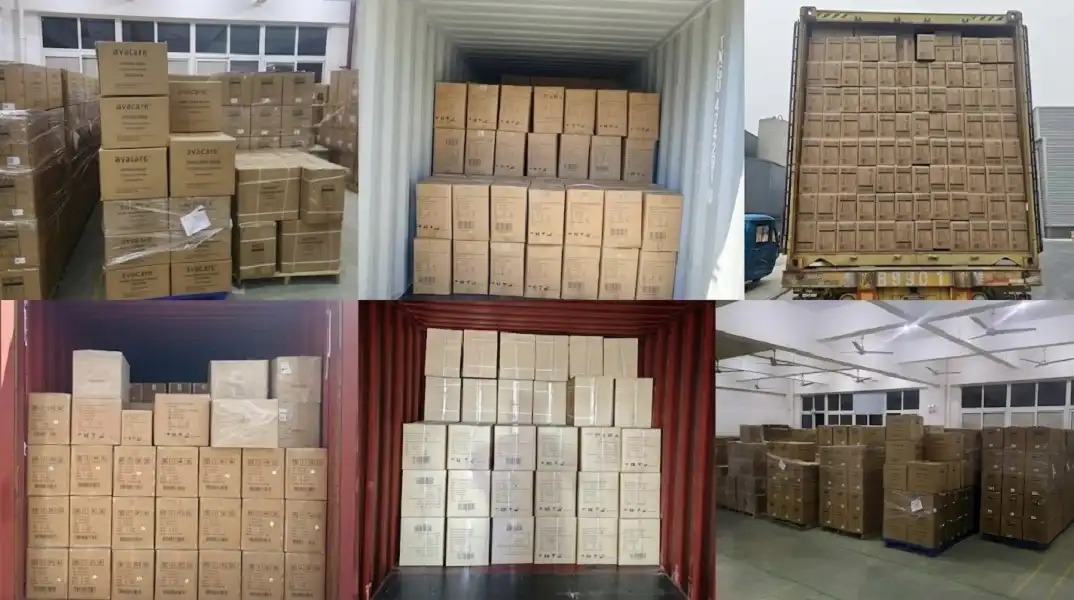
Planning for international logistics needs to take into account legal paperwork, the safety of the packing while in transport, and the steps needed to clear customs. Commercial bills, packing lists, certificates of origin, and regulatory compliance certificates specific to the target country are all examples of proper paperwork. Work with freight forwarders who have shipped medical devices before and know how to handle packages in a way that keeps them from getting damaged.
Transport insurance guards against damage or loss during foreign shipping, taking the financial risk off of your business. Coverage should include the full value of the goods, as well as any costs that come with them, like taxes and freight charges. Make sure that your insurance covers the types of transportation that are used in your supply chain, such as ocean freight, air cargo, or land transportation.
Future Trends and Innovations in Hypodermic Needles
The medical device business is still changing because of new discoveries in materials science, the use of technology, and efforts to be more environmentally friendly. By keeping up with new trends, procurement workers can be ready to use new ideas that give them a competitive edge.
Advanced Materials and Coating Technologies
The goal of research into new covering materials is to lower the entry force even more and make the materials more biocompatible. Hydrophilic coatings that work when they come in touch with tissue fluids could make penetration even smoother than silicone-based choices. Antimicrobial coats with silver nanoparticles or other bacteriostatic agents may lower the risk of infection for indwelling devices, but these new ideas need to be thoroughly tested before they can be regulated.
Smart Technology Integration
The merging of digital health is a new and exciting area of medical equipment. Sensor-equipped hypodermic needles that can find the location of a blood vessel could cut down on failed venipuncture tries. This would be especially helpful for caring for children and the elderly. RFID tags built into packaging make it possible for advanced inventory management systems to keep track of when items go bad, automatically replace them, and make it easier to follow the goods through the supply chain. Because they are expensive, these technologies are only used in a few areas right now. However, economies of scale will make them more widely available over time.
Sustainability and Circular Economy Approaches
As healthcare groups work to meet sustainability goals, environmental concerns are becoming more and more important in the buying decisions they make. Manufacturers are looking into recyclable hub materials and smaller box sizes that can keep things sterile while also cutting down on waste. Take-back programs for used sharps containers help people get rid of them properly and allow materials to be recovered through special recycling methods. Although single-use devices aren't as environmentally friendly as reusable ones, new materials and better ways to handle their end of life are making disposable needles better for the earth.
Conclusion
Patient safety, clinical results, and operating effectiveness are all significantly impacted by hypodermic needle procurement choices. When purchasing managers know about technical details like gauge sizes, wall thickness, material properties, and cleaning validation, they can choose goods that meet strict quality standards while also lowering costs. In addition to price, suppliers must also be judged on their ability to make things, compliance with regulations, and the dependability of their supply chains. Our ISO 13485 and CE certifications, along with our OEM/ODM skills and helpful customer service, make AVACARE a valuable partner for healthcare facilities and wholesalers all over the world. As medical device innovation changes, it offers more improvements in patient comfort, clinical effectiveness, and environmental sustainability. To stay ahead in the healthcare delivery market, suppliers must continue to work with healthcare providers.
Partner With a Trusted Hypodermic Needle Manufacturer
AVACARE has more than ten years of experience making medical supplies and works with healthcare facilities and wholesalers all over the world. Our hypodermic needles are manufactured to the high standards needed in hospital settings, and they are backed by ISO 13485 and CE certifications that show our dedication to quality management excellence. We keep up the production capacity and quality controls needed for a steady supply of big volumes from our 12,000-square-meter building with 100,000-grade cleanrooms.
In addition to production, we offer full help throughout the whole process of purchasing. Our OEM and ODM services let you customize your logos and localize your package, which helps you stand out in the market. Technical training materials, paperwork in multiple languages, and helpful customer service make sure that integrating the product into your operations goes smoothly. Our team is ready to talk about how AVACARE products can meet your needs, whether you work for a hospital network, a distribution company, or a foreign healthcare organization. You can ask for samples or talk to our sourcing experts about your hypodermic needle supply needs by emailing admin@aileindus.com.
FAQ
What makes thin-wall needle technology advantageous for clinical use?
Thin-wall needles have larger internal diameters than their outward gauge measures. This lets much higher flow rates happen without making the needles bigger. This design is especially helpful when giving medicines that are thick, like some antibiotics, immunoglobulins, or biologics, which don't easily flow through standard-wall needles. The bigger bore cuts down on the time it takes to give a shot and the force needed on the syringe plungers. This improves professional efficiency and lowers the risk of drug loss from too much empty space. Patients are less in pain when injections last longer, and doctors' hands don't get as tired during treatments that need more than one administration.
How should healthcare facilities verify needle sterilization integrity?
The main sign of kept sterility is the purity of the packaging. Before using, check plastic packs for tears, holes, or seal separations. Any damage to the package means the device has to be thrown away, even if it's past its expiration date. Make sure that the cleaning lot numbers and expiration dates on the packages are easy to read and match the paperwork. Sterility upkeep is greatly affected by how the needles are stored. Needles should be kept in temperature-controlled areas out of direct sunlight and away from wetness. First-expired-first-out (FEFO) inventory rotation methods should be used by businesses to keep goods from going bad while they're still on the shelves. Inventory checks done on a regular basis find old goods before they get into hospital areas.
What distinguishes human medical-grade needles from veterinary alternatives?
The basic designs of both products are similar, but the quality standards and regulatory routes are very different. According to ISO 10993 guidelines, human medical-grade needles have to go through stricter biocompatibility tests, with lower allowed levels for extractable substances and particulate matter. When medical devices for humans are made, they need higher cleanliness classifications than medical devices for animals. For human uses, documentation and traceability standards are more thorough, which helps with investigating adverse events and recalling products. Procurement teams have to make sure that goods have the right regulatory approvals for the use they are supposed to have. For example, veterinary needles can't legally be used for medical purposes on humans, even if they look a lot alike.
References
1. World Health Organization. (2020). WHO guideline on the use of safety-engineered syringes for intramuscular, intradermal, and subcutaneous injections in health care settings. Geneva: World Health Organization Press.
2. Hogan, M.E., & Smart, J. (2019). Needlestick and sharps injuries among healthcare workers in a teaching hospital. Irish Medical Journal, 112(8), 990-995.
3. Ipp, M., Cohen, E., & Goldbach, M. (2018). Effect of needle gauge on immunogenicity and pain during infant vaccination: randomized controlled trial. Canadian Family Physician, 64(4), e178-e184.
4. International Organization for Standardization. (2016). ISO 7864:2016 Sterile hypodermic needles for single use: Requirements and test methods. Geneva: ISO Standards.
5. Crawford, S.Y., & Narayan, M.C. (2021). Medical device quality systems and regulatory compliance: A practical guide for manufacturers. Pharmaceutical Technology, 45(3), 32-39.
6. Giesen, L.J.X., & Van den Berg, C.B. (2019). Advances in needle coating technology: Impact on patient comfort and clinical outcomes. Journal of Medical Device Technology, 30(2), 44-52.