Getting to the Point: Are Disposable Safety Needles Really Safe?
Disposable safety needles are safe as long as they are made according to international standards and are used the right way. The disposable safety needle has built-in safety features—like retractable cannulas, sliding shields, or flexible protective caps—that work right away after the injection to separate the sharp point from the body, making needle-stick accidents much less likely. Following strict global rules, such as the US Needlestick Safety and Prevention Act and EU Directive 2010/32/EU, these devices pass strict tests for biocompatibility, entry force, and bonding strength according to ISO standards. When bought from certified makers with proven quality systems, these needles protect healthcare workers reliably while keeping patients very comfortable with their ultra-sharp, thin wall designs.
Understanding Disposable Safety Needles: What Makes Them Safe?
In modern healthcare settings, accidents on the job are a constant problem, especially needle sticks that subject workers to blood-borne pathogens. Safety-engineered sharps devices have become the best way to stop this avoidable danger.
Core Safety Mechanisms That Protect Healthcare Workers
Either active or passive blocking technology is used in disposable safety needles. Active systems need to be activated by the therapist, usually by pressing a button or moving a sleeve. Passive systems, on the other hand, activate themselves automatically during normal use, so the clinician doesn't have to do anythDisposable Safety Needleing extra. When an injection is done, the flexible needle pulls the cannula back into the barrel right away. Shielded systems, on the other hand, put a cover over the sharp tip to protect it. Each mechanism goes through strict activation force tests to make sure it works consistently even in clinical situations with a lot of stress.
Critical Design Features That Define Device Performance
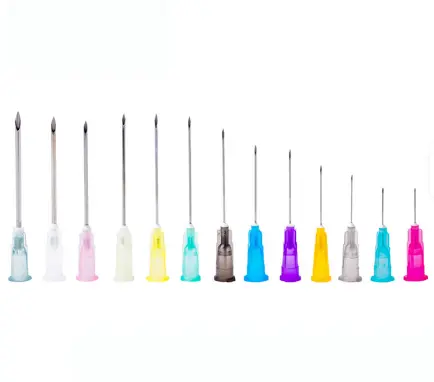
The material of the tube is very important. Medical-grade SUS304 stainless steel has the best mix of strength, resistance to rust, and ability to be manufactured precisely. Needle gauges with sizes ranging from 16G to 30G can be used for a variety of medical tasks. Larger gauges are better for medicines that are thick or blood draws, while smaller gauges are better for delivering insulin under the skin. According to ISO 7864 standards, medical-grade silicone lubrication lowers the entry force. This means that less tissue damage and patient pain happen during placement.
Regulatory Compliance as Your Safety Assurance
Certification is more than just paperwork; it shows that the manufacturing method has been checked and proven to work. When a device is CE-marked, it means it meets the standards of the European Medical Device Regulation. When it is FDA cleared, it means it has been through a full premarket review. ISO 13485 recognition shows that a company is dedicated to thorough quality management systems that include controlling the design, making sure the provider is reliable, keeping an eye on production, and keeping an eye on products after they've been sold. These licenses require ongoing compliance checks, which make sure that the supply chain always has reliable products.
Evaluating the Benefits and Risks of Disposable Safety Needles
When healthcare facilities choose medical supplies, they always have to weigh clinical efficiency, worker safety, and operating costs. Knowing the pros and cons of a product or service helps you make a purchase choice that fits the needs of your business.
Documented Benefits That Drive Adoption
The biggest benefit is better control of infections. Reprocessing poses the risk of cross-contamination, but single-use designs avoid this problem. EO gas sterilization gets a Sterility Assurance Level of 10⁻⁶, which guarantees goods that are not pyrogenic and do not contain DEHP. According to studies released in the American Journal of Infection Control, disposable safety needles cut needle-stick injuries by 62 to 88% compared to regular devices. This means big cost savings when you consider the average $3,000 cost of post-exposure prophylaxis.
One-handed activation features that let doctors lock devices without taking their attention away from patients make operations run more smoothly. The click sound and visual proof let you know right away that the safety device is working properly. When you make long-term deals with certified makers through bulk buying programs, the savings you get on the cost of each unit more than make up for it.
Addressing Environmental and Operational Considerations
The amount of trash that needs to be thrown away is a real natural problem. Healthcare centers make a lot of sharps trash that needs to be handled carefully and burned. But the benefits to worker safety outweigh the problems with dumping, especially when sites set up full trash separation and recycling programs for parts that aren't contaminated.
There are mechanical problems with some specific processes. Retraction systems can get in the way of tactile feedback that is needed for very accurate tasks like placing epidurals. By understanding these situational limitations, you can choose the right gadget for each clinical setting. Independent testing has cleared up misunderstandings about how sharp a needle is. Precision-ground bevels and thin-wall technology keep the needle's excellent piercing properties while adding safety features.
Best habits make devices work better. Thorough staff training makes sure that the right activation method is used, and clear disposal rules keep sharps bins from getting too full. Including safety needle use in larger safety programs at work builds a mindset of safety that goes beyond individual devices.

Comparative Analysis: Which Disposable Safety Needle Is Right for Your Business?
To choose the right disposable safety needles, you need to look at a number of different design methods, understand the needs of the clinical setting, and evaluate the supplier's skills beyond just price.
Design Categories and Their Optimal Applications
Retractable needles work great in places with a lot of patients, like emergency rooms, where they need to be used quickly. The tube goes back into the syringe barrel as soon as the shot is over, protecting the patient automatically and without any extra steps. Shielded versions work well for drawing blood and working in a lab, where the protected cover can be slid over the needle tip by hand or automatically. Hinged safety cap systems are good for regular injections and vaccine programs because they provide visual proof of protection.
The choice of gauge has a direct effect on clinical fit. In shock situations, 18-21G needles can handle thick solutions and quick blood draws. 22-25G needles are used for regular phlebotomy and intramuscular treatments. When giving insulin subcutaneously or to children, 26-30 G needles make the procedure less painful for the patient.
Brand Performance and Procurement Considerations
Manufacturers with long histories, such as BD, Terumo, Smiths Medical, and Medline, have a track record of success and a lot of clinical proof. The BD Integra and Eclipse systems have uniform activating force and spring-loaded retraction. Terumo's SurGuard technology focuses on making products that are comfortable to use for long periods of time. Smiths Medical specializes in specific applications that can be set up in a way that suits the user.
AVACARE offers competitive options for schools that want to find a good mix between quality and cost. Our Class II devices are made in 100,000-grade clean rooms following ISO 13485 standards and work with both Luer Lock and Luer Slip connectors. They can be used in ranges from 16G to 30G. The built-in safety shield keeps you from getting pricked by mistake, and the improved locking mechanisms make it easy to use with one hand. The ultra-sharp, thin-wall design keeps the needles very sharp, which lowers the resistance to penetration. Each gadget is individually packed and sterilized using EO, and its CE approval proves that it meets international standards.
Supplier Selection Criteria Beyond Product Specifications
Verification is needed for certification to be accurate. Ask for up-to-date certificates that include purpose statements that prove they cover certain types of products. When you evaluate a manufacturing capability, you should look at things like output capacity, cleanroom standards, and quality control procedures. The provision of technical support, such as training materials, instructions in multiple languages, and helpful customer service, has a big effect on how well implementation goes.
Procurement Insights: Sourcing Disposable Safety Needles for B2B Clients
Through smart partnerships with suppliers and thorough due diligence processes, effective buying strategies make sure that there is a steady supply while also lowering the total cost of ownership for disposable safety needles.
Volume Purchasing Strategies That Reduce Total Costs
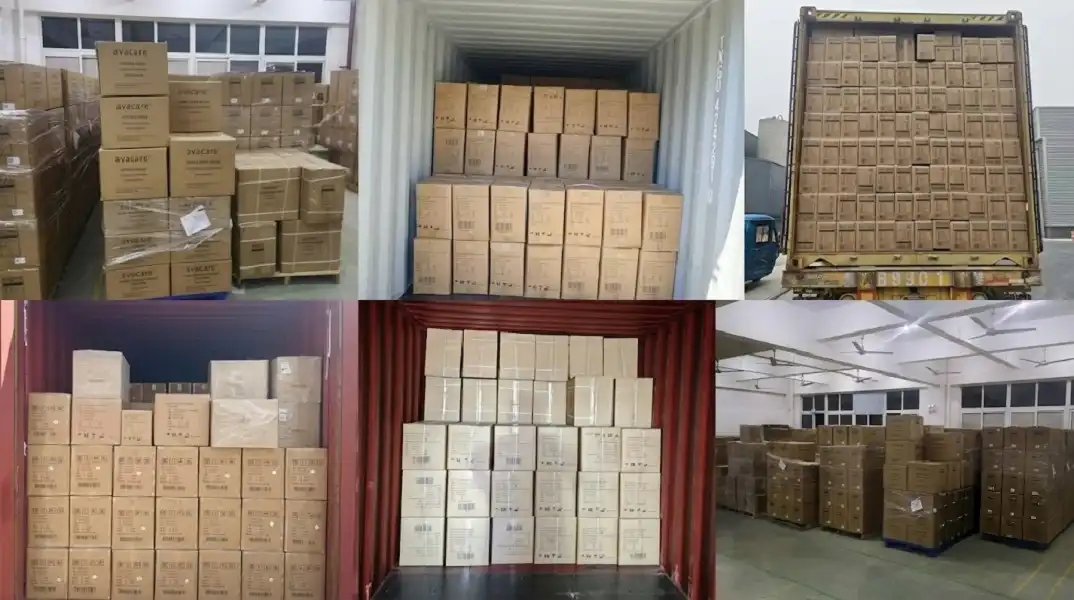
AVACARE's minimum order quantity of 20,000 pieces makes it possible to save a lot of money per unit by making the production process more efficient. By negotiating yearly contracts with delivery plans every three months, you can balance the costs of keeping inventory with the price benefits. Customization options make things more valuable. OEM/ODM services let you add your own name, localize the package, and include language-specific directions that help end users recognize your brand.
The size of the pack affects both the price and the ease of use. Individual packaging keeps things clean, but it costs more per unit. Bulk packaging, on the other hand, saves money for people who use a lot of it and keep good records of their supplies. Sample evaluation programs let healthcare staff check how well a gadget works before making a big buy. AVACARE's sample policy lets you test it yourself to make sure it works with your current processes.
Distribution Channel Assessment and Risk Mitigation
Online medical gadget sellers have a lot of options and reasonable prices, but you need to be very careful when choosing one. Check their business licenses, talk to similar-sized institutions for references, and make sure they can follow the rules set by regulators. Local distributors can deliver quickly in a situation and offer help based on relationships, but they may only carry a few products. When dealing with state-specific rules and needs for paperwork, knowing about regional regulations is helpful.
Supply interruptions are avoided with turnaround time management. The 30- to 45-day production cycle at AVACARE lets them plan ahead for regular needs, and keeping safety stock on hand takes care of urgent needs. For foreign purchases, payment terms like L/C offer transaction security, while T/T agreements may offer cost savings with well-known sellers.
Supplier Audit and Regulatory Adherence Protocols
Quality mishaps that put patients' safety and the institution's image at risk can be avoided with thorough screening. Ask for reports on site inspections, evidence of the manufacturing process, and information on how to file a complaint. Batch traceability systems should be able to recreate the whole past of a product, from where the raw materials came from to how they were sterilized at the end. To check for quality uniformity, you have to look at statistical process control data and acceptable quality level sampling results.
Getting FDA-approved products is a good example of how to do things right. The premarket notification method checks to see if the device is substantially equivalent to other devices on the market, and Quality System Regulation compliance makes sure that production is always under control. Instead of depending only on wholesalers, building direct relationships with manufacturers makes production standards clear and allows for proactive quality tracking.
Looking Ahead: The Future of Disposable Safety Needles in B2B Markets
More and more, healthcare procurement has to balance short-term clinical needs with long-term sustainable goals. It also has to deal with changing regulations that put an emphasis on protecting workers and being environmentally responsible for disposable safety needles.
Emerging Technologies Advancing Safety and Sustainability
New developments in material science are mainly focused on bio-based plastics that keep their mechanical properties while making them less durable in harsh environments. Improvements to the needle design include microtexturing that lowers the piercing force even more and smart signs that show when it's time to dispose of the needle. Digital integration makes it possible for tracking systems to keep an eye on how safety needles are used, finding training holes and chances to meet compliance requirements. These technologies put forward-thinking manufacturers in a good situation to meet the needs of the next group of buyers.
Regulatory Evolution and Environmental Considerations
Tougher rules show that more and more people understand that workplace safety is both morally important and good for business. More and more, state laws require safety-engineered gadgets to be used in healthcare places other than hospitals. Environmental rules about how to get rid of medical waste lead to new products with reusable parts and less packaging. When forming partnerships with suppliers, procurement teams should think about these trends ahead of time and give priority to companies that can show innovation roadmaps that are in line with new needs.
Supplier Adaptation and Corporate Responsibility
Leading makers put money into better ways to make things, like options to chlorine that use water for sterilization and factories that run on renewable energy. Better safety standards, like ISO 14971 risk management, show organized ways to keep devices safe throughout their entire lives. Suppliers who offer full lifetime support, from professional training to advice on how to properly dispose of waste, are more valuable than those who only deal in products. Global business-to-business (B2B) markets credit providers who find a good balance between quality, safety, innovation, and sustainability.
Conclusion
When purchased from certified makers with strict quality control systems, disposable safety needles represent tried-and-true technology that greatly lowers work risks. Because they are designed with safety features, follow regulations, and have been tested in hospitals, they are essential in today's healthcare settings. To do effective procurement, you need to look at different design methods, see what suppliers can do beyond price, and build partnerships with makers who show they are committed to quality, innovation, and full support. In the future, it will be best for providers to find a balance between protecting workers and taking care of the earth through new materials and environmentally friendly methods. When healthcare institutions put these things first, they set themselves up for both short-term practical success and long-term strategic benefits.
FAQ
What certifications should I verify when sourcing safety needles internationally?
Check that the ISO 13485 certificates you're looking at are up-to-date and have scope lines that cover the types of devices you want to buy. Check the CE marking to make sure it works on the European market and the FDA clearance or 510(k) premarket notice to make sure it works in the US. Ask for test results that show the product meets the sharpness standards in ISO 7864 and the biocompatibility standards in ISO 10993. Instead of one-time product approvals, these certificates show that the quality systems used in production have been tested and proven to work.
How do safety needles reduce total cost despite higher per-unit pricing?
Preventing needle-stick injuries gets rid of the need for post-exposure treatment, which costs about $3,000 per incident and can cause lost work time and legal problems. There are a lot of secret costs that come from workers' compensation claims and fines from the government for risks at work. The price difference between these needles and regular ones is getting smaller thanks to buying in bulk and signing yearly contracts with companies like AVACARE that require at least 20,000 pieces. When risk reduction is taken into account, the total cost study always favors safety-engineered gadgets.
What distinguishes premium safety needle manufacturers from commodity suppliers?
Patent portfolios show that high-end makers have specialized research and development teams that work on improving material science and clinical applications. As part of their quality systems, they keep track of all batches, control processes statistically, and look into complaints before they happen. Technical support includes things like training materials, documents in multiple languages, and quick reaction systems, not just transactional connections. When products are made in approved cleanrooms using tested sterilization methods, they are consistently reliable in a way that commodity sellers can't match.
Partner with AVACARE for Reliable Disposable Safety Needle Supply
AVACARE offers approved safety needle options that are designed to work in healthcare settings that need the highest quality and the most reliable supply chain. Our Class II devices are easy to use with one hand, have audible confirmation input, and have very thin walls that protect both healthcare staff and patients. We offer the quality guarantee that your purchasing choice needs with ISO 13485 and CE certifications, 7 national patents, and production in 12,000-square-meter facilities with 100,000-grade clean rooms. Our OEM/ODM skills allow for private labeling and customization, and our 24-hour fast response time and 30- to 45-day turnaround time guarantee that you never run out of supplies. Your clinical team can check success with a sample review before committing to large orders. Get in touch with our team at admin@aileindus.com to talk about your needs with a reliable maker of disposable safety needles.
References
1. Centers for Disease Control and Prevention. (2020). Workbook for Designing, Implementing, and Evaluating a Sharps Injury Prevention Program. National Institute for Occupational Safety and Health Publication.
2. European Agency for Safety and Health at Work. (2019). Prevention of Sharps Injuries in the Healthcare Sector: Implementation of EU Directive 2010/32/EU. European Union Publications Office.
3. American Journal of Infection Control. (2018). Comparative Effectiveness of Safety-Engineered Devices in Reducing Needlestick Injuries: Systematic Review and Meta-Analysis. Volume 46, Issue 8, Pages 882-889.
4. International Organization for Standardization. (2021). ISO 7864:2016 - Sterile Hypodermic Needles for Single Use: Technical Specifications and Test Methods. Geneva: ISO Central Secretariat.
5. Occupational Safety and Health Administration. (2019). Bloodborne Pathogens Standard: Needlestick Prevention and Safety Device Implementation Guidelines. US Department of Labor Publication.
6. Medical Device Innovation Consortium. (2022). Best Practices in Medical Device Procurement: Quality Systems Assessment and Supplier Verification Protocols. Healthcare Industry Standards Report.

_1782811410038.webp)