The Best Practices Related to Using Insulin Pen Needles
Understanding that a disposable insulin pen needle is a clean, precisely made medical device designed only for single-use subcutaneous insulin delivery is the first step in implementing best practices for disposable insulin pen needle use. These medical parts connect insulin pens to patient care, making sure that the right dose is given and lowering the risks of needle reuse, such as lipohypertrophy, infection transfer, and decreased drug flow. Healthcare institutions can protect patient results while keeping operations running smoothly by following set rules for things like the right way to give injections, how to store medications properly, and how to properly get rid of them. When purchasing teams choose quality-certified goods from reputable companies, they build a base for long-term clinical success and patient satisfaction in a wide range of care situations.
Understanding Disposable Insulin Pen Needles: Types, Sizes, and Safety
Core Features That Define Quality Insulin Pen Needles
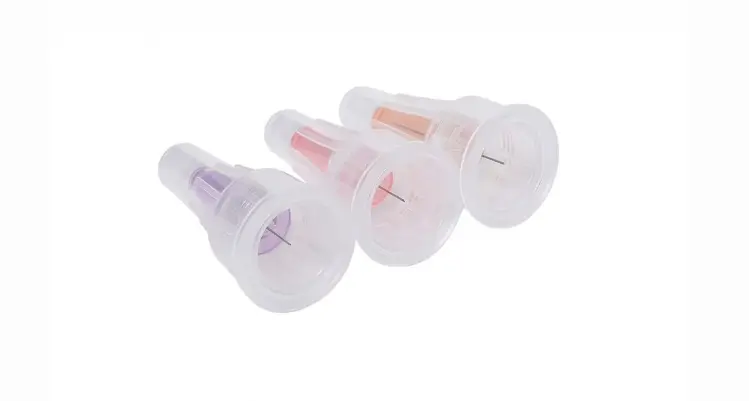
Modern disposable insulin pen needles are a big step forward in the technology used to treat diabetes. These devices are made from medical-grade AISI 304 stainless steel and have lancet tips with three or five bevels that are covered with medical-grade silicone lube to protect the tissue while they are being inserted. The universal screw-on hub design makes it compatible with the most popular insulin pen brands around the world. This makes buying insulin pens easier for healthcare buyers who have to manage a wide range of tools.
Gauge and Length Specifications for Clinical Applications
The needle gauge is the outside width. It usually ranges from 29G to 34G, with higher numbers indicating smaller needles. Length choices range from 4mm to 12mm, so they can be tailored to each patient's body type and the needs of the injection spot. Ultra-fine 32G and 34G needles are used for kids and older people with sensitive skin or less fat tissue. 4mm and 5mm small needles keep people with a lower body mass index from accidentally injecting themselves into their muscles. Thin Wall (TW) and Extra Thin Wall (ETW) technologies increase the inner diameter without increasing the outer gauge. This makes sure that medications are delivered quickly, even through fine needles, which is important in healthcare settings where injection speed affects the number of patients seen.
Safety Standards and Sterilization Protocols
Quality control starts with the producing process. EO treatment keeps a 10⁻⁶ Sterility Assurance Level according to ISO 11135, which means that transport methods are guaranteed to be free of pyrogens and not harmful. The performance and size limits are set by ISO 11608-2 compliance, and the CE and ISO13485 certifications show that the company follows international quality management systems. AVACARE brand goods go through several steps of inspections, such as testing for penetration force, verifying bond strength, checking patency, and analyzing surface integrity using high-resolution microscopy to find any metal pieces or burrs that could put patient safety at risk.
Best Practices for Using Disposable Insulin Pen Needles
Preparation and Injection Technique Protocol
To use it correctly, wash your hands well with soap and water or an alcohol-based hand cleaner. Before opening the needle package, healthcare workers should make sure it is still sealed properly. The needle should then be attached to the insulin pen by aligning the screw threads and turning clockwise until it is securely in place. By entering two units and hitting the injection button, you can do an "air shot," which makes sure the medicine flows and gets rid of any air bubbles that could affect the accuracy of the dose. To keep lipohypertrophy from happening, injection sites should be switched between the upper arms, legs, belly, and thighs. Each site should only be used once every four weeks.
Injection Execution and Post-Administration Care
Skin preparation varies by school, but new research shows that people who take good care of their own hygiene may not need to be swabbed with alcohol. For people with little fat under the skin, pinching it makes a subcutaneous pocket. For people with more fat, they can inject at 90-degree angles without pinching. Maintaining needle insertion for 5–10 seconds after drug delivery stops medication leaks. This is especially important for larger doses. Taking out the needle right away and putting it in a sharps container that can't be punctured ends the safe injection cycle. This keeps people from getting needlestick injuries and increases the risk of cross-contamination in clinical settings.
Storage and Inventory Management Guidelines
Needles that haven't been opened should be kept in climate-controlled spaces between 15°C and 25°C (59°F and 77°F), out of direct sunlight and away from wetness, which could damage the packing. When healthcare facilities handle a lot of goods, they need rotation systems that follow the "first-expire, first-out" rule. They also need batch tracking systems that make it easy to quickly coordinate recalls if quality issues arise. AVACARE includes full batch paperwork and certificates of analysis with every package. This helps hospital quality control officers keep the long-term records of products that are required by regulations.
For B2B clients, these organizational best practices directly lead to results that can be measured. When healthcare facilities use standard guidelines for needle usage, infection rates go down, patient comfort scores go up, and medicine waste goes down. All of these things improve the facility's image and lower its costs.
Choosing the Right Insulin Pen Needle for Your Clients
Evaluating Needle Specifications Against Patient Demographics
Decisions about procurement should be based on the traits of the patient group. Pediatric care centers can use 32G or 34G needles that are 4 mm long to make injections easier for kids and make sure they are delivered properly under the skin. Bariatric patients may need longer 8mm or 12mm needles to reach enough fat tissue, but doctors are increasingly preferring shorter needles that are used correctly, no matter what body type the patient has. Endocrinology departments and clinical leaders should work together to look over injection site reaction reports and make changes to the needle specs based on patterns of bleeding, bruising, or patient discomfort.
Cost-Benefit Analysis for Disposable Versus Reusable Options
On the surface, reused needle systems look like they are a good deal, but a full financial study shows that they actually have hidden costs. For reusable needles to work, you need a system for sterilization, training for your staff, and strict upkeep plans. These costs add up over the lifecycle of the product. Disposable systems get rid of these extra costs while offering better infection control, which is very important in hospital settings with a lot of patients. When purchasing managers add up the total cost of ownership, which includes labor, equipment upkeep, and reducing risk, disposable insulin pen needles show a good return on investment, especially for hospitals that put patient safety and ease of use first.
Supplier Credential Validation and Quality Assurance
Manufacturers with a good reputation keep clear records of their quality control systems. Procurement teams should check that the seller has ISO 13485 certification, ask for certificates of analysis for sampling samples from different lots, and make sure that the supplier is following the rules for FDA registration that medical device businesses need to follow. AVACARE has a production center that is 12,000 square meters and has 100,000-class cleanrooms. The company's research and development teams have seven national patents for new needle designs. This production infrastructure supports reliable supply chains and regular quality output, which are important for hospital and clinic chains that need to keep their inventory on hand at all times.
Certifications are only one part of evaluating a supplier; service skills are also taken into account. Technical training programs, product documents in multiple languages, and 24-hour quick response systems are some of the things that set apart sellers who can handle complicated buying relationships. OEM and ODM features allow for private labeling and customized packaging, which is helpful for international healthcare companies that want to standardize product lines across regional sites while still using localized branding strategies.
Benefits and Challenges of Using Disposable Insulin Pen NeedlesClinical Advantages Driving Healthcare Adoption
Diabetes control results are significantly improved by disposable insulin pen needles. Cross-contamination risks still exist even with systems that can be used more than once, but single-use compliance gets rid of them. This lowers the rates of healthcare-associated infections shown in peer-reviewed clinical studies. Ultra-fine scales and precision-beveled tips in painless injection technology make patients much more likely to stick with their treatment plans. This is important because diabetes care research shows that injection fear is a major reason why 20–30% of insulin-dependent patients don't follow their plans.
Addressing Implementation Challenges Through Education
A common worry in buying is whether fine-gauge needles hurt the effectiveness of injections. Enhanced flow rate technology answers this question. Thin Wall innovations make the inner lumen diameter bigger without making the outer gauge bigger. This keeps the fast medication delivery that is needed in hospital processes with limited time. Color-coded cap systems make it easy to find the right size quickly when giving a lot of doses at once. This cuts down on selection mistakes that could affect the accuracy of dosing. When these user-centered design features are put into practice, they make it easier for nurses to take care of multiple patients with different needle needs.
A small number of injections cause reactions at the injection site, such as minor bruises, temporary soreness, or subcutaneous bleeding. These reactions are usually caused by bad technique, not problems with the product itself. These problems can be solved by giving staff a lot of training that focuses on the injection angle, site rotation, and when to remove the needle. Within three months of starting organized education programs, healthcare facilities that use them report big drops in patient complaints and tracking of adverse events.
Large hospital networks' procurement case studies show that better results come from ties with suppliers that go beyond business relationships. When facilities work with makers who offer on-site clinical training, demonstration videos, and ongoing technical advice, staff skills improve faster and patients are happier. AVACARE offers full support throughout the entire lifetime of a product, including professional technical training modules that are customized to meet the needs of each school. This makes sure that needle systems can be easily integrated into current diabetes management workflows.
Procurement Strategies for Disposable Insulin Pen Needles
Sourcing Channels and Volume Optimization
Finding purchase outlets that work with your organization's size and buying power is the first step to efficient procurement. Large hospital systems benefit from having direct ties with manufacturers because they can discuss prices, change the way products are packaged, and be sure that supplies will be distributed even when there are shortages. Medical device distributors work with mid-sized clinic chains that need to place smaller orders. However, procurement managers should check with the maker that the distributor is authorized and that the product is real. Group purchasing organizations (GPOs) are often used by international organizations to combine demand from all of their member sites. This helps them get big discounts while keeping a variety of suppliers on hand to reduce risk.
Minimum order amounts are a key point of discussion. AVACARE sets a minimum order size of 20,000 pieces for customized orders that meet OEM/ODM needs. Samples can be sent upon request to test the product before committing to the full-scale order. With this method, buying teams can do thorough performance reviews and collect feedback from healthcare staff without having to risk a lot of money.
Contract Terms Supporting Supply Chain Stability
Long-term supply deals should include language about how accurate forecasts should be, how to handle emergency orders, and price stable promises for 12 to 24 months. Lead time guarantees—usually 30 to 45 days for normal configurations—require estimates of buffer stock that take into account changes in demand and possible transportation problems. T/T (Telegraphic Transfer) or L/C (Letter of Credit) choices are common payment terms that balance managing cash flow with keeping good relationships with suppliers. L/C offers transaction security, which is especially useful for cross-border purchasing relationships.
Healthcare institutions are protected from batch quality deviations by quality assurance terms that set acceptance sampling processes, defect rate levels, and reaction times for corrective actions. As part of procurement contracts, suppliers should be required to keep up-to-date with thorough batch tracking systems. This way, if quality problems are found after the product has been sold, affected inventory can be quickly found. These contractual protections are in line with healthcare organizations' "zero tolerance" policy for product quality events. They help with both patient safety goals and meeting regulatory requirements.
Conclusion
The best way to use a disposable insulin pen needle is to carefully choose the right product and follow the steps exactly as they are written. This creates a complete plan for diabetes care that meets both patient needs and business goals. When healthcare procurement experts look at needle specs, they should make sure that the gauge and length match the needs of the patient, that the seller has the right credentials, and that the service ecosystem can do more than just send the product. The success of the implementation relies on how well the staff is trained to use the right techniques, how well the institution's rules are followed for storage and disposal, and how well the seller partnerships provide ongoing technical support. When companies include these things in their purchasing plans, they get long-lasting changes in patient outcomes, cost savings, and the reliability of their supply chains. These are the qualities that make modern diabetes treatment great.
FAQ
What needle gauge should we specify for adult patients with average body composition?
The best results are seen in adults with a normal body mass index (18.5-24.9) who use 31G or 32G needles that are 4mm to 6mm long. These standards make sure that subcutaneous delivery works well and causes as little tissue damage as possible to the patient. More and more clinical data supports shorter needles, no matter what body type, as long as the right injection method is used. This means that 4mm needles are good for most adult populations.
How do we ensure compliant disposal across multiple facility locations?
Set up standard procedures for placing sharps containers at all injection sites. The containers should be placed at a height that makes them easy for clinical staff to reach without having to bend over, which could lead to needlestick accidents. Partner with qualified medical waste management services that offer regular pickup plans, transportation records, and final disposal certifications that meet EPA and state rules. During training, staff should be told to throw away items right away after using them instead of putting them away temporarily in bags or on work tables.
Can disposable insulin pen needles accommodate patients with latex allergies?
Good disposable insulin pen needles are made from materials that don't contain latex, so people who are allergic won't have to worry about getting an allergic response. AVACARE products are made without latex or pyrogens, and the material specs are written down in records of analysis that can be reviewed by institutions. During the seller approval process, procurement teams should check to see if the product is latex-free and keep this information in product master files that clinical staff handling allergy guidelines can access.
Partner With AVACARE for Your Insulin Pen Needle Supply
Through an effective relationship with AVACARE, healthcare institutions looking for a reliable disposable insulin pen needle manufacturer can improve the results of their purchases. Our factory is approved by CE and ISO13485 to make high-quality needles with painless injection technology, global compatibility, and higher flow rates that meet basic therapeutic needs. We offer OEM and ODM services that let you make solutions that are unique to your needs. These services include private labeling, localized packing, and product standards that are based on the needs of your patients.
Our clear ordering process, clear wait times (30–45 days), flexible payment terms (T/T and L/C allowed), and sample availability for testing before committing to a large order are all benefits for procurement managers. Our 24-hour quick response system makes sure that technical questions get answered right away by an expert, and our extensive training materials speed up the development of staff skills. You can email our buying experts at admin@aileindus.com to talk about volume prices, get product samples, or find out how our full-lifecycle support model can help your diabetes care supply chain. We turn ties with suppliers into strategic partnerships that improve patient outcomes and business efficiency in a way that can be measured.
References
1. American Diabetes Association. (2023). Standards of Medical Care in Diabetes—Injection Technique and Device Selection. Diabetes Care, 46(Supplement 1), S123-S135.
2. Frid, A.H., Kreugel, G., Grassi, G., Halimi, S., Hicks, D., Hirsch, L.J., Smith, M.J., Wellhoener, R., Bode, B.W., Hirsch, I.B., Kalra, S., Ji, L., & Strauss, K.W. (2016). New Insulin Delivery Recommendations. Mayo Clinic Proceedings, 91(9), 1231-1255.
3. International Organization for Standardization. (2022). ISO 11608-2:2022 Needle-based injection systems for medical use—Requirements and test methods—Part 2: Needles. Geneva: ISO.
4. Hirsch, L.J., Byron, K.J., & Gibney, M.A. (2014). Intramuscular Risk at Insulin Injection Sites—Measurement of the Distance from Skin to Muscle and Rationale for Shorter-Length Needles for Subcutaneous Insulin Therapy. Diabetes Technology & Therapeutics, 16(12), 867-873.
5. Spollett, G., Edelman, S.V., Mehner, P., Walter, C., & Penfornis, A. (2016). Improvement of Insulin Injection Technique: Examination of Current Issues and Recommendations. Diabetes Educator, 42(4), 379-394.
6. U.S. Food and Drug Administration. (2021). Medical Device Quality Systems Manual: A Small Entity Compliance Guide. Silver Spring, MD: FDA Center for Devices and Radiological Health.

_1782811410038.webp)