How Safe Are Disposable Insulin Pen Needles?
When made with strict quality standards and used properly, disposable insulin pen needles are exceptionally safe. Because they are designed to be single-use, clean medical devices, they reduce the risk of infection through EO gas sterilization and get rid of the problems that come with reusing needles. Ultra-fine sizes (range from 29G to 34G) and precision-beveled tips on modern needles make tissue damage and injection pain less severe. Strict production processes that are in line with ISO 11608-2 and ISO 13485 standards make delivery systems even safer by making sure they don't contain any pyrogens or latex. When purchasing teams only work with certified sellers and healthcare professionals follow the right injection practices, these devices always make giving insulin safe and comfortable in both clinical and home care settings.
Understanding Disposable Insulin Pen Needles and Their Safety
What Makes These Needles a Critical Component in Diabetes Care
Disposable insulin pen needles are a big step forward in subcutaneous insulin delivery. They solve a number of clinical problems that were putting patients' safety and comfort at risk in the past. These precision-engineered tools are made from medical-grade AISI 304 stainless steel and have lancet tips with three or five bevels that make it easy to penetrate the skin with little pain. The one-time use design gets rid of the risk of lipohypertrophy, which happens when the same needle is inserted over and over again and can make it harder for insulin to work and glucose levels to stay under control.
Key Safety Features That Protect Patients and Providers
Modern disposable insulin pen needles have several layers of safety features that directly address safety issues in healthcare. Ethylene oxide treatment is used on each needle. This is a proven method that gets a sterility assurance level of 10⁻⁶, which means that the chance of a non-sterile unit is less than one in a million. The individual package keeps the items clean until they are used, which keeps the surroundings clean while they are being stored and shipped.
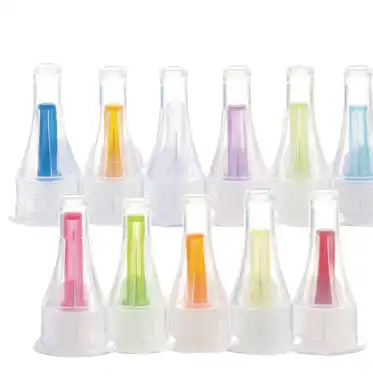
These safety standards are met by AVACARE's Disposable Insulin Pen Needles, which have many safety features. These needles come in 0.3 mL, 0.5 mL, and 1 mL sizes and can handle gauges up to 34G. They use thin-wall technology, which makes the inner circle bigger while keeping the outside measurements very small. This engineering makes sure that insulin flows quickly without needing too much force during injection, which is very important for older patients or people whose hands aren't as strong. The color-coded cap system makes it easy to find the right size needle, which is especially helpful in busy hospital settings.
Understanding Potential Risks and How Design Mitigates Them
Disposable insulin pen needles are safe by nature, but knowing what problems could happen helps buyers make smart choices. People who are sensitive to latex may experience skin irritation, but this risk is greatly decreased by the medical-grade silicone layer and latex-free construction. There is almost no chance of getting an infection if needles are used as directed (only once) and thrown away right after a shot.
Needle-stick accidents are the most common type of work injury for healthcare workers. Good makers deal with this by making hubs that securely connect to pen devices and let you take them off safely after use. The screw-on mechanism on AVACARE makes sure that the connection stays stable during injection and that it can be safely detached. The universal threading design that works with all of the major insulin pen brands in the world eliminates the need for multiple product types, which makes training easier and inventory management easier.
How to Ensure Safe Use of Disposable Insulin Pen Needles
Preparation Steps That Prevent Contamination
Safe ways to give injections start before the needle touches the skin. Both healthcare professionals and patients should wash their hands well with soap and water, and then they should look inside the sealed needle package for any signs of damage or theft. Good products, like those from AVACARE, come in paper-and-plastic packages with clear windows that let you see that the needle is still in good shape before you open it. As soon as the package is opened, the needle should be screwed onto the insulin pen using the hub. This makes sure that there is a strong link that stops insulin from leaking during dose delivery.
Doing an "air shot," which means setting a small dose and letting it flow into the air before injecting, makes sure that the insulin runs easily through the needle and gets rid of any air bubbles that might affect the accuracy of the dose. This step is especially important for ultra-fine needles, where even tiny blocks can make it hard to deliver medicine.
Proper Injection Technique for Optimal Safety and Comfort
The area where the shot will happen should be clean and dry. For home injections, alcohol swabs are not always needed as long as good hygiene is kept up. Moving carefully through accepted areas like the upper arms, thighs, and belly as injection sites stops the tissue damage and uneven absorption that come with giving injections more than once in the same place.
Choosing the right needle length has a direct effect on comfort and safety. For most people and children, 4mm to 5mm needles are the right length for subcutaneous delivery without the risk of an intramuscular shot. For people with higher body mass indexes, 8mm to 12mm needles may be needed. However, they need to be carefully used so that the needle doesn't accidentally go through the muscle, which can hurt and make insulin intake less stable.
The Critical Importance of Single-Use Policies
Even though clinical advice says that needle reuse is always wrong, individuals or institutions may be tempted to do it to save money. This is very bad because each time the needle is used, it gets duller, which causes bigger tears in the tissue that hurt more and bleed more. As the silicone layer wears off, the skin becomes more resistant. Most importantly, tiny insulin crystals can build up in the needle opening, stopping flow and leading to dose errors that make it harder to control blood sugar.
From a purchasing point of view, pointing out the fake economy of reused needles helps make the case for getting the right amount. The difference in cost between using things only once and getting sick from illnesses that need medicines or being hospitalized after using them more than once strongly suggests that you should buy the right supplies.
Disposal Protocols That Protect Community Safety
Used needles must be put right away in sharps cases that can't be punctured and meet government standards. Medical places hire medical trash services to take care of this, but people who want to do it themselves need to learn about the rules in their area. When planning their supplies, procurement managers who work in retail or community healthcare situations might want to include the availability of waste containers to ensure the safety of patients and the environment.

Comparing Disposable Insulin Pen Needles With Other Injection Methods
Safety and Hygiene Advantages Over Reusable Systems
There are clear differences in safety between disposable insulin pen needles and reused injection systems that affect how risk-averse healthcare organizations choose which ones to buy. When you use disposable insulin pen needles instead of reusable ones, you don't have to worry about sterilization. If you don't clean them properly, bloodborne germs can spread. Each new needle is guaranteed to be perfectly sharp, which prevents the damage to tissue that happens when needles are used more than once and leads to problems at the injection site.
People still use traditional insulin needles, but they require patients to draw insulin from bottles, which is a process with several steps where contamination can happen. Attaching disposable insulin pen needles to prefilled or cartridge-based pens speeds up this process by cutting down on the number of places where germs could get spread. The sealed system of the pen and needle also keeps insulin from being exposed to light and air, which keeps the medicine stable until delivery.
Economic Considerations for Procurement Professionals
Procurement managers who are watching their budgets often wonder if the cost of disposable insulin pen needles is worth it compared to alternatives that can be used again. When you look at the overall cost of ownership, disposables offer a lot of value, according to a thorough cost study. Lower infection rates directly lead to fewer trips to the emergency room and orders for antibiotics. Modern pen needles make it easier for patients to stick to their treatment plans, which improves disease management and lowers the risk of costly consequences like diabetic ketoacidosis or hyperosmolar syndrome.
Standardized throwaway goods make it easier to keep track of inventory. Because AVACARE is designed to be universally compatible, a single type of needle can work with multiple pen brands. This makes keeping stock easier and cuts down on waste from old or outdated items. The 30-45 day lead time and minimum order number of 20,000 pieces make it possible to buy in a way that combines big savings with limited storage space.
User Experience Factors That Impact Clinical Outcomes
Patient happiness has a direct effect on how well they take their medications, so comfort and ease of use are valid buying factors. Ultra-fine gauge needles, especially 32G and 34G choices, have been shown in clinical trials to make injections less scary and help patients stick with their treatments, especially kids and adults who are afraid of needles. Quality pen needles have a simple screw-on system that doesn't need much training. This cuts down on the time it takes for new patients and family members who are caring for them to get used to it.
People who work in healthcare like how consistent disposable insulin pen needles make hospital processes. Individually boxed needles that have already been sterilized cut down on preparation time, which helps diabetes offices handle more patients more quickly. The dependability of certified goods reduces the number of failures that happen in the middle of a process and makes it harder to keep records.

Insights Into Leading Brands and Market Solutions
How AVACARE Compares to Established Industry Names
There are a number of well-known companies in the disposable insulin pen needle market, and each has its own strengths that should be taken into account when buying. BD (Becton Dickinson) was the first company to make ultra-short needles, and they keep a lot of clinical evaluation data to back their safety profile. Novo Nordisk uses its extensive knowledge of diabetes treatments to create tools that work best with its own pen devices. Owen Mumford, Medtronic, Ypsomed, and Terumo all have unique features that are aimed at different types of patients or specific clinical uses.
In this competitive market, AVACARE presents itself as a strong option, especially for buying workers who want guaranteed quality at the best possible prices. The company has been around since 2014 and has a production center that is 12,000 square meters and has 100,000-class cleanrooms. These are places where medical devices can be made that meet strict particulate control standards. The ISO 13485 certification and CE approval show that the product meets international quality management standards. This gives procurement officers and quality compliance officers the legal confidence they need.
Innovation Features That Address Real Clinical Needs
Differentiating pen needles from each other in the market is becoming more and more about patient comfort and clinical performance, not just simple functioning. AVACARE's Painless Injection Technology is a good example of this trend. It uses ultra-fine gauges and precision-beveled tips to make skin entry much easier. The thin-wall construction is a high-tech solution to a typical problem with fine needles: they release insulin slowly, which makes injections take longer and makes patients uncomfortable. By making the internal diameter bigger while keeping the fine external gauge, AVACARE needles get the same flow rates as larger needles while keeping the comfort benefits of deeper penetration.
The fact that it is pyrogen- and latex-free directly addresses worries about patient safety that are becoming more and more important in healthcare buying. Pyrogens, which cause fevers and can contaminate medical goods, are a big problem for quality control in the making of medical devices. AVACARE's clear approval of pyrogen-free status means that they have strict testing methods in place that find and get rid of these contaminants. This protects immunocompromised patients and lowers healthcare institutions' responsibility for bad events.
Evaluating Supplier Reliability and Support Infrastructure
Aside from product specs, procurement pros also look at how well suppliers can provide services that affect the resilience of the supply chain. The full support system at AVACARE takes care of the operational issues that purchasing managers, operations leaders, and project managers care about the most when they're choosing a provider. The company has a 24-hour fast response system that makes sure that important questions are answered right away. This is especially important when there are problems with quality or quantity that need to be fixed quickly.
Technical training programs and literature in multiple languages make it easy for people in a wide range of healthcare situations to use the product. Giving samples when asked for lets people do clinical tests before placing large orders, which lowers the risk of buying and makes it easier to choose products based on evidence. Distributors and healthcare systems that want to serve specific market groups can use the OEM and ODM services to make their own goods, customize the packaging, or translate the products into different languages.

Bulk Procurement Considerations for Disposable Insulin Pen Needles
Sourcing Strategies That Balance Cost and Quality
In the United States, healthcare buying is limited by a lot of rules and costs that affect the choices that are made about where to get supplies. When you deal directly with the maker, you can often get better prices than through multiple levels of distribution. This is especially true for big healthcare systems or group buying organizations that place large orders. With a minimum order of 20,000 disposable insulin pen needles, AVACARE targets big buyers and distributors rather than individual clinics. This puts the company in the wholesale supply chain market.
Different organizations have different financial practices and ways of managing risk, so being able to pay through both T/T (Telegraphic Transfer) and L/C (Letter of Credit) is helpful. Letters of credit protect both buyers and sellers against nonpayment in foreign trade. They are especially useful when finding new suppliers or making large orders. The 30- to 45-day lead time means that buying planning needs to take into account changes in demand while avoiding high costs for keeping supplies.
Certification Verification and Quality Assurance Protocols
Quality compliance officers are in charge of making sure that the goods that are bought meet quality standards and legal requirements. The first step in this verification process is to make sure that the certificates are real. This means making sure that the CE and ISO 13485 certifications are up-to-date, cover the right things, and were given by recognized certification groups. By asking for batch tracking paperwork, you can make sure that manufacturing lot numbers can be followed from where the raw materials came from to when they were made, through the sterilization processes, and to the results of the final inspection.
Contracts for buying things should include quality acceptance standards, such as acceptable failure rates and steps to take to fix problems with quality. AVACARE has seven national patents, which show that the company is constantly working to come up with new products and improve existing ones. However, when purchasing, teams should focus more on quality system certifications than patent numbers to see how well and consistently the company can make things.

Logistics and Storage Requirements That Preserve Product Integrity
From the plant to the end user, medical device supply lines must keep the products clean and in good shape. It's important to keep disposable insulin pen needles safe from high temperatures, water, and damage while they're being shipped. Specifications for purchases should require the right packing, which is usually corrugated cartons with inner boxes that can handle the stresses of foreign shipping while still keeping the needle package's integrity.
Receiving facilities must keep temperatures from going up and down and humidity levels from rising and falling so that clean package seals don't get broken. Even though pen needles are not as sensitive to temperature changes as biological goods, quality control rules say that they should be kept at room temperature and out of direct sunlight. First-expired-first-out rules should be used by inventory management systems to cut down on waste caused by expiration dates. However, pen needles can usually last for several years if they are kept properly.
Conclusion
The safety profile of disposable insulin pen needles comes from years of improving how they are made and using them in hospitals. When bought from approved makers with strict quality control systems, these devices always make giving insulin safe and comfortable for a wide range of patients and care settings. Purchasing managers who put foreign certifications, full supplier support, and product features that meet clinical needs at the top of their list of priorities can help their companies provide the best diabetes care while handling supply chain risks well. Buying good disposable systems pays off because they cut down on complications, help patients stick to their treatment plans, and make professional processes easier. These benefits are good for both healthcare costs and patient results.
FAQ
Can Disposable Insulin Pen Needles Be Safely Reused?
Clinical standards make it clear that pen needles should not be reused, even if the same patient gives more shots. With each use, the needle tip gets duller, the lubrication layer comes off, and there is a chance that insulin crystals will build up and stop the opening. These things make pain worse, raise the risk of infection, and make it harder to get the right amount. These are medical problems that are much worse than any short-term cost savings from using a used needle.
What Needle Length Minimizes Injection Risk?
Most adults can safely deliver insulin under the skin with 4 mm to 6 mm needles, which greatly lower the risk of accidentally injecting insulin into the muscle compared to longer choices. Clinical tests show that shorter needles provide the same level of glucose control while making patients more comfortable. For different body types, procurement managers should keep a variety of needle lengths on hand, but 4-5mm needles are good for about 80% of patients.
How Can Procurement Teams Verify Manufacturer Quality Claims?
If necessary, ask for up-to-date copies of ISO 13485 certificates, CE certificates, and FDA licenses. Then, check these papers with the organizations that issued them. Ask for proof of batch testing, such as sterility confirmation records and penetration force testing results. Before placing a bulk order, you might want to ask for product samples to be sent to healthcare workers for clinical review. This way, they can check how well the needle works, how well the packaging is made, and how well it works with other pen devices they already have.
Partner With AVACARE for Reliable Disposable Insulin Pen Needle Supply
When buying healthcare supplies, buyers need sellers whose products are both excellent and whose service system is quick to respond. AVACARE has been making medical devices for more than ten years and has ISO 13485 approval and strict quality control methods in place to back this up. In the real world, our disposable pen needle solutions meet the needs of hospitals, clinics, and marketing partners that need reliable, high-quality diabetes care goods.
In addition to product specifications, we know that procurement choices also take into account the dependability of the supply chain, the availability of expert help, and the ability of partners to respond quickly. AVACARE's full-lifecycle service model includes professional training, answering questions 24 hours a day, and open OEM/ODM customization for businesses that need private marking or special packaging. Our 12,000-square-meter production center makes sure that we always have stock on hand, and our streamlined wait times of 30 to 45 days make it easy to plan purchases.
Email our team at admin@aileindus.com to talk about your particular needs for disposable insulin pen needle stock. AVACARE has the knowledge and dependability that your company needs, whether you're a purchasing manager looking for a reliable maker, a dealer looking into private label possibilities, or a clinical director weighing your product options.
References
1. American Diabetes Association. Standards of Medical Care in Diabetes—2023. Diabetes Care Journal, Volume 46, Supplement 1, January 2023.
2. Hirsch, L., Byron, K., Gibney, M. Intramuscular Risk at Insulin Injection Sites: Measurement of the Distance from Skin to Muscle and Rationale for Shorter-Length Needles for Subcutaneous Insulin Therapy. Diabetes Technology & Therapeutics, Volume 16, Number 12, 2014.
3. International Organization for Standardization. ISO 11608-2:2022 Needle-based Injection Systems for Medical Use: Requirements and Test Methods for Needles. Geneva, Switzerland, 2022.
4. Frid, A.H., et al. New Injection Recommendations for Patients with Diabetes. Diabetes & Metabolism, Volume 42, Special Issue 1, September 2016.
5. Gibney, M.A., et al. Skin and Subcutaneous Adipose Layer Thickness in Adults with Diabetes at Sites Used for Insulin Injections: Implications for Needle Length Recommendations. Current Medical Research and Opinion, Volume 26, Number 6, 2010.
6. U.S. Food and Drug Administration. Guidance for Industry and FDA Staff: Insulin Pen Needles—Premarket Notification [510(k)] Submissions. Center for Devices and Radiological Health, March 2016.

_1782811410038.webp)