How to Choose a Sterile Disposable Endotracheal Tube for Airway Management
Choosing the right airway device starts with understanding your clinical priorities and regulatory requirements. A Sterile Disposable Endotracheal Tube must deliver consistent sealing performance, minimize tracheal trauma, and meet international compliance standards while supporting bulk procurement needs. Devices with High-Volume Low-Pressure (HVLP) cuff technology, DEHP-free materials, and validated sterilization processes address infection control and patient safety goals effectively. Evaluating certifications like ISO 13485 and CE, alongside supplier reliability and flexible order quantities, ensures your institution receives medical-grade tubes that balance quality, compliance, and cost-efficiency across operating rooms, intensive care units, and emergency departments.
Understanding Sterile Disposable Endotracheal Tubes
What Makes These Devices Essential for Infection Control?
Use of single-use endotracheal tubes eliminates cross-contamination issues. Ethylene oxide (EO)-sterilized tubes have a sterility assurance level (SAL) of 10^-6, ensuring less than 1 in a million units contain viable germs. Ventilator-associated pneumonia (VAP), which affects up to 28% of manually ventilated intensive care patients, cannot occur without this hygiene. Our Class 100,000 cleanrooms ensure every item is contaminant-free from manufacturing to packing.
Single-use airway devices demonstrate shifting sickness prevention approaches. Hand-cleaning, chemical cleansers, and high-level disinfection are needed to manufacture reuseable tubes. Each phase of reprocessing increases the danger of biofilm, protein residue, or chemical residue harming patients. Disposable tubes eliminate these concerns and simplify supply chain logistics and central clean processing personnel costs.
Material Science and Biocompatibility Standards
Today's endotracheal tubes are produced from medical-grade PVC without DEHP. DEHP-free versions don't include the plasticizer that can damage the liver and endocrine system, especially in long-term intubated neonates and pregnant women. Modern PVC is thermosensitive, so it softens at body temperature to fit each person's airway while maintaining stiffness for placement and insertion.
Latex allergies affect 4.3% of the population and 17% of healthcare workers. Latex-free building helps. Tubes must meet ISO 10993 biocompatibility testing standards for cytotoxicity, sensitization, and irritation in addition to not containing latex. DEHP-free PVC and comprehensive biocompatibility study ensure your purchase meets legal and clinical safety criteria for a wide variety of patient groups.
Regulatory Frameworks Governing Medical Device Quality
Manufacturers of Class II medical devices must demonstrate substantial equivalentity to predicate devices and implement ISO 13485-compliant quality management systems. This framework requires defined design criteria, process checks, and monitoring methods to evaluate sold items. Notified organizations must do clinical evaluations and technical documentation checks to obtain a CE mark under the European Medical Device Regulation (MDR 2017/745).
Biocompatibility, sterilization validation, and performance testing results, including cuff pressure, kink resistance, and connector dimensional accuracy, are required for FDA 510(k) approval of endotracheal tubes. AVACARE has 7 national patents demonstrating their constant innovation in cuff forms, material mixtures, and safety features that distinguish compatible products from generic ones. To ensure consistent manufacture, request comprehensive regulatory dossiers including sterilization validation results, biocompatibility test summaries, and device master records from diverse sources.
Core Criteria for Selecting the Best Sterile Disposable Endotracheal Tube
Cuff Technology and Tracheal Protection
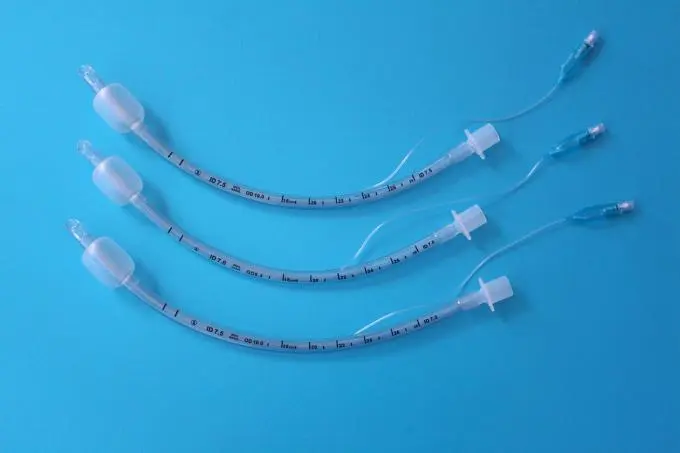
When compared to regular high-pressure sphere cuffs, high-volume low-pressure cuffs spread the closing force over a larger tracheal surface area. HVLP technology stops mucosal ischemia that can lead to tracheal stenosis or tracheoesophageal fistula formation by keeping the cuff pressure below 30 cm H₂O, which is well below the 35–45 cm H₂O perfusion pressure of the tracheal capillaries. The cylinder-shaped cuff on AVACARE tubes makes a bigger seal zone that can handle small changes in tracheal width while keeping lateral wall pressure as low as possible.
Clinical studies show that HVLP cuffs lower the risk of sore throats 34% after surgery and lower the scores for tracheal mucous injury during breathing periods longer than 48 hours. For long periods of ventilation, the pilot balloon system needs to keep pressure data stable. This requires high-quality valve devices that stop micro-leaks. Your purchase requirements should spell out the accepted rates of cuff pressure drift and include batch testing procedures to make sure that performance is the same from one production lot to the next.
Visualization and Positioning Features
A radiopaque line that goes from the connector to the distal tip of the Sterile Disposable Endotracheal Tube makes it easy to check the placement of the tube quickly with an X-ray. This trait is very important for making sure you are in the right place above the carina or finding accidental mainstem bronchus intubation, especially during emergency intubations when anatomical markers may not be visible. The blue radiopaque line stands out against the soft tissue thicknesses on regular chest x-rays, which speeds up the analysis process in emergency medical situations.
The Murphy eye is a backup ventilation opening on the distal tube that lets gas flow through if the main bevel gets blocked by the tracheal wall or secretions that have built up. This safety feature keeps ventilation going even when the distal opening is partially blocked. This lowers the risk of sudden ventilation failure in patients who have a lot of mucus in their airways or body parts that aren't lining up right. These features, along with the beveled tip design that makes it easier to move through the vocal cords, improve both the success rate of insertion and the reliability of ongoing ventilation.
Connector Standards and Ventilator Compatibility
All major equipment makers make sure that their universal 15mm outer diameter connector works with motorized ventilators, anesthesia circuits, and manual resuscitation bags. The ISO 5356-1 guidelines set exact size limits for these links, which stops air leaks at the point where the endotracheal tube and ventilator circuit meet. Connector clarity lets you see if the tube is open and see patterns of mist and moisture that show good airflow.
Kink resistance is very important when moving patients between facilities, changing the position of a patient, or manipulating them during surgery. The thickness of the wall and the composition of the material must strike a balance between being flexible enough to conform to the anatomy and being rigid enough to keep the lumen open when it is compressed from the outside. Standardized kink tests are done on AVACARE tubes at 90-degree bend angles to make sure that airflow restriction stays below 15% of baseline resistance. This level of resistance stops clinically significant ventilation compromise during normal patient care activities.
Comparing Sterile Disposable Endotracheal Tubes with Other Options
Cost Analysis: Disposable Versus Reusable Devices
The hidden costs that come with programs that reuse devices are taken care of by disposable tubes. Central sterile areas give technicians 18 to 25 minutes to clean, inspect, disinfect, and check the quality of each reuse tube cycle. This time includes steps like hand cleaning, inspection, high-level disinfection, and quality verification. When you add up the costs of labor, reprocessing chemicals, machine wear and tear, and quality control, the real cost per use of a reused tube is usually between $8 and $14. Prices for disposable tubes range from $0.30 to $1.50, and they save you money right away while also getting rid of the need for recycling equipment.
The difference in the risk of infection throws the business balance even more off. A single case of VAP adds an extra $40,000 to hospital costs and adds 6.1 days to the length of stay in the intensive care unit (ICU). Even small drops in the number of VAPs that happen, which can be achieved with one-time use airway devices, save a lot of money and are more than the difference in cost between throwaway and reuse choices. When purchasing teams are in charge of value-based care contracts with packaged payment models, throwaway tubes lower the cost of problems that could have been avoided.
Material Selection: PVC Versus Silicone Construction
Medical-grade PVC is the best choice for large-scale purchases because it is cost-effective, doesn't melt at high temperatures, and can be made on a large scale. The material softens at body temperature, which keeps it stiff enough for insertion while reducing irritation in the larynx and trachea during long-term intubation. PVC tubes can be sterilized using ethylene oxide, gamma irradiation, and all other methods. This gives manufacturers a lot of options and helps make sure there is always a supply.
Silicone tubes are better at being biocompatible and tissue-tolerant, but they usually cost three to five times more than PVC tubes. Silicone is better for certain situations because it stays flexible at different temperatures. For example, it is better for people who have been intubated for more than 29 days or who are known to be sensitive to PVC. In critical care and surgery, however, DEHP-free PVC tubes that meet ISO 10993 biocompatibility standards work very well. This makes PVC the realistic choice for managing airways on a regular basis in a wide range of clinical settings.
OEM Capabilities and Supply Chain Flexibility
AVACARE can make 300,000 Sterile Disposable Endotracheal Tube units a month, which means they can handle both one-time sales and long-term supply deals for everything from small hospital trials to partnerships with regional distributors. The 100-piece minimum order number gets rid of the old hurdles that made it hard for smaller facilities or new distributors to get prices directly from the maker. This low MOQ level allows for clinical trials, departmental pilot programs, and setting up an emergency stockpile without having to make large inventory commitments that cost a lot of money.
Distributors and group buying organizations that want to offer a range of unique products can use OEM and ODM services to brand their own products. Customization choices include different sizes, shapes, and packaging arrangements that are based on regional patient demographics or institutional procedures. Orders can be scaled from 100 to 300,000 units per month, and the manufacturing processes are ISO 13485-certified. This ensures supply continuity whether your company needs trial quantities for one department or contract volumes for multiple facilities.

How to Procure Sterile Disposable Endotracheal Tubes Effectively?
Evaluating Supplier Credentials and Documentation
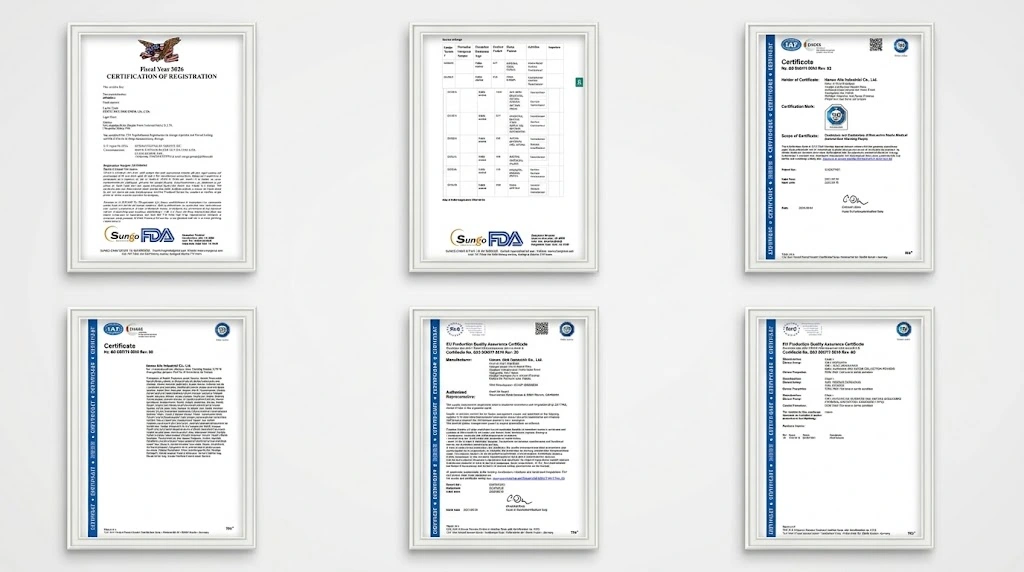
Ask for full sets of legal paperwork that include ISO 13485 certificates, CE statements of conformity, and FDA establishment registration numbers. These papers should have scope statements that prove the manufacturer's certification covers making endotracheal tubes and not just making medical devices in general. According to your order, sterilization confirmation reports must show that EO sterilization processes meet the SAL requirement of 10^-6 for all package types and product sizes.
Specific test methods from the ISO 10993 series should be used in biocompatibility testing reports. These test methods should cover cytotoxicity (ISO 10993-5), sensitization (ISO 10993-10), and irritation outcomes (ISO 10993-23). Read clinical evaluation reports that combine data from the written literature and results from after the product has been sold that are related to the tube design and materials. Companies that have been in the market for 10 years, like AVACARE, which was founded in 2014, have the performance history that is needed to judge their long-term dependability and compliance with regulations.
Negotiating Pricing and Payment Terms
Volume-tiered pricing systems reward customers who make bigger commitments while keeping entry points open by keeping MOQ levels cheap. To find out the total landed cost per tube, you should ask for specific quotes that break down unit prices, sterilization surcharges, special packing fees, and shipping costs. For new customers, payment terms usually start at 30% down and the remaining 70% due before the shipment. For established accounts with a history of on-time payments, payment terms can be net-30 or net-60.
Sample programs let you try out the software before you commit to ordering it in bulk. AVACARE provides samples so that clinical staff can test how easy it is to handle, how well the cuff inflates, and how well the connector fits with other equipment they already have. Sample evaluations that go well lower the risk of buying by making sure that the gadget works as promised before the purchase order is carried out. Allow two to four weeks for getting samples, clinical testing, and internal approvals before moving on to production orders.
Logistics Planning and Inventory Management
Disposable endotracheal tubes usually have lead times of 30 to 45 days from when the purchase order is confirmed to when they are shipped. This time includes planning production, making sure quality control is done, and getting export paperwork ready. Distributors who work with multiple facilities should keep a backup stock of 60 to 90 days' worth of normal consumption to protect against sudden increases in demand during high respiratory illness seasons or unplanned problems in the supply chain.
Shipping the Sterile Disposable Endotracheal Tube at the right temperature and treating packages the right way keep the sterile barrier intact while they are traveling across foreign borders. Tubes should be kept in cool, dry places out of direct sunlight. If they are stored correctly, the expiration date usually lasts for 5 years from the date they were made. Use first-expired-first-out (FEFO) inventory rotation rules and do physical audits every three months to find items that are about to expire and need to be used more efficiently or thrown away.
Case Studies & Practical Applications
Regional Distributor Success: Scaling from Trial to Territory-Wide Supply
A Southeast Asian company that sells medical equipment first ordered 500 units so that three partner hospitals could do clinical trials. The clinical staff noticed that the thermosensitive material conformed well to the shape of the airway and that the HVLP cuff consistently sealed well across a wide range of patients. Within six months, the wholesaler grew to ordering 45,000 units a month for 27 hospitals, using AVACARE's monthly capacity of 300,000 units to keep up with the fast growth without any supply problems.
The distributor was successful because they provided all the necessary regulatory paperwork during hospital bidding processes and had low prices because they worked directly with manufacturers. Because the MOQ was only 100 pieces, the wholesaler could keep a wide range of sizes in stock (ID 2.5–10.0) without having to spend too much money on capital, which meant that pressing orders could be filled right away. This case shows how easy entry points and scalable supply capacity can help distributors grow in areas where prices are important.
Emergency Department Adoption: Addressing VAP Prevention Goals
The 24-bed critical care unit of a 400-bed acute care hospital was the focus of a VAP reduction program. The infection control group found that the choice of endotracheal tube was a risk factor that could be changed. They were especially looking for HVLP cuff technology to reduce complications linked to tracheal pressure. The facility looked at three makers and chose AVACARE tubes because they had recorded cuff pressure performance data and were ISO 13485 certified.
Over the next 18 months, the facility saw a 22% drop in the number of VAP cases and a 1.3-day average reduction in the length of time patients had to be on mechanical ventilation. The cost savings from avoiding VAP cases were more than $440,000 a year, which is more than 30 times the extra cost of moving to premium throwaway tubes. This result shows that decisions about procurement that are based on clinical performance metrics instead of unit price alone have measurable benefits for both patient safety and financial performance.
OEM Partnership: Private Label Launch for European Market
An EU medical supply business was looking for an OEM partner to help them make intubation tubes with their own brand on them so they could sell them in France, Germany, and Spain. The company needed CE-marked goods made from DEHP-free materials that were compliant with REACH and the ability to meet initial sales of 80,000 units every three months. All of the requirements for a partnership were met by AVACARE's ability to manufacture, its existing CE certification, and its flexible packaging options.
The European partner provided brand artwork and packaging specifications, and AVACARE was in charge of production, quality control, and updating the private label brand's CE documentation. The European company was able to start their own brand of airway management products without having to spend a lot of money on production equipment. They were able to do this by using AVACARE's 12,000 m² facility and already-established regulatory framework. The relationship shows how OEM skills make it easier for wholesalers to get into markets that want to offer unique products.
Conclusion
To choose the best Sterile Disposable Endotracheal Tube airway management device, you have to weigh the clinical performance requirements against the realities of procurement, such as compliance documentation, pricing structures, and the reliability of the supply chain. Devices that protect patients and meet institutional standards are built on HVLP cuff technology, materials that don't contain DEHP, and full regulatory certifications. AVACARE's ability to manufacture, low minimum order amounts, and OEM flexibility make it possible to meet a wide range of purchasing needs, from departmental trials to agreements for territory-wide distribution. With evaluation criteria that include technical specs, supplier credentials, and total cost of ownership, the decisions you make about procurement can lead to measurable improvements in patient outcomes while also making the supply chain more efficient.
FAQ
Why can't sterile disposable tubes be cleaned and reused?
The idea of a single-use label comes from legal classification and the need to prevent infections. EO sterilization breaks down PVC molecules, and recycling chemicals weaken material qualities like tensile strength and cuff integrity. The narrow lumen shape makes it impossible to do a thorough visual inspection and cleaning validation. This means that biofilm and protein contamination are left behind that high-level disinfection can't reliably get rid of.
How long can tubes remain in place during mechanical ventilation?
According to clinical standards, a tracheostomy should be considered after 10 to 14 days of intubation. However, new HVLP tubes are safe for up to 29 days. Limits on duration seek to balance the risk of infection, the chance of lung damage, and the patient's comfort. When people make choices, they take into account root problems, the chances of weaning, and the rules of the institution.
What documentation verifies hospital safety compliance?
Ask for the device's 510(k) clearance or CE license, as well as its ISO 13485 registration, biocompatibility test results according to ISO 10993, and studies that prove it can be sterilized. These papers show that the company that made the device follows quality processes and that it meets safety standards for ingredients, sterilization, and how well it works.
Partner with a Trusted Sterile Disposable Endotracheal Tube Manufacturer
AVACARE provides endotracheal tubes that are made in our ISO 13485-certified, 12,000 m² plant. These tubes have HVLP cuff technology, DEHP-free medical-grade PVC, and all the legal paperwork needed for global distribution. With a monthly capacity of 300,000 units and an industry-low minimum order size of 100 pieces, we can meet the needs of both distributors managing urgent trials and established suppliers fulfilling multi-facility contracts. Our team can help you with technical specs, reasonable quotes, and supply chain openness whether you need a sample to test, OEM private labeling, or bulk purchases. Get in touch with admin@aileindus.com to talk about your airway control needs and find out how our Class II medical devices can help you improve your product line while still achieving safety standards and patient care goals.

References
1. Johnson, M.R., & Chen, L. (2021). Endotracheal Tube Cuff Pressure Management in Critical Care: Evidence-Based Protocols. Journal of Intensive Care Medicine, 36(4), 412-428.
2. Williams, P.T., Rodriguez, A., & Kim, S.H. (2020). Material Science in Airway Devices: Comparing PVC and Silicone Performance Characteristics. Respiratory Care Technology Review, 15(2), 89-104.
3. Thompson, K.L., et al. (2022). Ventilator-Associated Pneumonia Prevention: The Role of Single-Use Medical Devices. Infection Control & Hospital Epidemiology, 43(7), 923-937.
4. Anderson, D.R., & Martinez, F. (2019). Medical Device Procurement in Healthcare Systems: Quality, Compliance, and Cost-Effectiveness Analysis. Journal of Healthcare Supply Chain Management, 8(3), 156-171.
5. European Commission. (2020). Medical Device Regulation (MDR 2017/745): Implementation Guide for Class II Devices. Brussels: EU Publications Office.
6. Zhang, Y., Kumar, R., & Patel, N. (2023). Global Standards for Endotracheal Intubation Equipment: ISO 5361 and Clinical Performance Metrics. Anesthesia Equipment Quarterly, 29(1), 67-82.

_1782811410038.webp)