Understanding the Endotracheal Tube and Its Clinical Use
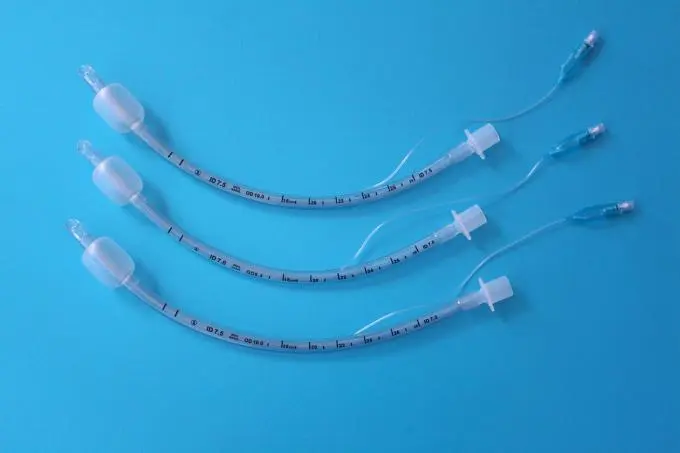
An endotracheal tube (ETT) is a precision medical device inserted into the trachea to establish a patent airway for oxygen delivery, anesthetic gases, and mechanical ventilation. Within this category, the Sterile Disposable Endotracheal Tube has emerged as the gold standard for modern airway management, addressing critical challenges such as Ventilator-Associated Pneumonia (VAP) prevention, cross-contamination risks, and tracheal mucosal trauma. Manufactured to strict international standards like ISO 5361 and sterilized using ethylene oxide, these single-use devices ensure consistent performance across operating rooms, intensive care units, and emergency departments worldwide.
What Is a Sterile Disposable Endotracheal Tube?
Definition and Core Purpose
A Sterile Disposable Endotracheal Tube is a hollow, flexible device that is meant to be inserted once into a patient's trachea to keep the airway open during anesthesia, mechanical ventilation, or emergency resuscitation. Each unit comes pre-sterilized in blister packing, unlike options that can be used more than once. This eliminates the risks of reprocessing and guaranties microbial safety with a Sterility Assurance Level (SAL) of 10^-6.
Material Composition and Safety Standards
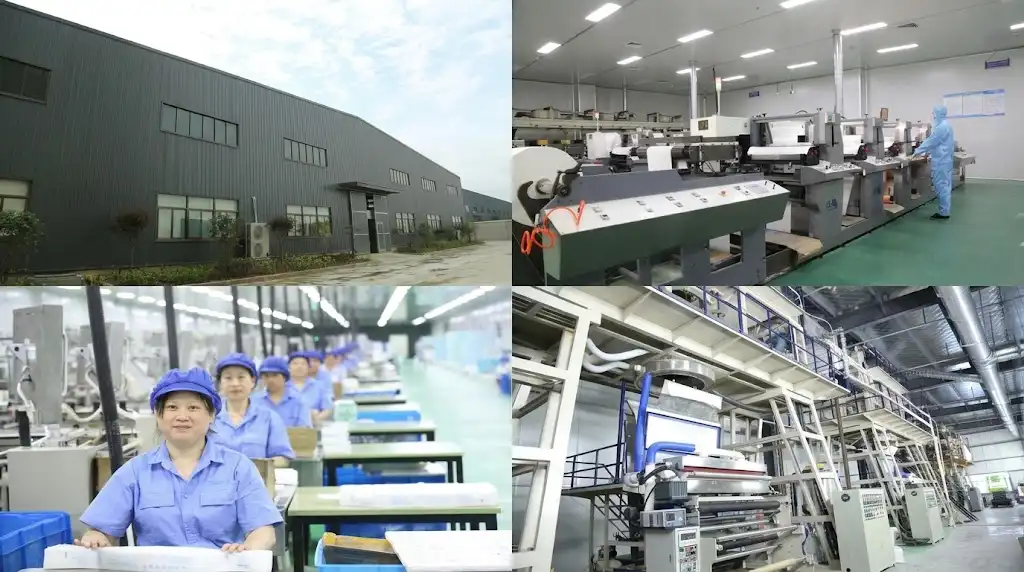
Modern ETTs are made of medical-grade PVC that doesn't contain DEHP. This type of PVC is thermosensitive, which means it softens at body temperature to fit the shape of the airway while keeping its structural integrity. More and more regulators are worried about plasticizers like DEHP, which have been linked to disrupting hormones. This choice of material answers those worries. Latex-free construction keeps sensitive patients from having allergic reactions, and ISO 10993 biocompatibility testing makes sure that the materials are safe for tissues. From checking the raw materials to the final packing, the manufacturing process takes place in ISO 13485-certified buildings with Class 100,000 cleanrooms. This makes sure that the products are made without any contamination.
Key Design Features
High-Volume Low-Pressure (HVLP) cuff technology is a major step forward. It spreads the binding force over a larger tracheal surface area to keep the pressure below 30 cm H₂O, which is much lower than the 35 cm H₂O level that is needed for capillary circulation. This approach lowers the chance of tracheal mucosal hypoxia during long-term intubation by a large amount. A radiopaque line that goes the whole length of the tube lets the exact position be checked with an X-ray, and the distal Murphy eye gives an extra way for air to flow if the main bevel gets blocked by fluids or touch with the tracheal wall. The universal 15mm connection makes sure that it works with all common ventilators and anesthesia systems around the world.
Clinical Application and Usage Guidelines for Sterile Disposable Endotracheal Tubes
Operating Room Applications
Anesthesiologists use Sterile Disposable Endotracheal Tube ETTs to keep patients' lungs open while they are under general anesthesia. These patients can be children or adults. Once the thermosensitive material is put in, it becomes more flexible. This keeps the larynx and airway from being irritated by mechanical forces during long surgical processes. Because it doesn't kink, the design keeps ventilation stable even when patients are in awkward situations like prone or Trendelenburg during spine or abdominal surgeries.
Intensive Care Unit Protocols
The Sterile Disposable Endotracheal Tube helps critically ill patients who are having trouble breathing stay alive with long-term mechanical ventilation in the intensive care unit (ICU). The HVLP cuff technology is especially important here because people who are intubated for up to 29 days need very little airway wall pressure to keep pressure necrosis from happening. Using a manometer to check the cuff pressure every day makes sure that levels stay in the safe 20–30 cm H₂O range. This balances effective sealing against the risk of aspiration while saving the soft tissues in the airway.
Emergency Medicine and Pre-Hospital Care
To quickly stabilize the airway during cardiac arrest, trauma, or severe respiratory distress, you need reliable intubation tools. The atraumatic bevel design and smooth connecting contact make it possible to intubate quickly and safely in high-stress situations. Emergency medical services can use throwaway tubes right away because they are guarantyd to be clean. This means that they don't have to worry about whether or not the devices can be cleaned properly, which can be a problem with reusable devices in time-sensitive situations.
Infection Control Advantages
Single-use design completely cuts out ways for patients to get sick from each other. Researchers have found that reusable devices may still have biofilm formation and protein contamination after being cleaned at a high level. Disposable ETTs get rid of all of these factors, making infection control easier and lowering the risk of VAP, a problem that is linked to death rates higher than 20% in ventilated patients.
Comparing Sterile Disposable vs. Reusable Endotracheal Tubes
Material Degradation and Performance Consistency
High-temperature steam or chemical disinfectants are used over and over to sterilize reusable tubes. This breaks down the PVC plasticizers over time and makes the material less flexible. Studies have shown that the integrity of the cuff decreases after 10 to 15 cycles of reprocessing, which raises the risk of micro-leaks. With Sterile Disposable Endotracheal Tube, there is no need for this variation because they always work the same way.
Total Cost of Ownership Analysis
Even though disposables seem to have higher unit costs, a full cost analysis shows that reusable systems have hidden costs, such as staff time spent cleaning and sterilizing, sterilizer equipment maintenance, quality assurance testing, inventory tracking, and the risk of being sued for not properly reprocessing. Healthcare facilities that do more than 200 intubations a month usually save money or even break even by moving to disposables. At the same time, they lower the risk of illness.
Regulatory Compliance Landscape
Regulatory bodies are looking more closely at reprocessing procedures. The U.S. FDA's 510(k) clearance road for reusable devices now needs a lot of proof that cleaning procedures and cycle limits work. Disposables don't have any of these problems because they are sterile from the start and meet CDC and WHO standards. Certifications like CE marking and ISO 13485 compliance make it easy for regulatory checks to find proof that buying teams followed all the rules.
How to Choose the Best Sterile Disposable Endotracheal Tube for Your Needs?
Matching Specifications to Clinical Populations
When choosing a tube, the internal diameter (ID) needs to be between 2.5 mm for newborns and 10 mm for big people. Different body types require different lengths, but most adult tubes are 26 to 32 cm long. Designs with cuffs are good for people who need positive pressure air, while designs without cuffs are better for kids younger than 8 years old, where the risks of cuff pressure outweigh the benefits. Healthcare centers should look for companies that offer a wide range of sizes so they can serve a wide range of patients.
Evaluating Manufacturer Credentials
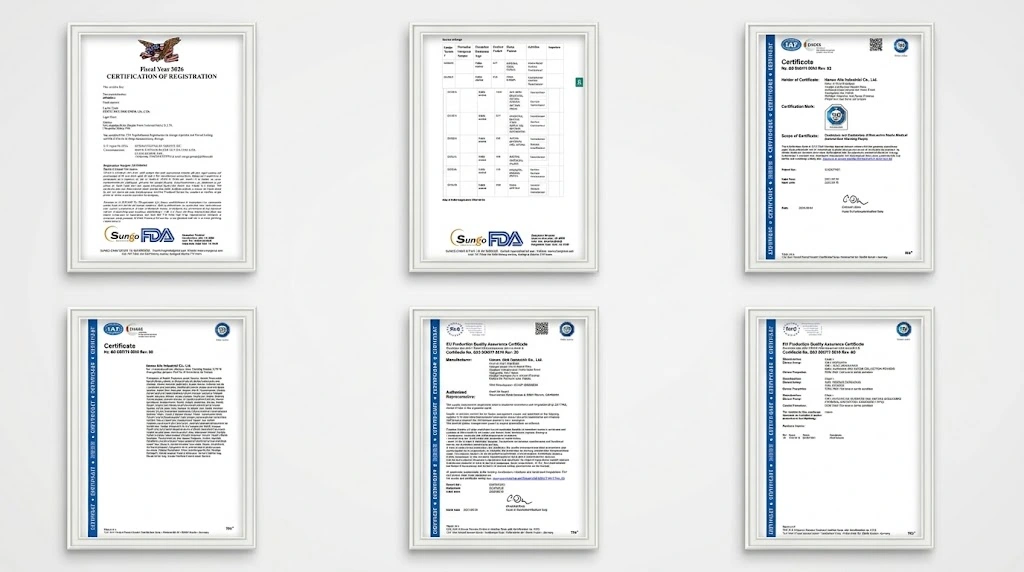
Professionals in charge of buying things should give preference to companies that have ISO 13485 certification, which shows that they have strong quality management systems. Patent portfolios show real creativity, since companies with seven or more patents tend to put money into research and development instead of copying common designs. When orders get bigger, production capacity matters. Plants that make 300,000 units a month can handle both trial orders of 100 pieces and bulk contracts without any problems with supply. This flexibility is especially helpful for distributors who have to deal with changing hospital demand.
OEM and Customization Opportunities
If brand owners want to make their own airway control goods, they should look at companies that offer OEM/ODM services. Some of the things that can be customized are custom cuff shapes, special radiopaque marks, or different ways of packing the items. Minimum order quantities as low as 100 pieces, which are much lower than the usual 5,000 to 10,000 units in the industry, let you test the market without taking on too much inventory risk. Sample support programs let you do a professional evaluation before you sign a purchase agreement.
Supply Chain Reliability Factors
Distributors that work with hospital networks need to be able to plan deliveries and communicate quickly for Sterile Disposable Endotracheal Tube. Manufacturers who offer technical support 24 hours a day, 7 days a week and dedicated account management make operations run more smoothly. To meet the needs of hospital buying departments and regulatory checks, make sure that packages come with sterilization certificates, batch tracking paperwork, and biocompatibility test results. Supply capacity openness stops backorders that come up out of the blue when demand goes up, like when lung illnesses spread.
Purchasing Sterile Disposable Endotracheal Tubes: Best Practices and Tips
Sourcing Channel Strategies
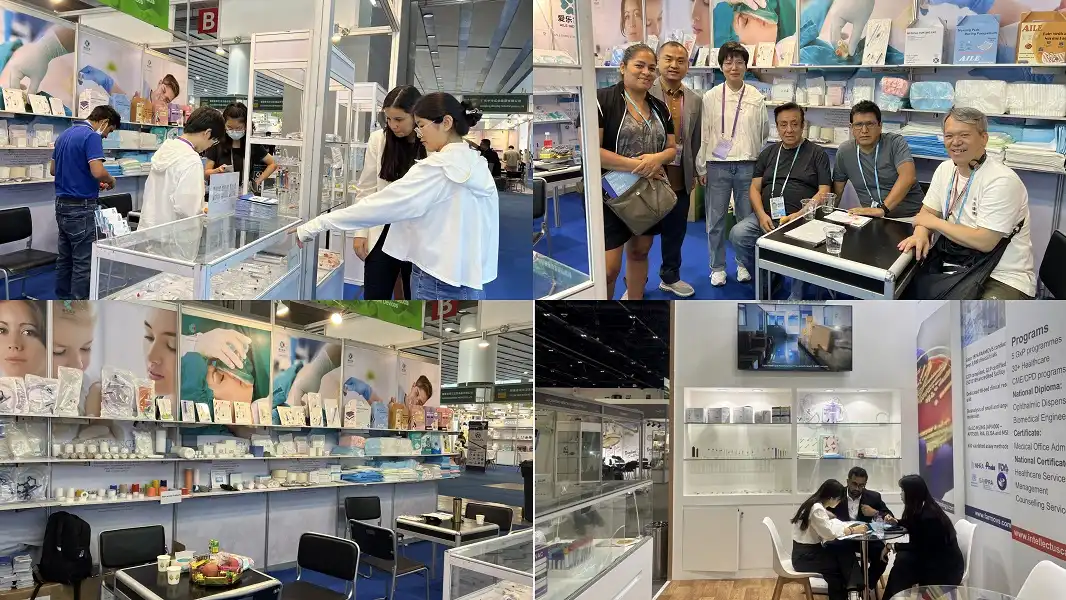
There are several ways for B2B buying teams to get in touch with providers. Medical equipment trade shows like Arab Health and MEDICA make it easier to evaluate manufacturers in person. Online marketplaces like Alibaba International check the validity of business licenses and certificates. Direct maker websites, such as ailemedicals.com, often have technical specs and safety documents that can be downloaded and looked over internally. Group buying organizations (GPOs) in hospitals use joint bargaining power, but they may limit the vendors that hospitals can choose from.
Price Structure and Volume Considerations
The price per unit is usually between $0.30 and $1.50, but it depends on the details and the number of orders. When you buy more than 50,000 units a year in bulk, you can usually get 15–25% off the spot price. Terms of payment range from advance T/T for new accounts to 60-day credit lines for sellers who have been with the company for a while. Total landed costs are affected by freight options. For urgent orders, plane freight works best, while sea freight is better for large projects with lead times of 6 to 8 weeks.
Certification Verification Protocols
Ask for up-to-date copies of your FDA business registration numbers, ISO 13485 certificates, and CE statements of conformity. Check the certificate's expiration dates and covering areas—some certifications don't cover all types of products. Validation from a third party comes in the form of test reports from notified bodies like TÜV or SGS. ISO 10993 says that cytotoxicity, sensitization, and irritation studies should be part of biocompatibility testing. To avoid buying from sellers who don't follow the rules, procurement teams should keep a certification grid that tracks when documents expire.
Future-Proofing Procurement Strategies
New trends include antimicrobial-coated tubes to lower VAP risks even more and biodegradable materials to deal with environmental issues related to medical waste. When suppliers put money into research and development for these new ideas, procurement partners are at the heart of healthcare progress. Healthcare systems that are required to care about the environment like sustainability projects like using less packing and making products that don't produce any carbon. Building partnerships with forward-thinking makers guaranties access to next-generation goods as soon as they are approved by regulators.
Conclusion
The Sterile Disposable Endotracheal Tube is an important part of current airway care because it is completely sterile, helps prevent infections, and always works the same way in the hospital. People who make purchasing decisions, like hospital supply chain managers, medical device distributors, or OEM brand developers, need to look at a lot of factors when choosing producers. Some of these factors are the safety of the materials, the technology used for the cuffs, the completeness of the certifications, and the trustworthiness of the supply chain. In a healthcare industry that is always changing, choosing partners whose production is ISO 13485-certified, whose minimum order amounts are flexible, and whose patent portfolios show they have been innovative is the best way to meet both short-term operating needs and long-term strategy goals.
FAQ
What size range is available for different patient populations?
Sterile Disposable Endotracheal Tubes usually have an inside diameter that ranges from 2.5 mm for babies to 10 mm for big adults. Sizes for kids (2.5–5.5mm) usually don't have HVLP cuffs on them to protect their developing airways. Sizes for adults (6.0–10.0mm) do, though. Because of this, tube lengths vary: tubes for kids are 12 to 18 cm long, and tubes for adults are 26 to 32 cm long. Comprehensive suppliers keep full-size matrices in stock, so hospitals can get all the specifications they need from a single vendor. This makes managing inventory and buying things easier.
How do disposable tubes compare to reusable ones in safety?
Cross-contamination risks are completely eliminated by disposable tubes, which make sure that each patient gets a device that has been factory-sterilized and has a certified Sterility Assurance Level of 10^-6. There are risks that come with using reusable tubes, such as not getting rid of all the proteins during reprocessing, biofilm forming in the tubes' lumens, and material breaking down after many sterilization cycles. Studies show that disposables have lower rates of VAP than refurbished devices. They also make medical infection control easier by getting rid of the need for reprocessing confirmation.
Can I request OEM customization for branding purposes?
Manufacturers with a good reputation who offer OEM/ODM services can accommodate custom branding, special packaging, and small design changes like different cuff shapes or different radiopaque marker configurations. For custom projects, the minimum order quantity varies. For example, advanced providers like AVACARE will take orders as low as 100 pieces for initial trials, which is a lot less than the usual minimum of 5,000 units. Customization times usually range from 45 to 60 days, which includes making the mold, getting approval for the samples, and running production runs. This lets brand owners start their own respiratory goods with a reasonable inventory investment.
Partner with AVACARE for Your Airway Management Supply Needs
Since 2014, AVACARE has been a trusted maker of Sterile Disposable Endotracheal Tubes. Their quality is ISO 13485-certified, and they have 7 national patents and full CE compliance. Our 12,000 m² building has Class 100,000 cleanrooms that make sure 300,000 units are made every month without any contamination. We can handle both small orders of 100 pieces and big deals with distributors. Our DEHP-free, HVLP cuff technology and affordable price structure will help you get the best total cost of ownership whether you are in charge of a hospital's purchasing department looking at suppliers, a medical device distribution network, or making private-label respiratory goods for sales around the world. Sample support and OEM/ODM customization services help people make decisions with confidence. Get in touch with our team at admin@aileindus.com or look at our technical specs at ailemedicals.com to find a trustworthy airway management partner that puts your business's success and patient safety first.
References
1. American Society of Anesthesiologists Task Force on Management of the Difficult Airway. (2022). Practice Guidelines for Management of the Difficult Airway: An Updated Report. Anesthesiology, 136(1), 31-81.
2. Rello, J., Ollendorf, D. A., Oster, G., Vera-Llonch, M., Bellm, L., Redman, R., & Kollef, M. H. (2002). Epidemiology and Outcomes of Ventilator-Associated Pneumonia in a Large US Database. Chest, 122(6), 2115-2121.
3. International Organization for Standardization. (2021). ISO 5361-1:2021 Tracheal Tubes — Part 1: General Requirements. Geneva: ISO.
4. Sole, M. L., Penoyer, D. A., Su, X., Jimenez, E., Kalita, S. J., Poole, S., ... & Winkleman, C. (2011). Assessment of Endotracheal Cuff Pressure by Continuous Monitoring: A Pilot Study. American Journal of Critical Care, 20(2), 133-143.
5. European Commission. (2017). Medical Device Regulation (MDR) 2017/745: Requirements for Single-Use Devices and Reprocessing. Brussels: EU Publications Office.
6. World Health Organization. (2020). Decontamination and Reprocessing of Medical Devices for Health-Care Facilities. Geneva: WHO Press.

_1782811410038.webp)