How to Choose the Right Disposable Safety Needle: A Comprehensive Gauge and Size Chart for Medical Buyers
Choosing the right disposable safety needle requires a clear understanding of gauge specifications, safety mechanisms, and clinical applications that align with your institution's patient demographics and procedural demands. Medical procurement managers must balance cost efficiency with uncompromising safety standards, ensuring every needle ordered meets rigorous regulatory benchmarks while addressing the specific needs of various clinical environments. At AVACARE, we recognize that the wrong needle selection can lead to patient discomfort, increased needlestick injury risks, and compromised medication delivery—challenges that affect both clinical outcomes and operational costs. This guide walks you through the essential considerations for selecting safety hypodermic needles that deliver reliability, compliance, and patient-centered performance across diverse healthcare settings.
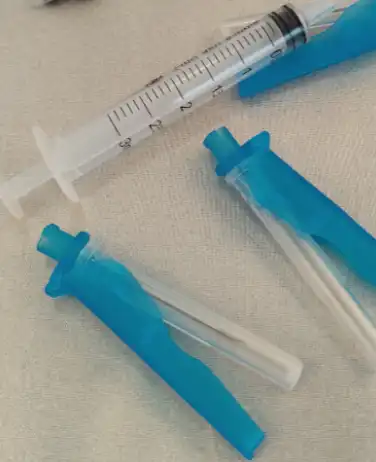
Understanding Disposable Safety Needles: Features and Benefits
Safety-engineered sharps have changed how healthcare facilities prevent infections and keep workers safe. Modern safety devices, unlike older hypodermic needles, have protective shields or retractable systems that work as soon as the shot is over. This puts something between the sharp point and the healthcare workers.
The Core Safety Mechanism
Active or inactive safety devices are used in medical safety needles. Active mechanisms need the user to actively engage them, like moving a protected shield over the needle tip by hand. Passive systems, on the other hand, retract or shield the needle automatically during the injection process, so the user doesn't have to do anything extra. Both methods greatly lower the number of accidental needlestick injuries. The Centers for Disease Control and Prevention say that these injuries happen about 385,000 times a year among healthcare workers in hospitals in the US alone.
Regulatory Compliance and Material Standards
Before it can be sold in the U.S., every safety needle has to meet strict FDA rules for Class II medical devices. AVACARE safety needles are certified by both CE and ISO 13485, which shows that they are made in line with international quality management systems. Our tools are made from medical-grade SUS304 stainless steel and have ultra-thin walls. This lets the most fluids flow through while keeping the structure strong, even during difficult injections with thick medicines or quick administration protocols.
Clinical Advantages Beyond Safety
In addition to keeping people from getting hurt, these gadgets have real medical benefits. The ultra-sharp, thin wall design reduces tissue damage and penetration resistance, which directly makes the patient more comfortable during administration. Medical-grade silicone lube lowers the entry force even more, which is helpful when caring for children or people with skin conditions that make it easily damaged. The audible "click" confirmation lets clinical staff know right away, both visually and audibly, that the safety device has been properly engaged, which lowers their nervousness after the treatment.
Economic and Environmental Considerations
Even though the initial unit costs may be higher than with regular needles, the total cost of ownership changes a lot when you consider the lower costs of post-exposure prophylaxis, workers' compensation claims, and following the rules. Healthcare systems can get economies of scale while keeping the supply chain stable by using bulk purchasing strategies. For example, AVACARE's minimum order of 20,000 pieces qualifies for big volume discounts. EO gas sterilisation makes sure that each individually packed disposable safety needle stays clean until it is used, so there is no waste from packages that have been tampered with too soon.

Comprehensive Guide to Needle Gauge and Size Selection
The choice of gauge has a direct effect on how well medications are delivered, how comfortable the patient is, and how well the procedure works. Knowing that gauge numbers and needle width go in the opposite direction is important for making smart decisions about what to buy.
Decoding Gauge Numbers and Diameter Correlation
The gauge system works the opposite way of what you might think—higher gauge numbers mean needles that are thinner and have smaller internal diameters. A 30G safety hypodermic needle has an outer diameter of about 0.31 mm and is used to deliver insulin under the skin. An 18G needle, on the other hand, has an outer diameter of 1.27 mm and is used for rapid fluid resuscitation or blood donation. This backwards scaling comes from the way things were made in the past, when gauge numbers meant the number of needle blanks that could be made from a normal wire width.
Clinical Application Guide by Gauge Range
16G-18G (Large Bore): These gauges make it easier to give fluids quickly during brain emergencies, blood transfusions, and surgery. The bigger internal width makes it possible for solutions with a high viscosity to flow more quickly, which is very important in emergency care settings. But because the puncture is bigger, the patient needs to be carefully evaluated, and it's usually only used on adults.
20G-22G (Medium Bore): This range is flexible enough to be used for intramuscular shots, regular blood draws, and placing an intravenous tube. The 21G needle, which is colour-coded green according to international standards, is the standard for general venipuncture in adults because it hits the best balance between flow rate and patient comfort. We've seen procurement managers at clinic groups with multiple locations standardise on 21G needles to make keeping track of supplies easier while still allowing for clinical freedom.
23G-25G (Small Bore): This size is perfect for children, older people, and putting medicines under the skin, like vaccines and low-volume biologics. The 25G orange-coded needle works best when minimising tissue damage is more important than speed of administration. Clinical leaders at recovery centers often use this range for patients who need to get shots often to keep tissue damage from building up.
26G-30G (Ultra-Fine): Only used for injecting insulin, testing under the skin, and cosmetic procedures that require the utmost accuracy and comfort. Given the small amounts that are usually given with these needle sizes, the slower flow rate is fine.
Length Selection Factors
The length of the needle must match the depth of the shot needed based on the patient's anatomy and body makeup. In people of normal weight, intramuscular injections need needles that are 1 to 1.5 inches long to reach muscle tissue. Subcutaneous injections, on the other hand, use 5/8-inch needles to put medicine into the layer of fat. When it comes to kids, rules usually call for shorter lengths that account for their smaller bodies and thinner tissue layers.
Practical Decision Framework
If the viscosity of the medicine goes up, like with some drugs or hormone mixes, going down one or two gauge sizes stops the injector from using too much force, which could damage the disposable safety needle or make the patient uncomfortable. On the other hand, larger gauges that reduce administration delays are better for emergency medications that need to be given right away. The technical support team at AVACARE gives thorough application grids that match specific drug formulas with the best gauge and length combinations. This cuts down on the time it takes to make purchases by trial and error.

Comparing Disposable Safety Needles: Types, Brands, and Cost Efficiency
Knowing the differences in how each type of safety needle works lets you buy them in a way that fits with clinical workflows and risk management priorities.
Safety Mechanism Categories
The cannula is part of a spring-loaded device inside the syringe tube that is used in retractable needle systems. When the plunger is fully pushed down, the spring pulls the needle back into the barrel, making it forever useless. This design works especially well in high-stress situations where workers might not have time to follow complicated safety rules. The trade-off is a little higher cost per unit and not being able to separate the needle from the syringe for easier removal.
Shielded safety needles have a cover that goes over the tip of the needle when it is taken out of the patient to protect it. The hinged shield design of AVACARE makes it easy to use with one hand. The clinician only needs to press the shield against a solid surface to activate the locking mechanism, which makes a clicking sound. This method keeps the modularity of needle syringes while adding only a small amount of size to the device appearance. This helps emergency carts that are already very full.
Passive safety needles have safety features that are activated naturally through regular injection mechanics, so you don't have to do anything extra to make them work. These devices make it easier for staff to focus on watching patients during complicated processes, where they need to do more than operate safety devices.
Manufacturer Landscape and Quality Indicators
Well-known companies like BD, Terumo, and Medline have built their reputations over decades of consistent quality and new ideas. With its spring-loaded retraction mechanism, BD's Eclipse medical safety needle was the first to hit the market. Terumo, on the other hand, focused on making ultra-sharp lancets that required less penetration force. But new companies that use strict quality systems—for example, AVACARE's ISO 13485 certification went through third-party tests that made sure process controls met set brand standards—now offer the same quality at lower prices.
Failure rate metrics, the strength of the bond between the hub and the cannula, and the consistency of the safety mechanism's activation forces show how different the quality is. Officers in charge of buying things should ask for specific Quality Control records, such as penetration force testing results that meet ISO 7864 standards and safety device failure rates that follow AQL sample procedures.
Total Cost Analysis and Procurement Logistics
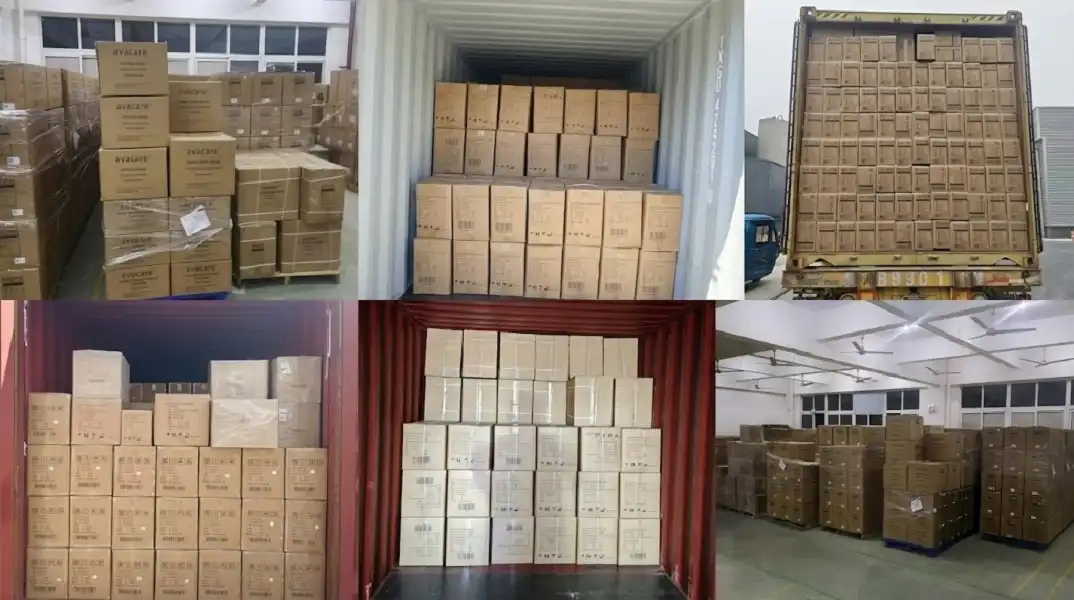
Comparing prices per unit doesn't give full financial pictures. A full cost model needs to include bulk discount structures, the cost of keeping supplies, and the possible saves from fewer needlestick injuries. Just-in-time inventory strategies that use less warehouse space are supported by AVACARE's 30- to 45-day turnaround time, and our minimum order quantity of 20,000 pieces is in line with the three-month buying cycles that most mid-sized hospital systems use.
Transportation issues have a big impact on landing costs. Our flexible payment terms, which include Letter of Credit or Telegraphic Transfer, work with different institutional purchasing policies and protect both parties' finances. Asking for samples before placing a full order lets you test the safety mechanism's ergonomics and clinical suitability firsthand, which lowers the chance of large-scale procurement mistakes with disposable safety needles.
Procurement Best Practices: How to Ensure Quality and Compliance?
Strategic needle buying includes more than just negotiating prices. It also includes thorough quality validation and source partnership review.
Critical Supplier Verification Steps
Verification of the accuracy of a certificate is the basis of compliant buying. Ask for up-to-date copies of CE marks and ISO 13485 certificates, and then check the granting body's approval on your own using databases kept up by regulatory authorities. AVACARE lets third parties see our certification papers directly and welcomes audits of our 12,000-square-meter production plant, which has 100,000-grade cleanrooms with stricter contamination control protocols than the minimum required by law.
Common Procurement Pitfalls and Mitigation Strategies
Disposable safety needles that don't work with the syringes that are already in stock can cause problems with operations and could be dangerous. Standardising on Luer Lock or Luer Slip links that are compliant with ISO 80369 makes sure that all device makers can use the same cables. But small differences in thread pitch or hub size can sometimes lead to leaks or make it hard to make safe links. These problems can be found before they happen on a large scale by testing samples with the syringe brands that are already in use at your facility.
Structured Order Placement Workflow
Start by asking for samples that include gauges that are typical of your clinical volume distribution. Send samples to end users in various areas, such as emergency medicine, outpatient clinics, and surgery units, and ask them to give feedback on the ergonomics, how easy it is to use the safety mechanisms, and how comfortable the patients are. Getting stakeholders involved lowers reluctance to execution and finds needs that are unique to the application that might not come up during administrative review.
Talk about framework deals that set baseline prices for expected yearly volumes while leaving room for changes in demand. The OEM/ODM services offered by AVACARE allow for customised packaging with institution-specific labelling or language localisation, meeting the needs of multinational healthcare groups that work in a variety of regulatory environments. Our 24-hour fast reaction system makes sure that emergency orders are processed quickly when sudden increases in demand put a strain on inventory levels.
Conclusion
When choosing the right disposable safety needles, you have to think about healthcare needs, legal compliance, cost-effectiveness, and the stability of the supply chain. To get the best clinical results and operating effectiveness, the gauge and length requirements must perfectly match your patients' demographics, the types of procedures they will be receiving, and the medications they will be taking. Building long-term buying success on partnerships with certified makers who show consistent quality by following ISO 13485 and keeping clear paperwork is the key. Strategic bulk buying from well-known providers that offer customisation options and quick technical support can turn needle purchase from a transactional need into a competitive edge that improves patient safety while keeping costs low.
FAQ
Are all safety needles compatible with standard syringes?
Safety needles that meet ISO 80369 standards are of high quality and have international Luer Lock and Luer Slip links that work with regular syringes. But it's still important to make sure they're compatible by testing samples with the syringes you already have, since small differences in manufacturing can sometimes make connections less secure. During the sample review process, AVACARE helps with checking for compatibility.
What gauge should be specified for routine insulin injections?
For subcutaneous insulin delivery, clinical guidelines usually suggest 28G to 30G needles, which balance patient ease with enough flow rates for the injection amounts. The very small diameter keeps tissue damage to a minimum, which is especially important for people who need multiple injections every day. The length chosen, which is usually between 5/16 and 5/8 inch, relies on the body type of the patient and the choice of injection spot.
How should used safety needles be disposed of properly?
No matter if the safety device has been triggered or not, put used disposable safety needles right away into sharps containers that meet OSHA standards and can't be punctured. Do not try to put needle caps back on or separate them from syringes before throwing them away. When containers are three quarters full, they should be sealed and thrown away by qualified medical waste treatment services that follow the rules for biohazardous waste in that area.
What certification verification should procurement managers request?
Ask for up-to-date sterilisation validation reports, ISO 13485 documentation, and CE mark certificates. Check to see if the organisations that do the certification have the right credentials from official bodies. AVACARE keeps clear records that can be looked over, and we welcome facility audits to show that our quality management systems work.

Partner with AVACARE for Reliable Medical Safety Needle Supply
AVACARE offers certified safety needle solutions that are made for tough clinical settings where dependability can't be compromised. Our Class II medical devices, which come in 16–30G configurations and are sterilised with EO gas and individually packaged, meet strict CE and ISO 13485 standards, which have been confirmed by independent audits. As a well-known company that makes disposable safety needles, we help procurement managers by providing detailed technical paperwork, free sample programs, and OEM/ODM services that are flexible enough to fit the needs of healthcare operations with multiple sites. You can email our procurement specialists at admin@aileindus.com to talk about volume-based pricing for bulk purchases, to ask for product samples for clinical testing, or to look into custom packaging options that meet the specific protocols and branding needs of your institution.
References
1. Centers for Disease Control and Prevention. (2020). Sharps Safety for Healthcare Settings. National Institute for Occupational Safety and Health Publication Series.
2. International Organization for Standardization. (2016). ISO 7864:2016 - Sterile Hypodermic Needles for Single Use. Geneva: ISO Standards Catalogue.
3. Occupational Safety and Health Administration. (2012). Bloodborne Pathogens and Needlestick Prevention Standards. U.S. Department of Labor Regulatory Guidelines.
4. Tuma, S. and Sepkowitz, K.A. (2006). Efficacy of Safety-Engineered Device Implementation in the Prevention of Percutaneous Injuries: A Review of Published Studies. Clinical Infectious Diseases, 42(8), 1159-1170.
5. World Health Organization. (2015). WHO Best Practices for Injections and Related Procedures Toolkit. Geneva: WHO Document Production Services.
6. Adams, D. and Elliott, T.S. (2019). Impact of Safety Needle Devices on Occupational Needlestick Injuries in Healthcare Workers: A Systematic Review. Journal of Hospital Infection, 103(4), 373-388.

_1782811410038.webp)