What is an epidural needle used for?
A special kind of medical tool called an epidural needle is used to get into the epidural space around the spinal cord and give painkillers or anesthetics precisely where they are needed. Unlike regular needles, these have a unique curved tip (often called a Tuohy design) that lets doctors gently push the protected dura mater membrane away instead of puncturing it. Epidural needles are mostly used for three main things: they provide constant pain relief during labor and delivery, they make regional anesthesia easier for surgeries on the lower body, and they help people with chronic pain by giving them exact nerve blocks or corticosteroid injections. Procurement experts can find the right specs and suppliers for their clinical settings by understanding these uses.
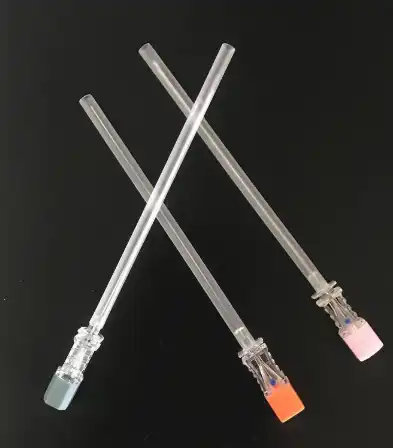
Understanding Epidural Needles: Definition and Key Uses
Structural Design That Distinguishes Epidural from Spinal Needles
In a number of important ways, the epidural needle is built differently from other spine needles. For intrathecal entry, spinal needles have a sharp, straight cutting tip that goes through the dura. Epidural needles, on the other hand, have a blunt, bent tip that moves tissue around instead of cutting it. This way of thinking about planning greatly lowers the number of accidental dural punctures. A flexible catheter can be inserted into the open interior of an epidural needle, which allows for constant drug infusion over long periods of time. This feature is not available in single-shot spine methods.
The composition of the material is very important for function stability. High-grade stainless steel is still the standard because it lasts a long time and gives good physical feedback. However, medical-grade PVC that has stainless steel integrated into it is becoming more popular because it is cheaper and works just as well. Deep grooves etched into the needle shaft allow real-time visual direction during insertion, which improves the accuracy of placing.
Primary Clinical Applications in Modern Healthcare Settings
Obstetric Labor Analgesia: These tools are most often used for labor epidurals, which are used in over 60% of births in many U.S. hospitals. The method lets women who are about to give birth stay awake and active while feeling a lot less pain. Continuous tube placement through the epidural needle lets anesthesiologists change the amount of medicine given at different times of labor, which helps with the changing nature of labor pain.
Surgical Regional Anesthesia: Epidural anesthetic is often used for major stomach surgeries, orthopedic surgeries on the lower limbs, and cesarean sections. In some patients, this method provides better hemodynamic stability than general anesthesia, which lowers the risk of pulmonary problems after surgery and the need for opioids. Surgical teams like that epidural treatment let them control the start and end of pain.
Chronic Pain Management: For diseases like herniated discs, spine stenosis, and complicated regional pain syndrome, pain management experts use epidural needles to administer corticosteroid injections or neurolytic agents. Ultrasound or fluoroscopic guidance improves accuracy in these therapeutic uses. For this reason, procurement teams use needle echogenicity and radiopacity as important selection factors.
The Mechanics of Safe Epidural Needle Insertion
The "loss of resistance" (LOR) method helps doctors find the right epidural spot to enter. A low-friction tube filled with water or air is attached to the needle as it moves through the tissue layers. As long as the plunger is gently pushed down, it will meet resistance from the ligamentous tissue until the needle tip enters the spinal space and the pressure quickly drops. This is the LOR moment. This tactile feedback system needs very precise needle manufacture. Any burrs, uneven bore width, or tip shape that isn't quite right can mess up this important sensory cue, which can lead to placement mistakes.
During this process, the bent Tuohy tip does two things. Its shape bends the moving catheter horizontally instead of letting it go straight through, which helps the catheter thread along the epidural space instead of going through it. This design factor has a direct effect on the number of complications, so the quality of tip manufacturing is the most important thing for institutional buyers to look at when they are comparing seller offers.

Essential Epidural Needle Specifications and Sizes Explained
Standard Gauge Ranges and Their Clinical Implications
Epidural needles usually have a gauge between 15G and 18G, with 16G and 18G being the most common sizes used in professional settings. The choice of gauge changes both the procedure and the patient's result. Larger-bore needles (15G-16G) make it easier to thread the catheter and give better tactile feedback during LOR identification. This is why they are chosen in training settings and cases that are technically difficult because the patient is overweight or has an abnormal body shape.
On the other hand, 18G needles cause less damage to tissue and should lower the risk of headaches after a dural puncture, but this benefit is only clinically important if the needle accidentally penetrates the dura mater. The length of the needle can be anywhere from 80mm to 90mm to suit different patient body types. Longer needles are needed for people with deeper subcutaneous tissue. The demographics of the patients being treated should be reflected in the procurement requirements.
Material Choices: Performance Trade-offs in Needle Construction
Due to their rigidity, which translates to exact directional control during placement and consistent tactile input, stainless steel epidural needles rule the market. Because the material lasts a long time, makers can make a fine-tolerance tip shape that keeps the blades sharp during shipping and handling. But making stainless steel needles costs more, which changes how bulk prices are set.
Medical-grade PVC combined with stainless steel is a cheaper option that is becoming more popular among schools that are trying to save money. A stainless steel inner tube and a PVC outer sheath are common parts of these combination designs. While hybrid needles work well enough for regular cases, they may not be as sensitive to touch as full-metal needles. This is something to keep in mind in teaching hospitals where trainees need to be able to pick up on small signs. Both types of materials must meet the strict ISO 10993 biocompatibility standards and go through extensive testing to make sure they are DEHP- and latex-free. This is done to protect patients from allergic responses and improve their safety.
Needle Tip Design Innovations and Their Impact
The Tuohy curve is still the most common shape for a tip, but different makers have made changes to address specific clinical issues. Short-bevel shapes lower the cutting force needed to pass through flesh, which could lower the risk of nerve damage. In spinal-epidural (CSE) kits, where a single device must handle both methods, pencil-point modifications combine the features of spinal and epidural needles.
Surface finishes and coats are becoming a new way to set products apart. When inserting, some makers use their own special ultra-smooth finishes to cut down on friction and improve glide. There isn't a lot of clinical evidence to back these new ideas yet, but hospitals and other facilities that care about patient comfort and procedure speed are starting to look at these things more when they buy things. When judging these design aspects, you should also look at how reliable the manufacturer's quality control system is and how reliable the supply chain is.

Comparing Epidural Needles: Insights for Informed Procurement
Epidural Versus Spinal Needle Applications
Different epidural needles and spinal needles work on different parts of the body and produce different types of anesthesia. Spinal needles go through the dura to put medicine directly into the cerebrospinal fluid. This causes a quick, dense blockage that only lasts for a short time—usually 90 to 180 minutes for popular local anesthetics. This method works well for short surgeries but isn't flexible enough for longer ones or pain management after surgery.
For epidural methods, a catheter is put into the possible space around the dura, which lets medicine be given continuously or intermittently over days. It takes longer to start working, but doctors learn how to titrate, which is very important for long treatments and changing pain control situations. Knowing these differences helps buying teams make sure that the devices they buy fit with the types of cases that are seen at the school and how anesthetics are used.
Safety Profile Considerations: Dural Puncture Rates and Complication Management
Accidental dural puncture (ADP), which happens in 0.5% to 1.5% of cases based on the provider's experience and the patient's factors, is the most serious problem linked with epidural needle use. Half to eighty-five percent of people who have an ADP experience post-dural puncture headache (PDPH), which could require blood patch treatments and longer stays in the hospital. The shape of the needle has a direct effect on the ADP rates. To reduce this risk, makers spend a lot of money on tip geometry optimization and shaft rigidity engineering.
High-quality epidural needles have features that improve placement accuracy. Clear depth marks make it easy to keep track of how far the insert is going, and consistent bore machining gives better tactile feedback, which makes the LOR method more reliable. When purchasing managers look at different suppliers, they should ask for data on the number of complications in clinical studies and look for certifications that show the suppliers follow ISO 13485 quality management standards. These signs show that the device works the same way across different production lots.
Performance Requirements for Labor Epidurals: Aligning Product Selection with Clinical Needs
Because of the special needs of maternal anesthesia, labor epidurals need to work in a certain way. The process has to find a good mix between relieving pain and keeping the woman's ability to move around during labor. Because of this, epidural needles and tubes are needed to give medicine precisely without spreading it too much.
When an obstetrician is working with a patient who has trouble arranging because of their body type or because they can't change positions during labor, catheter fitting becomes very important. Needles with an adjusted curve radius and smooth inner tube surfaces make it easier for the catheter to move forward and avoid kinking. Obstetric volumes also need providers that can meet high-throughput needs with solid just-in-time delivery models and quick response times for emergencies.
During the review stages of a product, clinical comments from obstetric anesthesiologists are very helpful. Before signing large-scale contracts, procurement teams should set up sample programs that let goods be tested in real-life situations. This way, they can be sure that the products they choose meet the specific needs of labor analgesia practice.
Procurement Considerations: How to Buy Epidural Needles for Your Business
Navigating Acquisition Channels: Wholesalers, Distributors, and Direct Sourcing
There are several ways for healthcare institutions to get epidural needles, and each has its own pros and cons. Authorized medical device wholesalers offer a wide range of products, well-established logistics networks, and help with regulatory compliance. This makes them a good choice for schools looking for long-term supply agreements. But markups by distributors can make the cost of a unit 20% to 40% higher than if you bought it directly from the maker.
Online business-to-business (B2B) markets have become good options for buying in bulk, especially for common products. Through review systems and certification proof tools, these platforms make it easier to compare prices and check out suppliers. When purchasing things online, purchasing managers need to be careful about the authenticity of the products and the integrity of the supply chain. They should give preference to sellers who show clear certification paperwork and tracking systems.
Large hospital systems and group buying organizations can benefit from direct relationships with manufacturers because they save them money and let them make changes that fit their needs. Manufacturers like AVACARE offer OEM and private labeling services as well as discounts for buying in bulk. This helps institutions save money on stocking costs while keeping brand consistency. Setting up direct ties with suppliers takes a lot of research, but it can lead to long-term supply stability and the chance to work together on product development.
Pricing Dynamics and Bulk Purchase Strategies
The price of an epidural needle depends on a number of things, such as the gauge size, the material used, the way it is packaged, and the way the maker positions its name. Individual units usually cost between $8 and $25, and there are big savings for orders of more than 5,000 pieces, which is the minimum order number that makers usually set for custom labels and lower prices.
When planning strategically for purchases, it's important to make sure that order amounts match up with usage trends and that storage space and product shelf life are taken into account. When kept properly, sterile medical devices usually have shelf lives of three to five years. This lets schools buy in bulk without having to worry too much about going out of date. The terms of payment also affect the total cost of purchase. For institutional buyers, the letter of credit (L/C) and telegraphic transfer (T/T) choices have different risk profiles and cash flow effects.
Supplier Evaluation: Certifications, Reputation, and Service Capability
When choosing a supplier, you need to look at more than just price per unit. You also need to think about quality assurance, legal compliance, and service infrastructure. For epidural needles sold in the US, CE marking and FDA clearance are basic legal requirements that make sure they meet important safety and performance standards. When a maker gets ISO 13485 certification, it shows that they are committed to medical device quality management systems. This is linked to consistent product quality and strong tracking procedures.
The name of a brand in the field of medicine is useful information for making decisions. Procurement managers should get professional partners to help them choose their favorite brands based on performance history and the number of complications they cause. In addition to the actual gadget itself, supplier service features such as expert training, quick response times for pressing orders, and support for multiple languages in documentation further increase the overall value.
AVACARE is a good example of a company that combines high-quality products with a full-service network. With CE and ISO 13485 certificates, a Class III device classification, and a 12,000-square-meter production center with 100,000-grade clean rooms, AVACARE shows that it can meet the quality standards of institutions. Samples are available so that a clinical review can be done before a promise is made. Custom labeling also makes it easier for schools that want to standardize the supply chain to integrate brands.
Best Practices for Epidural Needle Use and Risk Management
Insertion Technique Fundamentals for Optimal Outcomes
Patient setting and anatomical landmark recognition are the first steps in the proper epidural needle insertion method. Whether to use a midline or paramedian approach relies on the patient's anatomy and the doctor's personal choice. Each has its own benefits. It is still necessary to use an aseptic method, which includes wearing a sterile gown, gloves, and tools and preparing the skin with a wide range of antiseptics to lower the risk of infection.
Overshooting the epidural space, which can cause a dural puncture, is avoided by controlled, incremental progress and regular LOR tests. Professionals with a lot of experience learn to move forward in a regular way, moving 1 to 2 millimeters between LOR checks. Clear depth marks on good needles make this method easier to use because they show you how deep the needle has penetrated compared to what the patient's anatomy should be based on their body type.
Training and Competency Standards for Healthcare Providers
Epidural needle placement is a complex procedure that needs organized training and practice under close supervision. Before letting residents train on their own, residency programs usually require a certain number of cases, usually between 40 and 60 epidurals. Using haptic input models in simulation-based training has become more popular as a way to speed up skill acquisition while reducing patient exposure during learning curves.
Institutions should set up competency testing methods that use direct observation and result tracking to make sure that providers are qualified. Key success factors are the rates of complications like ADP, not enough pain relief, and vascular cannulation. Providers keep their skills up to date with changing best practices by continuing their education on new gadget features and better ways to do things.
Storage and Inventory Management for Bulk Procurement
Epidural needle integrity must be preserved by clean packages being stored in a controlled environment. Effective inventory management starts with areas that are kept at a constant temperature to avoid extremes, controlled humidity to keep packages from going bad, and well-organized shelf systems that make it easy to rotate stock based on expiration dates.
Different types of blister and carton packing from companies like AVACARE offer different levels of safety and ease of handling. Individual blister packaging ensures the highest level of sterility and makes delivering a single unit easy. Bulk box packaging, on the other hand, cuts down on packaging waste and per-unit costs for people who use a lot of products. These things should be balanced when making purchasing choices based on how much space the organization has for storage and how the dispensing process works.
Regular inventory checks compare the amount of stock with how it is being used. This keeps the company from running out of stock, which would affect clinical operations, or having too much stock, which would tie up capital in slow-moving inventory. Setting up automatic reorder triggers based on usage rates is the best way to keep enough inventory on hand in case of emergency demand spikes while also speeding up the turnover of your inventory.
Conclusion
Epidural needles are important medical tools that can be used for a wide range of purposes, from relieving pain during labor to managing chronic pain. When choosing a provider, procurement workers have to weigh practical factors like price, certifications, and the dependability of the supply chain against technical factors like gauge, material composition, and tip design. Understanding the differences between epidural and spinal methods, being aware of the effects on safety profiles, and checking out the service skills of manufacturers all help people make better decisions that improve patient outcomes and make institutions run more efficiently. Supplier qualification processes that focus on ISO 13485 compliance, CE and FDA certifications, and clinical reputation build partnerships that can deliver consistent product quality and the responsive support infrastructure that is needed to handle the complexity of modern healthcare procurement.
FAQ
What gauge epidural needle is optimal for labor pain management?
Most obstetric anesthesiologists like 18G epidural needles for labor pain relief because they are the right size for making it easy to thread the catheter and causing less damage to the tissue. The slightly smaller bore than 16G needles makes placement less painful while still being able to consistently fit standard epidural tubes. Sometimes, 16G needles are needed because of things about the patient, like their body type, or because of expected technology problems.
How does epidural needle insertion technique differ from spinal needle technique?
Loss of resistance is used in epidural insertion, which means that the needle has to be moved slowly while pressure is constantly monitored to see if it has entered the epidural space. Spinal needle entry feels like a "pop" when it goes through the dura, and then cerebrospinal fluid return confirms it. For epidural procedures, the needle is put in and then the tube is threaded. For spinal procedures, on the other hand, the needle is put in for a single dose of medicine and then taken out right away.
Can healthcare institutions purchase sterile epidural needles in bulk for private labeling?
AVACARE is one of the manufacturers that offers private label services for large sales, with a normal minimum order quantity of around 5,000 pieces. With custom labels, schools and wholesalers can make sure that the brand is consistent throughout the supply chain. Buyers should make sure that the sterility of the product is maintained during the private labeling process and that all regulatory signs, such as CE certification and device classification, can still be seen clearly on the package.
Partner with AVACARE for Reliable Epidural Needle Supply
AVACARE has been making medical devices for ten years, which helps procurement managers find a reliable epidural needle maker. Our epidural needles are made from medical-grade PVC and stainless steel and meet Class III device standards. They have precise Tuohy curve tips that are designed to give you great physical feedback during loss-of-resistance methods. Our goods meet a wide range of clinical needs because they come in 15G to 18G sizes and 80mm and 90mm lengths.
We keep our CE and ISO 13485 certifications, which show that we follow strict quality control systems. Our 12,000-square-meter building with 100,000-grade clean rooms also makes sure that our production standards are always met. AVACARE offers a range of payment options, such as L/C and T/T, and private marking services for orders that are at least 5,000 pieces. Samples are available so that clinical testing can be done before a promise is made. This lowers the risk of buying.
Our full-lifecycle support includes expert training materials, fast answers to pressing questions 24 hours a day, 7 days a week, and the ability to make changes to everything from package setups to international paperwork. Get in touch with our purchasing team at admin@aileindus.com to talk about your epidural needle supply needs and find out how working with an experienced provider can improve both patient outcomes and operating efficiency.
References
1. Hawkins JL, Bucklin BA. Obstetrical Anesthesia. In: Barash PG, ed. Clinical Anesthesia. 8th ed. Philadelphia: Wolters Kluwer; 2017:1144-1177.
2. Neal JM, Barrington MJ, Brull R, et al. The Second ASRA Practice Advisory on Neurologic Complications Associated with Regional Anesthesia and Pain Medicine: Executive Summary 2015. Regional Anesthesia and Pain Medicine. 2015;40(5):401-430.
3. Choi PT, Galinski SE, Takeuchi L, Lucas S, Tamayo C, Jadad AR. PDPH is a common complication of neuraxial blockade in parturients: a meta-analysis of obstetrical studies. Canadian Journal of Anesthesia. 2003;50(5):460-469.
4. ISO 13485:2016 Medical devices—quality management systems—requirements for regulatory purposes. International Organization for Standardization; 2016.
5. Beilin Y, Bodian CA, Weiser J, et al. Effect of labor epidural analgesia with and without fentanyl on infant breast-feeding: a prospective, randomized, double-blind study. Anesthesiology. 2005;103(6):1211-1217.
6. Hermanides J, Hollmann MW, Stevens MF, Lirk P. Failed epidural: causes and management. British Journal of Anaesthesia. 2012;109(2):144-154.

_1782811410038.webp)