Importance of 150cm Tubing in Pediatric IV Sets
When caring for the smallest patients, precision isn't optional—it's a matter of life and safety. The pediatric burette infusion bottle set 150cm tubing represents a specialized solution engineered to address the unique physiological demands of neonatal and pediatric intravenous therapy. Unlike standard adult IV systems, these sets integrate a graduated burette chamber with extended tubing calibrated for micro-dosing accuracy. The 150cm length provides essential flexibility in clinical environments where space constraints, patient mobility, and equipment positioning converge. This design prevents tension on delicate venipuncture sites while enabling healthcare professionals to maintain safe distances between IV poles and incubators or transport stretchers. At its core, this tubing length balances operational versatility with the non-negotiable requirement for controlled fluid administration in vulnerable patient populations.
Understanding the Pediatric Burette Infusion Set with 150cm Tubing
When it comes to kids, IV therapy works on very thin lines. A newborn baby that weighs only 2 kilograms can't handle the same amounts of fluids or mistakes in administration that an adult could handle without any problems. The complex engineering that goes into burette infusion systems is based on this fact.
Composition and Core Design Features
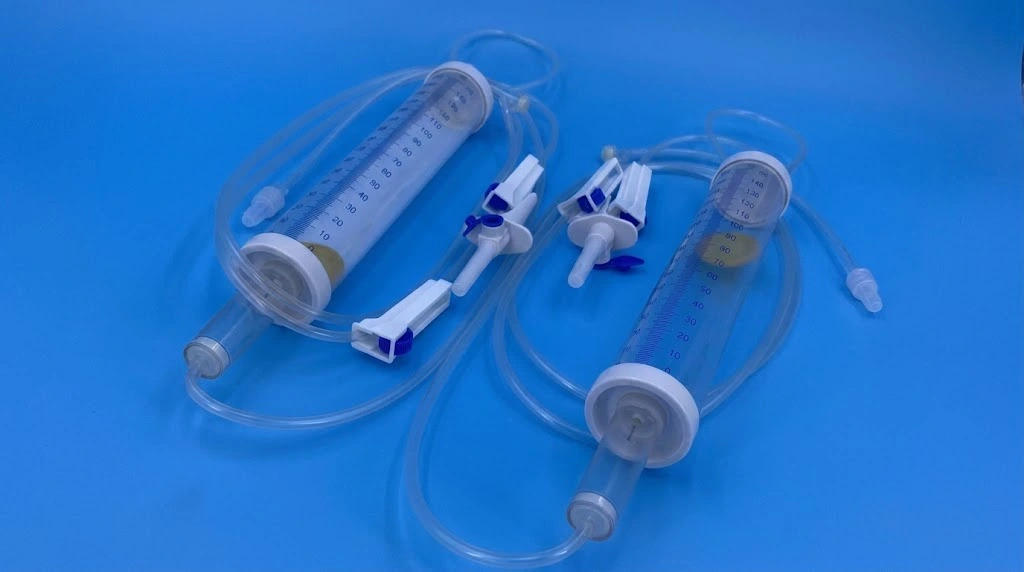
Burette injection sets have multiple built-in pieces that accurately control fluid flow. An IV bottle-compatible spike adapter sits at the top. Below this is a 100-150 ml graduated clear chamber. A measuring reservoir. This chamber features precise measurement markers, tested to within ±4% at the 100 ml level. This allows doctors and nurses to measure fluids precisely before administering them to patients.
Medical-grade tubing connects the burette chamber to the patient's vascular entrance site 150 cm. This tube is biocompatible with sensitive children and constructed of DEHP-free plastic and polyethylene. The metered dropper in the micro-drip chamber makes 60 drops per milliliter. This allows accurate titration, which is impossible with 20-drop adult sets.
When the fluid level drops, an automated float valve closes the chamber outlet to prevent air leaks. A 0.2-micron bacterial air vent equalizes pressure without letting particles in. The roller clamp in the middle of the tube allows you to adjust flow, and the end has a high-quality stainless steel needle that is designed to minimize blood vessel damage.
The Critical Role of 150cm Tubing Length
In pediatric critical care, tube length may seem like a minor technical matter, but it addresses many issues. Standard adult IV systems include 180-210 cm of tubing, which is too lengthy for little patients and can bunch up, kink, and tangle. However, sets with tubing under 120 cm make IV pole and infusion pump positioning harder.
The 150cm standard is an engineer's compromise. This length allows the IV bottle to hang on outside poles in closed incubators in newborn intensive care units without straining weak peripheral or umbilical catheters. After surgery, fluid bags can be put above adjustable-height beds while children sleep and move naturally.
This design excels in transportation. Emergency medical staff in cramped vehicle compartments can keep drip bottles away from patients and maintain flow by gravity. Medical-grade tubing doesn't kink, so distribution rates remain constant around equipment or in tight spaces.
Material Safety and Regulatory Compliance
Young people are more chemically sensitive than adults. Selecting the proper materials is crucial due to their developing organs and greater metabolisms per kilogram. Long-term use of DEHP-plasticized PVC tubing may disrupt hormones.
DEHP-free materials make modern pediatric sets flexible and durable without leaking dangerous toxins. Building without latex doesn't bother latex-allergic people. Every item undergoes 10^-6 sterility assurance with ethylene oxide, ensuring pyrogen-free fluid pathways and pharmaceutical-grade cleanliness.
Following ISO 13485 quality management system guidelines, CE marking under the Medical Device Regulation, and FDA certification gives procurement professionals the proof they need for regulatory acceptance in many overseas markets for Pediatric burette infusion Bottle Set 150cm tubing. Certified products are created in cleanrooms that satisfy strict requirements (typically Class 100,000) and that each stage of the production process has been tested and confirmed to work.
Comparing Pediatric Burette Infusion Sets to Standard Infusion Sets
Knowing the differences between IV systems for kids and adults helps procurement teams make smart buying choices that meet clinical goals and patient safety standards.
Design and Functional Distinctions
Standard adult infusion settings offer lots of liquids. Their macro-drip chambers produce 10–20 drips per milliliter, which can swiftly hydrate stable cardiovascular patients or give blood products. Since there are no volume-limiting containers, the entire 500ml or 1000ml bag can be injected.
Paediatric burette systems reorder priority. The 100–150 ml graduated chamber serves as a supplemental reservoir. This chamber is filled with the proper amount of fluid by clinicians to prevent accidental over-infusion. Even without tracking stops or flow clamps, the burette volume is the largest fluid exposure.
The 60-drop micro-drip arrangement alters dosing. One drop of 0.017 ml instead of 0.05 to 0.1 ml makes it easier for doctors to titrate vasoactive medicines or electrolyte supplements for 200-300 ml patients.
Brand Comparison and Market Landscape
Many well-known businesses make pediatric injection sets, and each has its own design philosophy. The Buretrol range from BD contains clear acrylic burette chambers with large graduation markings that are simple to read in various lighting conditions. Their packages usually include 150cm tubing with female luer-lock connections for most pediatric IV catheters.
Baxter's Continu-Flo systems use double-clamp mechanisms to prevent fluid leaks during pump loading and movement. Their pediatric setups provide membrane filtration to remove even more particles, but this adds cost that budget-conscious buyers should consider.
Smiths Medical produces color-coded systems that make pediatric and adult setups easy to distinguish. This reduces rapid clinical selection errors. They use customized polymer blends to make their tubes kink-resistant and flexible throughout a range of temperatures used in transportation and outdoor emergencies.
OEM skills are crucial for emerging market medical suppliers and distributors. Regional distributors can create specialized product lines without investing in inventory by using manufacturers who offer customizable packaging, labeling, and branding for orders as little as 5,000 pieces. This versatility helps enterprises enter Southeast Asian, Middle Eastern, Latin American, and African healthcare systems, where pediatric specialty suppliers face differing norms and logistics.
How to Use and Maintain Pediatric Burette Infusion Sets with 150cm Tubing?
Setting up and maintaining devices correctly has a direct effect on how well they work and how long they last. Standardized procedures that cut down on user error and improve product performance are good for both healthcare facilities and distributors.
Assembly and Initial Setup Protocol
Before connecting, check the infusion set's package seal and sterilization indicators. No matter the appearance, compromised packaging warrants device rejection. Check the tube length to ensure the 150 cm standard meets clinical application and positioning criteria.
Hang the main IV solution container on the pole 60–90 cm above the needle for gravity-fed systems. Remove the protective cap and twist the spike into the bottle port until it's firmly in position. For hard containers, turn the bottle over down. Keep bottles upright in collapsable bags.
When the flow clamp of the Pediatric burette infusion Bottle Set 150cm tubing is fully open, squeeze the drip chamber to one-third full. When finished, open the chamber clamp and fill the burette chamber to your liking. The float valve seats to prevent air from entering the tubing downstream after the chamber is empty.
Open the roller clamp and let the fluid press out air to prime the 150cm tube. Tap the tube slightly to release bubbles into the drip chamber. Close the clamp and connect to the patient's vascular access device aseptically once the needle hub has no air holes.
Operational Best Practices During Infusion
Check burette chamber volume frequently during treatments. Fill before it's empty to avoid the float valve opening and stopping flow. Record how much fluid is put on the burette to determine a child's fluid balance.
Check the 150cm tubing path every time you see a patient. Move the tube around to remove kinks, especially where it joins to other sections and hangs over the bed or equipment. Instead of tape, which produces sticky residue that might damage equipment, use the correct clamps to secure excess tubing.
The greater tube length enables the patient to move, but obstruction concerns must be monitored. Sleeping kids can roll onto the tubing or grab it when fidgety. Moving tubes should have unobstructed pathways away from patient limbs and room for position modifications.
Maintenance and Troubleshooting Common Issues
Systematic troubleshooting determines why infusion rates vary despite pump programming. See if the roller clamp is half closed—flow resistance sounds like a blockage alarm. Look for height discrepancies if the patient bed was relocated, which can modify gravity-fed device ambient pressure.
Temperature changes that alter dissolved gas in the fluid generate bubbles in the drip chamber or 150 cm of tubing. Tap the damaged regions gently to transfer bubbles to the drip chamber, where they will securely congregate above the fluid. Bubbles may indicate tainted fluid or a leaky container, so replace fluid bags.
When flow ceases and the float valve opens, the burette chamber is empty. Get the chamber full and let the float descend smoothly. Sticky float mechanisms indicate set manufacturing issues and should not be corrected in the field. Deficiencies in valve performance prevent air embolism protection; thus, replace the set.
Luer-lock tubing disconnections are caused by improper setup or mechanical stress as the patient moves. Always move connectors clockwise until resistance indicates good seating. Luer-lock locking devices are useful in emergency transport, when shaking and movement might create disconnections.
Procurement Considerations for Pediatric Burette Infusion Sets with 150cm Tubing
Healthcare procurement professionals have to make tough choices all the while keeping costs low, managing inventory, following rules, and improving patient outcomes. Pediatric specialty supplies add another level of complexity that needs to be carefully considered when evaluating suppliers.
Quality Benchmarks and Certification Requirements
Any pediatric infusion device entering your supply chain must meet international medical device standards. ISO 13485 certification verifies the company's quality management systems. These systems govern design, production, and post-sale monitoring. This license doesn't guarantee product quality, but it shows the company can meet production criteria.
CE marking verifies that medical equipment meets European market entry requirements under MDR 2017/745. Most infusion sets are Class IIa and require technical documentation to meet safety and performance standards. Request Declaration of Conformity and, for more harmful usage, Notified Body certificates to verify third-party assessment.
A product can be sold in the US with FDA 510(k) premarket notice approval. While it's not required for all overseas markets, many procurement managers view FDA certification as an indication of quality because it indicates clinical validation and well-controlled manufacturing. CE and FDA-cleared manufacturers have greater process documentation standards, making local regulator approvals easier.
ISO 10993 requires biocompatibility test findings in material safety documents. These reports should contain cytotoxicity, sensitivity, and irritation studies. DEHP-free clearance is crucial for neonatal usage, where phthalate exposure concerns determine material choice. Ask for test certificates proving the device is latex-free and meets USP parenteral device pyrogen limits.
Evaluating Supplier Credibility and Capabilities
In addition to product certifications, seller reviews consider company stability, production, and customer service. Manufacturers with cleanrooms over 10,000 square meters are serious about creating a lot of items and investing in controlled environments. Learn about cleanroom kinds. Class 100,000 (ISO 8) is the IV set assembly standard, and Class 10,000 (ISO 7) improves contamination control.
Production capacity affects supply reliability. Suppliers with minimum order sizes around 5,000 items give smaller distributors flexibility without limiting inventories. This level aids regional market launch preparations when demand is uncertain. However, manufacturers that require 50,000 pieces lock up cash in inventory that doesn't move rapidly, which isn't good for distributors in emerging markets.
OEM and ODM help Pediatric burette infusion Bottle Set 150cm tubing infant providers create brands. Custom package design, labelling language localisation, and unique specs can help producers stand out in competitive procurement environments. Wholesalers who buy custom molds or feature combos that require secrecy agreements should check intellectual property laws.
How successfully you meet lead times influences inventory planning and customer service. Standard 30-45-day production cycles fit hospital purchases and distributor restocking. Manufacturers with buffer stocks and surge capacity of raw materials can handle demand increases during public health emergencies or mass illness.
Cost Analysis and Bulk Ordering Strategies
Paediatric burette sets cost 40–60% more than adult IV sets due to unique parts and smaller production. Procurement teams should consider total cost of ownership, not just unit pricing. Despite greater buying costs, sets with better kink resistance may last longer and require fewer replacements.
Customers with larger pledges pay less per unit in volume-tiered pricing systems. A distributor who buys 5,000 pieces every three months may spend $1.20 a set, while one who buys 50,000 pieces annually may cost $0.85 to $0.95. Consider the expense of excess inventory versus the savings on purchases. Opportunity costs exceed minor per-unit savings when capital is locked up in slow-moving stock.
Payment terms affect cash flow management. For first-time foreign purchases, providers who accept Letters of Credit reduce risk, but LC fees add 0.5% to 1.5% to costs. Distributors with narrow profit margins may negotiate 30–60-day payment terms with suppliers if they have a relationship.

Future Trends and Innovations in Pediatric Infusion Sets and Tubing Lengths
New medical devices are always changing how doctors can do their jobs and how people buy things. Healthcare suppliers can predict changes in the market and find ways to gain a competitive edge by staying up to date on new technologies.
Advanced Materials and Smart Integration
Materials science studies look into how to make polymer mixtures that are more biocompatible and have antimicrobial qualities. In lab tests, silver-ion-impregnated tubing showed resistance to bacterial colonization. This could help lower catheter-related bloodstream infections, which are a common problem in pediatric critical care. Even though it costs more to make, preventing infections may be worth the extra money in quality-focused buying plans.
Using modified thermoplastic elastomers to make kink-resistant tubing keeps its flexibility over a wider temperature range than regular PVC. This is helpful in emergency situations where the environment can change quickly, from warm ambulances to outdoor airlifts. Better mechanical memory helps the tubing return to its original shape after being compressed, so the flow rate stays the same along the 150 cm length.
Smart infusion monitoring is the newest and most advanced device in IV treatment. Sensors built into the tubes can find air bubbles, blockages, and changes in flow rate in real time and send alerts to nurse stations or mobile phones. Integration with electronic health records lets automated documentation and early warning systems find changes in therapy before they have a negative effect on patients. At the moment, applications focus on infusion pumps, but adding support for gravity-fed systems is on the list of things that need to be done.
Regulatory Evolution and Customization Trends
Regulatory frameworks put more and more weight on real-world evidence and surveillance after the product has been sold. The European Medical Device Regulation calls for stricter clinical evaluations than the guidelines that came before it. This could make it harder for smaller makers that don't have a lot of clinical data. Procurement managers should expect supplier consolidation because the costs of compliance favor bigger companies with regulatory affairs departments.
Customization trends show that people are becoming more aware of the fact that kids have a wide range of body types. Premature babies weighing less than 1 kilogram have very different physical issues than teens who are getting close to adult size. Manufacturers who think ahead make product groups that include a range of tubing lengths, burette sizes, and connector types. With this modular method, hospitals can stick to a single source while still being able to handle a wide range of clinical situations.
As healthcare systems deal with their environmental impacts, sustainability issues come up in discussions about buying things. A lot of plastic trash is made by single-use gadgets, which is why people are looking into recyclable materials and programs that let you return used items. Reusable choices for fluid routes are limited by the need to be sterile and the risk of cross-contamination. However, healthcare systems that care about the environment are interested in buying materials from companies that are looking into closed-loop recycling for packaging.

Conclusion
The Pediatric burette infusion Bottle Set 150cm tubing requirement in pediatric burette infusion sets is not just a random choice of size—it is the result of precise engineering to meet the special clinical needs of newborn and pediatric intravenous treatment. This length strikes a balance between operational flexibility and patient safety, allowing for the correct positioning of equipment while maintaining the flow accuracy that is necessary for vulnerable groups. When purchasing these gadgets, people in charge need to look at things like quality certifications, material safety profiles, the supplier's abilities, and the total cost within the context of strategic sourcing frameworks. As medical technology improves with smart monitoring and better biomaterials, the most important thing that stays the same is giving patients the exact amount of fluid they need, since their bodies measure errors in milliliters instead of liters.
FAQ
Why is 150cm considered optimal for pediatric IV tubing?
The 150cm length solves some real clinical problems that come up in pediatric settings. It has enough length to reach IV poles placed outside of newborn incubators without having too much material like adult sets do, which can kink and tangle small patients. This standard allows for normal distances between fluid sources and pediatric vascular access sites in a range of care settings, from fixed NICU beds to mobile emergency transport setups, without affecting the flow stability needed for accurate micro-dosing.
How does the burette chamber enhance safety compared to standard IV sets?
As a secondary reservoir, the graduated burette chamber limits the amount of fluid that can be stored and physically separates the measured fluid amount from the primary solution container. Clinicians fill this chamber with exactly the right amount of fluid, which prevents over-infusion by accident. Even if the flow control devices fail, the most fluid that can be delivered is limited to the burette's capacity (usually 100–150 ml), not the whole bag's contents. This greatly lowers the risk of fluid overload in patients whose total blood volume is only 200–300 ml.
What certifications should procurement teams verify?
Some important certifications are compliance with the ISO 13485 quality management system, CE marking under the Medical Device Regulation, and ideally FDA 510(k) clearance. Ask for proof of biocompatibility testing according to ISO 10993 standards, sterility validation reports stating that EO sterilization meets SAL 10^-6, and material safety certificates showing that the construction is DEHP- and latex-free. These papers show that the company is following the rules and creating the quality base needed for safe therapeutic use.
Partner with AVACARE for Certified Pediatric Infusion Solutions
To provide excellent healthcare, companies must work together with trusting partners who know that pediatric care can't be compromised. AVACARE is an expert in making high-quality Pediatric burette infusion Bottle Set 150cm tubing. They make it in their 12,000 m² factory, which has Class 100,000 cleanrooms and is protected by seven national patents. Our production methods are ISO 13485 and CE certified, so you can be sure that the quality will always meet the high standards your clinical partners need. Our open customization options and low minimum order number of 5,000 pieces help your market entry strategy, whether you're a regional distributor building a specialized pediatric portfolio or an OEM client looking for custom solutions. We encourage buying managers and medical device sellers to look into ways to work together to make your products better. You can reach our team at admin@aileindus.com or visit ailemedicals.com to talk about how our experience as a pediatric infusion set manufacturer can help you stay competitive and improve patient safety for the youngest patients.

References
1. American Society of Health-System Pharmacists. (2020). ASHP Guidelines on Preventing Medication Errors in Hospitals. American Journal of Health-System Pharmacy, 77(19), 1508-1517.
2. Infusion Nurses Society. (2021). Infusion Therapy Standards of Practice for Pediatric Populations. Journal of Infusion Nursing, 44(1S), S1-S224.
3. International Organization for Standardization. (2019). ISO 8536-4:2019 Infusion Equipment for Medical Use — Part 4: Infusion Sets for Single Use, Gravity Feed. Geneva: ISO Standards.
4. Paediatric Intensive Care Society. (2018). Quality Standards for the Care of Critically Ill Children: Medication Safety and Fluid Management Guidelines. London: PICS Publications.
5. World Health Organization. (2021). Medical Device Regulations: Global Overview and Guiding Principles for Pediatric Equipment. WHO Technical Report Series No. 1031.
6. European Medicines Agency. (2022). Guideline on Pharmaceutical Development of Medicines for Paediatric Use: Device-Drug Combination Products. EMA/CHMP/QWP/805880/2012 Rev. 2.

_1782811410038.webp)