Mastering the "Dural Pop": Tips for Getting the Best Tactile Feedback with Pencil-Point Needles
When performing spinal anesthesia, that distinct sensation—the "dural pop"—is a defining moment. It tells the clinician that the needle has successfully entered the subarachnoid space. The pencil-point spinal needle has revolutionized this experience by offering superior tactile feedback compared to traditional cutting-tip designs. This atraumatic device, with its conical tip and lateral port, enables anesthesiologists to navigate delicate spinal anatomy with confidence and precision. Understanding how to optimize this feedback can dramatically improve procedural success rates, minimize patient complications, and deliver the safety standards that procurement managers and clinical directors demand.
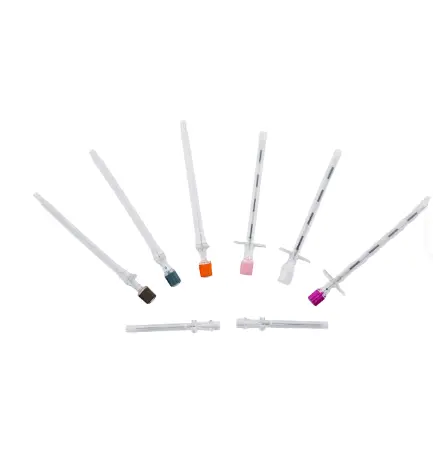
Understanding the "Dural Pop" and Pencil-Point Spinal Needles
What Is the Dural Pop?
The dural pop is the sound that you hear when the needle goes through the dura mater, which is a tough material that surrounds the spinal cord and cerebrospinal fluid (CSF). This small but important clue lets you know right away that the needle has hit the goal area. If this feeling is missed or misunderstood, it can lead to failed blocks, more attempts, and more pain for the patient.
Why Pencil-Point Design Matters
Pencil-point spinal needles, such as the Whitacre and Sprotte varieties, are fundamentally different from older Quincke-style cutting needles. The pencil-point shape doesn't cut through dural fibers; instead, it gently splits them. This method doesn't hurt the tissues as much, so the dura can shut better after the needle is taken out. Post-Dural Puncture Headache (PDPH), a painful side effect that has been a problem with neuraxial anesthesia for decades, has gone down a lot as a result.
Studies in humans show that the risk of PDPH drops from 10-15% when cutting needles are used to less than 3% when pencil-point needles are used, especially when smaller gauges like 25G or 27G are used. The shape also makes the input feel better. The rounded tip faces increasing resistance as it moves through the ligaments and dura, giving a clear "give" when it reaches the dura.
Anatomy and Needle Design Synergy
Clinicians can better understand tactile signals when they know about the anatomy of the spine. Before getting to the subarachnoid space, the needle goes through the skin, subcutaneous tissue, supraspinous ligament, interspinous ligament, ligamentum flavum, epidural space, and dura mater. Each layer has a different amount of resistance. The optimized tip shape of the pencil-point spinal needle increases the feeling at the last barrier, the dura, and the polished lateral port near the tip makes sure that CSF flashback happens right away once the needle is in the right place.

Tips and Best Practices for Mastering Tactile Feedback with Pencil-Point Needles
Selecting the Right Needle
It is very important to pick the right size and needle length. 25G to 27G needles that are 90 mm long are the best choice for adult patients because they allow for good tactile transmission and prevent PDPH. While larger sizes, like 22G, offer more noticeable feedback, they also come with a higher risk of headaches. For example, pediatric or obese patients may need custom specifications to take into account differences in their bodies.
Insertion Technique: Angle and Depth Control
The right way to place a needle starts with how the patient is positioned. When you sit in a lateral decubitus position, your spinal landmarks are more stable. After putting in the introducer, move the pencil-point spinal needle forward slowly and carefully. To move through the interspinous space without hitting bone, keep a small cephalad angle of about 10 to 15 degrees. You can feel each layer of flesh by moving slowly and carefully. When you rush through insertion, you block sense information and make it more likely that you will go too far into the subarachnoid space.
Recognizing the Tactile Sequence
As the needle moves forward, you can expect a series of resistances with whitacre spinal needle. There is a typical rubbery feel to the ligamentum flavum. After that, there is a short loss of resistance that means entry into the epidural space. The last dural pop is soft but clear—a faint "click" or "give" that lets you know the subarachnoid has penetrated. When you use a Pencil-point spinal needle instead of a cutting needle, this feeling comes on more slowly, but it's more predictable once you learn to name it.
Common Pitfalls and Troubleshooting
Many mistakes in the procedure are caused by bad stylet management. When you take out the stylet, always do it slowly to look for CSF return. If the stylet is taken out too soon, tissue can get stuck in the lateral port and make it hard to see the dural pop. Another mistake is using too much force. When you press too hard, you compress the tissues and hide the tactile cues. Keep your grip light and steady. If there is no flashback after what you think is a dural pop, turn the needle 90 degrees. The side port could be touching nerve roots or bone.

Comparing Pencil-Point Needles with Other Spinal Needle Types
Design Distinctions and Tactile Differences
The cutting edge of traditional Quincke needles is sharp and bevelled. They cut through the dura smoothly, but they also cut through fibers, which makes the flaws bigger and the CSF leak rate higher. This problem is completely avoided by the pencil-point form. It keeps the integrity of the dura mater and sends a softer, more controlled tactile signal by splitting fibers instead of cutting them. Clinicians often call the feeling of a pencil point a "gentle pop," while the feeling of a cutting needle is stronger and more sudden.
Brand and Product Considerations
Leading companies like BD, Pajunk, Medtronic, Smiths Medical, and Terumo all make their own versions of pencil-point technology. The Whitacre needle from BD is known for having consistent tactile feedback and a clear hub that makes it easier to look at the CSF. Pajunk stresses the importance of needle stiffness, which makes it easier to control direction in difficult spine structure. Medtronic and Smiths Medical both focus on making hubs that are comfortable, which keeps your hands from getting tired during long treatments. Ultra-smooth needle coatings are built into Terumo to reduce friction and improve insertion comfort.
Cost-Effectiveness and ROI
Pencil-point spinal needles typically cost 20–30% more than cutting needles. But fewer complications linked to PDPH mean shorter hospital stays, fewer blood patch procedures, and higher patient happiness scores. When it comes to buying things, the initial investment pays off in the long run and fits with value-based care plans that put patient results ahead of unit cost.

Procurement Insights: How to Source High-Quality Pencil-Point Spinal Needles
Evaluation Criteria for B2B Buyers
When deciding where to get something, you have to weigh clinical success, legal compliance, and the reliability of the supply chain. Start by getting certifications. The ISO 13485 and CE marking show that the product meets world standards for quality control. To sell in the U.S., you need FDA approval. Check the product's traceability as well as its certifications. It should be easy to find batch numbers, factory dates, and quality assurance paperwork.
Supplier Reliability and Logistics
Long-term partnerships depend on being available all the time and being able to act quickly. Check to see if the seller can handle urgent orders and what their history is for delivering on time. Supply disruptions are kept to a minimum by global logistics features like travel insurance and multiple shipping choices. AVACARE was founded in 2014 and has seven national patents. Its production facility is 12,000 square meters and has 100,000-level cleanrooms. Their Pencil-point spinal needles, which are offered in sizes ranging from 18G to 27G and lengths of 90 mm, have received CE marking and ISO 13485 certification. These eco-friendly Class III devices are made from medical-grade PVC and stainless steel. They greatly lower PDPH by having a tip shape that is optimised and a hub that is crystal clear for quick CSF flashback observation.
Bulk Purchasing and Customization
A lot of the time, the lowest amount you can buy is 5,000 units. People who want to buy branded goods should ask about custom labeling and localized packaging for atraumatic spinal needles. Custom branding is possible with AVACARE. Production lead times are 30 to 45 days, and payment terms are flexible, including L/C and T/T. By giving samples, clinical teams can check the tactile feedback and make sure everything works well together before placing large orders.
Technical Support and Training
The value of procurement goes beyond the product itself. Suppliers that offer full training programs, manuals in multiple languages, and technical support 24 hours a day, 7 days a week improve clinical competency and cut down on procedural errors. AVACARE's full-lifecycle support model includes professional technical training and quick reaction systems that make sure the system fits in perfectly with clinical processes.
Ensuring Safety and Minimizing Complications with Pencil-Point Needles
Evidence-Based Safety Advantages
The clinical literature regularly shows that pencil-point spinal needles are 60–70% less likely to cause PDPH than cutting-tip types. This benefit is especially strong for people who are at a high risk, like young women having cesarean sections and people who are having surgery while walking. Because the round tip deflects nerve tissue instead of cutting it, the atraumatic shape also lowers the risk of nerve damage.
Identifying Early Complication Signs
Even though they look safe, Pencil-point spinal needles can still be dangerous. Watch out for instant warning signs, such as pain during insertion, needle progress that is harder than expected, or bloody CSF return. Each signal needs to be looked at again. Headaches that don't go away after 24 hours may be a sign of PDPH, though this is much less likely to happen with pencil-point devices. Set up standard ways for reporting complications to keep track of bad events and encourage continuous improvement.
Training and Competency Development
The quality of the tools is only as good as the people who use them. In a safe setting, simulation-based training improves the ability to recognize textures. Best practices are reinforced by regular performance reviews and peer review events. Institutions that spend money on ongoing teaching have higher success rates on the first try and fewer patient complaints. Workshops and demo videos led by suppliers are useful because they turn technical specs into useful skills that can be used on the bedside.
Conclusion
It takes both art and science to master the dural pop with pencil-point spinal needles. Its atraumatic design gives you the best tactile feedback, lowers PDPH, and fits with the safety standards of modern anesthesia practice. Clinical teams and procurement workers can improve procedure results and patient happiness by learning about the anatomy of needles, improving insertion methods, and getting high-quality devices from certified suppliers. Strategic relationships with makers that offer full support, from providing samples to technical training, turn buying from a transactional process into a way for everyone to work together to improve clinical outcomes.
FAQ
What causes the dural pop sensation during spinal anesthesia?
When the needle goes through the dura mater, a thick, fibrous tissue, the dural pop happens. Pencil-point needles split dural fibers instead of cutting them. This makes a subtle but clear tactile signal that lets the doctor know they've reached the subarachnoid space.
Why are pencil-point needles preferred over Quincke cutting needles?
Pencil-point needles lower the risk of nerve damage and PDPH by 60–70%. Their non-traumatic form protects the integrity of the dura, which lets them seal faster after the needle is taken out and speeds up the patient's healing.
What gauge is recommended for optimal tactile feedback?
The best mix is found between gauges 25G and 27G. Smaller gauges reduce PDPH but slightly lower tactile transfer, while bigger gauges improve feedback but raise the risk of headaches.
How do I evaluate suppliers for bulk procurement?
Prioritise ISO 13485 and CE marking/FDA approval certificates, check the ability to track batches, and make sure the supply chain is reliable. Ask for samples to make sure the product works well in professional settings and make sure that the seller offers customization, training, and quick technical support.
Partner with a Trusted Pencil-Point Spinal Needle Supplier
AVACARE blends industrial quality that is ISO 13485-certified with a lot of clinical knowledge. Pencil-point spinal needles, which come in sizes 18G to 27G, give you accurate tactile feedback thanks to their optimized tip shape and crystal-clear hubs that let you see the CSF quickly. We serve healthcare institutions, distributors, and OEM/ODM partners all over the world with a minimum order size of 5,000 units, free samples, and the ability to add your own logo. Our 30-45-day production lead time and flexible payment terms (L/C, T/T) make it easy for us to fit into your supply chain. We offer full lifecycle support, including technical training and 24-hour rapid response, and our production is backed by seven national patents and a cleanroom level of 100,000. Please email us at admin@aileindus.com right away to talk about your needs with a pencil-point spinal needle manufacturer you can trust who is dedicated to your clinical success.
References
1. Turnbull, D. K., & Shepherd, D. B. (2003). Post-dural puncture headache: Pathogenesis, prevention, and treatment. British Journal of Anaesthesia, 91(5), 718-729.
2. Reina, M. A., De Leon-Casasola, O. A., Lopez, A., De Andres, J., Martin, S., & Mora, M. (2009). An in vitro study of dural lesions produced by 25-gauge Quincke and Whitacre needles evaluated by scanning electron microscopy. Regional Anesthesia and Pain Medicine, 25(4), 393-402.
3. Halpern, S., & Preston, R. (1994). Postdural puncture headache and spinal needle design: Metaanalyses. Anesthesiology, 81(6), 1376-1383.
4. Richman, J. M., Joe, E. M., Cohen, S. R., Rowlingson, A. J., Michaels, R. K., Jeffords, M. S., & Wu, C. L. (2006). Bevel direction and postdural puncture headache: A meta-analysis. Neurologist, 12(4), 224-228.
5. Lambert, D. H., Hurley, R. J., Hertwig, L., & Datta, S. (1997). Role of needle gauge and tip configuration in the production of lumbar puncture headache. Regional Anesthesia, 22(1), 66-72.
6. Corbett, J. J., & Mehta, M. P. (1983). Cerebrospinal fluid pressure in normal obese subjects and patients with pseudotumor cerebri. Neurology, 33(10), 1386-1388.

_1782811410038.webp)