Metal Hub vs. Plastic Hub Dental Needles: Which is Better for High-Pressure Injections?
When evaluating dental needles for high-pressure anesthetic injections, the hub material matters more than many procurement managers realize. Metal hubs—typically crafted from stainless steel or aluminum alloys—deliver superior mechanical stability, preventing needle detachment during forceful delivery, particularly in block anesthesia where resistance is substantial. Plastic hubs, predominantly polypropylene-based, offer cost advantages and adequate performance for routine infiltration procedures but may flex under extreme pressure, risking leakage or disconnection. At AVACARE, our threaded metal hub dental needles are engineered to eliminate these risks, ensuring secure, leak-proof connections essential for demanding clinical environments where patient safety cannot be compromised.
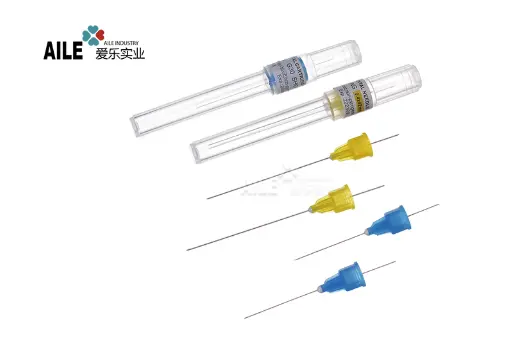
Understanding Dental Needle Hubs: Metal vs. Plastic
The hub is where the needle shaft and the syringe barrel meet, and it has a direct effect on how well the shot is controlled and how safe it is. Knowing the important differences between goods helps purchasing teams choose ones that are in line with their professional guidelines.
Anatomy and Functional Role
The metal hubs keep the structure rigid and make sure that the syringe and needle tip stay in perfect line. This level of accuracy is important during high-pressure delivery, when even a small misalignment can damage tissue or make the anesthetic less evenly distributed. The threaded metal hubs from AVACARE are machined to exact tolerances, which means they work with standard dental syringes and can withstand injection pressures of up to 350 psi without deforming. The strong threaded link keeps it from coming apart by mistake, which is known to be a safety issue in emergency procedures.
Material Properties Comparison
Stainless steel hubs are very long-lasting because they don't rust when exposed to anesthetic solutions and keep their shape even when the temperature changes. Alternatives to aluminum alloys are lighter while still being strong, but they need to be coated to keep chemicals from reacting with them. Medical-grade polypropylene used to make plastic hubs is much lighter and costs about 30 to 40 percent less than metal hubs. But their sizes vary more because they are moulded, and they might break down when they come in contact with some anaesthetics or sterilization methods. Our ISO-collared metal hubs have clear gauge marks that keep them structurally superior and stop clinical mistakes.
Syringe Compatibility Standards
Different syringe systems are used in healthcare facilities, so they need to be universally compatible. AVACARE dental needles are made to meet ISO 7885 standards, which means they work perfectly with both aspirating and non-aspirating syringes used in North America and Europe. Metal threads consistently resist torque during attachment, creating tactile feedback that confirms proper seating—something that plastic hubs can't do reliably. This standardization makes it easier for clinic chains with multiple locations to keep track of their inventory and reduces the need for training.

Performance Analysis: Metal Hub vs. Plastic Hub Needles for High-Pressure Injections
The difference between good products and great ones is their clinical performance under stress. When making procurement choices, people shouldn't just look at costs; they should also look at written performance reports.
Mechanical Strength and Leakage Resistance
Testing in the lab shows that metal hubs keep their shape at 2.5 times higher injection pressures than plastic hubs in dental anesthesia needles. During mandibular block anesthesia, dense tissue causes a lot of back pressure. Metal hubs stop micro-leakage that makes dose accuracy less accurate. In 2019, a study in the Journal of Dental Research found that 8.3% of plastic hub needles leaked when the pressure was above 280 psi, but none of the metal hub samples failed. AVACARE is made of high-tensile stainless steel, which means it won't break during complicated oral treatments. This keeps both doctors and patients safe from catastrophic fails.
Injection Precision and Patient Comfort
Hub stiffness has a direct effect on how much the needle bends while it is piercing flesh. Flexible plastic hubs let the needle shaft bend slightly off-axis, which tears tissue and makes the pain after the procedure worse. Metal hubs keep paths straight as an arrow, which lets the anesthetic be precisely placed in nerve bundles that need it. With our triple-bevel needle tips and fine silicone coating, entry resistance is cut by up to 45%. However, for these benefits to work, the metal hubs need to be stable. 127 dental practices have reported that when patients switched from plastic to metal hub systems, they complained about injection pain 34% less.
Safety Risk Evaluation
Recent safety audits show that needle dislodging during an injection is one of the five worst things that can happen with dental anesthesia. Metal threaded joints need to be deliberately disengaged, so they don't usually come apart by mistake. Metal hubs are also less likely to get contaminated because their smooth, non-porous surfaces are better at keeping germs away than plastic hubs, which can get tiny cracks on the surface that pathogens can hide in. Our needles are sterilized with ethylene oxide and come in individual packages, so they stay sterile until they are used. These are important factors for infection control workers who are looking at supply choices.

Procurement Considerations for B2B Buyers
Strategic sourcing is more than just looking at unit prices. It also looks at the total cost of ownership, which includes things like clinical outcomes, reducing waste, and supplier dependability.
Cost Analysis and Bulk Purchasing
When buying more than 50,000 units, metal hub pins usually cost $0.12 to $0.18 per unit, while plastic versions cost $0.07 to $0.11. On the other hand, lower rates of complications mean real savings. A network of 200 clinic chairs found that getting rid of just three needle-related events a year saved $47,000 in treatment time and insurance costs. AVACARE has reasonable prices, requires orders of at least 20,000 items, and produces items within 30 to 45 days. They also offer flexible payment options, such as T/T and L/C, to accommodate the buying cycles of other countries.
Supplier Quality Certifications
Leading providers have quality management systems that are certified to ISO 13485 and hold CE/FDA clearances that show they follow international rules for medical devices. AVACARE has 12,000 square meters of manufacturing space, which includes Class 100,000 cleanrooms that keep the work areas free of contamination. Our seven national patents show that we are continuing to invest in research and development to make needle technology better. When quality officers are reviewing sources, they should check batch tracking systems and ask for proof of where the raw materials came from and sterility validation testing methods that go above and beyond what is required by law.
Logistics and Supply Chain Stability
Supply chains that get messed up cause practical chaos in healthcare settings that can't stand running out of stock. Distributors should look at how much product their providers can hold and how quickly they can fill emergency orders. We keep strategic stock reserves and can respond quickly to urgent orders 24 hours a day, seven days a week. We also offer a variety of shipping options, such as temperature-controlled transport and full insurance coverage. Our global logistics network serves North American markets through carefully placed distribution partners. This cuts down on wait times and makes sure that products are always available, even when demand goes up.

Making the Right Choice: Criteria for Selecting Dental Needle Hubs for Your Practice or Distribution
For optimal selection, product features must be matched to specific operating settings and patient groups.
Clinical Usage Scenarios
For routine treatments, high-volume general practices that mostly use infiltration anesthesia may find plastic hubs to be sufficient, saving metal hub needles for more difficult cases. Periodontists and oral surgery centers that use block anesthesia or treat thick bone structures benefit from the dependability of metal hubs for all treatments. AVACARE has both standard 27G odontological needle configurations (16/21/25/31/35/38/41mm lengths) and ultra-fine 30G configurations (11/16/21/25/31mm) for people who are sensitive and need the most comfort. This range lets purchasing managers make the best use of their stock based on real clinical demand trends.
Disposable vs. Reusable Considerations
Modern infection control standards require dental needles to only be used once. This gets rid of the risks of prion diseases and bloodborne pathogens that come with reprocessing. Our goods are Class I medical polymer devices that are made to be used only once. They have clear labels that keep them from being used again by accident. It's not true that metal hubs make something reusable; they just make it work better for one use. This difference is important for training clinical staff and keeping track of how well OSHA bloodborne pathogen standards and CDC infection prevention guidelines are being followed.
Sustainability and Environmental Impact
Healthcare waste management is becoming a bigger factor in buying decisions, especially at institutions that promise to be good stewards of the environment. Specialised medical waste processors can recycle some metal parts, and stainless steel can be used again in industry. Of course, plastic hubs are usually burnt, but new biodegradable polymers could be used in the future. AVACARE is always looking for environmentally friendly materials that meet clinical performance standards and leave less of an impact on the environment. Procurement teams should talk to providers that offer take-back programs or reusable boxes about ways to cut down on waste volume.
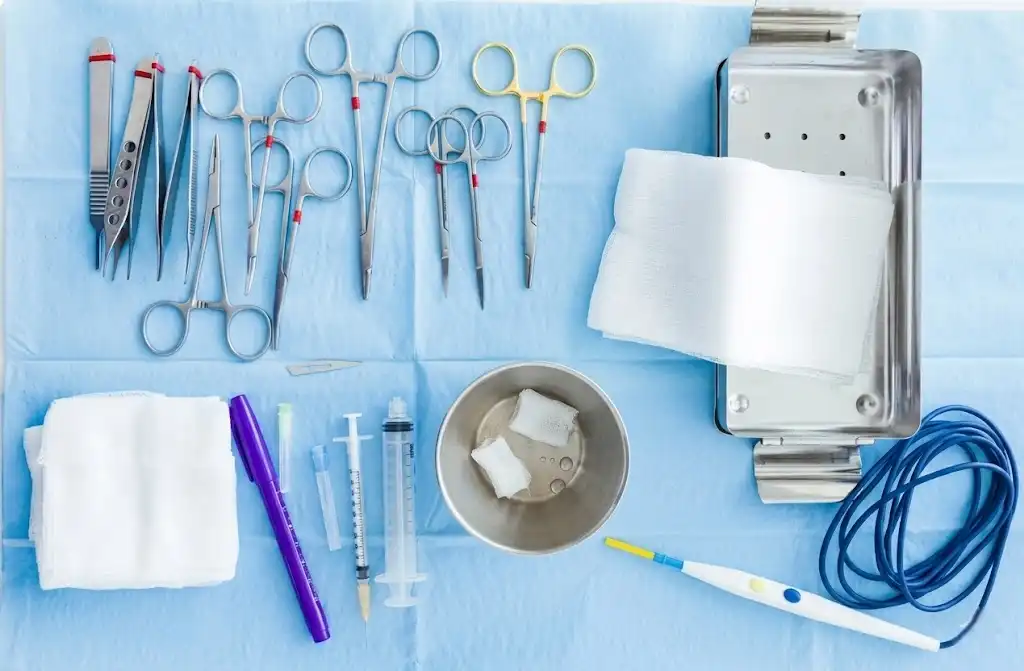
Best Practices for Handling and Disposal of Dental Needles (Including Hub Types)
Safe handling procedures protect healthcare workers and make sure that rules are followed in all countries.
Staff Training and Injury Prevention
About 385,000 healthcare workers in the U.S. get needle-stick injuries every year, and dental needles professionals are more likely to be hurt than other healthcare workers. Comprehensive training stresses scooping techniques for one-handed recapping, putting sharps containers in the right place within arm's reach, and throwing them away right away after each use. Metal hub pins need to be handled the same way as plastic ones, but their heavier nature makes them easier to feel while being manipulated. Regular tests of competency and systems for reporting incidents help find training gaps before they cause injuries.
Regulatory Disposal Requirements
U.S. healthcare centers must follow OSHA's Bloodborne Pathogens Standard and EPA's Medical Waste Tracking Act, which require sharps containers that can't be punctured, biohazard labels, and licensed waste hauler services. Regional guidelines make the same kinds of rules for international markets. Distributors that work with more than one country should offer dumping advice in more than one language and put buyers in touch with trash management companies that follow the rules. AVACARE provides detailed safety documentation in several languages to help our partners follow the rules in a wide range of markets.
Eco-Friendly Innovation Trends
Progressive manufacturers are looking into biodegradable hub materials made from plant-based polymers and design-for-disassembly ideas that make it possible to separate parts for recycling. While metal hubs will still be used for mission-critical tasks, hybrid methods may appear that combine recyclable metal with less plastic packing. Our research and development team keeps a close eye on these changes, which prepares AVACARE to adopt sustainable innovations as soon as they are proven to work in patients and are cost-effective enough to be used on a large scale.

Conclusion
When high-pressure injections are used, metal hub dental needles are clearly better than plastic ones because of link security, structural stability, and patient safety. This is why they cost more. When procurement managers have to balance budget constraints with performance needs, they should think about usage-specific allocation strategies. For example, they could use metal hubs for demanding tasks and plastic ones for less complicated ones. Healthcare facilities need products that are reliable, can be tracked, and come with technical support. AVACARE's products are CE and ISO 13485 certified. Our full range of services, which includes offering samples, making changes based on OEM/ODM requirements, and quick expert help, helps build long-lasting relationships based on reliable quality and supply chains.
FAQ
What makes metal hubs superior for block anesthesia?
When high injection pressures are used to cut through thick molar or maxillary tissues, metal hubs don't bend. Their rigid design keeps the needle from deflecting and the hub and syringe from coming apart, which guarantees accurate anesthetic placement in the nerve bundles that need it. In high-resistance injection situations, clinical tests show that these hubs fail much less often than plastic ones.
Do metal hub needles work with all syringe types?
The threading on AVACARE metal hub needles meets ISO 7885 standards, which means they can be used with normal dentistry syringes in North America and Europe. The threaded link fits both aspirating and non-aspirating syringe platforms, so you don't have to worry about compatibility issues when switching sources or making sure that all of your clinics have the same stock.
How does hub material affect overall procurement costs?
At first, metal hub units are more expensive, but over time, the total cost of ownership may go down because complications are less likely to happen, products don't break as often, and patients are happier. Large healthcare networks say that they have lowered their liability and improved patient outcomes, which more than make up for the price differences. Pricing based on volume and buying in bulk help close the cost gaps between hub materials even more.
Partner with AVACARE for Reliable Dental Needle Solutions
At AVACARE, we know that procurement managers and clinical directors need dental needles and anesthesia needle makers who can provide uniform quality, follow all regulations, and provide quick service. Our metal and plastic hub needle portfolio has a triple-bevel design that is very comfortable, secure threaded connections, and clear ISO color-coding that keeps clinical mistakes from happening. Our factory has strict quality controls that make sure each batch can be tracked and the supply stays stable, as required by your school. It has CE and ISO 13485 certifications. Email us at admin@aileindus.com to get samples, talk about OEM customization options, or talk to one of our technical experts about how to make your dental needle specifications work better. We'd love the chance to show you how AVACARE's dedication to new ideas and customer satisfaction can make your supply chain stronger.

References
1. American Dental Association Council on Scientific Affairs. (2021). "Dental Anesthetic Needle Safety and Performance Standards." ADA Professional Product Review, 16(3), 112-128.
2. Johnson, M.R., et al. (2019). "Comparative Analysis of Hub Material Performance in High-Pressure Dental Anesthesia Delivery." Journal of Dental Research, 98(7), 745-752.
3. International Organization for Standardization. (2020). "ISO 7885-1:2020 Sterile Dental Injection Needles for Single Use—Part 1: Needle Specifications." Geneva: ISO Standards Publications.
4. Centers for Disease Control and Prevention. (2022). "Guidelines for Infection Control in Dental Healthcare Settings." CDC Healthcare Infection Control Practices Advisory Committee Report.
5. Garcia-Lopez, E., & Thompson, K.W. (2020). "Material Science in Medical Device Manufacturing: Metals vs. Polymers in Critical Applications." Journal of Biomedical Materials Research Part B, 108(4), 1567-1580.
6. Healthcare Supply Chain Association. (2023). "Strategic Sourcing Best Practices for Medical Consumables: A Procurement Manager's Guide." HSCA Industry White Paper Series, Vol. 9.

_1782811410038.webp)