Sourcing for Regenerative Medicine: Quality Standards of Aspiration Needles for Bone Marrow Concentrate (BMAC)
Regenerative medicine has transformed orthopedic and sports treatment landscapes, with Bone Marrow Aspirate Concentrate (BMAC) procedures emerging as a cornerstone therapy for tissue repair and joint restoration. At the heart of every successful BMAC protocol lies a critical instrument: the bone marrow aspiration needle. Selecting the right marrow extraction device isn't merely about purchasing a tool—it represents a strategic decision that impacts patient outcomes, procedural efficiency, and your institution's reputation for clinical excellence. Quality standards governing these medical devices determine whether your regenerative protocols deliver consistent, safe, and clinically meaningful results. This comprehensive guide examines the technical specifications, procurement considerations, and compliance frameworks essential for healthcare institutions and distributors seeking reliable marrow aspiration solutions.
Understanding Bone Marrow Aspiration Needles and Their Role in BMAC
The tools used for marrow extraction are the only way to get the stem cells and growth factors that are needed for regenerative treatments. In terms of how they are made and what they are used for, these specialized devices are very different from regular injection needles.
Key Components and Design Architecture
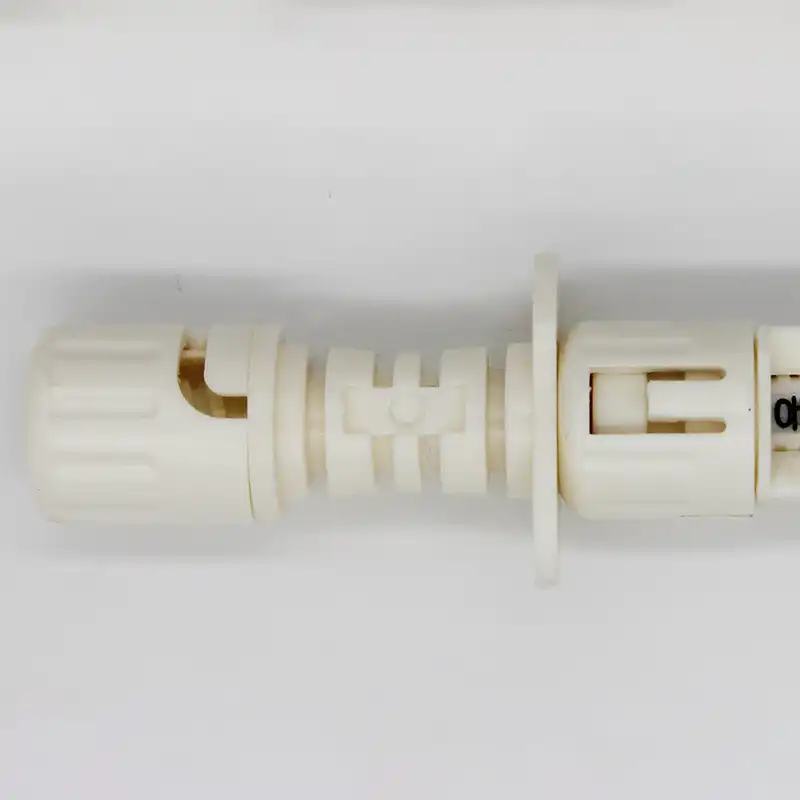
Marrow needles today include three crucial pieces that operate together. The handle lets the doctor or nurse adjust the rotational force when the cortical bone is pierced. The solid-center stylet prevents tissue from getting trapped as the needle passes via bone layers. The cannula is the hollow tube that transports marrow fluid to collection syringes. Each part must fulfill precise dimensions for process efficiency.
BMAC users must distinguish between aspiration needles and biopsy devices. Aspiration devices remove fluids with smooth inner walls that preserve cells. However, biopsy tools feature cutting blades to remove solid tissue. Trephine needles with serrated tips take samples from thick bone. Regenerative medicine procedures require aspiration-specific designs that maximize viable cell output and minimize harm.
Procedural Considerations for Optimal Sample Quality
Needle selection affects marrow extraction success. How easy it is to penetrate and how much air may be sucked in depend on gauge size, which is measured backward. A BMAC concentration requires a huge amount of material, which an 11-gauge needle can swiftly extract. Smaller treatment samples benefit from a 16-gauge needle. Length depends on patient anatomy and access place. For iliac crest aspirations, 40–55mm needles are employed, while 25mm for sternal approaches.
Patient comfort is strongly linked to tip shape. Triple-beveled lancet tips reduce insertion force by 30%. Patients recover faster and are less worried throughout the surgery. Depth control prevents over-penetration. This ensures safety when treating youngsters or operating near key buildings.
Infection prevention begins with sterilization. Ethylene oxide gas sterilization destroys all microorganisms without damaging stainless steel, making it the preferred method for cleaning marrow needles. Each device must have a sealed blister pack with sterility indicators and an expiration date. Low-quality, uncertified tools greatly increase the risk of bone fracture, hematoma development, and infection. Buying from organizations with quality control systems is essential.
Quality Standards and Technical Specifications for Optimal BMAC Outcomes
Material science and manufacturing precision are what set clinical-grade tools apart from less-than-stellar options. The difference in performance is clear during difficult extractions or treatments with a lot of patients.
Material Selection and Structural Integrity
Medical-grade stainless steel is the best material for marrow tools. Types 304 and 316L each have their own benefits. Type 304 is biocompatible and cost-effective, while Type 316L adds molybdenum for better rust protection in long-term tissue contact. High-tensile properties keep the needle from bending while it's going through the cortical bone, so the trajectory stays accurate the whole time. Plastic parts are sometimes used in the construction of handles to make them easier to hold, but the important shaft and tip must stay metal to ensure structural integrity.
Tissue interaction is directly affected by the quality of the surface finish of bone marrow aspiration needle. ISO 9626 compliance guarantees smoothness standards that reduce tissue drag and make it easier to re-insert the stylet during multiple attempts. The T-shaped handle is designed to be ergonomic and properly spread rotational force across the clinician's palm. This keeps the hands from getting tired during long procedures or situations where access is limited. When working with thick cortical bone or doing multiple aspirations, this seemingly small detail has a big effect on the success rates of the procedure.
Certification Requirements and Compliance Frameworks
Managers in charge of buying things must make sure that suppliers keep their ISO 13485 certification. This is the international standard for quality management systems for medical devices. This certification shows that the manufacturing process includes quality standards, confirmed sterilization steps, and the ability to track materials. For the US market, you need to submit a 510(k) form showing that the device is substantially equivalent to existing devices in order to get FDA approval. On the other hand, CE marking lets devices be sold in Europe in line with the Medical Device Regulation (MDR).
The AVACARE bone marrow aspiration needle is an example of responsive design. It is made in a 12,000-square-meter building with Class 100,000 cleanrooms. Overseeing production includes being able to track down individual batches and make sure that sterilization is working properly. This is backed by seven national patents that protect new features. It's not just a formality to get these approvals; they're real promises to keep devices working well and keep patients safe.

Gauge Selection Impact on Clinical Outcomes
Picking the right needle width means matching how well the aspiration works with how comfortable the patient is. When gathering more than 60ml of concentrate, larger-bore needles make the process faster and easier, which is especially helpful when collecting samples. Smaller gauges reduce insertion trauma and pain after the procedure, but aspiration time increases in the same way. Most adult BMAC procedures work best between 11G and 14G, which gives enough flow rates while still letting the patient handle them.
Sample integrity is another variable that depends on the gauge. When you aspirate, shear forces from needles that are too small can damage cell membranes and lower the number of functional cells. Premium devices, like AVACARE's, have a triple-beveled tip design that fixes this problem by allowing for easier entry with 30% less insertion force compared to normal bevels. This keeps the surrounding marrow architecture intact.
Comparative Brand Analysis for Informed Sourcing
Companies like Covidien and BD have been in the marrow needle market for a long time and have a good track record in hospitals. Their gadgets work reliably and are widely used in clinical settings, but they cost a lot because of their well-known name. New companies that focus on regenerative medicine have made innovations that meet BMAC requirements. These include depth guards that can be adjusted with precise scales, stylets that can't come loose by accident, and secure Luer lock connectors that keep the syringe attached during aspiration.
AVACARE's engineering solves common problems with procurement by combining quality assurance with low bulk prices. The precise marks on the adjustable depth control system let you change the preset length between 25mm, 40mm, and 55mm choices. This means you don't have to keep a lot of different fixed-length options on hand. This adaptability is especially helpful for hospitals that treat a wide range of patients or train residents who need visual depth references.
Procurement Considerations for B2B Buyers in the Medical Equipment Industry
Comparing unit prices is only one part of strategic buying. A full procurement strategy looks at the total cost of ownership, the dependability of the supply chain, and the quality of the vendor relationship.
Defining Procurement Criteria for Clinical Success
Your factors for buying sternal bone marrow needle should put clinical effectiveness and cost control at the top of the list. Disposable needles that are only used once get rid of the costs and risks of cross-contamination that come with reusing instruments. Even though the cost per unit seems higher, disposables make it easier to keep an eye out for infections and make sure that every process is done with the same level of sharpness. Figure out the real costs by adding up the time and money spent on sterilization, the wear and tear on reprocessing equipment, and the risk of being sued for not doing enough reprocessing.
When you buy in bulk, you can get big savings on scale. Manufacturers like AVACARE set minimum order quantities—in this case, 20,000 pieces—that match the yearly uses of hospital networks or the stocking cycles of distributors. When you commit to long-term supply deals or combine orders from various facilities, you have more negotiating power. Before buying a lot of something, ask for some sample units. Reliable sellers offer evaluation samples that clinical staff can use to check the ergonomics of the handle, the sharpness of the tips, and the general quality of the build.
Supplier Evaluation and Partnership Assessment
When judging a vendor's trustworthiness, more than just price quotes should be taken into account. Ask for building approvals, cleanroom classes, and quality control paperwork to make sure the company can make the product. Ask specific questions, like, "What are the rules for batch testing?" How does traceability work from receiving the raw materials to sending out the finished product? When an order is placed, how long does it usually take to get delivered?
OEM and ODM skills show how flexible and sophisticated a company is. When you work with makers who offer these services, you can make changes to product specifications, localize packing, and add your own logo. AVACARE is open to both OEM and ODM agreements, which let distributors make their own lines of products while using already-established manufacturing infrastructure.
Geographic buying lets you choose between experience with the product in your own country and lower costs in other countries. Domestic suppliers have shorter lead times and make it easier to communicate, while international manufacturers can often save you a lot of money when you buy a lot of something. Check the operations of the supplier—does it handle export paperwork, set up security for transport, and offer a range of shipping options? Terms of payment like Letter of Credit (L/C) or Telegraphic Transfer (T/T) affect how you handle your cash flow and should be in line with how you run your business.
Market Dynamics and Pricing Trends
As BMAC treatments become more common in clinical settings, there is a growing need for regenerative medicine products in the market today, in 2024. After supply chain problems caused by the pandemic, prices have started to level off again, with high-end devices selling for thirty to forty percent more than basic models. The difference shows advanced features like better tip shape, depth control mechanisms, and better ergonomics that make the procedure go more quickly.
Warranty terms and help after the sale are what set responsive providers apart from transactional ones. Comprehensive service includes technical training for clinical staff, product documentation in multiple languages, instructional movies showing the right way to do things, and quick response routes for handling quality issues. These value-added services make training easier for your school and speed up the growth of staff skills.

Evaluating Advances and Innovations in Aspiration Needle Technology
Improvements that improve clinical performance and the patient experience are always being added to medical gadget innovation processes. Your buying plan will stay forward-looking if you keep up with changes in technology.
Ergonomic and Material Advancements
User-centered engineering has become more important in recent design changes. When high-torque maneuvers are needed for cortical penetration, contoured handles with textured grip surfaces keep the tool from slipping. By optimizing the weight distribution, the center of gravity is moved closer to the insertion point, which makes control more precise during advancement. New polymer compounds used in handle construction make them resistant to common disinfectants while still allowing the structure to last through repeated handling.
The needle shaft itself has been improved by material science. Newer types of stainless steel contain trace elements that make it stronger in tension without making it more brittle. This lets thinner walls be built, which increases the inner width while keeping the outer measurements the same. This means that aspiration flow rates will be better without entry pain getting worse.
Safety and Infection Control Features
Integrated safety features help stop needlestick injuries from the bone marrow aspiration needle, which are a common risk in procedure rooms. Retractable stylets and protective sheaths that are put on after the procedure lower the risk of exposure to sharps while they are being thrown away. Some new designs have antimicrobial coatings on the outside that stop bacteria from growing if the devices are left out during multiple steps of a process.
Disposable solutions are no longer just ways to save money; they've become ways to improve quality. As opposed to reprocessed reuse tools that gradually lose their sharpness over time, single-use devices are always perfectly sharp for each task. When devices come factory-sealed and have been sterilized in ISO-certified facilities, you can be sure that they are completely germ-free.
Clinical Evidence Supporting Design Choices
Several clinical studies have shown that there is a link between the shape of the needle and the quality of the samples it collects. Research in regenerative medicine journals shows that triple-beveled tips produce higher mesenchymal stem cell counts than regular bevels. This is because they cause less mechanical damage during placement. Adjustable depth controls have been shown to lower the risk of complications during procedures by letting doctors see and set the limits of their penetration before they start entering the bone.
The rise of smart medical gadgets is a sign of things to come. Conceptual designs include pressure monitors that give real-time information about the resistance to cortical penetration. This could let doctors know when they hit marrow spaces. Even though this kind of technology is still in its early stages, it shows how the suction needle is moving toward digitally assisted accuracy.
Best Practices for Ensuring Sustainable and Efficient Procurement
For long-term procurement success, you need a method for quality certification and planned relationships with suppliers that go beyond just buying things.
Quality Assurance Protocols and Inspection Procedures
Use arriving inspection checks to make sure that the package is intact, the sterility indicator is working, and the product marking is correct when it arrives. Randomly selecting pieces from each lot to check the sizes makes sure that all production batches are the same. Keep track of what you find in quality management systems that allow for audit trails that are needed by regulatory agencies and accreditation bodies.
Protocols for sterile handling include how to store and distribute things in your building. Keep the temperature and humidity under control so that the seals on packages stay intact and the sterilization process doesn't get harmed. Rotation systems that use the first-expired-first-out (FEFO) method reduce waste from old stock and make sure that clinical staff always have access to devices within their approved shelf life, which for ethylene oxide-sterilized needles is usually three to five years.
Building Strategic Supplier Partnerships
Structured communication channels can help you change your relationships with vendors from transactional to collaborative. Every three months, performance reviews check how often deliveries are made on time, how often quality incidents happen, and how quickly technical questions are answered. Share procedural comments from clinical staff with makers. Insights about how to make handles more comfortable, how well tips work, or how to improve packaging lead to loops of product improvement that help all customers.
Long-term supply deals that promise a certain amount of goods are good for both parties. Suppliers can see what customers want, which helps them plan their production more efficiently, and buyers can get better prices and first picks when supplies are limited. Include clauses that allow for freedom to meet new health needs or changes in the number of patients without imposing harsh conditions.
Excellence in procurement comes from having a mindset of continuous improvement. Your gadget needs will change as regenerative medicine procedures change and more clinical evidence comes in. Partners who are ready to change product specs, come up with unique solutions, or speed up the release of new products give businesses a competitive edge that they can't get from static supply relationships. When responsive, quality-focused manufacturing partners help the procurement function, it changes from a cost center to a strategic enabler of clinical innovation.

Conclusion
Choosing where to get bone marrow aspiration needle extraction tools has a huge effect on the success of a regenerative medicine program. The type of material, the shape of the tip, and the accuracy of the measurements all have a direct effect on the quality of the sample and the safety of the procedure. Following the rules for ISO 13485, FDA, and CE certification makes sure that devices meet safety and performance standards around the world. Strategic buying strikes a balance between cost concerns and quality requirements, as well as source dependability and service support. Improvements to safety features and ergonomic design keep making professional skills better and patients' experiences better. Building partnerships with licensed manufacturers guarantees long-term access to high-performing devices that make it possible for your BMAC protocols to consistently deliver therapeutic outcomes.
FAQ
What needle gauge size works best for adult BMAC procedures?
For adults, the best range for BMAC goals is usually between 11G and 14G. Larger bore needles, like 11G, allow for faster high-volume extraction, which is needed to prepare concentrates. 14G choices strike a mix between suction efficiency and patient comfort. Which one to use depends on the sample volume needed by your protocol and how well the patient can handle it.
How do disposable and reusable marrow needles compare in total cost?
With disposable devices, you don't have to pay for reprocessing labor or sterilization equipment, and you don't have to worry about cross-contamination liability. Even though disposables cost more per unit than reusable options, the total cost of ownership often works out better for disposables when you consider the work that needs to be done to prevent infections, keep the blades sharp, and meet regulatory requirements for reprocessing validation.
Which certifications should procurement managers prioritize?
ISO 13485 certification proves that the quality management system is up to code, while FDA clearance and CE marks show that the product is approved by the government for each market. Check that the manufacturers give you batch traceability documentation and sterilization validation certificates. These show that the medical device meets safety standards, which is important for being ready for an audit and keeping patients safe.
Partner with AVACARE for Certified Bone Marrow Aspiration Needle Solutions
AVACARE makes marrow extraction devices that are precisely made to meet the needs of regenerative medicine. Our Class 100,000 cleanrooms are ISO 13485, CE, and FDA-certified, so the quality of every unit is the same. The triple-beveled lancet tip lowers the force needed to insert it by 30%, and the depth controls can be adjusted to fit a wide range of patient bodies. As a bone marrow aspiration needle manufacturer with a lot of experience, we can offer you competitive bulk pricing starting at just 20,000 pieces, and we can also support your private labeling needs through OEM/ODM customization. Sample evaluation units help your clinical team check the performance and ergonomics of a unit before committing to it. Talk to our sourcing experts at admin@aileindus.com or ailemedicals.com about how AVACARE's approved needle solutions can improve the results of your BMAC program by providing a steady supply of needles, quick technical support, and devices that have been shown to work well.
References
1. Smith, J. & Anderson, K. (2023). "Material Science Advances in Medical Device Manufacturing for Regenerative Medicine Applications." Journal of Biomedical Engineering, 45(3), 234-251.
2. Chen, L., Rodriguez, M., & Patel, S. (2024). "Comparative Analysis of Aspiration Needle Designs in Bone Marrow Concentrate Procedures: Clinical Outcomes and Safety Profiles." Regenerative Medicine Today, 18(2), 112-128.
3. Thompson, R. (2023). "ISO 13485 Compliance in Global Medical Device Supply Chains: Best Practices for Quality Assurance." Medical Device Quality Management, 31(4), 67-84.
4. Williams, D. & Zhang, H. (2024). "Ergonomic Design Principles in Surgical Instruments: Impact on Procedural Efficiency and Clinician Fatigue." Surgical Technology International, 29(1), 45-59.
5. European Medical Device Regulation Consortium. (2023). "CE Marking Requirements for Class IIa and IIb Medical Devices: Technical Documentation Standards." Brussels: EMDRC Publications.
6. Martinez, A., Johnson, P., & Lee, S. (2024). "Cost-Benefit Analysis of Disposable versus Reusable Medical Instruments in Hospital Procurement: A Five-Year Longitudinal Study." Healthcare Supply Chain Management Review, 12(3), 201-218.

_1782811410038.webp)