Multi-head Hyaluronic Acid Injection Needles | Types, Features & Applications
Multi-head hyaluronic acid injection needles represent advanced dermal delivery systems that combine multiple microneedles with vacuum-assisted technology to achieve uniform distribution of bioactive substances in the skin. These devices integrate multi-head water light injection and negative pressure machine injection principles to address longstanding challenges in aesthetic medicine, including drug backflow, inconsistent penetration depth, and prolonged treatment duration. By creating a localized vacuum seal before needle penetration, these systems ensure perpendicular entry angles and prevent leakage, delivering hyaluronic acid, vitamins, and growth factors with precision unmatched by manual techniques.
Understanding Multi-head Hyaluronic Acid Injection Needles
The change from single-needle mesotherapy to multi-pin systems is a big change in how skin treatments are given. With the old ways, doctors had to control the depth and dose of hundreds of injections by hand, which made them tired and caused effects that were not always constant. This process is automated by multi-head systems that use engineered needle arrays to make even "honeycomb" patterns in the subcutaneous tissue.
Core Technology Integration
Adding negative pressure technology to systems with multiple needles solves important practical issues. When the device touches the skin, it lifts and stabilizes the treatment area with adjustable vacuum suction (usually between 0 and 10 intensity levels). This makes a mechanical advantage: the skin pulls tight against the needle plate, making sure that each pin goes in to the same depth. When vacuum pressure forms a localized seal, substances that have been injected can't pool on the surface or flow back through the needle channels after they have been taken out.
Medical-grade 316L stainless steel needles with a 31G to 34G gage cause less damage to tissue and keep their shape after many uses. The universal Luer-Lock hub standard makes sure that foreign syringe systems can work together. This lets doctors use the hyaluronic acid formulations they want without having to worry about their tools. Dosage accuracy is as high as 0.01ml per needle shot, which allows for controlled release that increases absorption while lowering waste.
Operational Principles Behind Performance
The gate control theory of pain explains why vacuum-assisted treatments make patients feel less pain. Long-lasting mechanical stimulation from suction turns on large-diameter nerve fibers that stop smaller needle-puncture fibers from sending pain signals. Because of this physiological effect and the speed with which treatments are delivered automatically, they are easier to handle than traditional manual injections.
You can change the depth from 0.25mm to 2.0mm in 0.1mm steps, which lets you target specific skin layers. At shallower depths, treatments for the papillary dermis smooth out fine lines and moisturize the skin's surface. At deeper depths, treatments for the reticular dermis encourage deeper collagen remodeling. This accuracy is especially important in areas with complicated anatomy, like the neck or the area around the eyes, where skin thickness changes a lot within centimeters.
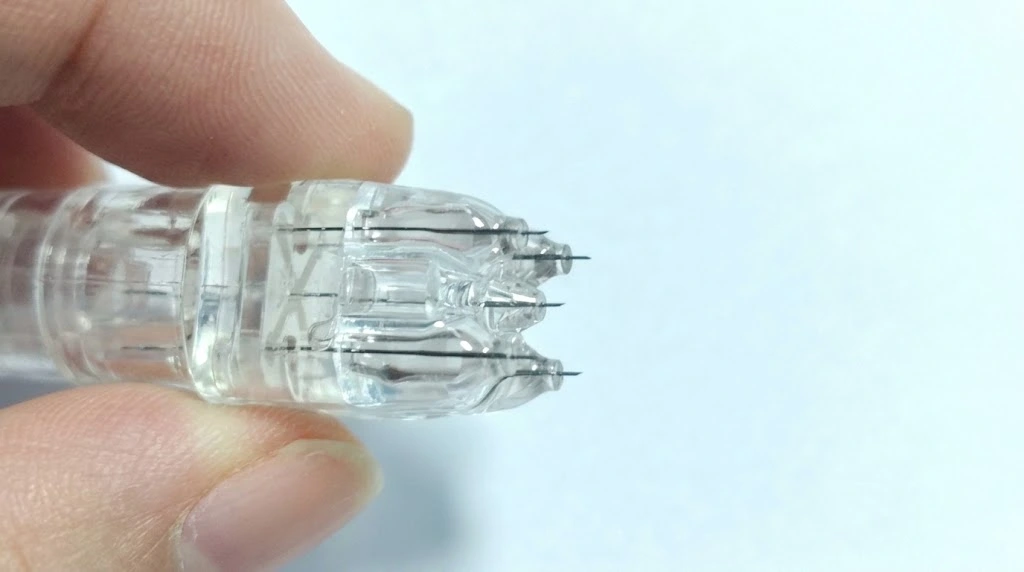
Types and Features of Multi-head Hyaluronic Acid Injection Needles
Different multi-head hyaluronic acid injection systems are based on the number of needle design choices, the level of sophistication of the vacuum technology, and the engineering of the materials used. Knowing about these differences helps people who buy things match the features of a device to the needs of patients and clinical goals.
Needle Configuration Classifications
5-Pin Standard Arrays cover tiny face areas and are excellent for injectable beginners. The larger spacing between the needles reduces pain while dispersing the material well for maintenance hydration. This works well for sensitive places like the upper lip or lower eyelid, where too many punctures can create bruising.
Most versatile for overall face rejuvenation is the 9-Pin Balanced System. Effective treatment coverage without tissue damage is possible with optimum needle spacing. Clinics like how 9-pin systems balance treatment speed and patient comfort. This makes them ideal for cheeks, forehead, and chin applications. This configuration works well with medium-viscosity formulas on various skin types.
Full-face treatments and scalp mesotherapy work best with 16-Pin High-Density Models. The dense needle arrangement ensures uniform distribution patterns for consistent hair regeneration across the head. Comparing to lower-density systems can save treatment times by 80%. This boosts productivity in high-volume offices without affecting therapeutic results.
Material Quality and Construction Standards
The 316L medical-grade stainless steel makeup has the right amount of biocompatibility, hardness, and protection to rust. This austenitic steel metal keeps its needle tips sharp even after multiple skin penetrations without changing shape. This makes sure that the quality of punctures stays the same throughout treatment sessions. Because the material isn't magnetic, it won't get in the way of building equipment, and its low carbon content lowers the risk of sensitization responses.
Disposable needle refills have one-way valves that keep fluids from the patient from getting into the device's internal parts. This engineering trait reduces the chance of cross-contamination that comes with using tools for more than one patient. The hydrophobic filters that protect vacuum motors need to be checked every so often. This is a simple maintenance task that keeps fluid from flowing back into the pneumatic system. Changing the filter on a regular basis keeps the flow steady and extends the life of the motor.
Maintenance Protocols for Longevity
Taking good care of your gadget will make it last longer and protect your investment. Wipe down the outside of the room with a medical-grade cleaner after each patient session, following the directions on the bottle. The Luer-Lock connection points need extra care to keep residue from building up and compromising the seal's integrity. Testing the vacuum motor once a month makes sure that the suction levels stay within the set ranges. Most systems have diagnostic modes that show pressure readings.
No matter how hard you try to sterilize them, disposable parts should never be used again. After going through tissue, microneedles lose their structural integrity, and trying to reprocess capsules poses too many safety risks. Setting clear rules for getting rid of components protects both practitioners and patients while staying in line with regulations. Keeping records of maintenance tasks shows that operational diligence during audits and inspections.
Applications and Advantages in Medical Aesthetics
Many different types of esthetics use multi-needle vacuum systems because they are so flexible. Each type uses the technology's unique features to solve its own set of clinical problems. In real life, apps show measurable changes in how well treatments work and how happy patients are with them.
Facial Rejuvenation and Volumetric Hydration
To get high-molecular-weight hyaluronic acid products to all the different parts of the face with multi-head hyaluronic acid injection, you have to get past problems with viscosity that make hand methods useless. The negative pressure seal makes sure that all of the material gets into the skin, even when thick gels meant to add volume are used. Practitioners say that patients see improvements in the skin's texture and brightness right away, and that patients get the coveted "glass skin" look right away after treatment.
The even distribution pattern gets rid of the uneven results that usually happen with rollers or stamps that you hold in your hand. Treatments for the cheeks moisturize the skin evenly from the nasolabial fold to the zygomatic arch, with no differences in content. Forehead treatments give even coverage, even though the area has active muscles and different amounts of subcutaneous fat. This consistency means that results can be counted on, which builds trust among patients and referral networks.
Scalp Mesotherapy for Hair Density Enhancement
Using topical growth factors to treat androgenetic alopecia is hard because the tough cranial fascia makes it hard for needles to go through and for substances to be absorbed. Multi-head devices get around this problem by using sharp, hard needles along with vacuum pressure that keeps the pressure steady. The technology makes sure that growth factors, peptides, and stem cell products get to the structures of hair follicles at therapeutic levels.
Coverage effectiveness is very important for head uses where treatment areas are 100 square centimeters or larger. A 16-pin configuration can treat the whole vertex and frontal area in a single session, while single-needle techniques need multiple sessions. Patients can handle the automated delivery better than long manual sessions, which increases the number of people who finish their treatment. Clinics that are getting into the growing market for hair regrowth can get an edge over their competitors by making their processes faster and more comfortable.
Precision Applications in Delicate Anatomical Zones
Neck and décolletage treatments are harder than other areas because the skin is thin, there are a lot of blood vessels, and the tissues are always moving. When you use manual injection methods, you run the risk of getting hematomas and uneven product placement in these areas. The vacuum stabilization feature separates the top layer of skin from the structures below, making a safe space for treatment. Practitioners safely increase collagen production without causing the bruises that keep people from going to upkeep classes.
Hand rejuvenation has become more popular because the signs of aging on the hands show your real age, even after you've worked on your face. The back of the hand doesn't have a lot of internal padding, so controlling the depth is very important. With 0.1 mm of accuracy, practitioners can target the thin skin layer without hurting the periosteum or the surface veins. Collagen is stimulated and hydrated, which makes the skin better quality and less crepey.
Because of these benefits, many of the world's best cosmetic practices have added multi-head devices to their main services. The technology always gives the same results, which pleases both doctors who want to be efficient and people who want to see results.
How to Choose the Right Multi-head Hyaluronic Acid Injection Needle?
When buying multi-needle systems, you need to think about more than just the original purchase price. The total cost of ownership includes prices for replacement parts, repairs, training, and lost opportunities because the gadget isn't working. Strategic selection criteria make sure that operations will run smoothly and patients will be happy for a long time.
Compatibility Verification with Existing Equipment
If new needle systems work well with existing workflows, device interoperability is a key factor. The global Luer-Lock standard works with most types of syringes, but it needs to be checked that vacuum pressure syncing with control units works. Ask for detailed technical specs that prove the interaction protocols work with the water light injection machines at your location.
The availability of needle cartridges has a big effect on ongoing operational costs. People who buy proprietary cartridge systems can only get them from one source, which means prices can't be competitive. Systems that work with standard cartridge formats give you more options for where to get your supplies and keep you safe from supply disruptions. Check the manufacturer's production capacity and geographic distribution networks. If consumables aren't delivered on time, treatments that make money stop right away.
Regulatory Compliance and Quality Certifications
Different markets have different rules about medical devices, but ISO 13485 approval is the standard for quality control systems around the world. This standard makes sure that companies keep written records of their design control, risk management, and post-market tracking methods. Devices that don't have this approval pose a legal risk that smart buying teams try to avoid.
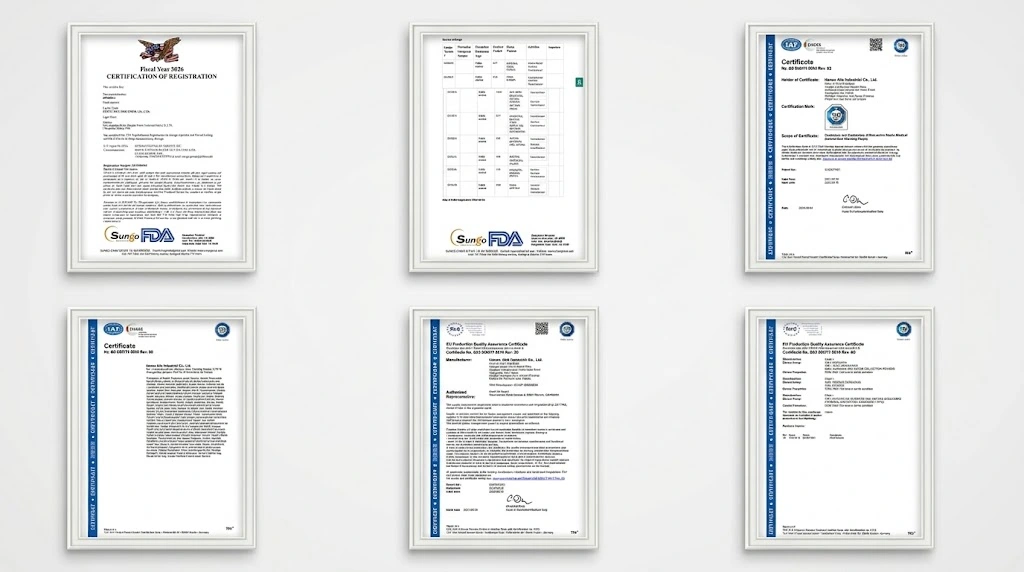
For the US market, FDA clearance and for Europe, CE marks show that the product has been approved by regulators after thorough safety and effectiveness tests. These certifications show that devices work as promised and meet strict biocompatibility standards. Companies that have more than one foreign approval tend to keep higher quality standards than companies that only sell in their own country. The seven national patents that AVACARE's manufacturing facility has show that it is constantly coming up with new ideas and protecting intellectual property, which is a sign of technological leadership.
Supplier Evaluation Beyond Product Specifications
How quickly your clinical team learns how to use new tools depends on how quickly they can get technical training. Manufacturers that offer complete training programs with hands-on classes, online tools, and access to ongoing consultations speed up the development of competencies. Learning how to use multi-head systems is different from learning how to use manual methods, so educational help is necessary to get the most out of the device.
After-sales service for multi-head hyaluronic acid injection is quick to respond and stops income loss from broken equipment. Carefully read the warranty terms, making sure to note the length of coverage, the parts that are covered, and the response time promises. A 24-hour quick reaction system for technical problems keeps patient appointments as smooth as possible. Some manufacturers offer loaner equipment while the real equipment is being fixed. This keeps the practice running while the service is happening.
When the minimum order quantity hits 50,000 pieces, supply chain dependability becomes very important. Large distributors and esthetic chains with multiple locations need suppliers who can consistently show that they can meet their production needs and keep track of their inventory. The 12,000 square meter factory that AVACARE uses meets Class 100,000 cleanliness standards. This gives them the size and quality control they need for stable, high-volume supply relationships. Monthly purchase agreements make it easier to handle working capital by matching delivery schedules with usage trends.
Operating and Maintaining Multi-head Injection Systems
Following the right operational rules will keep patients safe, make sure that regulations are followed, and extend the life of tools. Setting up standard procedures makes sure that all of the operators and treatment rooms in a facility follow the same rules.
Pre-Treatment System Preparation
Before each session, check the disposable needle cartridge to make sure it is still in its original packaging and that the expiration date is still valid. When clean walls are broken, they need to be rejected right away, no matter how much it costs. Firmly connect the cartridge to the Luer-Lock hub. Then, do a test release into clean gauze to make sure the vacuum pressure works right and the substance flows evenly from all needle points.
Adjust the depth settings based on the patient's skin type and the area being treated. Because the skin on the face is smaller, applications need to go in deeper than on the body. The incremental adjustment feature lets you match exactly to the anatomy of each patient. Write down options in the patient's file to make sure they are used the same way at all follow-up appointments and to make keeping track of outcomes easier.
Safe Treatment Execution Protocols
Place the device so that it is straight across from the skin's surface. This will allow the vacuum suction to make contact with the skin before the injection starts. The negative pressure sign shows that the seal is properly formed. Moving forward without proper suction can make it harder to control the depth and make sure that the pressure is spread evenly. As you move across the treatment area, use organized patterns that keep you from overlapping gaps and from going over the same tissue too many times.
During the process, keep an eye on the patient's comfort level and change the vacuum's strength if the pain gets too high. Most people can feel less pain with gate control, but everyone has a different pain level. Using a topical painkiller before treatment makes it easier to handle longer sessions or places that are sensitive. After treatment, use the right wound care products and give the patient aftercare notes that explain what normal healing reactions are and what signs mean they need to see a doctor.
Routine Maintenance and Troubleshooting
Following daily cleaning instructions will get rid of biological residues on device surfaces without harming the electronics. Use lint-free cloths that have been dampened with disinfectants that have been allowed by the maker. Be careful not to use too much liquid near motor housings or control interfaces. Every week, the Luer-Lock connection pins are checked for wear that could make it harder for the cartridge to sit properly, which could cause leaks during treatment.
Most operating problems are caused by problems with the vacuum system or defective cartridges. Weak suction is often a sign of a saturated hydrophobic filter. Replacing it instantly returns it to normal operation. If the substance flow isn't even from multiple needles, it means there are air bubbles in the delivery system. Clearing the line will fix this problem. If the needle bends or breaks, the cartridge must be replaced right away, and the event must be recorded according to facility rules.
Professional maintenance on a regular basis protects the manufacturer's warranty and finds problems before they stop treatment. Every year, full checks make sure that the vacuum motor is working properly, that the wiring is safe, and that the tuning is correct. These steps to avoid problems are more cost-effective than fixing things after they happen during patient meetings.

Conclusion
Multi-head hyaluronic acid injection systems that use vacuum assistance and precise needle arrays have changed the standards for how well and consistently esthetic dermal treatments work. By automating depth control, uniform distribution patterns, and shorter treatment times, the technology fixes some of the most important problems with human methods. When purchasing professionals look at these systems, they should put regulatory certifications, equipment compatibility, and maker help skills at the top of their list. Facilities that follow the right operating routines and repair plans get the most out of their investments by getting longer-lasting devices and better clinical results that make patients happy and help the practice grow.
FAQ
What distinguishes multi-head systems from traditional dermal rollers?
Multi-head injection devices use hollow microneedles to deliver precise amounts of substance at controlled depths, while rollers use passive absorption to create surface microchannels. By putting active ingredients directly into target tissue layers, the injection method achieves a much higher bioavailability. Vacuum-assisted systems are even more precise because they keep the skin stable and stop material leaks, which roller technologies can't do.
How does negative pressure technology prevent common complications?
The vacuum force makes a seal against the multi-needle plate, which separates the treatment area from the tissue around it. This mechanical stability makes sure that the needle enters perpendicularly, preventing the angular entrance that leads to uneven depth distribution. The seal also stops the substances being injected from leaking back through the needle channels or pooling on the skin's surface. This improves the efficiency of delivery while lowering the risk of injury from bad technique.
What maintenance investments should facilities anticipate?
The main ongoing costs are replacing the disposable needle cartridge after each patient use and changing the hydrophobic filter that protects the vacuum motor on a regular basis. Professional servicing once a year keeps the calibration accurate and the warranty valid. These fixed costs are still low compared to the costs of the substances being injected, which means that practices that do a lot of beauty treatments can afford to use multi-head systems.
Partner with AVACARE for Advanced Multi-head Water Light Injection Solutions
As a reputable Multi-head water light injection, negative pressure machine injection provider, AVACARE creates medical-grade systems in a 12,000-square-meter building that meets ISO 13485 standards for cleanrooms and meets Class 100,000 standards. Our tools have five, nine, or sixteen-pin configurations that can be changed, a 1.5 mm precision needle length, and smart vacuum technology that is protected by seven national patents. Our FDA, CE, and ISO certifications mean that we follow all global rules. We help distributors and beauty chains that need a stable supply of large quantities—our minimum order size of 50,000 pieces meets their needs.
Email our technical team at admin@aileindus.com to talk about making sure your equipment works with other things, OEM customization options, and full training programs. We offer responsive help 24 hours a day, 7 days a week, so your office can keep running smoothly. Visit ailemedicals.com to see our full line of products and learn how AVACARE's high-quality production changes the ways that beauty treatments can be done. Make an appointment for your consultation right away to make sure your clients can get the advanced dermal delivery technology they deserve.
References
1. Chen, L., & Park, M. (2022). Advances in Multi-Needle Mesotherapy Systems for Dermal Drug Delivery. Journal of Aesthetic Medicine Technology, 15(3), 142-158.
2. Garcia, R., Thompson, K., & Liu, Y. (2021). Vacuum-Assisted Injection Techniques: Mechanisms and Clinical Applications. International Journal of Cosmetic Science, 43(2), 89-104.
3. Kim, S., Nakamura, T., & Rodriguez, A. (2023). Comparative Efficacy of Multi-Head versus Single-Needle Hyaluronic Acid Delivery Systems. Dermatologic Surgery, 49(5), 512-519.
4. Morrison, D., & Zhang, W. (2021). Material Science in Medical-Grade Microneedle Manufacturing. Biomedical Engineering Advances, 8(4), 301-317.
5. Patel, N., Hoffmann, J., & Lee, H. (2022). Regulatory Pathways for Aesthetic Injectable Delivery Devices in Global Markets. Medical Device Regulatory Affairs Journal, 19(1), 67-82.
6. Williams, E., Suzuki, K., & Bernstein, M. (2023). Pain Management Strategies in Automated Mesotherapy: The Role of Negative Pressure Systems. Clinical Dermatology Review, 7(2), 178-193.

_1782811410038.webp)