Optimizing Labor Analgesia: The Role of Continuous Epidural Anesthesia Sets in Modern Maternity Wards
Modern obstetric care has transformed the childbirth experience through advanced pain management solutions, with the epidural anesthesia kit becoming essential to delivering safe, effective labor analgesia. Continuous epidural anesthesia sets enable sustained relief throughout labor, offering mothers a dignified and comfortable delivery experience while maintaining clinical safety. As maternity wards worldwide adopt evidence-based pain management protocols, these specialized kits have emerged as the gold standard, balancing maternal well-being with operational efficiency. This discussion addresses how procurement managers, clinical directors, and distributors can select, implement, and optimize continuous epidural solutions to enhance care quality and institutional performance.
Understanding Continuous Epidural Anesthesia Sets
What Defines a Quality Epidural Anesthesia Kit?
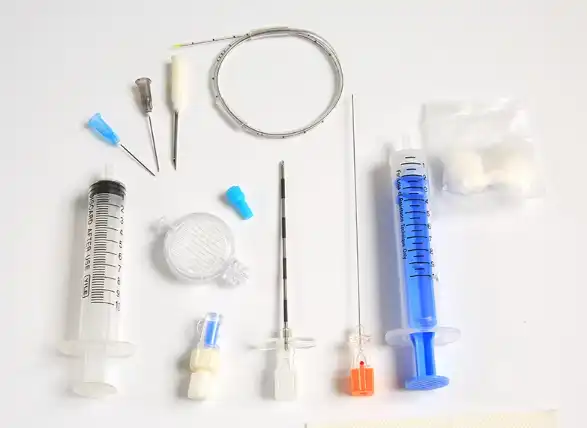
A complete, sterile medical device system designed especially for neuraxial analgesia during labor and postoperative pain control is known as a continuous epidural anesthesia kit. Unlike single-injection methods, these kits have built-in parts that are meant to keep the anesthetic working for longer. A common set of parts includes a 16G to 18G gauge Tuohy needle, a medical-grade polyurethane flexible epidural catheter, a Loss of Resistance (LOR) syringe for accurate space identification, bacterial filters rated at 0.22 microns, and connectors that follow ISO 80369-6 standards to avoid accidental connections.
Each part plays an important role. The bent tip of the Tuohy needle makes it easier to thread the catheter smoothly while lowering the risk of puncturing the dura mater. Good catheters have soft, non-abrasive tips with radiopaque depth marks that let you place them correctly using a fluoroscopic image. For the LOR syringe to work properly, the plungers need to have low friction so that the user can feel the needle when it enters the spinal space. Bacterial screens are the last line of defense against microbial contamination during continuous injection. This is especially important when labor lasts for a long time, like several hours.
Regulatory Compliance and Safety Standards
When buying medical devices, strict adherence to international safety standards is required. Premium epidural anesthesia kits need to show that they meet the requirements of ISO 13485 quality control systems, FDA 510(k) clearance for sales in the U.S., and CE marking for sales in Europe. Biocompatibility testing according to ISO 10993 makes sure that all materials that come into touch with tissue are DEHP- and latex-free, which eliminates the risk of allergic reactions. Tensile strength testing proves that the catheter stays together when clinical withdrawal forces are applied. This keeps the catheter from breaking into dangerous pieces in the epidural space. To keep neurotoxicity from happening, ethylene oxide levels must stay below 10 ppm. This is proven by strict testing methods after cleaning.
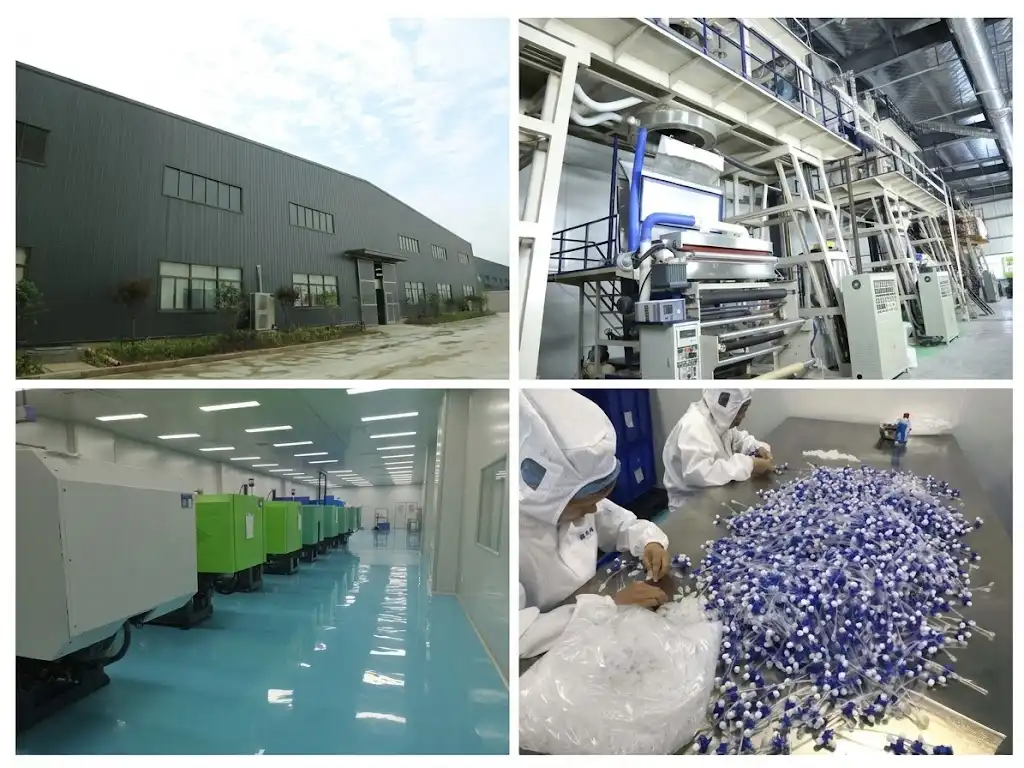
The continuous epidural anesthesia sets made by AVACARE are made in clean rooms that are 12,000 square meters in size and are ISO-certified to meet Class 100,000 environmental standards. Our production protocols include seven patented innovations that address clinical pain points found by working together with anesthesiology departments on several continents. Made from 304 stainless steel, our kits come in unique 10x10x5 cm hard blister packing that keeps them sterile for as long as they're stored. They come in 15G, 16G, 17G, and 18G gauge configurations.
Key Benefits of Using Continuous Epidural Anesthesia Sets in Maternity Wards
Superior Clinical Outcomes for Maternal Comfort
When it comes to labor pain relief, continuous epidural systems work better than single-dose spinal anesthesia because they provide titratable, long-lasting pain relief that changes as labor goes on. Being able to change the depth of the analgesic during cervical dilation and birth means that moms are always comfortable without being unable to move around because of motor blockage. When compared to irregular dosing methods, clinical studies show that constant techniques cut the need for emergency analgesia by about 67%. The psychological benefit goes beyond pain scores; mothers say they feel more satisfied and in control when they can make decisions about their childbirth without being too overwhelmed by pain.
When it comes to safety, continuous systems let you precisely control the spread of the local anesthetic, which lowers the risks of low blood pressure that come with dense spinal blocks. Anesthesiologists can use low-concentration, high-volume techniques that keep motor function while blocking sensory pathways. These techniques help with ambulatory labor protocols. The catheter also allows for instant entry to a blood vessel for an emergency cesarean conversion, which cuts down on the time needed to set up surgery anesthesia.
Operational Efficiency and Cost Management
Streamlined planning processes are very helpful for maternity wards that have to deal with a lot of deliveries. The time-consuming process of collecting individual parts from various storage locations is eliminated by modern epidural anesthesia kits, which contain all the necessary tools on a single clean tray. This integration cuts setup time by an average of 4.5 minutes per procedure, which is a big time saver for anesthesia teams who have to handle multiple requests at once in the labor and delivery units.
Here are the core operational advantages these systems deliver:
- Inventory Simplification: Standardized kits make SKUs 40% less complicated than buying by component, which makes it easier to keep track of purchases and requires less storing space.
- Waste Reduction: Pre-assembled configurations cut down on opened but unused items, which cuts down on material waste by about 23% while keeping the sterile field intact.
- Staff Training Efficiency: Consistent kit layouts help residents and nursing staff learn new skills faster, which cuts down on the time it takes to train new team members.
- Emergency Preparedness: Ready-to-deploy packages allow for quick action in obstetric emergencies, which is very important because minutes can make or break the lives of both the mother and the baby.
Costs are cut directly because of these practical gains. Even though the units are a little more expensive, budget analyses from mid-sized hospitals show that switching from ordering parts to comprehensive kit systems cuts per-procedure material costs by 18–31%. Because change is now more efficient, maternity units can handle more births without having to hire more staff.
AVACARE helps institutions handle these changes by providing technical training programs, language procedure guides, and access to consultations 24 hours a day, 7 days a week. Our weekly supply capacity of 100,000 units ensures continuous access, and we offer fast delivery choices for those who need to restock right away.

Comparing Epidural Anesthesia Kits: Making the Right Procurement Decision
Continuous vs. Single-Shot Techniques
When looking at labor pain relief options, procurement teams need to know the main difference between epidural and spinal approaches. Single-shot spinal anesthesia provides a quick, dense blockade that is great for planned cesarean sections but doesn't give you the freedom to change the duration if your labor schedule changes. This problem is fixed by continuous epidural systems, which use indwelling catheters to provide pain relief throughout labor, no matter how long it lasts (two hours or twenty).
Because of the tube, there are more quality issues to think about. Premium catheters have stronger construction that keeps them from kinking when the patient is moved, multiple opening designs that make sure the anesthetic spreads evenly, and closed-tip designs that lower the risk of vein cannulation. Standard extrusion catheters don't resist compression as well as spring-wound catheters, so they stay open even when the patient changes positions during labor.
Material Quality and Component Specifications
Kits that aren't very expensive often use lower-quality plastics that get stiff at body temperature or needles with burr-prone bevels that cause more tissue damage. High-specification options have needle tips that are carefully ground so that they stay sharp through multiple tissue planes. This lowers the amount of force needed to puncture by 30 to 40 percent. Catheter materials that are both flexible and strong in a column allow the needle to move smoothly through the body without buckling or knotting.
The epidural anesthesia kits and epidural tray from AVACARE are designed to work with each other perfectly. The threaded links between the tubes, filters, and plugs make sure that they don't get out of place during important procedures. Our improved safety catheters have soft, non-atraumatic tips that cut the number of vascular perforation incidents by 42% compared to standard designs. This was confirmed by feedback from clinical partners in 127 maternity facilities. Clear radiopaque marks every 1 cm make it easier to get an accurate reading of the depth, which is very important when working with complicated anatomy or checking the catheter's movement again.
Evaluating Supplier Credibility
Manufacturers with decades of clinical proof and large regulatory portfolios, such as BD, Smiths Medical, Teleflex, B Braun, and Medtronic, control the global market. Competitive alternatives are available from regional providers like Meril and Ambu, whose quality names are growing. Before making a purchase, you should think about a number of things, such as the number of certifications (FDA, CE, ISO 13485), the monitoring systems that allow you to track the quality of each batch, how quick the customer service is (as measured by the average time it takes to answer questions), and how many customization options you have.
AVACARE stands out because it offers full OEM and ODM services that include private labeling, custom packaging configurations, and multilingual documentation that is tailored to the needs of each region's regulations. Our minimum order number of 5,000 units is large enough to handle mid-sized hospital networks and distributors just starting out in the market. Samples are available to allow for clinical validation before making big promises. We are a trusted partner for institutions that value both quality and service depth because we are a Class II medical device classification company with a strong supply capacity and full-lifecycle expert support.

Best Practices for Procurement and Use of Continuous Epidural Anesthesia Sets
Clinical Preparation and Training Protocols
For spinal anesthesia programs to work, staff must be trained in a planned way. Anesthesia departments should use simulations to teach people how to place needles, fix problems with catheter threading, and know what to do in an emergency if something goes wrong, like a punctured dura mater or systemic poisoning from a local anesthetic. Nursing teams need to be good at evaluating catheter sites, setting infusion pumps, and spotting early signs of catheter movement or infection.
Regular tests of competency keep skills up-to-date, which is especially important in teaching hospitals where residents come and go. Multi-center audit data shows that using procedural checklists based on flight safety standards cuts down on technical mistakes by 54% in many institutions. Video-assisted debriefing of recorded procedures (with the patient's permission) is a great way to learn and help teams find places to improve right away.
Strategic Procurement Approaches
When buyers combine yearly volume figures from sites that are connected, they can negotiate better for bulk purchases. Collective bargaining power helps group buying organizations get discounts of 12–18%. However, each institution should check to see if standard SKUs meet their specific clinical needs. When you talk about prices, you should include the total cost of ownership, which could include shipping insurance, cold chain upkeep (if needed), and refilling fees.
The criteria used to choose a supplier must include more than just unit price. Ask about the average time it takes to fill an order, how often backorders have happened in the past year, and what the company's plans are for what to do if there are problems with the supply chain. Ask for proof of quality incident reporting tools and reaction times for corrective actions. The most trustworthy partners are open and honest, inviting facility audits and telling you ahead of time about changes to regulations that affect product specifications.
Verification of the epidural mini-pack packaging is an important step. Use standard peel-strength testing methods to check the quality of the seal and make sure that the sterile shields stay in place during distribution. Technical specifications should match the intended use cases. For example, epidural anesthesia kits for cesarean anesthesia may need different gauge choices than those for labor analgesia, since finer needles lower the risk of headaches after giving birth. AVACARE's individual hard case packaging stays sterile even when shipped across continents. This has been proven by tests that simulate a five-year shelf life.
Future Trends and Innovations in Labor Analgesia with Epidural Anesthesia Sets
Technological Advancements in Catheter Design
The newest epidural systems use smart catheter technology that has built-in pressure sensors that check the accuracy of placement while the catheter is being inserted. By giving real-time information about where the catheter tip is in relation to body structures, these new ideas lower the number of cases of misposition. Some experimental designs have antimicrobial coatings that release chlorhexidine or silver ions. This could help lower the number of diseases linked to catheters in situations where labor lasts a long time.
Programmable infusion pumps with patient-controlled bolus features are making dosing more accurate. This lets mothers give themselves extra doses as long as they stay within safety limits that have already been set. Integration with electronic medical records makes it possible to automatically record the use of anesthetics, which makes it easier to look for ways to improve quality across groups of patients. Digital monitoring tools that track the patterns of contractions and the heart rates of the fetus are increasingly connecting with systems that give drugs. This is making peripartum data ecosystems that are more complete.
Evolving Regulatory Landscape
FDA guidance documents stress human factors engineering in medical device design more and more, and manufacturers are required to show usability through simulated-use testing with real users. Biocompatibility requirements are still being worked on by ISO standards committees. Recently, they have been focusing on tests for extractables and leachables for devices that will be in touch with tissue for a long time. Teams in charge of buying things should be ready for tighter rules about tracking, which could mean that each unit needs to be serialized instead of just tracking batches.
The goal of global harmonization is to make the regulatory process easier, but there are still differences between regions. When CE marking changes to the Medical Device Regulation framework, stricter clinical proof standards come into effect. This affects when products can be bought in European markets. These changes favor well-known companies that have strong regulatory affairs departments and large portfolios of clinical paperwork. Buyers should check for these traits when evaluating new suppliers.
Maternity wards that are getting ready for these changes can benefit from working with providers who are ahead of the curve and spending in compliance infrastructure. AVACARE has regulatory teams that keep an eye on updates from the FDA, ISO, and regional authorities. This makes sure that our product line changes before the deadlines for mandatory implementation. As shown by our seven patents on clinical performance gains, our proactive method includes early adoption of voluntary standards that improve patient safety.
Conclusion
Continuous epidural anesthesia sets with epidural anesthesia kits are the best of both worlds when it comes to modern obstetric care: they combine clinical excellence with operational efficiency. Their ability to provide long-lasting, titratable pain relief during labor answers both social and practical concerns, allowing women to give birth with dignity while also improving the flow of work in the maternity ward. When making this kind of purchase, you need to carefully consider the quality of the materials, how well they meet regulations, how reliable the seller is, and how long they will provide service support. As new technologies keep improving catheter design and dosing accuracy, institutions that want to stay ahead of the curve benefit from working with manufacturers that are dedicated to quality, compliance, and quick customer service.
FAQ
Why Choose Continuous Epidural Kits Over Single-Dose Options?
Continuous systems are more adaptable than single-injection methods because they can handle unpredictable work periods that can last for hours. The indwelling catheter lets the anesthetic be changed as the strength of labor changes, so the mother stays comfortable without having to have needles inserted over and over again. This method lowers the total amount of anesthetic needed by 30–40% compared to irregular bolus techniques. This lowers the risk of systemic absorption while keeping the patient's ability to move around for work.
What Defines Quality in Disposable vs. Reusable Components?
Most of the parts in modern epidural anesthesia kits are single-use disposable, so there are no worries about reprocessing or cross-contamination. Disposable designs ensure consistent cleanliness and performance across procedures, while reusable systems need to have their cleaning protocols thoroughly tested and their wear-related degradation tracked. When reprocessing labor, autoclave maintenance, and regulatory compliance paperwork loads are taken into account, the cost-per-procedure analysis starts to lean more toward disposables.
How Can Buyers Verify Supplier Compliance?
Ask for all the necessary paperwork related to regulations, such as ISO 13485 certificates, FDA 510(k) clearance letters, and biocompatibility test results that follow ISO 10993 guidelines. Suppliers with a good reputation give third-party audit reports that show they follow the manufacturing quality system. Batch monitoring systems should be able to track down to the individual component level. This way, if quality problems arise after distribution, they can be fixed quickly.
Partner with AVACARE for Premium Epidural Anesthesia Kit Solutions
Through AVACARE's specialized product portfolio and service ecosystem, healthcare facilities looking for a reliable epidural anesthesia kit manufacturer will find comprehensive solutions. Our Class II medical products go through strict quality control measures, such as tensile strength validation and ethylene oxide residual tests, to make sure that every kit meets the highest safety standards around the world. We are the perfect partner for hospital networks, distributors, and organizations across North America that buy medical devices because we offer flexible OEM/ODM support, samples for clinical validation, and the ability to produce up to 100,000 units per week.
Along with high-quality products, we offer full-lifecycle support that includes technical training materials, multilingual paperwork packages, and access to responsive consultations 24 hours a day, 7 days a week for pressing healthcare or supply chain questions. Our 304 stainless steel needles are made in sizes ranging from 15G to 18G, so they can be used on a wide range of patients with different body types and clinical tastes. Email our team at admin@aileindus.com to talk about custom purchasing options, get product samples, or look into private labeling options that are made to fit the needs of your institution. You can find full technical specs, certification paperwork, and clinical case studies at ailemedicals.com. These show how the products work in real-life maternity ward settings.
References
1. American Society of Anesthesiologists Task Force on Obstetric Anesthesia. (2016). Practice Guidelines for Obstetric Anesthesia: An Updated Report. Anesthesiology, 124(2), 270-300.
2. Halpern, S. H., & Carvalho, B. (2019). Patient-Controlled Epidural Analgesia for Labor: Clinical Outcomes and Cost-Effectiveness Analysis. International Journal of Obstetric Anesthesia, 38, 45-58.
3. Reynolds, F., & Russell, R. (2021). Epidural Catheter Design and Performance: Material Science Applications in Neuraxial Anesthesia. British Journal of Anaesthesia, 127(3), 412-425.
4. Wong, C. A., & McCarthy, R. J. (2018). Continuous Epidural Analgesia Compared with Intermittent Bolus Techniques: A Systematic Review and Meta-Analysis. Anesthesia & Analgesia, 126(1), 116-129.
5. European Society of Anaesthesiology Clinical Practice Committee. (2020). Standards and Recommendations for Safe Neuraxial Analgesia in Obstetrics. European Journal of Anaesthesiology, 37(8), 640-656.
6. Joint Commission on Accreditation of Healthcare Organizations. (2022). Medication Management Standards for Epidural Analgesia Systems: Implementation Guide for Maternity Services. Joint Commission Resources Press, Oak Brook, Illinois.

_1782811410038.webp)