Safe Injections at Home: Top Benefits of Switching to Disposable Safety Needles for Insulin Care
Managing diabetes at home requires precision, comfort, and safety. For millions administering insulin daily, the choice of injection device directly impacts health outcomes and quality of life. Disposable safety needles represent a significant advancement over traditional hypodermic needles, incorporating integrated shielding mechanisms that activate post-injection to prevent accidental needle-stick injuries and cross-contamination. These devices meet stringent FDA and ISO 13485 standards, ensuring sterility through EO gas sterilization and offering compatibility with standard insulin delivery systems. Transitioning to safety-engineered needles addresses critical pain points in home care: reducing infection risk, enhancing user confidence, and supporting compliance with evolving healthcare safety protocols. The decision to switch carries profound implications for patient safety, caregiver protection, and long-term cost management.
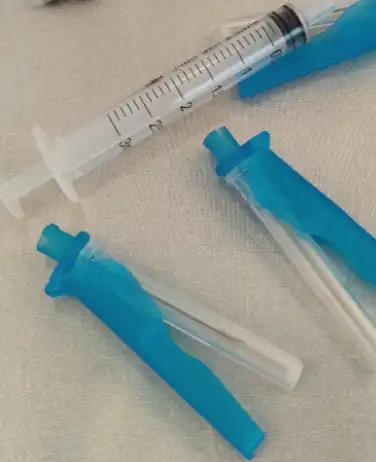
Understanding Disposable Safety Needles and Their Role in Insulin Care
What Defines a Medical Safety Needle?
There are built-in safety systems in medical safety needles that separate the sharp tip right after they are used. Unlike regular needles, which can prick users by mistake when they are thrown away, these devices have either silent mechanisms that work on their own or active systems that need to be engaged by hand. Medical-grade SUS304 stainless steel cannulas with ultra-thin wall technology are used in the core structure to ensure proper drug flow while keeping structural integrity. When properly locked, safety devices like slide sleeves, hinged screens, or retractable designs make clicks that can be seen and heard.
Compliance and Sterility Standards
Adherence to regulations determines how reliable a product is in insulin care. Devices that are certified by ISO 13485 quality management systems go through a lot of tests, such as ISO 7864 standards for measuring penetration force and ISO 10993 tests to make sure they are biocompatible. The AVACARE safety needles are certified by CE and are classified as Class II medical devices, which means they meet international safety standards. When EO gas is used for sterilization, the Sterility Assurance Level (SAL) is reached, which means that there are no more pyrogenic or contamination risks. Each needle comes in its own package to keep it sterile until it is used, which is especially important for homes that don't have access to clinical-grade storage.
Needle Types and Specifications for Insulin Therapy
Giving insulin requires carefully choosing a gauge that strikes a balance between the viscosity of the medicine and the patient's comfort. AVACARE makes safety hypodermic needles with sizes from 16G to 30G, but 28G to 31G gauges are more common for insulin treatment. Thinner needles cause less damage to tissue and make it easier for them to penetrate. This is especially important for kids who use them or people who are afraid of needles. The ultra-sharp thin-wall design keeps the blades sharp while lowering the force needed to penetrate skin. This directly leads to better patient compliance. Because the hub works with standard Luer Lock and Luer Slip syringes, it can be easily integrated with insulin pens and syringes that are already in use. This means that there will be no interruptions to work during the transition period.
Top Benefits of Switching to Disposable Safety Needles for Insulin Care
Adopting safety-engineered injection devices has benefits that go beyond following the rules. They also make managing diabetes every day easier. When healthcare organizations and buying managers know about these benefits, they can look at the total value instead of just the unit cost.
Enhanced Patient Safety and Injury Prevention
Needle-stick injuries are a constant risk in home insulin care, especially when older or visually impaired patients need help from caregivers. The safety shield built into the AVACARE safety hypodermic needle can be easily activated with one hand and doesn't require much training or dexterity. As soon as the needle is taken out of the injection site, the safety device locks in place forever, covering the dirty needle point and keeping it from getting touched by chance during disposal. Comparing safety-engineered devices to regular needles, clinical data shows that they cut needle-stick accidents by up to 62%. This protects not only the patient but also family members who may handle sharps containers or come across needles that have not been thrown away properly. This makes the home safer overall.
Improved User Experience and Compliance
Patients often don't stick to their insulin schedules because they are afraid of and uncomfortable with injections. The ultra-sharp thin-wall technology from AVACARE lowers the penetration force, which means that the insertion process is less painful. The clear "click" sound and visible cues let you know right away that the safety device has been activated, reassuring you that the used needle is safe. The hub's ergonomic design makes it easier to hold steadily and control the injection angle, which lowers dose mistakes caused by tremors. These small gains add up over thousands of shots, making people look forward to therapy instead of dreading it. Better control of blood sugar is directly linked to more comfort, since patients are more likely to stick to their treatment plans when they don't dread them.
Cost Efficiency and Waste Management
Even though safety needles cost more per unit than other options, a total cost analysis shows that they are much cheaper overall. According to data from the CDC, treating needle-stick injuries could cost up to $3,000 per incident and includes post-exposure prophylaxis and lab tests. If healthcare facilities and home care providers buy AVACARE needles in bulk (at least 20,000 pieces), they can get discounts and know when their supplies will arrive (within 30 to 45 days). When safety features keep people from accidentally being exposed, it's easier to properly dispose of sharps in containers that won't puncture. This lowers the risk of liability and injuries related to disposal. Environmental impact is also lower because safety-engineered needles help people follow EPA and OSHA biohazard waste rules. This makes it easier for both patients and city waste systems to get rid of biohazard waste.
Support for Diverse Patient Populations
Insulin therapy is used for people of all ages, from kids with diabetes to older people who have trouble moving their hands. AVACARE's gauge range (16–30G) can be used with a variety of body types and medications with different viscosities. People who are kids should use thinner needles because they make shots less scary for them mentally. Adults with thicker skin or fat tissue can use the right gauge choices. People with arthritis, Parkinson's disease, or other conditions that make it hard to control their small motor skills will benefit most from the one-handed triggering feature. OEM/ODM services allow for customization of packing and language localization, which makes sure that directions can be read by people who speak different languages. This lowers the chance of user mistakes and improves safety for a wide range of multicultural patients.

Comparing Disposable Safety Needles with Traditional and Reusable Alternatives
Safety Needles Versus Regular Needles
Traditional hypodermic needles don't have any protection after use, so the sharp cannula is left out in the open when they are thrown away. Because OSHA rules require engineering controls to keep workers from being exposed, this design makes healthcare institutions and procurement managers nervous about their liability. Regular needles need to be carefully capped, which is something that goes wrong 10-15% of the time, or they need to be put in sharps cases right away, which may not always be possible at home. With a safety needle, there is no need to restart because the safety device kicks in before the needle leaves the patient's reach. Legal risk is also reduced when facilities use safety-engineered devices. They show they are doing their part to meet regulatory standards, which could lower the costs of lawsuits and insurance rates.
Disposable Versus Reusable Safety Needles
Reusable safety needles need facilities and upkeep methods that aren't right for insulin care at home. To make sure that autoclaving and chemical cleaning are safe between uses, you have to buy the right tools, train your staff, and test the quality of the results. Equipment maintenance, utility costs, and the time workers spend on reprocessing are all examples of hidden costs. Disposable options get rid of these operational burdens and guarantee sterility through EO gas processes controlled by the manufacturer. AVACARE's needles come individually packaged and are ready to use right away. They also have a shelf life that lasts longer than most purchases. In home care situations where there isn't a way to sterilize needles, the ease factor wins out. This makes disposable safety needles the practical choice for insulin treatment that is given to many people.
Retractable Versus Shielded Mechanisms
There are two main ways that safety needle technology can look. Retractable needles have cannulas that retract into the barrel after the shot. This hides the needle point totally. Shielded versions use covers that slide or bend over the needle and lock in place from the outside. AVACARE uses improved locking mechanisms in their protected design, which makes it reliable and makes production easier, which means the price is competitive. Sometimes, blood viscosity or improper activation can cause retractable mechanisms to get stuck. Shielded designs, on the other hand, let you see if they are properly engaged. Protected models are especially helpful for pediatric insulin care because the clear barrier gives young patients and their parents real comfort.
Leading Brands and Certification Validation
The market for safety needles is dominated by well-known brands like BD, Terumo, and Cardinal Health. However, specialized companies like AVACARE offer specific benefits for procurement managers. The CE and ISO 13485 certifications that AVACARE has are the same as those of the biggest companies in the industry. They also offer flexible OEM/ODM services that bigger companies don't offer. Sample policies let you try them out before you commit to minimum order quantities, which lowers the risk of procurement. Third-party validation through international certifications makes sure that performance is on par with premium brands at prices that most people can afford. Procurement managers can look at bonding strength data, penetration force measures, and failure rates for safety mechanisms from different providers. AVACARE's compliance paperwork gives them the information they need to make smart sourcing choices.

Procurement Considerations for Bulk Purchasing Disposable Safety Needles
Gauge Selection and Clinical Protocol Alignment
By matching needle specifications to clinical needs, costly procurement mistakes can be avoided. For subcutaneous injections, insulin therapy protocols usually call for 28–31G needles, which balance flow rate with patient comfort. The 16–30G model range from AVACARE covers both standard insulin delivery needs and more specific ones. Before making large orders, procurement managers should check with clinical directors to make sure they understand what the gauges want. Standards for color coding—21G is green, 23G is blue, and 25G is orange—make it easy to find things quickly in hospital situations, which lowers the risk of mistakes during administration. Documenting the reasons behind gauge choices helps regulatory checks and shows that purchasing decisions are in line with patient safety rules.
Packaging and Shelf-Life Reliability
Individual packaging keeps things clean while they're being stored and sent to different places, which is very important for healthcare facilities that need to keep track of their goods in many places. As required by FDA batch traceability rules, AVACARE's package specs list expiration dates, lot numbers that can be tracked, and storage conditions that must be met. When stored properly, shelf-life stability usually lasts for 3 to 5 years, so you can buy in bulk without worrying about running out of things. The design of the packaging should make it easy to dispensing a single unit so that contamination is kept to a minimum during inventory access. Labels in more than one language help healthcare settings that are varied by lowering the chance of confusion that could harm patients or make it harder to follow the rules.
Certification Significance and Regulatory Compliance
While CE and FDA approvals are required to get into the market, ISO 13485 certification shows that a company is committed to quality control all the time. AVACARE's certification portfolio covers both European and North American legal systems, which makes it easier for international healthcare groups to buy things. Quality and compliance staff look at these certifications when they are qualifying a vendor. They look at not only the vendor's present compliance but also their past audits and how quickly they respond to corrective actions. As part of their due diligence obligations, certified providers like AVACARE provide proof such as material safety data sheets, sterilization validation records, and biocompatibility testing results. This paperwork is very important during Joint Commission reviews or insurance checks, because the ability to track down materials can affect the result of an accreditation decision.
Supplier Evaluation and Distribution Channels
To find reliable medical safety needle suppliers, you need to look at their logistics, production capacity, and quality systems. AVACARE has a production center that is 12,000 square meters and has 100,000-grade clean rooms. This shows that the company has invested in infrastructure to support uniform quality. Accepting L/C and T/T as payment terms works with a variety of banking systems, and response times of 30 to 45 days make it easy to plan your inventory. Distribution partnerships in North America and Europe make sure that products are available in the right places, which cuts down on shipping costs and delivery times. To make sure the supply chain can handle demand spikes or global problems, procurement managers should check that suppliers are financially stable and have backup plans for production and emergency response capabilities.
Customization and OEM Opportunities
Large buyers can customize their orders in ways that aren't possible with off-the-shelf goods. AVACARE's OEM/ODM services allow for private marking, changes to the packaging, and changes to the gauge specifications that are in line with academic standards. Custom packing with facility marking strengthens how quality is seen by end users and helps with inventory management by making items stand out visually. Language localization makes sure that patient directions are appropriate for the people in the community, which lowers the risk of mistakes in multicultural care settings. Intellectual property rights, minimum order changes for custom specifications, and pricing structures that reflect development investments while keeping competitive positioning should all be talked about during contract negotiations.
Best Practices for Safe Disposal and Compliance in Insulin Needle Use
Sharps Container Protocols and Biohazard Management
The right way to get rid of sharps starts with containers that have been approved by the FDA and meet standards for not puncturing and not leaking. Place containers in places where shots happen that are easy for people to get to. This way, needles won't have to be carried around in dangerous ways. Fill lines that show 75% capacity stop containers from being overfilled, which could expose things while they are being moved. AVACARE disposable safety needles make it easier to follow dumping rules because the locked shield lowers the risk of damage even if containers are accidentally moved. Labels for biohazards must be easy to see and follow OSHA's color-coding rules. These are red containers or bags with the universal biohazard symbol on them. Medical waste companies or community take-back programs are the only ways to get rid of sealed sharps cases. They can't be thrown away in regular trash or recycling.
Regulatory Framework Compliance
The Bloodborne Pathogens Standard from OSHA requires technical controls to reduce the risk of needle sticks. This means that safety needles are required by law and not just an extra. Medical device quality systems are regulated by FDA rules in 21 CFR Part 820. These rules require traceability from where the raw materials come from to how the patient uses the device. Similar rules are set by the EU Medical Device Regulation (MDR) 2017/745 for devices sold in European countries. During regulatory reviews, healthcare facilities must keep records of how they get safety needles and how they are used. AVACARE's batch paperwork helps meet these standards for traceability. Not following the rules can lead to fines, the closure of the facility, and more responsibility, so using approved safety needles is a must for risk management.
Training Programs and Documentation
For implementation to work, patients, caregivers, and healthcare workers need to be taught how to use needles safely. AVACARE helps with this by providing technical training materials, demonstration videos, and teaching materials in multiple languages. Proper injection method, making sure the safety device works by listening for clicks and looking at it, and right away disposal rules should all be covered in training. Proof that training was completed protects the school from responsibility and shows that it is committed to safety standards. Regular tests of skills help people remember them, which is especially important as devices change or new caregivers join home care teams. Digital training platforms make it possible to deliver education on a large scale, which cuts costs and makes sure that messages are consistent across different care settings.
Conclusion
Switching to throwaway disposable safety needles for insulin care at home is a smart move that will improve patient safety, meet regulatory requirements, and lower long-term costs. The built-in safety features greatly lower the risk of needlestick injuries and boost patient trust, which helps them stick with their treatment. Through strict quality control, flexible customization, and quick supply lines, AVACARE's certified goods work just as well as high-end brands. When purchasing in bulk, purchasing managers should look at more than just unit prices. They should also make sure that the supplier is stable and that the total cost of the purchase is calculated. Because of rules, worries about risk, and patient-centered care models coming together, safety-engineered needles are now the norm instead of the exception. This puts early adopters in a good position for the changing needs of healthcare.
FAQ
Are disposable safety needles truly sterile for repeated use?
Each disposable safety needle is only meant to be used once and comes EO gas sterilized with a Sterility Assurance Level of 10^-6. Reusing these tools lowers their sterility, dulls the needle point, making it more painful, and might stop the safety mechanism from working properly, which increases the risk of injury.
How do safety mechanisms reduce needle-stick injury risks?
As soon as the needle is pulled out of the injection site, protective covers lock over the dirty needle point forever. This barrier stops accidental touch during removal, so there is no need for the recapping step that is usually involved in needle-stick accidents in home care settings.
What gauge should I select for insulin therapy?
When giving insulin, 28G to 31G needles are usually used to balance the flow of medicine with the patient's comfort. Thinner gauges keep flow rates steady for normal insulin viscosities while reducing pain and tissue damage. This is especially helpful for kids or people who are afraid of needles.
Do safety needles work with all insulin pens and syringes?
According to ISO 80369 standards, AVACARE safety needles are compatible with both Luer Lock and Luer Slip. This means they can be used with all standard insulin delivery devices without any problems. Check to see if it works with your specific type of insulin pen; however, general fit should work with most commercial systems.
Partner with AVACARE for Certified Disposable Safety Needle Solutions
With AVACARE's full-lifecycle service model, healthcare institutions and distributors looking for dependable disposable safety needle suppliers can get all the help they need. Our goods are ISO 13485 and CE-certified, and they come with tried-and-true safety features and low bulk prices that fit any budget. Institutions that need a lot of items can place orders for at least 20,000 pieces, and samples are available for risk-free testing. OEM/ODM features allow for private marking and customization that is in line with facility standards. Our 24-hour rapid response team and 30- to 45-day turnaround times keep the supply chain stable even when demand changes. Email our procurement specialists at admin@aileindus.com to talk about gauge specifications, pricing for large orders, and technical training resources. You can look through our full catalog of products and licensing documents at ailemedicals.com to help with your vendor approval processes.
References
1. Centers for Disease Control and Prevention. (2020). Workbook for Designing, Implementing, and Evaluating a Sharps Injury Prevention Program. U.S. Department of Health and Human Services.
2. Occupational Safety and Health Administration. (2019). Bloodborne Pathogens and Needlestick Prevention Standards. U.S. Department of Labor.
3. International Organization for Standardization. (2018). ISO 13485:2016 Medical Devices—Quality Management Systems Requirements for Regulatory Purposes. Geneva: ISO.
4. American Diabetes Association. (2021). Standards of Medical Care in Diabetes—Insulin Administration. Diabetes Care, 44(Supplement 1), S73-S84.
5. Jagger, J., & Perry, J. (2017). Safety-Engineered Devices in Healthcare Settings: Impact on Needlestick Injury Rates. Journal of Infection Prevention, 18(3), 112-119.
6. European Agency for Safety and Health at Work. (2019). Prevention of Sharps Injuries in the Hospital and Healthcare Sectors: EU Directive Implementation Guide. Luxembourg: Publications Office of the European Union.

_1782811410038.webp)