Preventing Needle-Stick Injuries: The Evolution of Safety Features in Modern Hypodermic Needles
Needle-stick injuries represent one of the most persistent occupational hazards in healthcare environments, threatening thousands of workers annually with exposure to bloodborne pathogens. The evolution of safety features in modern hypodermic needles has fundamentally transformed how medical professionals approach injection procedures. Today's safety-engineered devices incorporate retractable mechanisms, shielding systems, and advanced material technologies that dramatically reduce injury risk while maintaining clinical effectiveness. Understanding these innovations helps procurement professionals make informed decisions that protect staff, ensure regulatory compliance, and enhance operational efficiency across their healthcare facilities.
Understanding Needle-Stick Injuries and Their Impact
The Hidden Cost of Conventional Needle Designs
According to data on job safety, about 385 000 needle-stick injuries happen to healthcare workers every year just in hospitals. People who work in these situations are exposed to more than 20 bloodborne pathogens, such as HIV, Hepatitis B, and Hepatitis C. Each injury causes a chain of problems, including post-exposure prophylaxis protocols, psychological distress, follow-up testing that can last for months, and big costs for the institution—about $3,000 per incident just for the first treatment.
Common Scenarios Leading to Needle Injuries
Almost one-third of all needle-stick injuries are caused by how things are thrown away. When using old devices that don't have safety features, people are more likely to get hurt when they are replacing needles after use, moving specimens, using used tools during surgery, and taking care of trash cans. These risks are made worse in emergency situations where staff are rushed and can't see well. Overcrowded workplaces and low staffing levels make injuries even more likely, especially during large-scale vaccination programs or diagnostic processes.
Regulatory Frameworks Driving Safety Innovation
The Bloodborne Pathogens Standard from the Occupational Safety and Health Administration says that healthcare employers must look at safer needle devices and use them as soon as they become available. Because of this rule, the market for safety-engineered options has grown faster. In the same way, European Union rules require member states to get rid of regular needles whenever it is technically possible to do so. These frameworks don't just suggest the best ways to do things; they also make laws that have a direct effect on procurement specifications. Before they approve purchase orders, compliance officers now look closely at seller certifications, methods for tracking products, and paperwork that shows they follow ISO 13485 quality management standards.
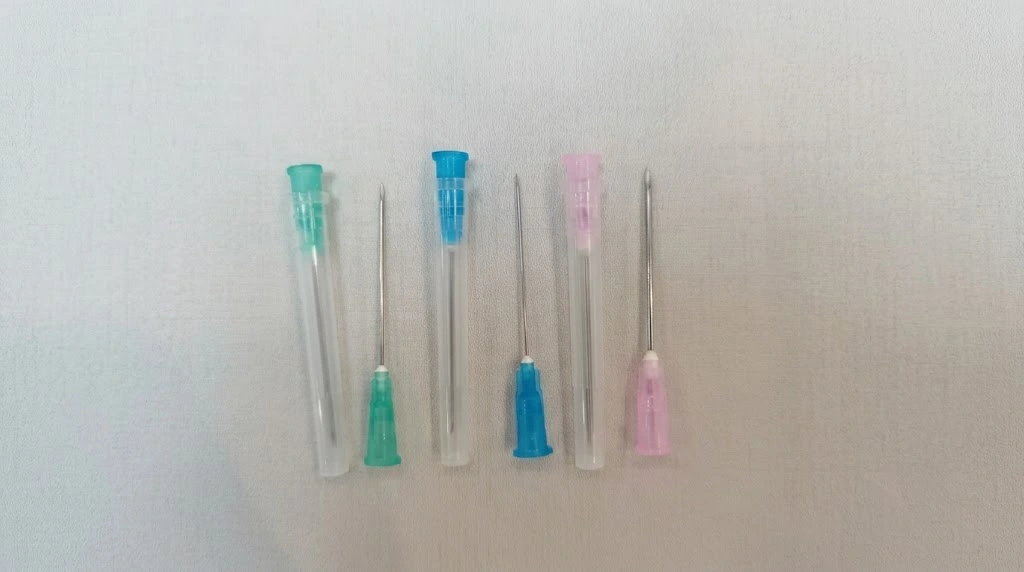
The Evolution of Safety Features in Hypodermic Needles
From Conventional to Safety-Engineered Designs
For decades, conventional hypodermic needle without safety features ruled the medical world, even though they were inherently dangerous. In the late 1990s, manufacturers started adding active safety features that had to be activated by the user. These included sliding shields, hinged protective caps, and manual sheathing systems. These first-generation methods cut down on accidents, but they still relied on good skill and user compliance. The big step forward came with passive safety features that work on their own, so healthcare workers don't have to do anything else. The best technology for preventing injuries right now is retractable needles that go back into the hub right after the shot and covers that lock into place when the needle is taken off the patient.
Material Science Advancing Safety Performance
Medical-grade stainless steel alloys, especially AISI 304 and 316L types, are used to make needles today. These alloys are stronger and less likely to rust than older materials. Surface treatment technologies have come a long way. For example, precision-applied silicone coats can cut entry friction by as much as 40%. This lubrication technology keeps the coating stable over the lifecycle of the product, reducing tissue damage and patient pain. Hub materials have also come a long way. For example, medical-grade polyethylene is resistant to chemicals, stable in size, and works with cleaning processes. Color-coded hubs that meet ISO 6009 standards make it easy to find the right gauge right away, which cuts down on selection errors in high-pressure clinical settings.
Industry Leadership and Adoption Benchmarks
Major makers have put a lot of money into developing new safety features, setting performance standards that affect what buyers expect. The Eclipse needle from BD has a one-handed mechanism that protects the needle right after an injection. Terumo's SurGuard technology has an automatic safety shield that goes up and is confirmed by sound. The Monoject Safety needles from Covidien have a safe sheath that locks over the tip when the needle is not in use. These market leaders have shown results that can be measured: hospitals that implement full safety needle programs report a 62 to 88% drop in injuries across all clinical departments. Such results based on evidence boost buying trust and support the extra money spent on advanced safety technologies.
Choosing the Right Hypodermic Needle for Enhanced Safety and Performance
Critical Technical Specifications for Procurement
To choose the right subcutaneous needle specs, you need to know how size, length, and wall thickness affect how well the needle works in the clinic. Gauge sizes from 18G to 31G are used for different things. Larger bores make it easier to give fluids quickly in an emergency, while smaller gauges make injectable insulin release less painful. Differences in wall thickness are very important. Thin-wall technology makes inner diameters bigger within the same gauge size, which lets more viscous medicines flow without making the needle diameter bigger. Choose a needle length between 13 and 18 mm based on how it will be used—for example, longer needles are needed for intramuscular shots than for intradermal treatments. Durability and patient comfort are directly related to the make-up of the material. For example, high-quality stainless steel stays sharp even after cutting through tissue, which lowers the insertion force and the pain that comes with it.
Safety Mechanism Evaluation Criteria
Teams in charge of buying things should look at safety features from a number of different angles. Active designs are less safe than passive ones because they depend on the user activating them during times of high stress. The contaminated needle tip should be completely covered by shielding systems so that no one comes into touch with it during removal. Auditory or tactile input that confirms proper safety contact lets users know right away without having to look. Being able to use the device with one hand is very helpful for healthcare workers who need to keep contact with or control of the patient while securing the device. Standard Luer slip and Luer lock syringes are compatible, so it can be used in a wide range of professional settings without having to separate the inventory or give extra training.
Matching Products to Clinical Applications
In different professional situations, the needle needs to be made to specific measurements. Vaccination programs need needles that can be quickly inserted into the muscle while causing the patient as little pain as possible. These needles are usually 22–25G and come in lengths that are right for each patient's needs. Thin-wall designs that let more blood flow through while reducing vein damage are good for phlebotomy. For aesthetic medicine, ultra-fine 30G or 31G needles with special bevels that cut down on bruises and recovery time are needed. With choices ranging from 15G to 31G and lengths from 13mm to 18mm, AVACARE has the standard range to meet the needs of a wide range of institutions. Our products have standard Luer hubs that work with both slip and lock syringes, ISO color-coded identification systems, and thin-wall technology for faster flow rates. They are also CE and ISO 13485 certified to make sure they are legal in all markets around the world.
Strategic Procurement Best Practices
Instead of depending only on what vendors say, institutional buyers should check the licenses of suppliers directly. Getting ISO 13485 certification shows that you have strong quality control systems that are meant to make medical devices. CE branding and FDA approvals show that regulations are being followed in the target areas. Being able to track batches quickly lets you respond to quality issues and meet the documentation needs of compliance audits. Minimum order quantities affect how much inventory to keep on hand. AVACARE's 3,000-piece minimum helps with efficient procurement while still being affordable for mid-sized facilities. Processing times of 30 to 45 work days mean that you need to plan ahead to keep your stock going. Letters of credit and telegraphic transfers are two types of payment terms that make international purchasing relationships safer.
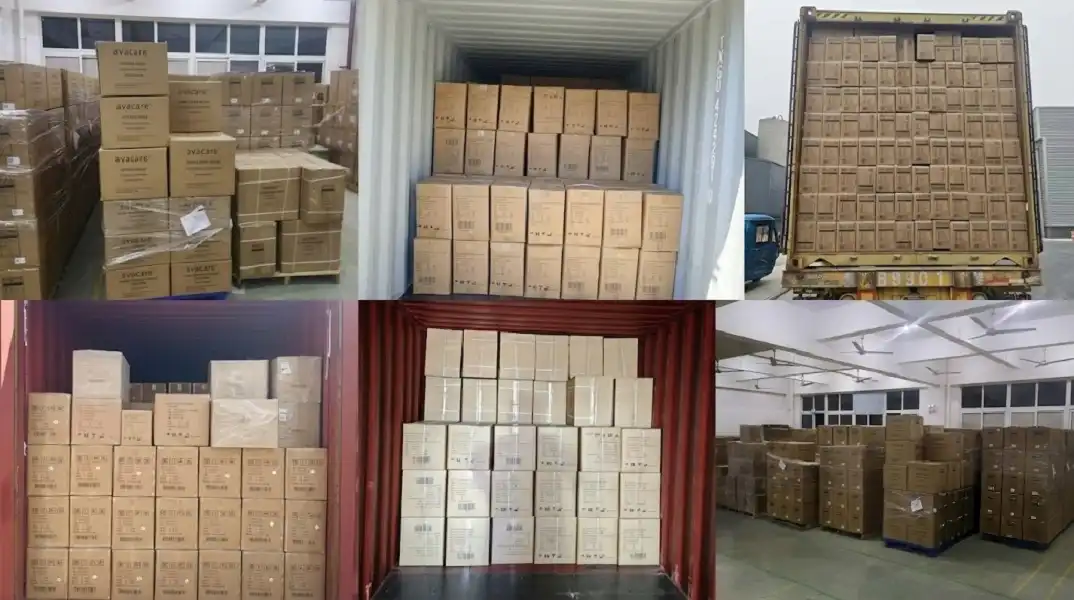
Safe Handling and Disposal Practices for Hypodermic Needles
Clinical Protocol Implementation
Safe injection practices start with clear organization rules and teaching the right way to use the needle. Healthcare workers should never refill needles with two hands, because that puts one hand in a way that could get hurt. Single-handed ways of recapping or, better yet, throwing them away right away in sharps bins that are easy to reach lower the risk of exposure. Assistive tools like needle guides and stabilization platforms keep the hand away from the needle during procedures. Hands-on practice with the specific safety devices used in each area should be a part of training programs to make sure that staff understand how to activate them and can spot the right proof of engagement.
Compliant Disposal Systems
Sharps containers must meet FDA performance standards, which include not puncturing easily, not leaking, and having safe ways to close hypodermic needle. Placing containers where they are needed directly affects compliance with dumping rules; for example, putting containers where needles are used removes the need to move used needles between work areas. Fill-level indicators stop overfilling, which raises the risk of injury during disposal actions. Healthcare facilities that make a lot of sharps waste are using on-site treatment technologies like autoclaving or encapsulation systems more and more to make the waste safe before it is thrown away. These methods have less of an effect on the environment and meet sustainable goals, which are becoming more and more important in how institutions buy things.
Supplier Value-Added Support Services
Comprehensive supplier ties include more than just delivering products; they also include helping with training and giving expert advice. Some of the biggest manufacturers offer clinical education programs that teach people how to use their products correctly and follow the rules for throwing them away. Video demonstrations and teaching materials in multiple languages help staff members who speak different languages do their jobs and follow the rules for competency verification. Technical support that is available quickly—ideally 24 hours a day—can answer operational questions and address quality concerns without stopping clinical workflows. Through OEM relationships, packaging and labels can be changed to match academic standards. Point-of-use reminders help people follow the right way to use the product. With these value-added services, suppliers become strategic partners instead of just transactional vendors. This helps build long-term relationships that keep the supply chain stable and improve operations.
Future Trends and Innovations in Hypodermic Needle Safety
Emerging Smart Technologies
The next version of needle safety includes sensor technologies that show how the needle is being used and prove that it is safe in real time. Smart devices can keep track of when a shot is finished, make sure that the drug is thrown away properly, and send compliance data to central tracking systems. This connection helps with quality assurance efforts and gives proof that protocols are being followed. Pressure sensors built into needle hubs can find patterns of injection resistance, which can let doctors know about possible problems like infiltration or bad placement. With these smart features, both patients and workers should be safer, but widespread use won't happen until problems with cost and integrating them with current clinical systems are fixed.
Sustainable Material Innovation
Environmental duty is having a bigger impact on the growth of medical devices, which is driving the study into biodegradable polymers and designs for parts that can be recycled. Manufacturers are looking into plant-based products that can keep their sterility and motor performance while using less oil and not being able to hold on to trash. New ideas in packaging focus on using less material and making things that can be recycled without affecting the promise of cleanliness. These sustainability efforts are in response to environmental promises made by institutions and are also a look ahead to regulatory frameworks that may eventually require procurement choices to take environmental effect into account.
Strategic Sourcing for Tomorrow's Standards
When forming long-term partnerships, procurement professionals should look at how suppliers encourage new ideas and how much they spend on research and development. Manufacturers who are working on next-generation technologies show that they want to stay relevant in the market and follow the rules as standards change. When institutions work together with suppliers who invest in advanced manufacturing, they can quickly get their hands on new innovations. AVACARE has a production center that is ISO 13485-certified and covers 12,000 square meters. It meets 100,000 clean room standards, which shows that it has the right infrastructure for steady quality and innovation. Our research and development (R&D) team, which is led by experts in the field, focuses on combining new developments in material science with the needs of clinical applications. This way, we can make sure that our product development meets real-world healthcare needs instead of just pursuing technology for its own sake.

Conclusion
The change from old-fashioned hypodermic needles to today's safety-engineered devices is a major step forward in protecting workers' health and improving the quality of patient care. Modern devices with passive safety features, high-tech materials, and design that is based on evidence greatly lower the chance of harm while still being clinically useful in a wide range of situations. When making purchasing choices, institutions do better when they look at more than just the original cost. They should also think about the total lifecycle value, which includes preventing injuries, following the rules, providing training support, and making sure the supply chain is reliable. As smart technologies and eco-friendly materials continue to improve, gadget specs and performance standards will continue to change.
FAQ
What distinguishes thin-wall needle technology from standard designs?
With thin-wall construction, the tube is thinner, which makes the inner openings bigger while keeping the same gauge size. This design allows for higher flow rates when giving thick medicines, which could mean that smaller-sized needles can be used, which would be more comfortable for the patient while still being effective. The technical task is to keep the structure strong and sharp even though the material shapes are thinner.
How can facilities make sure that the safety features work as they should?
The quality paperwork from the supplier should include pull-test results that show how strong the bond is between the hub and the cannula, as well as readings of puncture force that show how consistent the sharpness is. Ask for proof that the sterility assurance levels have been met by using the right sterilization methods (10–6 sterility assurance levels). Batch traceability systems make it easy to look into any problems with performance right away. Small-scale pilot testing before full adoption lets you see for yourself how well safety features work in real healthcare processes.
Do safety needles require specialized disposal procedures?
Safety-engineered needles are thrown away in the same way as regular needles: in a sharps container. The main difference is making sure the safety device is working properly before throwing it away. You can listen for clicks or look for visual clues that show the shield or retractor is working properly. The specs for the containers have not changed: they are still made to be puncture-resistant and leak-proof, and their safe closures meet FDA standards.
Partner with AVACARE for Advanced Safety Needle Solutions
AVACARE offers hypodermic needles that are precisely engineered to combine safety features that have been shown to work with reliable performance standards. Our manufacturing skills allow us to handle projects ranging from small orders of three pieces to big college supply contracts. We keep our ISO 13485 and CE certifications, which show that we are dedicated to quality management and following all international rules. In addition to delivering products, we offer full technical support, which includes training materials for staff, quick response help, and OEM/ODM customization services for private labeling and localizing packaging. Our working time of 30 to 45 business days helps with efficient planning for purchases, and our flexible payment terms (LC or T/T) meet a wide range of buying needs. Contact our team at admin@aileindus.com when you're ready to look into how advanced needle technology can improve safety and business efficiency across your sites. We'd love the chance to talk about your specific needs and show you examples of how AVACARE can put your institution at the top of needle safety standards. Visit ailemedicals.com to see all of our products and learn why healthcare facilities all over the world choose AVACARE as their hypodermic needle provider.

References
1. Centers for Disease Control and Prevention. "Sharps Safety for Healthcare Settings." National Institute for Occupational Safety and Health Publication, 2019.
2. Perry, Jagger, and Parker. "EPINet Report: 2018 Percutaneous Injury Rates." International Healthcare Worker Safety Center, University of Virginia, 2019.
3. Occupational Safety and Health Administration. "Bloodborne Pathogens Standard 29 CFR 1910.1030." U.S. Department of Labor, Revised 2019.
4. Wilburn, Amanda, and Eijkemans, Gerard. "Preventing Needlestick Injuries Among Healthcare Workers: A WHO-ICN Collaboration. "International Journal of Occupational and Environmental Health, Vol. 10, 2004.
5. Tosini, William et al. "Needlestick Injury Rates According to Different Types of Safety-Engineered Devices: Results of a French Multicenter Study." Infection Control and Hospital Epidemiology, Vol. 31, No. 4, 2010.
6. Hanrahan, Alison, and Reutter, Linda. "A Critical Review of the Literature on Sharps Injuries: Epidemiology, Management of Exposures and Prevention." Journal of Advanced Nursing, Vol. 25, Issue 1, 1997.

_1782811410038.webp)