The Ultimate Dental Needle Size Chart: How to Choose Between 25G, 27G, and 30G for Your Practice
Selecting the right gauge for local anesthesia administration can dramatically affect both patient outcomes and clinical efficiency. Dental needles ranging from 25G to 30G differ significantly in diameter, flexibility, and patient comfort levels. The 25G needle, being the thickest, allows rapid anesthetic flow ideal for nerve block procedures, while the ultra-fine 30G minimizes tissue trauma, making it perfect for infiltration techniques and pediatric dentistry. The 27G strikes a balance between flow rate and comfort, serving as the versatile workhorse for general dental practice. Understanding these differences enables procurement managers and clinicians to match product specifications with procedural demands and patient demographics.
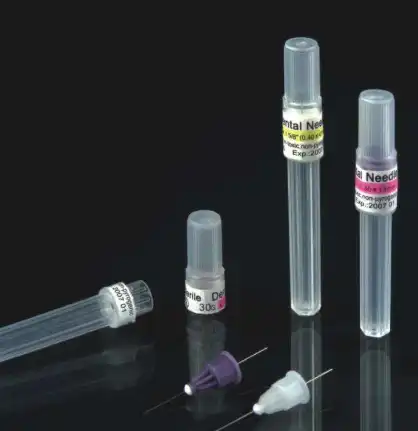
Understanding Dental Needle Sizes and Their Anatomy
Core Components of Modern Anesthetic Needles
Every good anesthetic needle has three important parts that have a direct effect on how well it works and how safe it is. The bevel is the slope of the tip that goes through tissue. Most professional-grade needles have three bevels to make them easier to enter. The shaft, which is usually made of surgical-grade stainless steel, controls how flexible the needle is and how easily it can break during difficult oral procedures. The hub securely attaches to the dental syringe, and threaded hub designs keep them from coming off by accident, which could compromise cleanliness or cause anesthetic to leak.
The shafts of AVACARE anesthetic needles are made of high-tensile stainless steel and are coated with fine silicone. This makes sure that the needles are easy to penetrate while keeping their structural integrity. These latex-free needles take away allergy worries, meeting a growing need for patient safety in healthcare settings.
Gauge and Length: What the Numbers Really Mean
The gauge number is the opposite of the needle diameter; bigger gauge numbers mean smaller needles. The diameter of a 25G needle is about 0.5 mm, that of a 27G needle is about 0.4 mm, and that of a 30G needle is about 0.3 mm. This difference, which might not seem important, makes a big difference in clinical application. Lengths range from 11 mm to 41 mm, depending on the body part being injected and the technique being used.
There are a lot of different lengths in the AVACARE product line. For example, Thread 27G comes in 16/21/25/31/35/38/41mm lengths, and Thread 30G comes in 11/16/21/25mm lengths. This variety makes it possible to precisely match the needs of each procedure, from superficial infiltration to deep nerve block administration.
Dental Needle Size Comparison Chart
Procurement teams can make smart decisions about bulk purchases when they know the real differences between gauge choices. The 25G needle is the stiffest and delivers anesthetic the fastest, so it can be used for posterior superior alveolar nerve blocks and surgical extractions that need deep anesthesia quickly. Its bigger width sometimes causes a little more damage to the tissue, but its deflection resistance during deep tissue entry makes it perfect for difficult approaches to anatomy.
The 27G needle is the standard for flexibility in the business world. Its moderate width makes it comfortable for the patient while still allowing enough blood to flow. This makes it suitable for most inferior alveolar nerve blocks, mental nerve blocks, and regular restorative treatments. Studies show that 27G needles cause pain levels that are clinically acceptable while still being strong enough to allow for accurate needle placement.
The ultra-fine shape of the 30G dental needles puts the pleasure of the patient first. Its smaller diameter makes tissue damage and pain after injection much less likely. This is especially helpful for anterior maxillary infiltrations, pediatric patients, and adults who are anxious. As a result, the anesthetic is delivered more slowly, and there is a higher chance of deflection during deep tissue guidance, which means the operator has to use better technique.
How to Choose the Best Dental Needle Size for Different Procedures
Procedure Type and Anesthesia Technique
Because they go deeper into the body, 25G or 27G needles work best for block anesthesia techniques that target major nerve trunks. One of the most common dental injections is the inferior alveolar nerve block. To reliably reach the mandibular foramen, 27G needles measuring 31 to 35 mm are usually used. The added stiffness keeps the needle from deflecting as it moves through muscle tissue and gets closer to the nerve it needs to reach.
With 27G or 30G needles, infiltration anesthesia works very well because it puts numbing fluid close to nerve endings in soft tissue. For maxillary anterior infiltrations, 30G needles work best because the thin cortical plate only needs a small amount of penetration depth. Patient comfort is very important in this highly visible treatment area.
Patient Demographics and Comfort Considerations
When doing dental work on kids, there are special issues that affect the choice of tool. Injection anxiety is worse in kids than in adults, and kids can handle less pain than adults can. Research shows over and over that 30G needles make injections less painful for kids, which makes them more cooperative and easier to manage behaviorally. Because the ultra-fine diameter makes tissue move less during entry, the patient has a much better experience.
For anterior procedures, 30G needles are also helpful for adults who are afraid of the dentist or needles. Using the best needle available can help with mental health and lower worry before an injection, but doctors have to weigh this benefit against the slightly higher technical difficulty of placing the needle.
Aging people may have changes in their tissues that make it hard to choose the right tool. Because of less flexible tissue and possibly weaker blood vessels, 27G needles are sometimes better because they give better feedback as they move, which helps prevent accidental vessel penetration.
Balancing Clinical Efficacy with Cost Efficiency
Purchasing managers need to look at more than just the unit price when figuring out the total cost of ownership. Even though 30G needles may be more expensive than 27G ones, they can save time in the chair by making patients more comfortable and lessening the need for behavior control. This operational efficiency usually makes up for the extra cost, especially in busy practices or clinics that focus on kids.
With a minimum order quantity of 20,000 pieces, AVACARE's bulk pricing for odontological needles is competitive, which lets institutions get good deals while keeping enough inventory on hand. The 30-45-day production time helps with strategic planning for purchases, and the availability of samples lets people test them in the clinic before committing to large orders.

Safety and Compliance: Best Practices for Using and Disposing of Dental Needles
Needle Stick Injury Prevention Protocols
When healthcare workers handle needles, they run a big risk of getting percutaneous injuries. According to the Centers for Disease Control, about 385 000 needle stick injuries happen to healthcare workers in the US every year. This risk is greatly reduced by following strict safety rules that are in line with Occupational Safety and Health Administration (OSHA) rules.
Techniques for refilling with only one hand should never be used. Instead, practices should have needle safety devices or tools for refilling that make it unnecessary to use the non-dominant hand to reach for the needle tip. Each AVACARE needle comes in its own clean blister pack, and the protected cap should stay on the treatment tray until it is time to use it. After use, needles must be thrown away right away in sharps cases that can't be punctured and should be kept within arm's reach of the treatment area.
Regulatory Compliance and Quality Assurance
Both CE and ISO 13485 approvals show that AVACARE anesthetic needles meet the standards for international quality control systems for medical products. The ISO 13485 standard sets out detailed rules for managing risks, controlling designs, and keeping track of products throughout their entire lifetime. With these certifications, procurement teams can be sure that the manufacturing processes meet strict regulatory requirements.
Because the FDA considers these needles to be Class I medical devices, they are subject to general rules such as establishment registration, device listing, and following Quality System Regulations. The clear gauge marks and ISO color-coded hubs on each individually packaged format stop clinical mistakes and help work move smoothly.
Biomedical Waste Management Requirements
Getting rid of sharp objects the right way keeps both healthcare workers and garbage management workers from getting bloodborne diseases. According to OSHA's Bloodborne Pathogen Standard, used needles and other dangerous objects should be thrown away right away into containers that can't be punctured or leak and are clearly marked or colored. These containers need to be thrown away when they're three quarters full so that they don't get overfilled and leak.
Specifications for sharps containers, how long they must be stored before being thrown away, and the names of companies that are allowed to transport waste may be added by state and local regulations. Procurement managers should make sure that their institution's waste management rules are in line with all relevant laws and that there are enough sharps containers and needles on hand.
Procurement Insights: How to Source Quality Dental Needles for Your Practice?
Evaluating Supplier Credentials and Product Quality
To be a good buyer, you need to do more than just compare prices when you evaluate suppliers. Verification of certifications is the basis of quality assurance. Confirmed CE and ISO 13485 certificates show that a product meets regulatory requirements and is manufactured correctly. By asking for copies of certificates and checking registration numbers in official databases, you can avoid buying from manufacturers who don't follow the rules.
Batch tracking systems make it easy to quickly address quality issues and meet legal reporting needs. AVACARE keeps detailed records for each lot that show where the raw materials come from, how they are made, and where they are sold at the end. This makes it possible to precisely track products throughout the supply chain. This openness keeps healthcare organizations from being sued and shows that they care about patient safety.
Customization Capabilities and OEM Partnerships
Large healthcare institutions and companies are looking for more and more ways to make their dental anesthesia needle products stand out by private labeling and customizing the package. AVACARE is open to OEM and ODM partnerships and can provide customization services such as branded packages, multilingual labels, and changes to specifications to fit regional tastes or academic standards.
The 30- to 45-day production schedule allows for unique orders and good planning of supplies. Being able to pay in different ways, like through T/T and L/C, gives institutions and foreign businesses more choices when it comes to buying things. When samples are available, clinical teams can test how well a product works before placing large orders. This lowers the risk of buying and makes sure that the product meets clinical standards.
Supply Chain Stability and Emergency Response
Problems in the supply chain cause problems in the business that go beyond not having enough inventory. Not having enough consumables on hand can cause delays in patient care, problems during emergency procedures, and frustration on the clinical team. Purchasing managers are putting more and more value on ties with suppliers that offer supply assurance and quick contact.
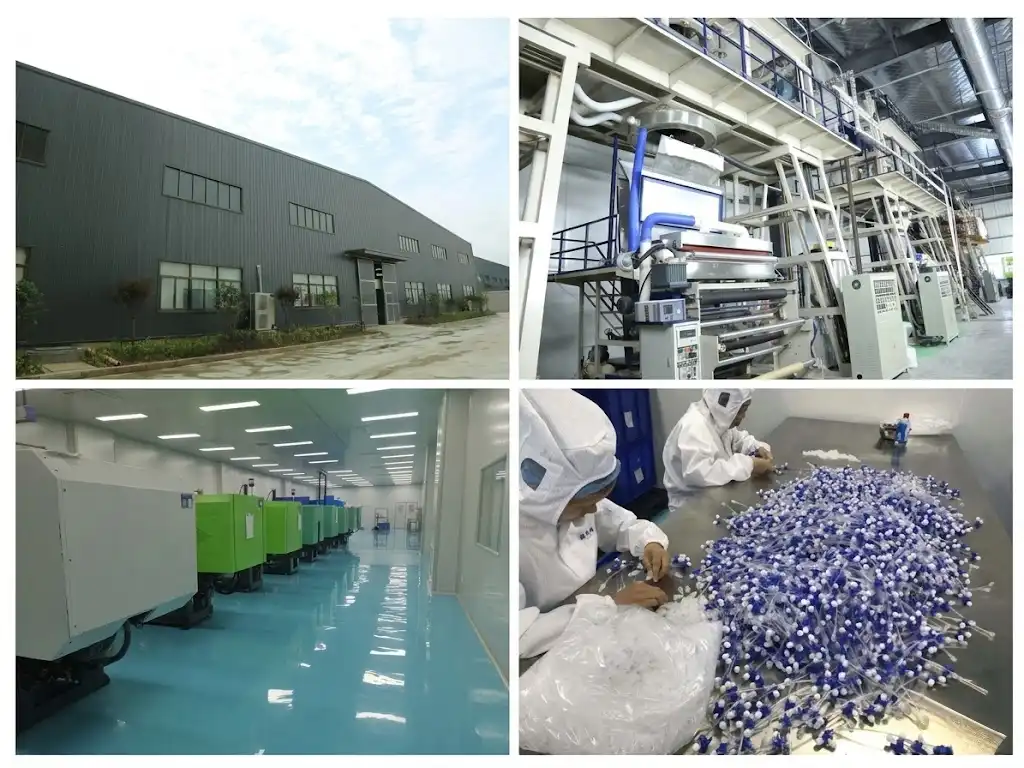
AVACARE has a production facility that is 12,000 square meters and has Class 100,000 cleanrooms. This gives them the ability to make enough products to meet consistent delivery dates. When you have enough production capacity, smart inventory management, and established transportation partnerships, you can be sure that your orders will be filled, even during times of high demand. Setting up relationships with certified suppliers before you need them stops you from making bad decisions when you're under a lot of stress.
Enhancing Patient Experience: Pain Management and Usage Tips
Injection Technique Optimization
The choice of needle is only one factor that affects how painful a shot is; the way it is given has a big effect on how the patient feels. Pressure-related pain during injection can be lessened by stretching the tissue with the right amount of external anesthesia and letting the solution soak in slowly. According to research, putting in local anesthetic at a rate slower than one cartridge per minute makes the patient much more comfortable than quickly injecting it.
Bevel orientation affects how much damage is done to tissue during penetration. By pointing the blade toward the bone during infiltration anesthesia, the needle tip is kept away from the highly nerved periosteum, which eases the pain right away. AVACARE needles have a triple-bevel design that makes the cutting edge sharper and requires less insertion force. This means that tissue doesn't have to be stretched as much, and patients don't feel like they're being dragged.
Temperature and Solution Preparation
The warmth of the anesthetic fluid affects how comfortable an injection is, no matter what needle is used. Solutions that are kept at room temperature (about 20–22°C) are less painful to shoot than solutions that are kept in the fridge and shot at 4–8°C. Warming cartridges to body temperature with commercial warming devices or a simple immersion in a water bath makes it much easier for patients to handle injections. This is especially helpful when using finer gauge needles, where slower flow rates make injections last longer.
Adding a buffer to anesthetic solutions raises the pH closer to physiological levels. This lowers the burning feeling that comes with acidic solutions. Even though this method needs more work to get ready, using buffered solutions with 30G needles makes patients more comfortable, especially those who are prone to worry or who have long treatment sessions.
Addressing Common Misconceptions
A lot of doctors think that using finer needles will always make injections less painful, but clinical evidence shows that this isn't always the case. Even though 30G needles make entry less painful, the following injection phase may actually feel more painful because flow is limited through the smaller lumen. The amount of pain a person feels depends on how well penetration trauma and deposition pressure are balanced. Which variable is more important depends on the patient.
The idea that the length of the needle affects how much pain someone feels is not backed up by science. Instead of shaft length, what makes a patient uncomfortable is the needle's thickness and how it is injected. Misconceptions about length-related pain should not get in the way of choosing the right length based on physical needs and procedure goals.
Conclusion
Picking the right dental needle gauge is a very important choice that can affect the patient's comfort, the efficiency of the procedure, and the success of the clinical outcome. The 25G needle is best for deep block anesthesia that needs a hard structure. The 27G is the standard for a wide range of uses, and the 30G puts patient comfort first for infiltration methods and sensitive groups. By knowing these differences, procurement managers can make sure they have the right amount of inventory for their institution's mix of procedures, and clinicians can improve their skills by choosing needles based on evidence.
Patients and organizations are protected from safety mishaps and legal problems by quality assurance that includes verified certificates, full traceability, and suppliers that can be trusted. Strategic connections with certified makers for purchasing goods ensure a steady supply, and the ability to customize helps with branding for institutions and meeting regional needs.
FAQ
How do I choose between 27G and 30G needles?
The choice is mostly based on the type of treatment and the patient's characteristics. 27G needles have a more rigid structure, which is better for block anesthesia methods that need to resist deflection at a deeper level in the body. Also, the slightly bigger width lets the anesthetic run faster, which cuts down on the total time needed for the shot. 30G needles, on the other hand, work best for infiltration anesthesia and infant uses where reducing tissue trauma is important. Their very small diameter makes entry much less painful, but because of the limited flow, injection rates need to be slowed down and skill needs to be improved to keep the needle from deflecting during placement.
Do AVACARE needles meet international quality certifications?
The numbing needles made by AVACARE are certified by both CE and ISO 13485, which means they meet international quality control standards for making medical devices. These credentials show that there are systematic controls in place during the design, production, and distribution stages. The oral anesthetic needles that are sold in major global markets must meet regulatory standards because they are Class I medical devices and come in a sterile, individually packaged format.
Can these needles be reused?
Without a doubt not. These are one-time-use gadgets that have been cleaned with ethylene oxide. Reusing dental needles increases the risk of cross-contamination too much and goes against infection control rules set by the CDC and professional dental groups. After the first use, the needle tip gets microscopically broken, making a sharp surface that makes tissue more painful during subsequent penetrations. In addition to the risk of infection, reuse makes patients much less comfortable and hurts their health.
Partner with a Trusted Dental Needle Supplier
We at AVACARE know that procurement managers need more than just low prices. They also need partnerships that they can count on for quality assurance, stable supply, and quick service. Our threaded 27G and 30G numbing needles have triple-bevel precision and silicone coating technology, which makes them more comfortable for patients in a wide range of professional settings. Every needle we make in our 12,000-square-meter facility is backed by CE and ISO 13485 certifications and shows our dedication to clinical excellence. Our technical team can help your institution with everything from evaluating samples to fulfilling large orders, whether it needs standard specifications or custom OEM solutions. Get in touch with our purchasing experts at admin@aileindus.com to talk about your needs and find out how AVACARE can become your go-to dental needle maker. You can look at all of our products at ailemedicals.com.
References
1. Malamed SF. Handbook of Local Anesthesia (7th Edition). Elsevier Health Sciences, 2019.
2. Haas DA. Alternative Mandibular Nerve Block Techniques: A Review of the Gow-Gates and Akinosi-Vazirani Closed-Mouth Techniques. Journal of the American Dental Association, 2011; 142(Supplement 3):8S-12S.
3. Centers for Disease Control and Prevention. Workbook for Designing, Implementing, and Evaluating a Sharps Injury Prevention Program. CDC Publications, 2018.
4. International Organization for Standardization. ISO 7885-1:2018: Sterile Hypodermic Needles for Single Use—Part 1: Requirements and Test Methods. ISO Standards Catalogue, 2018.
5. Occupational Safety and Health Administration. Bloodborne Pathogens Standard 29 CFR 1910.1030. US Department of Labor, 2019.
6. Meechan JG. How to Overcome Failed Local Anesthesia. British Dental Journal, 2020; 186(1):15-20.

_1782811410038.webp)