Standard vs. Custom Epidural Kits: How to Configure the Perfect Set for Your Clinic’s Needs
Choosing between standard and custom epidural kits determines your clinic's ability to deliver safe, efficient regional anesthesia while managing costs and inventory effectively. An epidural anaesthesia kit serves as the backbone for labor analgesia, post-surgical pain management, and chronic pain interventions. Standard kits provide immediate availability with consistent components, while custom configurations address specialized clinical protocols and patient populations. Understanding which option aligns with your procedural volume, staff expertise, and budget constraints enables procurement managers and clinical directors to optimize both patient outcomes and operational efficiency without compromising safety or compliance.
Understanding Epidural Anesthesia Kits: Standard vs. Custom
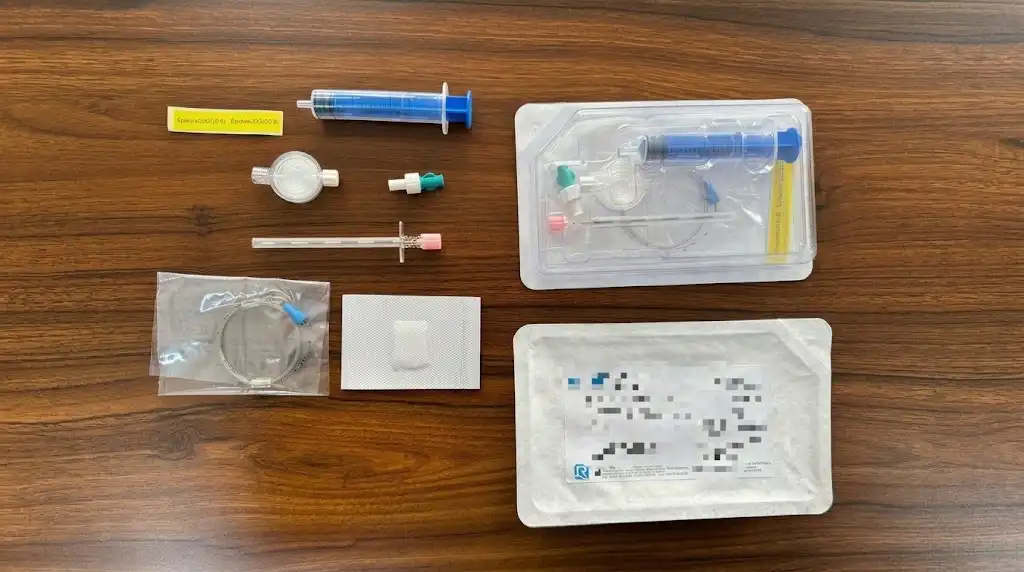
Usually, standard kits come with a Tuohy needle (16G-18G), a polyurethane catheter with depth markings, a Loss of Resistance (LOR) syringe, and a 0.22-micron bacterial filter that are all ready to use for routine procedures. These ready-to-use sets make it easier to buy supplies and train staff. They are perfect for maternity rooms and surgery centers that deal with steady caseloads. Purchasing teams like how easy it is to keep track of inventory and how solid lead times from well-known sources are.
Custom-configured kits, on the other hand, let clinics choose the needle size they want, the type of catheter tip they want (soft-tip vs. standard), NRFit plugs that meet ISO 80369-6 standards, and extras like skin prep solutions or needles that work with ultrasound. This adaptability is very helpful when dealing with different patient bodies, putting in place new safety rules, or meeting the specific legal needs of various hospital systems.
Key Differences Impacting Procurement Strategy
Standard and unique choices are different in more ways than just choosing which components to use. When you order standard kits, you usually need to buy at least 5,000 of them, and they always arrive on time, which helps the supply chain run smoothly. Custom solutions take longer to develop, but they offer benefits like private marking, support for OEM and ODM, and localized packaging—all of which are important when building a brand or serving foreign markets. Procurement officers who care about quality look at both choices by checking that they meet ISO 13485 standards, that they pass biocompatibility tests according to ISO 10993 guidelines, and that the suppliers have certifications like CE and FDA approvals. Custom kits from reputable makers usually go through the same strict quality control checks as standard kits. These checks include tensile strength testing, leakage verification at 300 kPa pressure, and ethylene oxide residue testing below 10ppm levels to keep neurons from being damaged.
How to Configure the Perfect Epidural Kit for Your Clinic's Needs?
To match the configuration of a kit to the needs of a patient, it is necessary to carefully look at the procedures and volume patterns. Obstetric departments that do more than 200 epidurals a month prefer tubes with soft, non-atraumatic tips and clear radiopaque marks for labor infusions that last longer. Surgical centers that do orthopedic or lung treatments can benefit from kits that focus on needle echogenicity for ultrasound-guided placement and strong connecting systems that keep them connected when patients are being moved.
Segmenting Requirements by Clinical Environment
When emergency rooms have to deal with sudden trauma cases, they like keeping small epidural tray kits in hard blister packs (10x10x5 cm) that keep them sterile and don't take up much space. Pain management clinics that do interventional procedures may offer 15G needles for corticosteroid injections in addition to the more common 17G and 18G sizes. Volume also plays a role in the decision-making process. Clinics that do less than 100 procedures a quarter often find that standard kits are cheaper, while centers that do more than 500 procedures a month can afford custom configurations that lower per-unit costs through bulk agreements.
Balancing Cost, Sterility, and Staff Competency
Cost management and clinical goals come together when choosing between kit types. Standard epidural plates usually cost 15–30% less per unit, but they might have extra parts that aren't needed and add to the trash. Custom kits get rid of unnecessary items, but you have to pay a lot of money up front for minimum orders of 5,000 pieces. No matter what configuration you choose, sterility upkeep is a must. Both standard and custom choices must show that the packaging is intact through dye penetration tests and keep its shelf stability for 3 to 5 years. Customization makes staff training more difficult, so new rules and practice exercises are needed to get teams used to new safety features like NRFit connectors or changed how parts are arranged.
AVACARE deals with these problems by providing semi-custom setups that strike a balance between standardization and freedom. Clinics can choose from needle gauges (15G, 16G, 17G, and 18G) and catheter types, and the parts have already been tested to make sure they work together. Our 304 stainless steel Tuohy needles are looked at under a microscope to make sure they don't have any burrs. This keeps tissue from getting hurt and stops catheter coring. The improved safety catheters have soft tips that lower the risk of venous cannulation and clear marks that can be seen on an X-ray, which makes it easier to place the catheter precisely even when the anatomy is complicated.
Comparing Epidural Kits: Quality, Safety, and Supplier Considerations
To figure out how reliable a supplier is, you have to look at their manufacturing standards, certification portfolios, and support structures for after the sale. Leading manufacturers run ISO 13485-certified factories that are classified as Class II instruments and keep compliance documentation that can be accessed by regulators for audits. AVACARE's 12,000-square-meter production base has 100,000-level clean rooms where precise engineering makes sure that all kit components work with each other, so there are no risks of mismatched connections during important procedures.
Assessing Component Quality Metrics
Procedure comfort and the number of complications are directly related to how sharp the needle is and how the bevels are shaped. When viewed under a microscope, premium needles have regular cutting edges and pass insertion force tests that are meant to mimic therapeutic use. The choice of catheter material must strike a balance between flexibility and resistance to kinks. Medical-grade polyurethane and PEBAX formulas keep their shape while the patient moves, and they don't contain DEHP or latex, which can cause allergic reactions. The bacterial filter's 0.22-micron pores are the last line of defense against microbe contamination. This was proven by bacterial challenge tests that showed 99.9999% preservation efficiency.
Packaging integrity of epidural mini-pack protects sterility from the time of manufacture until it is used in a clinical setting. Individual hard box packaging can survive the stresses of shipping and lets you see what's inside before breaking. Peel-strength testing shows that the package opens easily and doesn't make any particles. The seal stays solid throughout the product's shelf life, even if the temperature changes.
Strategic Supplier Partnerships and Bulk Procurement
For the best value, business-to-business buyers build long-term ties with manufacturers who offer expert training, quick reaction times, and flexible supply arrangements. AVACARE offers sample support for testing purposes and private labeling for healthcare groups that are making their own set of procedures. With a weekly supply capacity of 100,000 pieces, we can help with emergency deliveries when clinics need to quickly add new service lines or deal with sudden increases in demand. When you negotiate bulk agreements for at least 5,000 pieces, the cost per unit drops by 20 to 35 percent compared to smaller orders, and you get priority handling during supply chain disruptions.
Quality officers should make sure that providers try everything that is required by law and more. Tensile strength tests make sure that catheters can survive clinical withdrawal forces of more than 30 Newtons without breaking, which is what ISO 10555 guidelines say should happen. Leakage testing proves that the Luer and NRFit connections keep their pressure seals, which stops drug loss and air from getting in during constant infusions.

Best Practices for Epidural Kit Preparation and Safety Protocols
Standardized preparation processes make the nurse and anesthesia teams safer by reducing variation. Protocols start with checking the inventory to make sure that kits are still within their expiration dates and that the packing hasn't been tampered with. Setting up a sterile field uses strict aseptic techniques, and the parts of the kit are organized in a way that makes it easy to hand off instruments during treatments.
Implementing Infection Control and Catheter Management
Infection prevention includes more than just placing the catheter the first time. It also includes keeping it clean during the indwelling period. When a transparent dressing is used, the insertion sites can be seen without disturbing the sterile barriers. Keeping track of the catheter's depth, any pain the patient feels, and any reluctance during insertion helps hold the provider accountable and facilitates the study of any complications that may arise. Modern kits have locking devices for catheters that keep them from coming loose accidentally when the patient is repositioned. This cuts down on the need for replacement treatments that can cause infections and make the patient more uncomfortable.
Staff competency maintenance with the epidural anesthesia kit requires ongoing education addressing technique refinement and complication recognition. Using task trainers for simulation exercises lets professionals get better at the Loss of Resistance technique without putting patients at risk. Video demonstrations explain how to thread a catheter in a way that prevents coiling in the epidural space, which is a common reason why pain relief isn't working well and the patient needs to be repositioned.
Emergency Protocol Development
Even with careful methods, problems like accidental dural puncture, epidural hematoma, and systemic poisoning from local anesthetic need to be identified and dealt with right away. Clinics should keep emergency medicines like lipid emulsion treatment on hand and make it clear how to get to more advanced airway support if needed. Custom kit setups can include specialized tools that help with managing complications, like larger-gauge needles for epidural blood patch treatments after dural puncture events.
Streamlining Procurement: How to Buy the Right Epidural Anesthesia Kits for Your Clinic?
Procurement strategies find a balance between keeping costs low, making sure supplies are reliable, and following the rules. Direct ties with manufacturers can save you money and give you access to technical support, but they usually need you to place a bigger minimum order. Medical gadget distributors offer smaller lots and faster shipping, but they charge more for their services. Online B2B sites give buyers more suppliers to choose from, but they also require suppliers to do a lot of research on certifications and quality standards.
Negotiation Strategies for Healthcare Buyers
A good negotiation starts with a full needs assessment that figures out how many procedures will be done each year, how much space is available, and how much money will be spent on standard and custom configurations. To accurately compare suppliers, you should ask for detailed quotes that break down the costs of each part, the different ways they can be packaged, and the costs of shipping. When making price tier commitments, volume promises should match realistic consumption expectations. If you overestimate, your capital will be stuck in inventory, and if you underestimate, you could run out of stock during times of high demand.
Certification verification is an essential step in the buying process that can't be skipped. Suppliers need to show up with up-to-date CE and FDA paperwork, as well as ISO 13485 certificates and biocompatibility test results. Patents show how innovative a company is. For example, AVACARE's 7 national patents show that the company is continuing to spend in research and development to improve catheter design and add safety features that set their goods apart in competitive markets. Third-party checks of the quality management system give manufacturers even more confidence that the methods they use are consistent from batch to batch.
Integrating Inventory Management Systems
Advanced inventory systems keep track of when items expire, automatically reorder based on consumption trends, and mark SKUs that don't move quickly so that changes need to be made to their purchase. Differentiated par levels keep you from running out of specialized configurations and too many standard options when you're managing both standard and custom kit inventories. Electronic data exchange with providers lets you see production plans and shipment progress in real time, which supports just-in-time shipping models that lower the cost of carrying goods.
Partnering with epidural anesthesia kit suppliers who have flexible manufacturing schedules is a good idea. Seasonal volume fluctuations are common in obstetric services and elective surgical programs. The production planning teams at AVACARE work with the procurement managers to make sure that delivery schedules are in sync with clinical calendars. This way, there is enough stock during times of high demand without too much inventory during times of low demand.

Conclusion
When deciding between a standard and a custom epidural anesthesia kit, it's important to think about healthcare needs, funds, and the supply chain's abilities. Standard configurations are reliable and easy to use for everyday tasks, while custom choices give you the freedom you need for unique rules and institutional tastes. Thoroughly checking suppliers based on certifications, part quality, and customer service makes sure that choices about what to buy improve both patient safety and operating efficiency. The most out of this important investment in regional anesthesia skills is achieved by combining kit selection with thorough staff training and safety protocols.
FAQ
What components are essential in an epidural anesthesia kit?
A Tuohy needle with a curved tip, an epidural catheter with depth marks, a Loss of Resistance syringe, a 0.22-micron bacterial filter, connection systems (traditional Luer or NRFit), and tools for skin preparation and catheter fixing are some of the most important parts. In more advanced kits, needles that work with ultrasound and safer catheters with soft tips may be included.
What clinical advantages do custom kits offer over standard options?
Custom configurations make it possible to match exactly to groups of patients and procedures. Clinics can choose needle gauges, catheter materials, and safety features that are best for each patient's risk profile. Custom kits cut down on waste by getting rid of parts that aren't needed and help institutions build their brands through private marking and localized packing.
Can clinics order custom epidural kits in smaller quantities?
Most makers need at least 5,000 pieces of unique configurations to cover the costs of setting up the production line and making sure the quality is good. Clinics that don't need as many items can look into semi-custom choices that let them change some parts of standard kit designs, or they can form buying cooperatives with other similar institutions to meet minimum requirements.
Partner with a Trusted Epidural Anesthesia Kit Manufacturer
AVACARE provides precisely engineered epidural anesthesia kits that combine clinical effectiveness with procurement flexibility. Our Class II medical device factory follows ISO 13485 guidelines and makes 100,000 pieces every week. The quality is consistent and is backed by CE and FDA certifications. Our OEM and ODM services allow for private labeling and package customization that meets institutional requirements. This is true whether your clinic needs standard configurations that can be used right away or custom solutions that are made to fit specific rules.
Our kits come with 304 stainless steel Tuohy needles in sizes 15G, 16G, 17G, and 18G, along with improved safety catheters that are fully compatible and easy to place. Individual hard blister wrapping keeps things clean all the way through the supply chain and makes storing more efficient. AVACARE does more than just make great products; they also offer full technical training, 24-hour response support, and flexible shipping plans to meet emergency procurement needs. Email our team at admin@aileindus.com to talk about your specific needs, ask for samples to be tested in a clinical setting, or look into bulk buying deals that can help you save money and time on your supply chain. Visit ailemedicals.com to see how working with an experienced epidural anesthesia kit provider can improve both clinical results and the ease of buying.
References
1. Beilin Y, Bernstein HH, Zucker-Pinchoff B. The optimal epidural needle for combined spinal-epidural techniques. Anesthesia & Analgesia 2007;104(3):732-735.
2. Hogan QH. Epidural catheter tip position and distribution of injectate evaluated by computed tomography. Regional Anesthesia and Pain Medicine 1999;24(5):441-446.
3. Neal JM, Barrington MJ, Brull R, et al. The Second ASRA Practice Advisory on Neurologic Complications Associated with Regional Anesthesia and Pain Medicine. Regional Anesthesia and Pain Medicine 2015;40(5):401-430.
4. Pan PH, Bogard TD, Owen MD. Incidence and characteristics of failures in obstetric neuraxial analgesia and anesthesia. International Journal of Obstetric Anesthesia 2004;13(4):227-233.
5. Poon KH, Tan PS. The design of epidural needles. Anaesthesia and Intensive Care 1994; 22(5): 505-512.
6. Wantman A, Hancocks S, Kinsella SM. Reduction of risk in neuraxial procedures: standards and guidance documents. Anaesthesia 2016; 71(Suppl 1): 101-109.

_1782811410038.webp)