Sterile Disposable Endotracheal Tube: Compatibility with Ventilators and Airway Management Systems
When you need to establish a secure airway for critical care patients, choosing the right equipment can mean the difference between life and death. Sterile disposable endotracheal tubes have become the cornerstone of modern airway management, offering consistent performance, eliminating cross-contamination risks, and ensuring seamless integration with ventilators and airway systems. At AVACARE, we manufacture medical-grade endotracheal tubes with HVLP cuff technology, DEHP-free materials, and ISO 13485 certification, making them the reliable choice for operating rooms, ICUs, and emergency departments worldwide.
Understanding Sterile Disposable Endotracheal Tubes and Their Role in Airway Management
Sterile Disposable Endotracheal Tubes are precise medical devices that are put into the trachea to open and keep an airway open during automatic breathing, general anesthesia, and emergency CPR. Reusable tubes need complicated cleaning procedures and are naturally prone to contamination. Single-use tubes, on the other hand, come in sealed, germ-free packages and are ready to be used right away.
Material Science Behind Airway Devices
Because it reacts so differently to heat, medical-grade PVC is still the standard in the business. When put into a person's throat, the material softens at body temperature, molding to the shape of each patient's trachea while protecting the delicate cells there from mechanical damage. AVACARE's tubes are made of DEHP- and latex-free PVC that meets ISO 10993 biocompatibility standards. This is done to address rising worries about phthalate exposure in vulnerable patient groups.
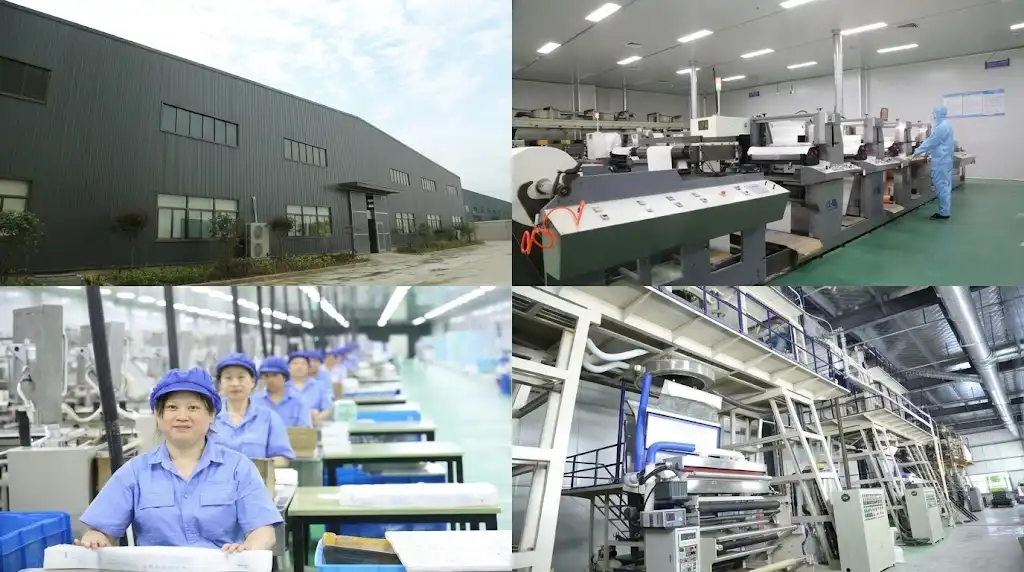
The process of making something is very important. Class 100,000 cleanrooms are used in our 12,000 m² ISO 13485-certified plant to keep particles from getting into the products while they are being made. Each tube is sterilized with ethylene oxide, and the level of assurance for sterility is 10^-6. This means that there is a less than 1% chance that a non-sterile unit will be used in a clinical setting.
Cuff Design and Clinical Outcomes
The high-volume low-pressure cuff technology is a big change in how the trachea is protected. When you ventilate for a long time with traditional high-pressure cuffs, the sealing force was concentrated on a small contact area. This often led to mucosal ischemia and pressure necrosis. HVLP cuffs spread pressure over a larger tracheal area, keeping the seal intact below the capillary perfusion pressure limits. This stops ventilator-associated pneumonia by better stopping micro-aspiration.
Our cuff's cylindrical shape makes about 30% more wall touch with the airway than spherical designs, making a stable seal across a range of tracheal sizes without the need for large inflation amounts. This design philosophy directly answers issues raised by procurement about the adaptability of the product for a wide range of patient groups.
Safety Features That Matter in Critical Moments
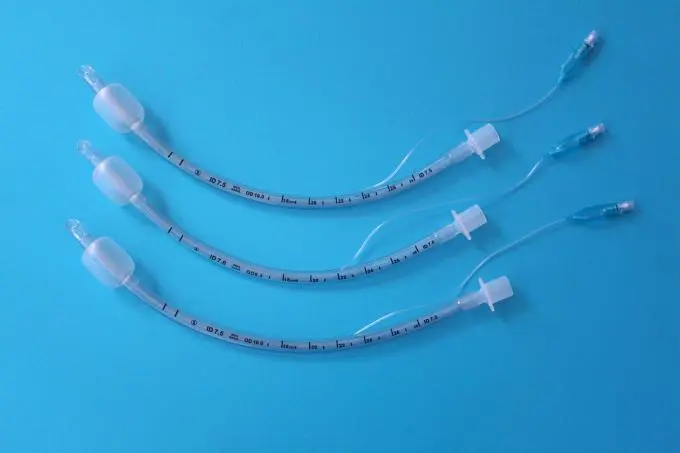
The full-length radiopaque line lets fast X-ray confirmation of tube placement, which is very important for making sure the patient is in the right place during emergency intubations. The Murphy eye, which is a hole on the side near the distal tip, gives you another way to breathe if the main bevel gets blocked by tracheal walls or secretions. With these additions, a simple airway device becomes a full safety system.
Compatibility of Sterile Disposable Endotracheal Tubes with Ventilators and Airway Management Systems
Whether your buying investment adds value to operations or makes work harder depends on how well it works with current ventilation equipment.
Universal Connector Standards
The 15mm outer diameter connector is the standard for Sterile Disposable Endotracheal Tube ventilator circuits, breathing circuits, and manual resuscitators around the world. Precision-molded 15mm fittings made to ISO 5361 standards are used on AVACARE tubes to make sure airtight links with ventilators from Philips Respironics, Dräger, GE Healthcare, and others. This means that you don't have to keep a stockpile of adapters, and there is less chance that a connection will break during a high-stress emergency.
Tube Sizing and Ventilation Performance
The choice of internal width has a direct effect on how well ventilation works and how much movement is blocked. ID sizes for adults are usually between 7.0mm and 9.0mm, while sizes as small as 2.5mm are needed for pediatric uses. With AVACARE, you can choose from a wide range of sizes to fit all of your patients. This saves you the trouble of managing multiple suppliers for different groups of people.
The length of the tube has to fit the anatomy and keep the main bronchus from getting intubated by accident. Standard adult tubes are 30 to 32 cm long from the tip to the connection. This is long enough for both oral and nasal intubation methods, and the long end stays in the middle of the trachea when the tube is in the right place.
Material Properties and Ventilation Dynamics
When moving patients, operating on them, or transporting them, kink resistance is very important. Our thermosensitive PVC formula strikes a balance between being flexible to keep the patient comfortable and being structurally sound to keep airflow open during extreme bending. Clinical tests show that patency is maintained at 90-degree bend angles, which means that ventilation stays open during prone positioning and Trendelenburg procedures.
It's easier to breathe when spontaneous ventilation modes are on because the inside is smooth, which reduces resistance and turbulent airflow. This trait is especially helpful during methods for getting off of a ventilator, when reducing the respiratory load speeds up the process of extubation.
Buying Guide: How to Choose the Right Sterile Disposable Endotracheal Tube for Your Ventilator Systems?
When making strategic choices about buying, you have to find a balance between clinical needs, legal compliance, and the reliability of the supply chain.
Certification and Regulatory Verification
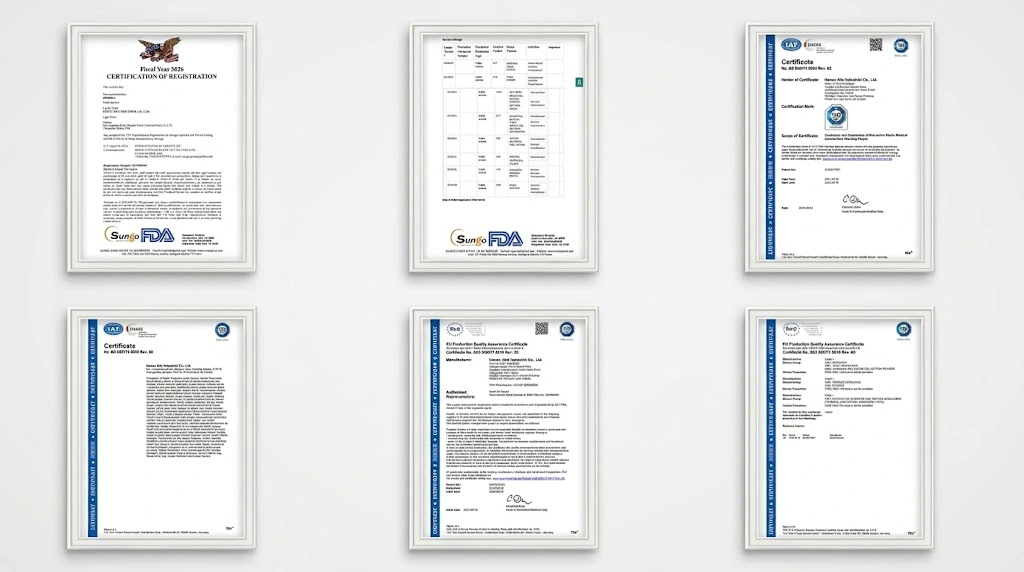
First, make sure that your supplier is currently certified with ISO 13485. This shows that they are committed to medical device quality management systems. European compliance is shown by a CE mark, and U.S. market permission is shown by an FDA registration. In addition to its seven national patents, AVACARE holds all three certifications. This gives it the proof it needs for bids and governmental checks.
Ask for the full technical files for Sterile Disposable Endotracheal Tube, which should include results on biocompatibility tests, sterile validation studies, and clinical evaluations. These papers are very important when the hospital equipment committee reviews them and the government checks purchases.
Supplier Capacity and Delivery Reliability
Emergency rooms and intensive care units (ICUs) can't handle supply problems. Compare your monthly production ability to how much you expect to use. AVACARE can handle 300,000 units per month, which is enough for both emergency stockpile needs and normal usage trends for hospital networks in the area.
Minimum order amounts make it hard for smaller schools and trial evaluations to get what they need. Our minimum order quantity (MOQ) of 100 pieces allows department-level pilot programs, which let clinical teams test how well the product works before committing to bigger contracts. Sample support lowers buying risk even more by making it easier to test things out in real life.
OEM and Private Label Opportunities
Medical equipment distributors and brand-name companies are looking for manufacturing partners for private label programs more and more. AVACARE is open to OEM/ODM agreements, which let you build your brand while using our manufacturing know-how and certification infrastructure. This method works especially well for distributors who serve markets where people really like their own brands.
Cost-Effectiveness Analysis
When figuring out unit price, you need to look at the total cost of purchase. Shipping costs, import fees, minimum order requirements, and payment terms should all be taken into account. Volume-based pricing levels reward institutions that make bigger commitments while keeping entry-level prices low for smaller ones.
Quality throwaway endotracheal tubes usually cost between $0.30 and $1.50 per unit, but this depends on how complicated the specifications are, how many are ordered, and where the tubes are going. When you look at the costs of cleaning, sterilization, and contamination lawsuit risks, this cost structure makes throwaway tubes a good economic choice instead of reusable devices.
Managing Risks and Ensuring Quality in Sterile Disposable Endotracheal Tube Procurement
Throughout the procurement process, effective risk mitigation protects both patient safety and the organization's image.
Common Procurement Pitfalls
When people mix up sterile and non-sterile products, serious safety risks arise. Always make sure that the product specifications clearly say "sterile" and list the method of sterilization. Ethylene gas sterilization is still the best way to clean internal medical devices because it can get into the material and work with it.
When tube specs don't match ventilator needs for size, it can be hard to breathe. Make sure that the external connection diameter of the tube can fit into the ventilator circuits you already have and that the size choices are appropriate for the types of patients you have.
Storage and Handling Best Practices
Keep the integrity of the sterile packaging by keeping the tubes in climate-controlled places out of direct sunlight, places with extreme temperatures, and places where they could be crushed. The typical shelf life is five years from the date of manufacture, as long as the product is stored properly.
Use first-in, first-out stocking movement to stop throwing away Sterile Disposable Endotracheal Tube that is about to go bad. Barcode tracking systems make it easier to find out what happened with a specific batch, which helps with investigations into bad events and reactions to regulatory recalls.
Documentation Requirements for Compliance
For bids and governmental checks, you need to include a lot of information. Keep source qualification files that have business licenses, production licenses, quality system certificates, and papers for product registration. Formulary addition requests are backed up by technical specification sheets, instruction manuals, and summaries of clinical evidence.
Documentation for each batch, such as sterilization certificates, quality control test results, and material safety data sheets, makes it possible to fully track the process from getting the raw materials to using them in a clinical setting. AVACARE offers full documentation packages that help companies follow international standards for buying things.
Future Trends and Innovations in Sterile Disposable Endotracheal Tubes and Compatibility Systems
Material science breakthroughs and digital merging are changing the way airways are managed all the time.
Advanced Material Development
Bio-engineered polymers are being studied to help reduce inflammation in the trachea by making the surfaces antimicrobial and the insides very smooth. These new ideas look like they will make intubation last longer while also lowering the risks that come with it.
Biodegradable alternatives to traditional PVC are being made because of efforts to protect the environment. Next-generation materials might include renewable resources and faster decomposition qualities while still meeting clinical performance standards. This would help reduce the environmental effect of single-use medical devices.
Digital Integration and Smart Monitoring
New tube designs include pressure monitors in the cuff, which lets the seal pressure be constantly monitored and systems that make adjustments automatically. One of the most common reasons for tracheal injuries is too much cuff pressure during long ventilation. This device directly solves this problem.
Integration with electronic health data lets factors for intubation, tube positioning, and cuff pressure trends be recorded automatically. These features make quality assurance monitoring better while reducing the amount of paperwork that needs to be done.
Standardization and Interoperability Initiatives
Industry groups are working on better matching standards that go beyond the basic sizes of connectors and include things like marking rules, material requirements, and naming systems for sizes. The goal is to make global markets less confusing for patients and easier for businesses to buy things, which will help international healthcare organizations and delivery networks the most.
Conclusion
Choosing the right Sterile Disposable Endotracheal Tube supplier affects how well patients do, how efficiently operations run, and how much costs are managed in the long term. Universal connection standards, the right size choices, and material qualities that combine patient comfort with clinical performance are needed for ventilators and airway systems to work together. AVACARE's HVLP-cuffed tubes are made from DEHP-free materials and come in a range of order quantities to support a wide range of purchasing strategies, from emergency stockpiles to everyday use. Because we can make things, help with paperwork, and work with other brands, we're a good partner for distributors, hospital networks, and brand companies that need solid airway management options.
FAQ
What makes HVLP cuffs superior to traditional high-pressure designs?
High-volume low-pressure cuffs spread the binding force over a bigger tracheal surface area. This keeps the airflow going while keeping the pressure below the 25–30 cm H2O level that allows blood to flow through capillaries. This approach lowers the chance of tracheal mucosal ischemia by a large amount, especially during long breathing times that are typical in ICUs.
How do I verify tube compatibility with my existing ventilators?
Check to see if the tube has a standard 15mm outer diameter connector that meets ISO 5361 requirements. This standard makes sure that almost all modern ventilators, anesthesia machines, and manual resuscitation bags can work together. This requirement is met by AVACARE tubes, which work seamlessly with equipment made by companies like Dräger, GE Healthcare, and Medtronic.
What documentation do I need for hospital tender submissions?
Full bid packages need to include ISO 13485 certificates, paperwork for CE marking, product registration certificates, biocompatibility test results, sterility validation studies, and outlines of clinical evaluations. AVACARE helps with all the paperwork, like giving certificates of analysis for each batch and material safety data sheets that make it easier to get approval from regulators and follow the rules for buying things.
Ready to Optimize Your Airway Management Supply Chain?
AVACARE makes Class II Sterile Disposable Endotracheal Tubes that have been tested to work with all major ventilator platforms. Our ISO 13485-certified center ships 300,000 units every month, and our minimum order size is a very low 100 pieces. This makes us a great choice for both small-scale testing and large-scale delivery contracts. Each tube has HVLP cuff technology, materials that don't contain DEHP, and full paperwork packages that help with bids all over the world. Email our team at admin@aileindus.com to get technical details, sample kits, and prices for large orders. You can look at our full line of airway control products at ailemedicals.com and learn why sourcing professionals choose AVACARE for critical care supplies.

References
1. Miller, Ronald D., et al. Miller's Anesthesia, 9th Edition. Philadelphia: Elsevier, 2020.
2. American Society of Anesthesiologists Task Force. "Practice Guidelines for Management of the Difficult Airway." Anesthesiology, vol. 118, no. 2, 2013, pp. 251-270.
3. Sengupta, Palash, et al. "Endotracheal Tube Cuff Pressure in Mechanically Ventilated Patients: A Systematic Review and Meta-Analysis." Critical Care Medicine, vol. 47, no. 8, 2019, pp. 1116-1124.
4. International Organization for Standardization. ISO 5361:2016 Tracheal Tubes and Connectors. Geneva: ISO, 2016.
5. Walls, Ron M., and Michael F. Murphy. Manual of Emergency Airway Management, 5th Edition. Philadelphia: Wolters Kluwer, 2018.
6. European Medicines Agency. Guideline on the Use of Phthalates in Medical Devices. London: EMA, 2016.

_1782811410038.webp)