Why Choose Endotracheal Tube ETT With Ultrathin PU Cuff for Anesthesia and Intensive Care?
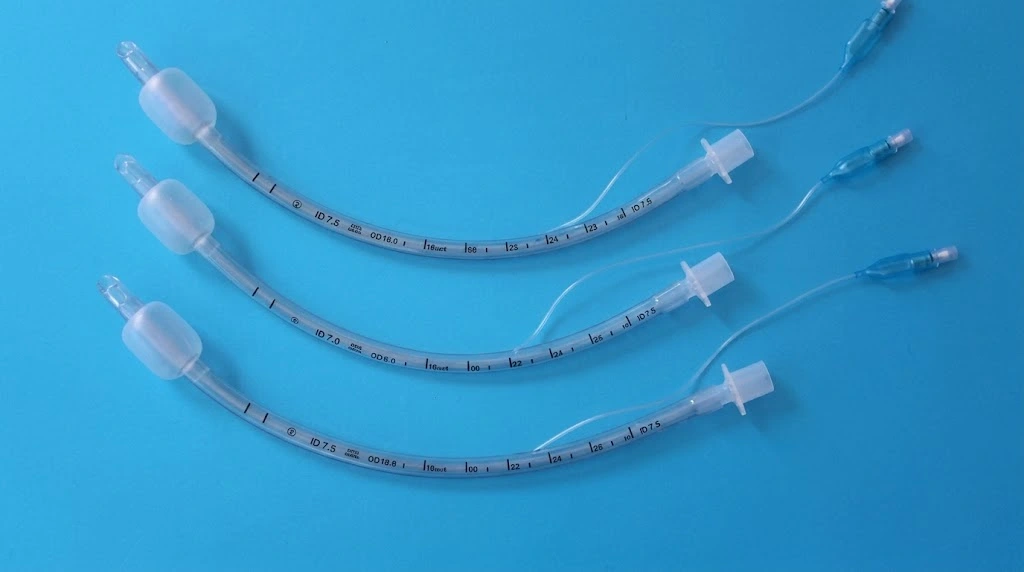
Choosing an Endotracheal Tube Ett With Ultrathin Pu Cuff for anesthesia and intensive care delivers measurable advantages in patient safety and clinical outcomes. The ultrathin polyurethane cuff, measuring just 7-10 microns, creates a superior tracheal seal at pressures as low as 20 cmH2O, drastically reducing ventilator-associated pneumonia (VAP) risk while minimizing mucosal trauma. This advanced airway device eliminates micro-channels that typically form with conventional PVC cuffs, preventing bacterial migration into the lower respiratory tract. With reinforced stainless steel spiral construction, ISO 13485 and CE certifications, these tubes represent the gold standard for high-stakes surgical procedures and extended mechanical ventilation scenarios.
Understanding Ultrathin PU Cuff Endotracheal Tubes
Endotracheal tubes with ultrathin polyurethane cuffs are a big step forward in the technology used to manage airways. Unlike regular PVC cuffs, which have membranes that are 50 microns thick, these new devices use medical-grade polyurethane membranes that are 7 to 10 microns thick, which makes for a very different way of sealing.
Material Science Behind PU Cuffs
The ultrathin polyurethane structure has special features that solve important therapeutic problems. This special material is very stretchy and flexible, so the cuff can easily adjust to the irregular shape of the airway. When expanded, the membrane stays in contact with the airway wall without making the tiny channels that happen when thicker materials fold. Clinical studies have shown that these tiny holes in regular cuffs let bacterial secretions get around the seal, which is a major cause of VAP in patients who are mechanically ventilated.
Clinical Performance Characteristics
The AVACARE ultrathin PU cuff seals well against air leaks at much lower filling pressures than other choices. This trait keeps tracheal capillary blood flow going, which lowers the risk of ischemic harm during long breathing periods. Medical-grade polyurethane softens at body temperature because it is thermosensitive. This makes the material more conforming to the body and less stressful on delicate mucous tissues.
Safety Profile and Biocompatibility
These high-tech breathing devices are fully compliant with ISO 10993 biocompatibility standards. This means that they are non-cytotoxic and don't contain rubber, so they can be used by people who are sensitive. The stronger design has an interior stainless steel spiral that keeps it from kinking during complicated positioning moves. This keeps the airway open even when pressure is applied from the outside or the device is bent at sharp angles. Continuous X-ray contrast lines and Murphy eyes improve visibility and ventilation safety, letting doctors check for correct placement and keep an eye on tube positioning during long procedures.
Advantages of Ultrathin PU Cuff ETT Over Conventional Cuffs
The change from standard cuff materials to ultrathin polyurethane is a big step forward in how airways are managed. Healthcare facilities all over the world are reporting big improvements in patient safety metrics since they started using this technology.
Reduced VAP Incidence
Ventilator-associated pneumonia is still a major problem in intensive care units, where it impacts both patient results and healthcare costs. Endotracheal Tube Ett With Ultrathin Pu Cuff lower the risk of VAP by blocking the leaky paths that form when thicker cuffs fold against the walls of the airway. The very thin design of the AVACARE creates a barrier that keeps fluids from moving from subglottic secretions into the lower respiratory tract. This barrier keeps bacteria from moving even when the patient moves or coughs.
Minimized Tracheal Trauma
Normal cuffs with a lot of volume but low pressure need high inflation pressures, which can make it hard for the tracheal mucosa to get blood flow during long ventilation. The very thin PU membrane can seal well at pressures that are much lower than those needed for PVC options. This lower mucosal pressure keeps tissues intact, which lowers the risk of complications like tracheal stenosis, granulation tissue formation, and vocal cord dysfunction that can happen after extubation. This is something that procurement managers and clinical directors need to think about when they are judging the quality of long-term patient care.
Enhanced Durability and Reliability
Plus, ultrathin polyurethane cuffs are stronger and less likely to tear than thicker PVC materials, even though they are not very thick. The AVACARE manufacturing process, which is carried out in Class 100,000 cleanrooms following strict ISO 13485 rules, makes sure that the quality of the materials is the same from batch to batch. Each unit goes through a lot of tests to make sure it is biocompatible, has good tensile strength, and seals well. This gives procurement professionals confidence in the product's dependability and traceability, which is important for quality assurance paperwork and following the rules.
Procurement Considerations for B2B Buyers and Distributors
When choosing where to get modern airway control devices, you need to carefully look at the skills, certification standards, and logistics infrastructure of the suppliers. Procurement managers can set up reliable supply chains that meet the needs of institutions by understanding these factors.
Certification and Compliance Standards
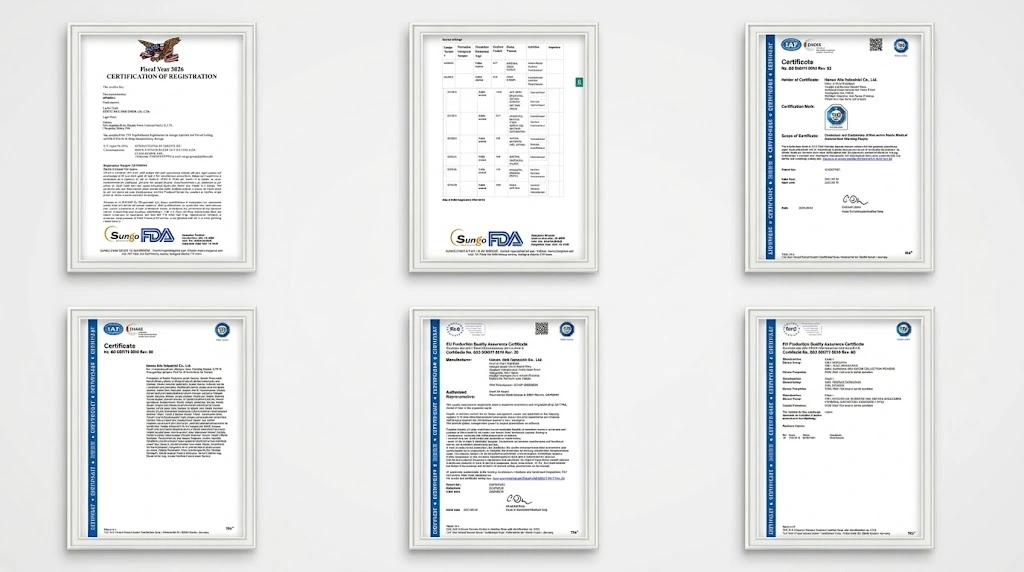
Verification of foreign certifications is the first thing that should be done when looking at an ultrathin PU cuff ETT maker. Getting ISO 13485 certification means that complete quality control systems designed for making medical devices have been put in place. When a medical device is CE marked, it means it meets the rules for medical devices in Europe. When it's FDA cleared, it means it meets the strict safety and performance rules in the United States. AVACARE keeps these important certifications up to date and is backed by 7 national patents that focus on combining material science with clinical applications. This gives quality officers the proof they need to approve purchases.
Supply Capacity and Lead Times
Healthcare facilities can't have vital airway control inventory that isn't available when they need it. Every month, the AVACARE factory can make 300,000 units, which is enough to meet both emergency requests and the needs of long-term partnerships. With a minimum order number of 1,000 pieces, the company can work with a wide range of institution types and make bulk buying affordable. Knowing the real lead times for standard orders versus custom specifications helps procurement supervisors keep the right amount of inventory on hand without allocating too much capital to safety stock.
Customization and OEM Capabilities
Global healthcare organizations need products to be changed more and more to fit regional tastes and institutional standards. OEM and ODM services make it possible for private labels, customized packing, and language localization for Endotracheal Tube Ett With Ultrathin Pu Cuff, all of which make it easier for brands to get into new markets and stand out. Being able to change the markings on tubes, the way they are packaged, and the paperwork that goes with them makes it easier to use the product in clinical settings. This means that less training is needed and medical technologists and clinical staff are more likely to accept it.

How to Choose the Right Ultrathin PU Cuff ETT for Your Needs?
To choose the right airway control devices, you have to match their technical specs with the needs of the clinical application and the goals of the institution. This methodical approach guaranties the best results in a wide range of anesthesia and intensive care situations.
Size Range and Application Matching
Ultrathin PU cuff endotracheal tubes come in a range of sizes to fit patients of all ages, from children to adults. Institutions that serve a wide range of people must make sure their inventory covers all sizes. For more difficult surgeries, like neurosurgery and maxillofacial surgeries, strengthened tubes that are less likely to kink are better. For regular anesthesia uses, cost-effectiveness may be more important than safety features. It is best for both clinical results and procurement funds to match product specs to common use cases.
Material Quality and Sterilization Compatibility
Medical-grade polyurethane has to meet strict biocompatibility standards and stay strong through tested and approved cleaning methods. The most common way to sterilize thermosensitive medical equipment is with ethylene oxide (ETO), which needs to be carefully analyzed for residuals according to ISO 11135 standards. Procurement teams should make sure that providers give them full paperwork and proof of compliance for sterilization validation. At every step of the AVACARE production process, strict quality control is used to make sure that nothing is contaminated, from the raw materials to the finished goods that are ready to be used in hospital settings.
Long-Term Supplier Relationship Management
Forming partnerships with certified suppliers of Endotracheal Tube Ett With Ultrathin Pu Cuff has benefits that go beyond just one transaction. Suppliers who offer full technical support, such as clinical training, product consultation, and 24-hour rapid response systems, improve the efficiency of operations and the skills of staff. The people in charge of buying things should check to see if the suppliers can help with emergency deliveries, offer more than one way to move the goods, and protect against risk by offering things like transport insurance. These service factors are very important when there are problems in the supply chain or sudden increases in demand, which happen a lot in healthcare operations.
Future Trends and Innovations in ETT Technology
The market for endotracheal tubes keeps changing thanks to progress in material science and new monitoring technologies that promise better results for patients and greater operating efficiency.
Smart Cuff Pressure Monitoring
New ideas include pressure monitors built into the cuff that keep an eye on the pressure all the time and let doctors know when the amounts of inflation get out of range. This technology solves the problem of keeping the right cuff pressures during long ventilation times. It lowers the chance of both not sealing properly and having too much mucosal pressure. As soon as these smart tracking systems get approved by regulators and show they are cost-effective in clinical studies, procurement strategies will have to weigh the upfront costs against the possible drops in VAP cases and the treatment costs that come with them.
Antimicrobial Surface Coatings
Antimicrobial coatings that are put on the surfaces of cuffs are being studied because they might help reduce the growth of bacteria and biofilm even more. Adding silver-ion technologies and other antimicrobials to polyurethane materials could add extra layers of defense against pathogens moving through. B2B buyers should keep an eye on the clinical evidence that supports these new ideas while also keeping realistic expectations about how long it will take for regulators to approve them and how much it will cost to adopt them early on.
Adaptive Cuff Geometries
New developments in material engineering have made it possible to create cuff shapes that seal better in a variety of body types and medical situations. Three-dimensional models and improved production methods may soon make it possible to make cuff profiles that are specifically designed for each patient or surgical need. Teams in charge of buying these next-generation solutions will be able to stay ahead of the competition by providing cutting-edge patient care while also keeping an eye on costs and risks related to new technologies.
Conclusion
Endotracheal Tube Ett With Ultrathin Pu Cuff endotracheal tubes have been shown to improve patient safety, clinical outcomes, and the efficiency of operations in intensive care and anesthesia settings. The advanced material properties, better sealing performance, and lower rates of complications make it a good choice for healthcare institutions that make procurement decisions based on evidence. AVACARE is dedicated to producing high-quality products and has many certifications and full-lifecycle support. This makes the company a trusted partner for B2B buyers in global healthcare markets who need steady quality, stable supply, and quick service.
FAQ
How do ultrathin PU cuffs reduce ventilator-associated pneumonia risk?
Ultrathin polyurethane cuffs (7–10 microns) get rid of the tiny holes that appear when regular 50-micron PVC cuffs fold during expansion. In regular cuffs, these holes let secretions from below the pharynx that are full of germs get past the seal and into the lower respiratory system. The extremely thin material fully molds to the uneven shapes of the trachea, making a fluid-tight barrier that stops micro-aspiration even when the patient moves or the ventilation is changed.
Are ultrathin PU cuff tubes compatible with standard sterilization protocols?
These tubes work perfectly with ethylene oxide (ETO) cleaning methods that have been approved by ISO 11135. The medical-grade polyurethane material stays structurally sound and performs well even after being sterilized many times. As part of standard quality assurance procedures, suppliers provide full documentation for sterilization validation and confirmation of residual analysis. This makes sure that products meet regulatory requirements for safe clinical use as soon as they are unpacked.
What cost considerations should procurement managers evaluate?
Ultrathin PU cuff tubes may cost more per unit than normal PVC alternatives, but a full cost study must take into account the money that could be saved by fewer VAPs, fewer problems after extubation, and shorter stays in the ICU. Studies on the economics of healthcare show that stopping just one case of VAP saves a lot more money than the extra cost of the product over the average number of tubes used by a school each year.
Partner With a Trusted Ultrathin PU Cuff ETT Supplier
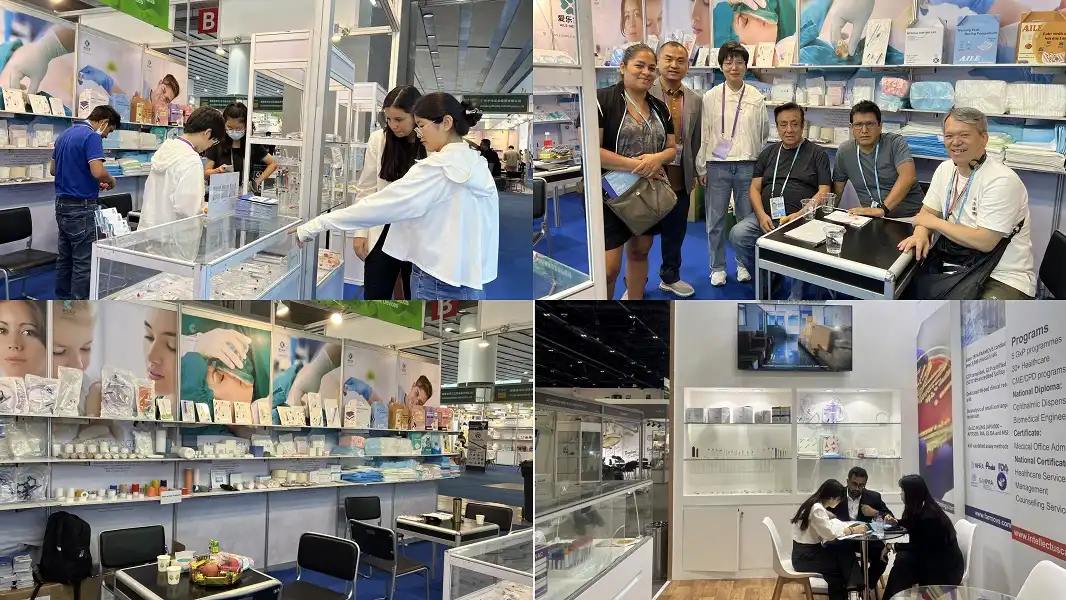
Henan Aile Industrial Co., Ltd. makes AVACARE, which are approved ultrathin polyurethane cuff endotracheal tubes designed for difficult anesthesia and critical care situations. Our 12,000 m² production center follows strict ISO 13485 rules and has Class 100,000 cleanrooms. This makes sure that the products we make are free of contamination and that the quality of all 300,000 units we make every month is the same. With CE and FDA certifications, 7 national patents, and full OEM/ODM customization services, we give procurement managers the supply security, technical support, and regulatory compliance paperwork they need to make smart choices about where to buy. Visit ailemedicals.com or email admin@aileindus.com to get product samples, talk about bulk order needs, or talk to one of our technical experts about how to get the most out of your airway management inventory.
References
1. Lorente L, Lecuona M, Jiménez A, et al. Influence of an endotracheal tube with polyurethane cuff and subglottic secretion drainage on pneumonia. American Journal of Respiratory and Critical Care Medicine, 2007.
2. Poelaert J, Depuydt P, De Wolf A, et al. Polyurethane cuffed endotracheal tubes to prevent early postoperative pneumonia after cardiac surgery: a randomized clinical trial. Journal of Thoracic and Cardiovascular Surgery, 2008.
3. Miller MA, Arndt JL, Konkle MA, et al. A polyurethane cuffed endotracheal tube is associated with decreased rates of ventilator-associated pneumonia. Journal of Critical Care, 2011.
4. Lucangelo U, Zin WA, Antonaglia V, et al. Effect of positive expiratory pressure and type of tracheal cuff on the incidence of aspiration in mechanically ventilated patients in an intensive care unit. Critical Care Medicine, 2008.
5. Philippart F, Gaudry S, Quinquis L, et al. Randomized intubation with polyurethane or conical cuffs to prevent pneumonia in ventilated patients. American Journal of Respiratory and Critical Care Medicine, 2015.
6. Dullenkopf A, Gerber A, Weiss M. Fluid leakage past tracheal tube cuffs: evaluation of the new Microcuff endotracheal tube. Intensive Care Medicine, 2003.

_1782811410038.webp)