The Complete Hypodermic Needle Gauge and Length Guide: How to Choose the Right Size
To choose the right hypodermic needle size, you need to know the gauge thickness, length needs, and needs for the specific application. The gauge number tells you how big the inside of the needle is; higher gauge numbers mean thinner needles. The length number tells you the right delivery level for injecting medicine into the muscle, skin, or vein. When these parameters are matched to the viscosity of the medication, the anatomy of the patient, and the clinical protocols, procedures are safer, patients are less likely to be uncomfortable, and the best therapeutic results happen. This guide gives people who work in procurement useful information for choosing needles that meet regulatory requirements and clinical performance standards.
Understanding Hypodermic Needle Basics
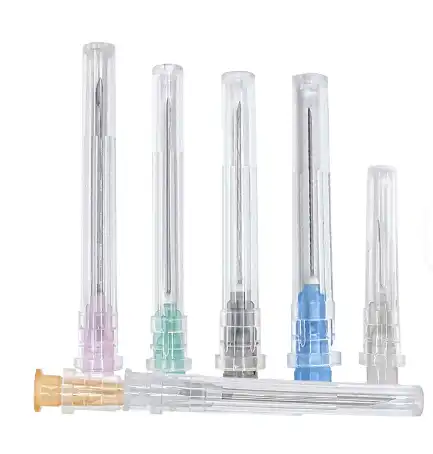
The main job of a hypodermic needle is to cut tissue and make a clean path so that drugs can be delivered or fluid can be taken out. A needle has three main parts: the bevelled tip, which makes it easier to go through skin; the cannula, which is the hollow shaft that fluids flow through; and the hub, which can be attached to syringes firmly using either the Luer slip or Luer lock mechanism. Together, these parts keep the structure stable under stress and keep damage to a minimum.
Primary Needle Types and Their Applications
Needles with a sharp tip are still the standard for most injection treatments. The three-beveled shape doesn't cut, so it moves tissue around instead. This makes the pain and blood flow less. Blunt-tip needles are used to get medicines back into bottles without getting rubber particles in them. When used for subcutaneous delivery in diabetes care, specialty insulin needles are very short and have fine gauges. This is because repeated injections need to leave as few scars as possible and be as painless as possible.
Material Composition and Safety Innovations
AISI 304 or 316L stainless steel is generally very good quality. It is very strong, doesn't rust, and is safe for living things. No matter how many times it is sterilized, the medical-grade polyethylene hub doesn't break down. Modern safety features include devices that slide over the needle and cover it right away after use. This keeps people who work in healthcare from getting hurt by needles. ISO hubs are color-coded so it's easy to find what you need right away. This helps doctors avoid mistakes during stressful procedures. Every needle has a Sterility Assurance Level of 10-6 after being sterilized with EO gas. This is what the FDA and CE want for medical items that are only used once.

Comprehensive Guide to Needle Gauges and Lengths
Decoding the Gauge Scale
A 15G needle has a much bigger bore than a 31G needle because the names of the gauges are backwards. It is easier to quickly inject blood or thick medicines with larger-bore needles. On the other hand, finer gauge needles are better for injecting medicine under the skin or doing cosmetic treatments. When buying teams know about this link, they can make sure that their stock meets the needs of the process. The most usual size ranges for shots given into muscles are 18G to 22G, 23G to 25G for shots given under the skin, and 27G to 31G for insulin delivery and use in children.
Length Specifications and Depth Requirements
The length of the needle has a direct effect on how accurately the drug is delivered. The sizes range from 13 mm (½ inch) to 38 mm (1½ inches), but sometimes you'll need a bigger size. 13–16 mm subcutaneous needles are most often used for subcutaneous shots to get to the fat layer below the dermis. For people, intramuscular shots need to be 25–38 mm long in order to reach muscle tissue. These sizes depend on where the shot is going to be given and the BMI of the person getting it. For getting into a vein, 19–25 mm needles are often used to get into the surface veins with as little damage as possible.
Interplay Between Gauge and Length in Practice
As long as the needle is 25G x 16 mm, it is comfortable for the person getting vaccinated and goes deep enough. If you want to make sure that thick suspensions like penicillin run easily through the cannula and get to deep muscle tissue, you might need a 21G x 38 mm needle. It's even better with thin-wall technology, which makes the inner circle bigger without making the outer gauge size bigger. This makes it possible for smaller needles to carry more liquids. For patient-centered care, it's important to keep in mind that this new idea brings down pain without losing its clinical effectiveness.

How to Choose the Right Hypodermic Needle Size: A Decision Support Approach
Matching Needle Specifications to Clinical Scenarios
When deciding what to buy, an application study should come first. For injections into the deltoid muscle in adults of average weight, 23G to 25G needles that are 25 mm long are generally enough. When giving insulin under the skin, needles between 29G and 31G shouldn't be longer than 13 mm so they don't go through muscle. Needles 18G to 22G and 25 mm to 32 mm are used to get an intravenous tube into a blood vessel with as few tries as possible. In all of these situations, it is important to match the gauge and length correctly so that the medicine can reach the target tissue plane without any issues.
Key Selection Metrics for Optimal Performance
Which measure to use depends a lot on how thick the fluid is. Fluids that are mostly oil need holes that are at least 21G in diameter to avoid getting stuck. Fluids that are mostly water, on the other hand, can easily flow through 27G needles. Flow rate is another thing to think about when you need to get medicines to people quickly, like during CPR. Because kids and older people tend to have less subcutaneous fat, the tissue goal depth needs to take those things into account. This means that needles need to be shorter so that the drug doesn't get injected into the muscle by chance. The choice process is even more exact when you look at things like muscle mass and how easy it is to get to the injection site. This makes sure that each needle works the same way on all kinds of people.
Disposable Versus Reusable and Material Considerations
Today's rules for avoiding infections say that single-use, throwaway subcutaneous needles are the best way to keep people from getting infections. They are already clean and individually wrapped when they arrive, which saves time and money for the hospital. In places with few resources, reusable needles are cheaper, but they need to be cleaned more fully and are more likely to spread disease. Stainless steel needles stay sharp longer and are more stable than plastic ones. However, plastic safety needles protect against sharp items. Needles made of disposable stainless steel that are certified by CE and ISO 13485 are the safest and most compliant choice for hospitals that put patient safety and the dependability of their supply chain first.

Market Overview: Procuring Hypodermic Needles in Bulk
When you buy in bulk, you have to carefully evaluate your suppliers. Certifications are the basis: ISO 13485 proves that the quality management system is working properly, and CE and FDA approvals show that the product is safe and effective. Manufacturers with a lot of experience, like BD, Terumo, and Smiths Medical, set the standards for the industry. However, new suppliers with the ability to customize products and provide quick service can offer competitive advantages.
Supplier Evaluation and Quality Benchmarks
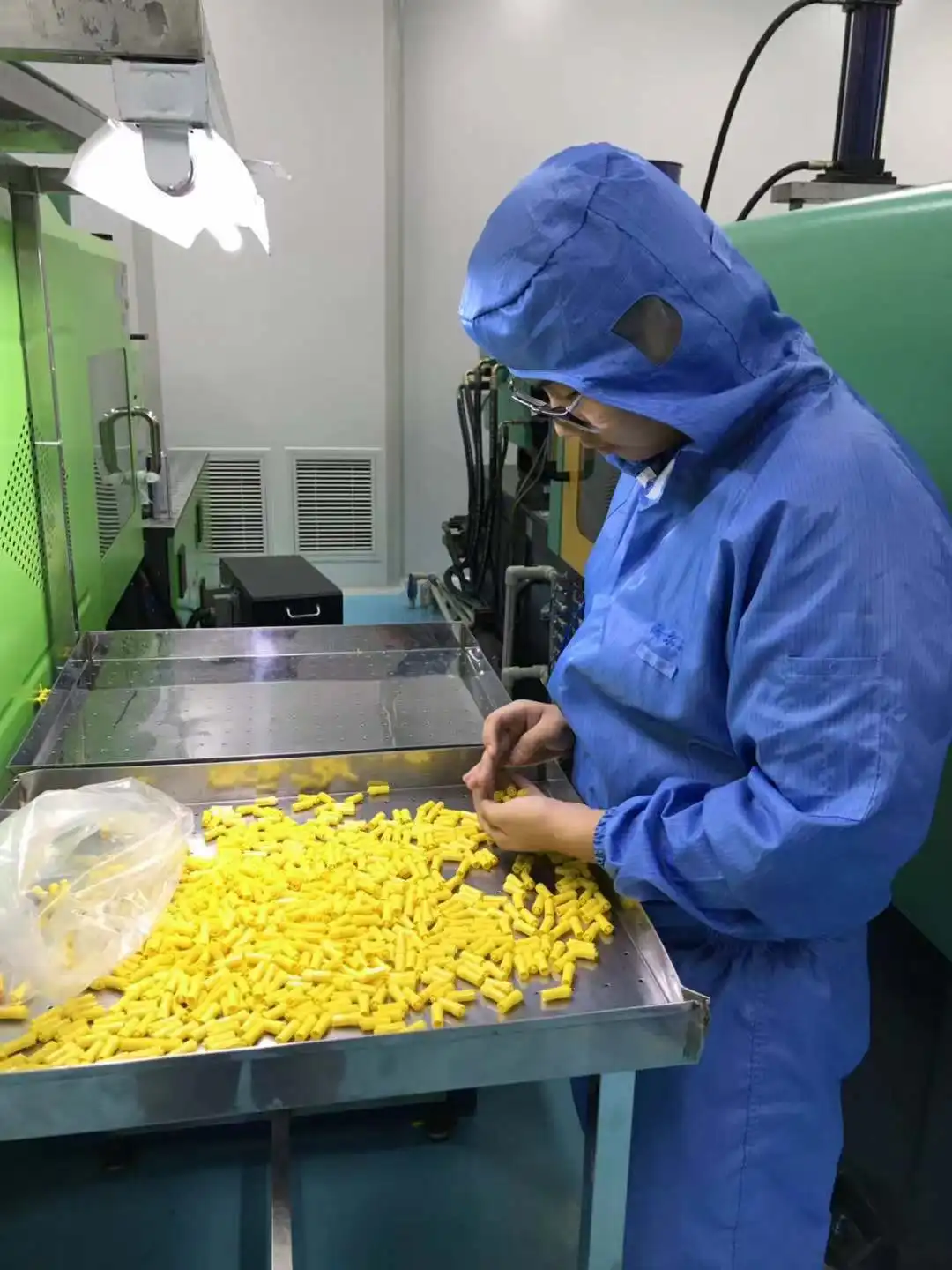
Reliable sellers show consistent batch tracking, which lets you act quickly if you have worries about quality. Transparency in the manufacturing process, such as guidelines for clean rooms, proof of sterilization, and where the raw materials come from, boosts trust. Real-world success data comes from references from similar healthcare institutions. Minimum order amounts are very different. Some sellers need 3,000 pieces to meet specific requirements, which strikes a balance between client flexibility and production efficiency. Processing times usually last between 30 and 45 business days, so accurate demand planning is needed to keep from running out of stock.
Pricing Structures and Cost Optimization
Bulk deals get bigger as you buy more. For example, when you buy more than 50,000 units, you can often get 15–25% off the price compared to buying less. Gauge and length specifications also have an effect on prices. For example, fine-gauge needles with thin-wall technology cost more because they are harder to make. Letters of credit and telegraphic transfers are two types of payment terms that make foreign deals safer. Transport insurance, customs duties, and storage space are some of the hidden costs that should be included in total cost analyses. When purchasing goods, teams have to weigh the cost per unit against the dependability of the seller, keeping in mind that problems with the supplier cost a lot more than small saves per unit.
Compliance Frameworks and Authenticity Verification
In the United States, medical device importers must be registered with the FDA and follow the quality rules in 21 CFR Part 820. Before signing contracts, procurement managers should ask for Certificates of Conformity, batch test reports, and proof that the product was sterilized. Independent confirmation of seller claims can be found through audits by third-party groups like TÜV or SGS. Authentication tools like holographic stickers, unique batch codes, and blockchain-based tracking help stop fake goods from getting into supply lines. Carefully checking the credentials of suppliers protects the reputations of institutions and the health and safety of patients.
Optimizing Procurement Strategy for Hypodermic Needles: Best Practices
Strategic sourcing is more than just buying things; it also includes building long-term partnerships. For needle specifications to match institutional protocols, procurement teams, clinical directors, and quality officers must work together. To keep the right amount of inventory on hand without tying up capital in extra stock, demand forecasting models should take into account yearly vaccine campaigns, trends in the number of surgeries, and emergency preparation buffers.
Inventory Management and Internal Standards Development
Just-in-time inventory methods cut down on storing costs, but they need sellers who can fill orders quickly. When figuring out safety stock, you should take into account things like changing lead times and situations where you can't do without stock. Internal standards based on ISO compliance make sure that all decisions about buying support quality goals. Standardizing on certain gauge-length combinations across sections makes training easier, cuts down on mistakes when placing orders, and lets you take advantage of big discounts.
Supplier Relationship Management and Negotiation Tactics
Negotiations that go well include more than just price. They also include service level agreements, promises of technical help, and choices for customization. Private labeling, custom packaging, and language localization are all possible through OEM/ODM partnerships. This is very important for distributors building regional brands. A mid-sized surgical center that works with AVACARE is a great example of how to be successful. By getting all of its needles from a single ISO 13485-certified supplier who offers samples, multilingual manuals, and 24-hour technical support, the center was able to simplify its supply chain by 40% while also making the quality of its products better.
Sustainable Disposal and Environmental Responsibility
Single-use needles create medical waste that needs to be thrown away properly to protect the environment and people from getting hurt by accident. Sharps containers that meet OSHA standards make it safe to collect them, and specialized waste haulers make sure that they are properly burnt or autoclaved. New technologies like resin encapsulation get rid of biohazards and make landfills smaller at the same time. More and more, procurement strategies put an emphasis on suppliers who show they care about the environment by using recyclable packaging, shipping that doesn't use carbon, and reducing waste. These actions are in line with the sustainability goals of the organization and raise the image of corporate social responsibility.

Conclusion
To choose the right hypodermic needle gauges and lengths, you have to balance clinical needs, patient safety, and the cost-effectiveness of procurement. Healthcare institutions can improve treatment results by understanding how gauge numbers relate to needle diameter, how length ensures proper tissue penetration, and how specs relate to drug viscosity and anatomical targets. Strategies for buying in bulk that focus on seller certifications, clear prices, and long-term partnerships make the supply chain more resilient while keeping costs low. Being responsible for the environment and following the rules are two more things that set top buying programs apart. By following these rules, procurement professionals can get high-quality needles that meet strict safety standards and help improve patient care.
FAQ
What determines the correct gauge for a specific medication?
Gauge selection is mostly based on the thickness of the medicine. Thin watery solutions can go through 25G-27G needles without any problems, but thick oils or liquids need 18G-21G bores to keep them from getting clogged and to make sure the full dose is delivered.
How do hypodermic needles differ from insulin needles?
For subcutaneous administration in diabetic care, insulin needles have shorter lengths (usually 4–8 mm) and finer gauges (29G–32G). Standard needles come in a wider range of gauges and lengths so they can be used for both injection and intravenous procedures.
Are disposable needles more reliable than reusable alternatives?
Cross-contamination is not a problem with disposable needles because they are already sterilized when they are delivered. This means that they are always sharp and clean. In modern healthcare settings, disposable needles are safer than reusable ones because they don't need to be cleaned as carefully and are less likely to spread infections.
What role does ISO color coding play in clinical safety?
Color-coded hubs in ISO 6009 make it easy to find the right gauge right away, which cuts down on selection mistakes during high-pressure procedures. This standardized visual method makes foreign healthcare settings more efficient and safer for patients.
Partner with AVACARE for Your Hypodermic Needle Supply Needs
AVACARE is ready to help your institution with high-quality hypodermic needles in lengths ranging from 13 to 18 mm and gauges ranging from 15G to 31G. All of these needles are EO gas sterilised and made from high-quality stainless steel with medical-grade polypropylene hubs. Our ISO 13485 and CE licenses make sure that we meet strict international standards, and our thin-wall technology makes it possible for medicines that are thick to flow as quickly as possible. We provide trustworthy OEM/ODM services that let you make your own logos and packages that help you stand out in the market. We are flexible and quick to respond because our minimum order number is only 3,000 pieces, we offer samples for you to look over, and our working times are between 30 and 45 business days. Our 24-hour support team makes sure that your supply chain doesn't stop. Get in touch with admin@aileindus.com right away to talk about buying hypodermic needles in bulk, get product samples, or look through our full catalogue. We are your reliable source for hypodermic needles.
References
1. World Health Organization. "WHO Guidelines on Drawing Blood: Best Practices in Phlebotomy. " Geneva: WHO Press, 2010.
2. Hunter, J. "Intramuscular Injection Techniques: A Review of Clinical Evidence and Practice." Nursing Standard, vol. 22, no. 24, 2008, pp. 35-40.
3. Nicoll, L.H., and Hesby, A. "Intramuscular Injection: An Integrative Research Review and Guideline for Evidence-Based Practice." Applied Nursing Research, vol. 16, no. 2, 2002, pp. 149-162.
4. Ogston-Tuck, S. "Subcutaneous Injection Technique: An Evidence-Based Approach." Nursing Standard, vol. 29, no. 3, 2014, pp. 53-58.
5. International Organization for Standardization. "ISO 7864:2016 Sterile Hypodermic Needles for Single Use." Geneva: ISO, 2016.
6. Cocoman, A., and Murray, J. "Intramuscular Injections: A Review of Best Practice for Mental Health Nurses." Journal of Psychiatric and Mental Health Nursing, vol. 15, no. 5, 2008, pp. 424-434.

_1782811410038.webp)