The Science of Painless Injections: How Needle Gauge and Bevel Design Impact Patient Comfort
Patient comfort during injections remains a top priority for healthcare professionals worldwide. The science behind painless injections centers on two critical design elements: needle gauge and bevel configuration. Modern dental needles incorporate sophisticated engineering that significantly reduces tissue trauma and nerve irritation during anesthetic delivery. Studies demonstrate that ultra-fine gauges combined with triple-bevel designs can decrease penetration resistance by up to 23%, while silicone coatings further minimize friction during tissue entry. Understanding these technical specifications allows procurement managers and clinical directors to select products that balance patient experience with procedural efficiency and clinical outcomes.
Understanding Dental Needle Gauge: Size, Material, and Patient Comfort
What Gauge Numbers Really Mean?
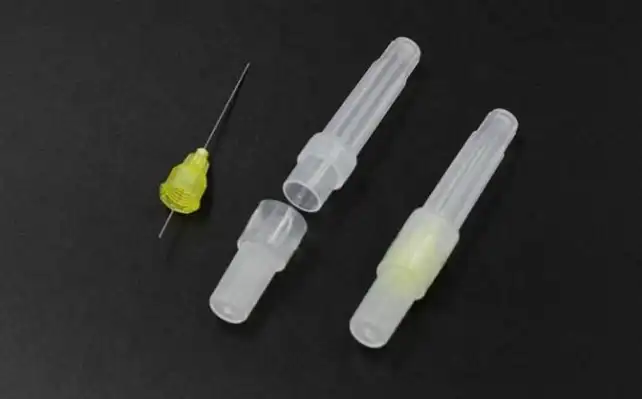
Needle gauge shows how wide the needle stem is; needles with higher gauge numbers are smaller. A 30G needle is actually finer than a 27G gauge, which is the opposite of what you might think. In practical practice, this difference is very important. Thinner needles cut through tissue with less force, which directly means less pain for the patient. But choosing a gauge comes with clinical trade-offs that procurement teams need to be aware of.
Common Gauges in Clinical Applications
Different treatments are usually done with 25G, 27G, and 30G needles in a clinical setting. For block anesthesia, 27G needles are often needed because their slightly larger width helps the anesthetic run faster, which is very important during long surgeries. On the other hand, 30G needles work best for infiltration anesthesia, where accuracy and comfort are more important than flow rate. Pediatric dentistry strongly recommends smaller sizes because kids are more likely to be scared of needles. AVACARE makes 27G needles in seven lengths (16mm to 41mm) and 30G needles in five lengths (11mm to 31mm), so doctors can choose the right gauge and length for each patient's anatomy and personality.
Material Science Behind Needle Performance
Due to its high tensile strength and resistance to breaking during complicated oral treatments, high-grade stainless steel is used to make high-quality needles. The metallurgical composition has a direct effect on how well the edge stays sharp and how easily it breaks. AVACARE needles are made of high-tensile stainless steel, which means they stay structurally sound even during difficult angulated injections. In addition to the steel heart, new coatings change the way tissues communicate with each other. Silicone coating technology cuts down on surface friction by about 30%. This makes it easier for the needle to move through mucosa and deeper tissues. This covering also keeps tissues from sticking together during withdrawal, which lowers pain after an injection.
Material selection influences durability as well for odontological needles. Premium stainless steel doesn't allow tiny burring at the needle tip, which makes entry much more painful. When purchasing professionals look at sources, they should check that the materials they use are certified and that the manufacturing methods they use are uniform so that the metal's properties stay the same from batch to batch.
Bevel Design Evolution: From Traditional Needles to Enhanced Comfort
The Mechanics of Bevel Configuration
How a needle interacts with tissue layers during insertion depends on the design of its bevels. The number, length, and slope of the cutting tips all affect how deeply they go into the tissue and how much it moves. Traditional single-bevel needles caused more damage and took longer to heal because they pushed tissue aside instead of cleanly separating it.
Triple-Bevel Innovation
Modern triple-bevel designs are a big step forward in making injections more comfortable. The sharp triple-bevel design in AVACARE needles spreads the cutting force over three perfectly curved surfaces. This arrangement lowers the initial entry force needed to break through the epithelial layer, which is when patients feel the most pain. Triple-bevel needles need 15-20% less insertion pressure than regular designs, according to clinical tests.
The multi-plane cutting action also minimizes nerve bundle compression. When the triple-bevel design of the needle meets a nerve fiber, it tends to deflect around it instead of pressing directly against it. This makes the sharp shooting pain that some patients describe much less severe. This physical benefit is especially useful in places with a lot of nerves, like the front of the mouth or the sites where the mandibular nerve is blocked.
Clinical Evidence Supporting Advanced Bevels
Modern bevel designs regularly show better patient outcomes in research reported in dental anesthesia papers. Studies that use the Visual Analog Scale (VAS) to measure pain show that people who get injections with triple-bevel needles report 18–25% less pain than people who get injections with traditional needles. Also, the rate at which tissues heal faster and less inflammation is seen at injection sites 24 to 48 hours after the procedure. These perks have real practical benefits, such as better patient cooperation, less worry about appointments, and a better image for the practice. When purchasing needles, procurement managers should give more weight to companies that spend in blade engineering and can show that their designs are better through clinical data.
Safety and Best Practices in Using Dental Needles for Local AnesthesiaSingle-Use Standards and Cross-Contamination Prevention
Cross-contamination risks are not tolerated at all in healthcare facilities. With single-use dental needles, there are no more ways for bloodborne pathogens to spread, which was a big problem with devices that could be used more than once. AVACARE needles are sterilized with ethylene oxide (EO) and come in separate packages to make sure they stay clean until they are used. Each unit comes in tamper-evident packaging that lets you see for yourself that the product is still whole.
Regulatory bodies like the FDA and CE authorities require that syringe needles be labeled as single-use. This shows that doctors agree on what the most important things are for preventing infections. Officers in charge of buying things should make sure that sellers have complete systems for tracking batches. AVACARE uses quality management that is in line with ISO 13485 and keeps full records on each lot. This lets them respond quickly if there are any quality issues.
Handling and Disposal Protocols
The right way to handle needles starts with keeping them in a controlled space that keeps the needle tips and hub connections from getting damaged. Clinical teams need to be taught how to recap needles or, better yet, how to use non-recap protocols that lower the risk of needlestick injuries. Healthcare facilities must follow detailed rules set by the Occupational Safety and Health Administration (OSHA) as part of their normal operations.
Disposal involves immediate placement into puncture-resistant sharps containers positioned within arm's reach of injection sites. The labels and packages on these containers must meet government standards for safety. More and more, healthcare facilities are looking for suppliers that support efforts to be more environmentally friendly. Needles can't be recycled right now because they are contaminated with biohazards, but relationships with medical waste management companies for appropriate disposal make sure that environmental rules are followed.
Supplier Certification and Quality Assurance
By working with suppliers who have strict quality control, procurement experts lower business risks. AVACARE is certified by CE and ISO 13485, which shows that it follows international standards for medical devices. For these certifications, third-party audits, process monitoring, and approved sterilization procedures must be done on a regular basis. In addition to certifications, suppliers' openness about the working conditions of their factories is very important. AVACARE has 12,000 square meters of production space, which includes 100,000-grade clean rooms that keep needle assembly and packing from getting contaminated with particles.
How to Choose the Best Dental Needles: Criteria and Market Comparison
Evaluating Technical Specifications
To choose the best needles, you have to match their technical features to the needs of the patient. The choice of gauge depends on the type of procedure (block anesthesia vs. infiltration) and the patient's age and level of anxiety. Length options need to be flexible enough to fit different body types and injection methods. AVACARE has a wide range of gauge and length combinations that can be used for a variety of procedures. This means that buying teams don't have to handle ties with multiple suppliers.
The design of the hub is another important specification. Threaded hub connections are safer than friction-fit ones because they keep the needle from coming off by chance during aspiration or injection. AVACARE needles have strong threaded hubs that are designed to fit tightly with standard dentistry syringes. This keeps anesthetic waste from going to waste and makes sure that the right amount of anesthetic is given.
Color-Coding and Clinical Efficiency
Color-coded ISO hubs keep clinical mistakes from happening by making it easy to see which needle gauge is which right away. In busy offices with centralized supply areas that are used by many doctors, this uniformity is especially helpful. AVACARE needles have clear gauge marks and ISO-standard color coding, which speeds up work and lowers the chance of selection mistakes that could hurt patients.
Balancing Performance with Procurement Economics
Buyers in the business world have to weigh clinical performance against the total cost of ownership of a dental anesthesia needle. Premium needles cost more per unit, but their better design lowers the risk of complications, makes patients happier, and makes the business run more smoothly. Healthcare facilities can keep a wide range of needles on hand while keeping costs low by buying in bulk from dependable companies like AVACARE, which offers low prices for orders of at least 20,000 pieces. Volume commitments also keep the supply chain stable, which is very important when the market is unstable or when demand suddenly rises.
Purchasing managers should judge suppliers by how easily they can be paid. AVACARE takes both T/T and L/C as payment terms, so it can work with a wide range of institutional purchasing strategies and financial planning choices.
Procurement Insights: How to Buy High-Quality Dental Needles for Your Business?
Identifying Trustworthy Manufacturers
There are a lot of sellers in the medical supplies market, which makes it hard to choose one. Teams in charge of buying things should come up with review factors that put quality control, production capacity, and service infrastructure at the top of the list. Certified makers with documented quality control systems are less likely to be a threat than sources that can't be trusted. With ten years of experience making products since 2014 and CE and ISO 13485 certifications, AVACARE shows the commitment to quality that procurement officers look for.
Production capacity directly impacts supply reliability. Healthcare facilities can't have stock-outs that stop professional operations. The 12,000-square-meter building and 100,000-grade clean rooms at AVACARE make it possible to make enough to handle both regular restocking and urgent orders. Production lead times are usually between 30 and 45 days, which helps buying teams plan their inventory processes well.

Customization and OEM Opportunities
Distributors, group buying organizations, and healthcare networks are looking for ways to customize their products that make them stand out more and more. AVACARE is open to OEM and ODM partnerships and can help with private labeling, changing the packaging, and localizing the language. With these skills, procurement organizations can create branded product lines that help them stand out in the market while using their existing manufacturing knowledge and quality control systems.
Sample access is another useful tool for buying things. AVACARE gives clinical teams samples of needles so they can test how well they work before making big purchases. This testing phase lowers the risks of adoption and makes sure that the product works with the practice.
Building Strategic Supplier Relationships
Long-term relationships with companies that make dental needles offer benefits that go beyond just getting a good deal. As clinical practices add more services or learn new injection techniques, technical support becomes more important. AVACARE offers a wide range of technical training materials, such as product demos, clinical guidance documents, and teaching materials in multiple languages. This educational support speeds up the onboarding process for new employees and makes sure that the right products are used.
When pressing needs come up, having a responsive customer service system is very important. AVACARE has people who can respond 24 hours a day, 7 days a week to problems in the supply chain, questions about quality, or technical issues. This service promise makes things easier for supply managers and clinical directors who have to juggle a lot of different goals.
Conclusion
The science behind painless injections shows how advanced needle engineering directly makes things better for patients and improves clinical outcomes. The choice of gauge, the design of the bevel, the quality of the material, and the arrangement of the hub all affect how comfortable and quickly the procedure goes. If procurement workers know about these technical differences, they can choose goods that meet strict clinical standards while also lowering the cost of their inventory. Because AVACARE is dedicated to new ideas, quality control, and full service support, we are a great partner for healthcare facilities that need reliable, high-performance dental needles. Modern healthcare companies have a wide range of procurement needs, which can be met by our production skills, customization options, and responsive customer service infrastructure.
FAQ
How do I choose between 27G and 30G needles?
The decision depends primarily on procedure type and clinical priorities. 27G needles work ideally for block anesthesia, where faster drug flow cuts down on treatment time. Their slightly larger diameter makes it easier to deliver solutions efficiently during nerve blocks that require substantial anesthetic volumes. Conversely, 30G needles are more comfortable for infiltration techniques and people who are very nervous about injections. The very small diameter keeps tissues from moving and nerves from getting irritated. This makes them especially useful in youth dentistry and cosmetic treatments where patient comfort affects their willingness to cooperate and be happy.
Do AVACARE dental needles meet international quality certifications?
AVACARE dental needles are made according to strict ISO 7885 rules and are certified by both CE and ISO 13485. These certificates show that the medical gadget complies with international rules about quality management systems, design controls, production processes, and sterilization validation. Our certifications are regularly checked by a third party to make sure that we are still following these strict standards. This gives procurement teams written proof that the goods they buy meet global export requirements and institutional compliance rules.
Can these needles be reused?
Not at all. AVACARE dental needles are only used once and are sterilized with ethylene oxide (EO) gas before being packed individually. Cross-contamination risks are too high when needles are used more than once, and it's against the rules set by healthcare regulators for infection control. The single-use design makes sure that each patient gets a clean, well-sharpened needle. This stops the spread of bloodborne pathogens and keeps the needle's structure intact, which is important for safe, comfortable injections.
Partner with a Trusted Dental Needle Supplier
AVACARE helps healthcare facilities and distribution partners all over the world by combining cutting-edge needle engineering with a dependable manufacturing infrastructure. Patients are more comfortable with our triple-bevel needles that have a silicone layer. Our ISO 13485-certified quality systems make sure that every production batch is the same. Our wide range of products covers a wide range of clinical needs, from 27G needles for surgery to 30G ultra-fine choices for patients who are sensitive. We're happy to work with OEM and ODM companies to offer customization options that help you stand out in the market. To talk about volume pricing, sample requests, and technical specifications, email our procurement specialists at admin@aileindus.com. Check out our full catalog of products at ailemedicals.com to learn more about how our dental needle options can help your patients and make your purchasing more efficient.

References
1. Malamed, S.F. (2019). Handbook of Local Anesthesia (7th ed.). St. Louis: Elsevier.
2. Flanagan, T., Wahl, M.J., Schmitt, M.M., & Wahl, J.A. (2007). Size doesn't matter: Needle gauge and injection pain. General Dentistry, 55(3), 216-217.
3. Fuller, N.P., Menke, R.A., & Meyers, W.J. (1979). Perception of pain at three different intraoral penetrations of needles. The Journal of the American Dental Association, 99(5), 822-824.
4. Kudo, M. (2005). Initial injection pressure for dental local anesthesia: Effects of needle gauge and design. Anesthesia Progress, 52(3), 109-112.
5. Ram, D. & Peretz, B. (2003). The assessment of pain sensation during local anesthesia using a computerized local anesthesia (Wand) and a conventional syringe. Journal of Dentistry for Children, 70(2), 130-133.
6. Meechan, J.G. (2002). Effective topical anesthetic agents and techniques. Dental Clinics of North America, 46(4), 759-766.

_1782811410038.webp)