The Ultimate Guide to Universal Fit: Why ISO 11608 Compliant Disposable Insulin Pen Needles Master Major Pen Brands
Universal compatibility is the cornerstone of efficient diabetes care supply chains. ISO 11608-compliant disposable insulin pen needles address a critical procurement challenge: standardization across multiple insulin pen platforms. These single-use injection devices meet international safety benchmarks while fitting BD, Novo Nordisk, Sanofi, Eli Lilly, and other leading insulin pen systems. As diabetes prevalence rises globally—affecting over 537 million adults, according to the International Diabetes Federation—healthcare institutions and distributors require injection solutions that minimize inventory complexity while maximizing patient safety and clinical effectiveness.
Understanding ISO 11608 Compliance and Its Role in Universal Fit
ISO 11608 sets the technical standards for needle-based insulin delivery systems. It does this by describing exact tolerances for size and shape, as well as material requirements and performance standards that make sure different brands can work together. This international standard sets the thread sizes, hub designs, and connection methods so that insulin pen tips can work with a variety of pen injectors without any problems.
How Does ISO 11608 Ensure Cross-Brand Compatibility?
Meeting the standards of ISO 11608-2 is all about the form of pen needles. Manufacturers who follow this standard make needles with standard screw threads and hub configurations that work successfully with insulin pens of any brand. The standard talks about important factors like the force needed to remove the outer cap, the force needed to remove the inner cap, and the strength of the link between the needle cannula and the plastic hub. These technical requirements stop problems with devices not working with each other that could make dosing less accurate or cause insulin to leak out during injections.
We follow strict ISO 13485 quality management rules when making disposable insulin pen needles at AVACARE. Our factory has a 100,000-class cleanroom that makes sure every needle meets the ISO 11608 fitting standards. This means that all major pen brands can use the same needles. Coordinate measuring machines are used to make sure the dimensions are correct, and the device must work with reference insulin pen devices in order to be certified.

Material Safety and Performance Standards
Biocompatibility testing is required by ISO 11608 for materials that come into contact with human tissue and medicines. The needle cannula is made of medical-grade AISI 304 stainless steel, which was chosen because it doesn't rust and is strong. The plastic hub is made of pharmaceutical-grade polyethylene, which doesn't break down when exposed to EO gas for sterilisation. These requirements for the materials make sure that needles stay pyrogen-free and non-toxic throughout their shelf life. This meets the requirements set by the FDA and CE for devices that come into touch with patients.
Standardisation in the production process leads to performance predictability. Thin-wall technology makes the inner hole bigger without making the outer gauge bigger. This lets more insulin flow through while keeping the needle's sharpness. Our precision-beveled tips are ground at three different angles to make sharp penetration points that hurt the skin less. Surface treatment with a medical-grade silicone lubricant lowers the insertion force, which helps patients who are worried about their comfort, which can affect how well they stick with their treatment.
Comprehensive Guide to Disposable Insulin Pen Needle Specifications
In order to choose the right needle specifications, you need to know how gauge and length parameters affect clinical outcomes. These technical decisions have a direct effect on how painful injections are, how well insulin is absorbed, and how well patients follow their treatment plans.
Needle Gauge Options and Clinical Applications
Gauge measurements show the width of the needle, with higher numbers indicating smaller needles. Options like 29G, 31G, 32G, and 34G are common specs. Ultra-fine 32G and 34G needles make punctures a lot less painful, which makes them perfect for kids and people who are afraid of needles. The 31G gauge strikes a good balance between patient comfort and strong insulin flow rates that are good for standard adult therapy.
AVACARE's single-use diabetes needles come in sizes up to 34G and are made with thin-wall construction, which keeps the speed of medicine delivery even when the diameters are smaller. This design solves a common problem in the medical field: keeping the flow rates high enough through fine-gauge needles while injecting viscous insulin formulations.
Length Selection and Subcutaneous Targeting
The length of the needle affects the depth of the shot and how well the insulin deposits in the subcutaneous tissue. According to studies published in diabetes care journals, 4mm needles can safely reach the subcutaneous layer in people of all body mass indexes while lowering the risk of intramuscular injections. Longer options (5mm, 6mm, 8mm, and 12mm) are useful for certain medical situations, like giving injections through clothing or to people who have lipohypertrophy.
If you choose the right length, the medicine won't get stuck in your muscles, where absorption rates are very different from when it's given under the skin with insulin pen tips. The American Diabetes Association's clinical guidelines say that shorter needles are best for most patients because they make it less likely that an accidental intramuscular injection will happen without affecting blood sugar control. Our product line has 0.3 ML, 0.5 ML, and 1 ML model numbers to meet the different insulin dose needs of different treatment plans.
Safety Features and Single-Use Protocols
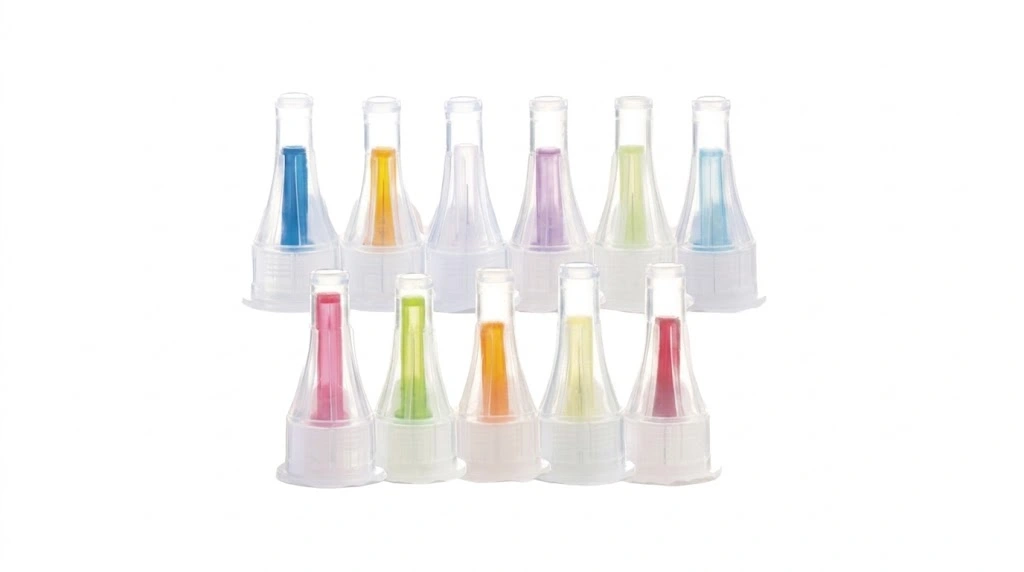
As required by ISO 11135 standards, EO gas sterilization is used to make sure that each needle has a Sterility Assurance Level of 10-6. Individual paper-plastic blister packaging keeps things germ-free until they are used and lets you check the integrity of the package visually. Color-coded outer caps make it easy to find the right size during professional processes, which cuts down on selection mistakes in busy healthcare settings.
Multiple things make it less safe for patients to use disposable insulin pen needles more than once. When you look at needles under a microscope, you can see that after just one penetration, they form burrs and hooks that hurt the tissue during subsequent injections. Dulled tips need more force to be inserted, which makes pain feel worse and could damage insulin molecules through too much shear stress. In the technical training tools we give to our marketing partners, we stress strict single-use compliance.
Why Does Universal Fit Matters in B2B Procurement and Supply Chain Efficiency?
Healthcare buying teams are under more and more pressure to keep supplies available at all times while lowering the cost of their goods. Injection supplies that aren't standardized cause operational bottlenecks that can be fixed with universal compatibility solutions.
Reducing Inventory Complexity Through Standardization
Traditional ways of buying things require different SKUs for each brand of insulin pen, which increases the cost of keeping inventory and the amount of room needed in the warehouse. Stock-keeping unit proliferation makes it more likely that slow-moving items will be overstocked, while at the same time it raises the risk of running out of high-demand items. Universal ISO 11608-compliant needles combine several SKUs into a single product line. This makes stock management easier and frees up capital that would have been used for safety stock.
Simplified product catalogues are very helpful for distribution centers that work with a wide range of healthcare facilities, such as hospitals, clinics, long-term care facilities, and retail shops. When needles work with more than one brand of pen, it's easier to make centralized buying deals. This is because larger orders can get discounts that smaller orders for a single brand can't get. With a minimum order quantity of 20,000 pieces, we make it easy for large distributors and group purchasing organisations to use bulk purchasing strategies that lower the cost per unit.
Enhancing Supply Chain Resilience
Problems with the supply chain make managing chronic diseases very dangerous. Patients who need insulin shots every day can't wait for the product to become unavailable without instant health effects. Universal needles give buyers more options by letting them switch between pen platforms when supplies run low. This ability to be switched out is a key way to lower risk, especially for foreign organizations that are in charge of healthcare services in many places where products aren't always available.
AVACARE keeps lead times between 30 and 45 days and can increase production capacity to meet urgent orders. Our full supply chain assurance includes backup sources for raw materials, a variety of logistics partnerships, and emergency response systems that are available 24 hours a day, 7 days a week. We accept both T/T and L/C as forms of payment, which makes foreign deals easier and more in line with different financial protocol standards around the world.
Building Customer Trust Through Reliability
Healthcare wholesalers set themselves apart not just by low prices but also by providing reliable service. Giving customers ISO-certified universal needles and detailed technical information shows that you care about safety and quality, which builds stronger customer relationships. We back up this value offering with OEM and ODM services that let you use your own brand name, make custom packaging with instructions in multiple languages, and get help with legal paperwork for applications to get your product on the market.
We keep investing in research and development to make injection technology better, as shown by our seven national patents. This innovation pipeline makes sure that distribution partners can get cutting-edge goods that meet changing clinical needs. This makes them more trusted experts in their markets instead of just transactional suppliers.
Comparing Top Disposable Insulin Pen Needle Solutions in the Market
There are both large global companies and small, specialised companies in the insulin injection business. The specialized companies focus on making cost-effective, ISO-compliant options. Procurement workers can make better sourcing choices when they know what their competitors are doing.
Established Brand Performance Characteristics
In the past, pen needles were mostly made by big drug companies, which used their insulin pen market share to boost sales of other accessories. These goods usually have strong clinical proof to back up their safety and effectiveness claims, and a lot of healthcare providers already know about them, which makes them easier to use. But brand-name needles often cost more, which can be hard on procurement budgets, especially for institutions that buy a lot of them or applications in developing markets.
When looking at performance specs, the most popular names tend to agree on the same basic details. Most of them come in gauges from 29G to 32G and lengths from 4mm to 8mm. The materials used and the way they are made mostly follow ISO standards. This means that, even though the brands are different, the clinical performance is similar.
Emerging Manufacturer Value Propositions
Manufacturers that are ISO-certified, such as AVACARE, offer similar technical performance for single-use diabetes needles at prices that are more in line with goals to keep healthcare costs low. Our CE and ISO 13485 certifications show that our manufacturing quality is on par with well-known brands. Also, our flexible production methods allow for customization that isn't possible with rigid multinational supply chains.
More and more, procurement teams are realizing that ISO compliance, not brand heritage, is the real quality standard. Testing by a third-party lab shows that properly certified needles from new makers meet the same safety and efficiency standards as more expensive options. Because of this, market share moves toward value-focused providers who offer clear quality documents and helpful customer service.
Our production center is 12,000 square meters and has automatic quality checking systems that check all of the products we make for important factors like penetration force, bond strength, and lumen patency. These features make sure that the quality of the products always meets the high standards that healthcare facilities need to make sure patients are safe.

Best Practices for B2B Buyers: How to Choose and Purchase Disposable Insulin Pen Needles?
Strategic buying choices include more than just comparing prices. They also look at the skills of the seller, their ability to follow regulations, and the possibility of a long-term relationship. Systematic evaluation frameworks are needed for procurement to work well.
Supplier Qualification Criteria
Check for ISO 13485 certification and CE or FDA clearances for particular products to start the approval process. Instead of depending on claims of compliance, ask for pictures of the certificates and make sure the certification bodies are recognized by other groups. Look at the paperwork from the manufacturing facility, like the clean room classifications and environmental monitoring protocols that make sure the production environment is clean.
Use sample review tools to check someone's technical skills. If you ask for samples, AVACARE will send them to you so you can check the needle sharpness, hub connection security, and packaging integrity before you decide to buy a lot of them. Specification sheets alone can't show the level of quality in making that a physical check can.
Matching Products to Market Segments
Healthcare distributors work with different types of customers who have different needs. When hospitals buy things, they look for success data that is backed up by evidence, proof that they are following the rules, and the ability to work with current clinical protocols. Along with low bulk prices, retail drugstore sellers put an emphasis on attractive packaging that makes customers want to buy it. Home healthcare providers need to give patients safe self-administration materials and instructions on how to properly dispose of waste.
Make sure that the products you choose meet the needs of these specific segments. Our color-coded cap system and easy-to-understand screw-on method make it easier for older patients to give themselves shots. Labels that are printed in more than one language make it easier for products to be sold in international markets, and detailed technical manuals help train clinical staff in institutions.
Building Supply Chain Partnerships
To keep ties with sources going, they need to be able to adjust their production to meet changing demand while keeping quality standards the same. Check out the production capacity, methods for managing inventory, and transportation networks that make sure deliveries are made on time. We keep strategic buffers of raw materials on hand and build relationships with multiple transportation providers to lower the risk of disruptions.
Support after the sale is what sets transactional sellers apart from strategic partners. Suppliers who care about their customers' success offer technical training programs, quick customer service, and proactive contact about things like production plans or changes to regulations. Our 24-hour response system makes sure that urgent questions get answered right away, which is very important for healthcare operations that need to be done quickly.
Conclusion
Universal ISO 11608-compliant disposable insulin pen needles are smart ways to buy things that make inventory more efficient, make the supply chain more resilient, and save money without putting patient safety at risk. Standardized needle compatibility across major insulin pen platforms makes operations easier for B2B buyers who have to deal with complicated healthcare supply networks. This is done while still meeting strict regulatory requirements. AVACARE offers certified manufacturing quality, flexible customization options, and quick service support. This makes us the perfect partner for healthcare institutions, OEM clients, and distributors who want to find reliable diabetes care solutions that balance clinical performance with economic value.
FAQ
Why are 4mm disposable insulin pen needles recommended over longer versions?
A clinical study shows that 4 mm needles can reliably reach subcutaneous tissue in people of all body mass indexes while lowering the risks of painful intramuscular injections. Shorter needles make injections less scary, especially for kids and people who are afraid of needles. This makes it easier for people to stick with their treatment.
Can disposable insulin pen needles be reused safely?
Without a doubt not. When you reuse something, the tip gets tiny damage like burrs and hooks that you can see under a microscope. This can hurt tissue and increase the risk of infection. For keeping things clean and making injections more comfortable, single-use protocols are required.
How does ISO 11608 compliance affect needle reliability?
ISO 11608 certification makes sure that needles meet standard tolerances for size and safety requirements for materials, which means they will work with a wide range of pen brands. Compliance verification gives procurement teams concrete quality guarantee that isn't based on what the company says it will do.
What distinguishes 31G from 32G needles in clinical practice?
The 32G needle has a smaller diameter, which makes it less painful to insert into the skin, while the 31G needle lets insulin flow a little faster. Which gauge to use relies on the patient's sensitivity and the viscosity of the insulin formulation. Either one can be used for most adult uses.
How should used insulin pen needles be disposed of?
According to local biohazard waste rules, all used needles must be put in sharps bins that can't be punctured. In both home and clinical settings, proper disposal is important to keep people from getting hurt by needle sticks and to keep the environment clean.
Partner with AVACARE for Certified Disposable Insulin Pen Needle Solutions
When buying healthcare supplies, you need suppliers who know how to balance clinical needs with regulatory compliance and operational efficiency. AVACARE is a disposable insulin pen needle manufacturer that is ISO 13485 certified and has seven national patents and CE approvals to show that it is always coming up with new ideas. Our OEM and ODM services let you use your own brand name and customize the packaging, which helps you stand out in the market. Our 30- to 45-day lead times and open payment choices (T/T and L/C allowed) make foreign transactions go smoothly.
We offer more than just products as a dedicated partner to healthcare institutions, distributors, and buyers of medical devices around the world. Our expert training programs, full documentation support, and 24-hour response system make sure that everything runs easily for you, from the first order to delivery to the end user. Our team is ready to help you succeed, whether you're looking for disposable insulin pen needles in bulk to save money on purchases or custom solutions for specific market segments.
Contact our procurement specialists at admin@aileindus.com to request samples, discuss volume pricing for orders starting at 20,000 pieces, or explore how our universal fit ISO 11608 compliant needles can simplify your supply chain while enhancing patient care outcomes. Experience the difference that manufacturing excellence and customer-focused service deliver.
References
1. International Diabetes Federation. (2021). IDF Diabetes Atlas, 10th Edition. Brussels, Belgium: International Diabetes Federation.
2. Frid, A.H., Kreugel, G., Grassi, G., Halimi, S., Hicks, D., Hirsch, L.J., et al. (2016). New Injection Recommendations for Patients with Diabetes. Diabetes & Metabolism, 42(Suppl 1), S3-S23.
3. American Diabetes Association. (2023). Standards of Medical Care in Diabetes—Insulin Delivery and Device Technology. Diabetes Care, 46(Supplement 1), S111-S127.
4. International Organization for Standardization. (2014). ISO 11608-2:2014 Needle-based Injection Systems for Medical Use—Requirements and Test Methods—Part 2: Needles. Geneva: ISO.
5. Hirsch, L.J., Gibney, M.A., Albanese, J., Qu, S., Kassler-Taub, K., Klaff, L.J., et al. (2012). Comparative Glycemic Control, Safety and Patient Ratings for a New 4mm × 32G Insulin Pen Needle in Adults with Diabetes. Current Medical Research and Opinion, 28(8), 1363-1375.
6. Pollock, R.F., Schulze, L.L., Kandaswamy, P., & Valentine, W.J. (2018). Evaluating the Cost-Effectiveness of Insulin Injection Needles in the Treatment of Type 1 and Type 2 Diabetes in the United Kingdom. Journal of Medical Economics, 21(3), 289-296.

_1782811410038.webp)